The Hidden Science of Structural Drying: Why Professional Intervention is the Key to Property Longevity

water damage restoration services

The sound of water where it shouldn’t be—a rhythmic drip behind a vanity, the sudden rush of a failed supply line, or the heavy squelch of saturated carpet—is a sound that triggers an immediate, visceral response in any property owner. In that moment of crisis, the instinct is often to reach for the nearest mop, a stack of towels, or a residential shop vacuum. However, the physical water you can see represents only a fraction of the actual threat. Water is an invasive force that follows the path of least resistance, migrating through wall cavities, under subfloors, and deep into the porous “bones” of a building.

In our region, where seasonal shifts can range from heavy spring deluges to freezing winter temperatures that threaten aging plumbing, the complexity of structural recovery cannot be overstated. Managing these events requires more than just a cleanup crew; it demands a scientific approach to moisture equilibrium. At Redefined Restoration, we recognize that every hour water sits in a structure, the chemical and biological environment of that building begins to shift. True recovery lies in the nuances of psychrometry—the science of drying—and the deployment of advanced water damage restoration services to ensure the long-term health and value of your property.

The Physics of Water Migration: How Damage Spreads Unseen

To understand the necessity of professional-grade intervention, one must first look at how water behaves once it breaches the building envelope. Most modern construction materials are hygroscopic, meaning they possess a natural affinity for water. Drywall, insulation, wood framing, and even concrete act as sponges, pulling moisture deep into their cellular structures through capillary action.

The Problem of Surface Tension

Water’s surface tension allows it to cling to the underside of horizontal surfaces and travel vertically up walls. This means that a flood on the ground floor can lead to moisture wicking up several inches—or even feet—into the drywall. This “wicking” effect creates a hidden reservoir of moisture behind baseboards and inside wall cavities where airflow is non-existent. Without specialized equipment to “pull” this moisture out, the surface may feel dry to the touch while the structural studs remain dangerously saturated.

Vapor Pressure and Evaporation

Drying is essentially the management of vapor pressure. When a room is flooded, the air becomes saturated, reaching a high relative humidity. Evaporation slows down because the air can no longer “hold” any more moisture. Professional water damage restoration services solve this by using industrial-grade dehumidifiers to lower the vapor pressure of the air, creating a “thirsty” environment that aggressively draws moisture out of wet materials.

The 48-Hour Window: The Biological Countdown

In the restoration industry, we live by a strict timeline. The first 48 hours following a water intrusion event are the most critical. This is not just because of the structural weakening of materials, but because of the biological shift that occurs when moisture meets organic food sources.

Microbial Proliferation

Mold spores are omnipresent; they exist in nearly every indoor and outdoor environment in a dormant state. However, they require three things to thrive: moisture, an organic food source (like the paper backing on drywall or wood fibers), and a stable temperature. In a typical home or office in 2026, all three are present the moment a pipe bursts. Within 24 to 48 hours, these spores can activate and begin to colonize. Once mold becomes established, the restoration process transitions from a drying project to a much more invasive mold remediation project.

Secondary Damage

Secondary damage refers to the destruction caused not by the liquid water itself, but by the high-humidity environment created by the standing water. High relative humidity can cause “sweating” on walls in rooms that weren’t even flooded, leading to peeling wallpaper, buckling hardwood furniture, and even the corrosion of sensitive electronics. Professional mitigation focuses on stabilizing the entire environment to prevent these costly secondary effects.

The Categorization of Water: Knowing the Risk

Not all water events carry the same health risks. The IICRC S500—the standard for professional water restoration—categorizes water based on its source and potential for contamination. Identifying the category is the first step in our protocol at Redefined Restoration.

Category 1: Clean Water

This is water from a sanitary source, such as a broken supply line or a falling rainwater leak. While the water itself is “clean,” it can quickly degrade. Once Category 1 water contacts building materials or stands for more than a few hours, it begins to dissolve minerals and organic matter, transitioning into more dangerous categories.

Category 2: Gray Water

Gray water contains significant contamination and has the potential to cause discomfort or sickness if contacted. Common sources include discharge from dishwashers, washing machines, or toilet overflows that do not contain fecal matter. This category requires more rigorous cleaning and sanitization protocols.

Category 3: Black Water

Black water is grossly unsanitary and contains pathogenic, toxigenic, or other harmful agents. This includes sewage, rising water from rivers or streams, and wind-driven rain from hurricanes or tropical storms. In a Category 3 event, porous materials like carpets, pads, and even some furniture are generally considered non-salvageable and must be removed to ensure the safety of the occupants.

Advanced Diagnostic Technology: Seeing the Invisible

In 2026, we no longer guess whether a wall is dry. We prove it. The hallmark of authoritative water damage restoration services is the use of non-invasive diagnostic tools that provide a clear picture of the moisture’s path.

Infrared Thermography

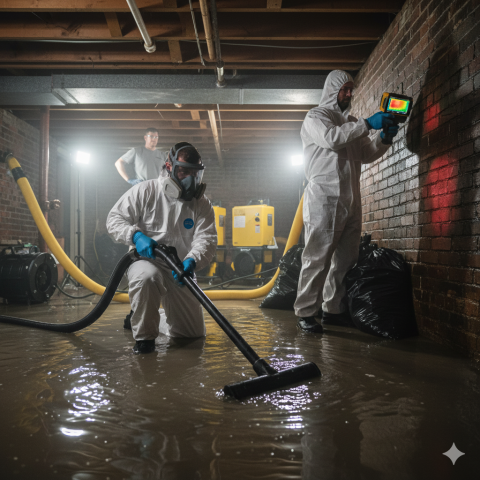
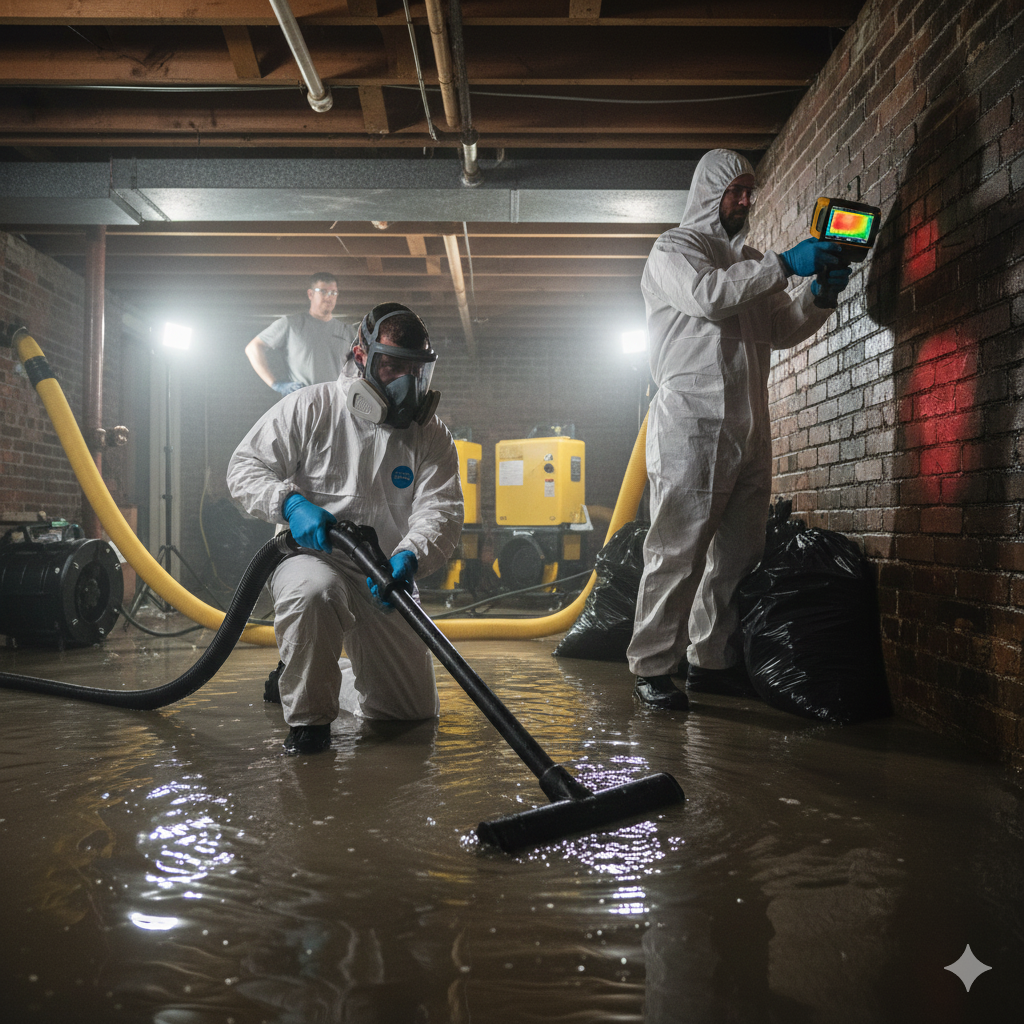
Thermal imaging cameras allow our technicians to see temperature differentials on surfaces. Because wet materials are generally cooler than dry ones due to evaporative cooling, infrared cameras can pinpoint moisture pockets behind tiled walls, under hardwood floors, or inside ceiling assemblies without the need for destructive testing.

Moisture Mapping

Using both invasive (pin-style) and non-invasive (ultrasonic) moisture meters, we create a comprehensive moisture map of the affected area. This allows us to establish “dry standards”—baseline readings from unaffected areas of the property—which we use as our target goals. Throughout the drying process, we document the progress of each material, ensuring that every stud and subfloor has returned to its pre-loss moisture content.
water damage restoration services

The Professional Restoration Workflow: A Systematic Approach

When you engage Redefined Restoration, you aren’t just getting a crew with fans; you are getting a team following a disciplined, multi-stage recovery plan.

1. Emergency Assessment and Hazard Mitigation

The first priority is safety. This involves identifying electrical hazards, ensuring the structural stability of saturated ceilings, and stopping the source of the water if it hasn’t already been addressed.

2. High-Volume Water Extraction

Removing water in its liquid state is 500 times more efficient than trying to evaporate it. We use truck-mounted extraction units and submersible pumps to remove the bulk of the water. On high-end carpeting, we may use “weighted” extraction tools that pull water through the pad without needing to remove the carpet itself, provided the water is Category 1.

3. Antimicrobial Application and Sanitization

To prevent microbial growth and neutralize odors, we apply EPA-registered antimicrobials. This is a crucial step in maintaining indoor air quality and ensuring that the property remains a healthy environment for its inhabitants.

4. Structural Drying and Stabilization

This is where the science of psychrometry comes into play. We strategically place high-velocity air movers to create a “vortex” of air across surfaces, while industrial-grade LGR (Low Grain Refrigerant) dehumidifiers pull the moisture out of the air. This cycle continues until our moisture meters confirm that the materials have reached their dry standards.

5. Monitoring and Documentation

A restoration project is not a “set it and forget it” task. Our technicians visit the site daily to take psychrometric readings (temperature, relative humidity, and grains per pound of air) and adjust equipment as needed to maintain the most efficient drying environment possible.

The Economics of Restoration: Protecting Your Asset Value

Many property owners hesitate to call for professional water damage restoration services due to concerns about cost. However, a scientific approach to restoration is almost always a more cost-effective solution than the alternative: neglect.

Avoiding “The Mold Clause”

In many real estate markets, a history of water damage that wasn’t professionally mitigated can be a major hurdle during a sale. By having a certified firm like Redefined Restoration document the “dry-out” with a final certificate of completion, you protect your property’s resale value. You provide future buyers with peace of mind that the structure is sound and free of hidden microbial issues.

Restoration vs. Replacement

Professional drying often allows us to save materials that a general contractor might simply tear out and replace. High-end cabinetry, specialized hardwood floors, and architectural millwork can often be salvaged using specialized “injection drying” systems that push dry air into hidden cavities. This not only saves money on reconstruction but preserves the historic or aesthetic character of your property.

Structural Impacts: Hardwood, Concrete, and Beyond

Every material reacts to water differently, and a “one size fits all” drying approach can lead to permanent damage.

The Nuance of Hardwood

When hardwood floors get wet, they “cup” (the edges of the boards become higher than the centers). Many people assume the floor is ruined. However, if addressed quickly, we can use vacuum-seal mats to pull moisture directly through the wood fibers. Often, as the wood dries to its original moisture content, the boards will flatten back out, saving thousands of dollars in replacement costs.

The Complexity of Concrete

Concrete is often viewed as impervious to water, but it is actually a very porous material. Water can travel deep into a concrete slab and sit there for weeks. If you install new flooring (like luxury vinyl plank or carpet) over a slab that hasn’t been professionally dried, the moisture will eventually rise, leading to adhesive failure and mold growth under your brand-new floor.

Local Challenges: Climate and Construction in Our Region

Our local environment presents unique hurdles for property owners. From the high-water tables that can lead to basement seepage during heavy rains to the rapid temperature fluctuations that can cause thermal expansion and contraction in plumbing, our region demands local expertise.

Seasonal Flooding and Storm Runoff

During our heavy rain seasons, the ground can become saturated, leading to hydrostatic pressure that forces water through foundation cracks. This water is often Category 3 (black water) due to its contact with soil and outdoor contaminants. Professional water damage restoration services in our area are specifically equipped to handle the large-scale extraction and heavy-duty decontamination required after a ground-water intrusion event.

Aging Infrastructure and Frozen Pipes

In the winter months, older homes and commercial buildings are particularly vulnerable to pipe bursts. A pipe that bursts in an attic can go unnoticed for hours, causing damage to multiple floors. We understand the local building codes and the common construction methods used in our area’s historic and modern neighborhoods, allowing us to navigate wall assemblies and insulation types with precision.

Health and Safety: The Human Side of Restoration

Beyond the structural integrity of the building, the primary concern of Redefined Restoration is the health of the people who live and work inside.

Respiratory Health and Air Quality

Water damage significantly impacts indoor air quality. As materials dry, they can release particulates, spores, and volatile organic compounds (VOCs). We utilize HEPA-filtered air scrubbers on our job sites to continuously clean the air, ensuring that even the most sensitive occupants—such as children, the elderly, or those with asthma—are protected during the process.

Chemical Sensitivities

We recognize that many property owners are concerned about the use of harsh chemicals. In 2026, we utilize botanical antimicrobials and other eco-friendly solutions whenever possible. These products are highly effective at neutralizing pathogens while remaining safe for pets and families.

Navigating the Insurance Process: Advocacy and Documentation

One of the most stressful parts of a water loss is dealing with the insurance claim. Professional water damage restoration services act as a vital bridge between the property owner and the insurance adjuster.

The Language of Claims

Adjusters require specific data to approve a claim: moisture maps, daily drying logs, and proof of the water’s source. We provide a comprehensive documentation package that uses industry-standard software (like Xactimate) to ensure that every necessary step of the restoration is accounted for. This transparency helps expedite the claims process and ensures you receive the coverage you are entitled to under your policy.

Mitigation vs. Reconstruction

It is important to understand that “mitigation” (the drying and cleanup) is often covered under a different part of your policy than “reconstruction” (the rebuilding). By moving quickly with mitigation, you can often stay within your policy limits by preventing the damage from spreading, leaving more resources available for the aesthetic finish of your choice.

Commercial Recovery: Minimizing Business Interruption

For business owners and facility managers, water damage is measured in downtime. Every day your doors are closed is a day of lost revenue. Redefined Restoration specializes in commercial recovery, where the scale and speed of the response are paramount.

We work to create “contained” work zones, allowing you to keep unaffected parts of your business operational while we restore the damaged areas. Whether it’s a retail space, a medical office with sensitive equipment, or a large-scale warehouse, our team is equipped to handle the high-power requirements and complex logistics of commercial drying.

Why “DIY” Drying Often Leads to a Second Disaster

It is tempting to try and save money by handling the drying yourself. However, without professional tools, you are likely leaving the most dangerous moisture behind.

The “Iceberg” Effect

The water you can see and feel is the 10% above the surface. The 90% that is trapped in the insulation, the sill plates, and the subfloor is the real problem. Household fans simply move air; they do not remove moisture from the environment. Without a professional-grade dehumidifier, you are essentially creating a greenhouse for mold.

The Bleach Myth

One of the most persistent—and dangerous—pieces of advice is to use bleach to kill mold after water damage. Bleach is mostly water. While it may kill surface mold on non-porous materials, it cannot penetrate porous materials like wood or drywall. In fact, the water in the bleach can actually feed the “roots” of the mold (hyphae) that are deep inside the material, causing it to return even stronger once the surface appears clean.

Resilience and Peace of Mind

The goal of professional water damage restoration services is to return your life to normal as quickly as possible. But beyond speed, the goal is resilience. We want to ensure that once we leave, your property is stronger, drier, and healthier than it was before the event occurred.

As we move through 2026, the technology behind restoration continues to advance, but the core principle remains the same: a deep respect for the science of the building and an unwavering commitment to the property owner’s well-being. At Redefined Restoration, we pride ourselves on being a steady hand in the midst of a crisis. We are more than just a contractor; we are your partners in property recovery.

Conclusion: Taking the First Step Toward Recovery

Water damage is a disruptive, emotional experience. It challenges your sense of security and threatens your most significant financial investment. However, by choosing a path of professional, scientific restoration, you are taking control of the narrative. You are ensuring that this event is a temporary setback, not a permanent scar on your property’s history.

The path to a dry, healthy home starts with a phone call. While the water may have moved fast, we move faster. Let us put our expertise, our technology, and our dedication to work for you. From the first gallon extracted to the final moisture reading, we are with you every step of the way.

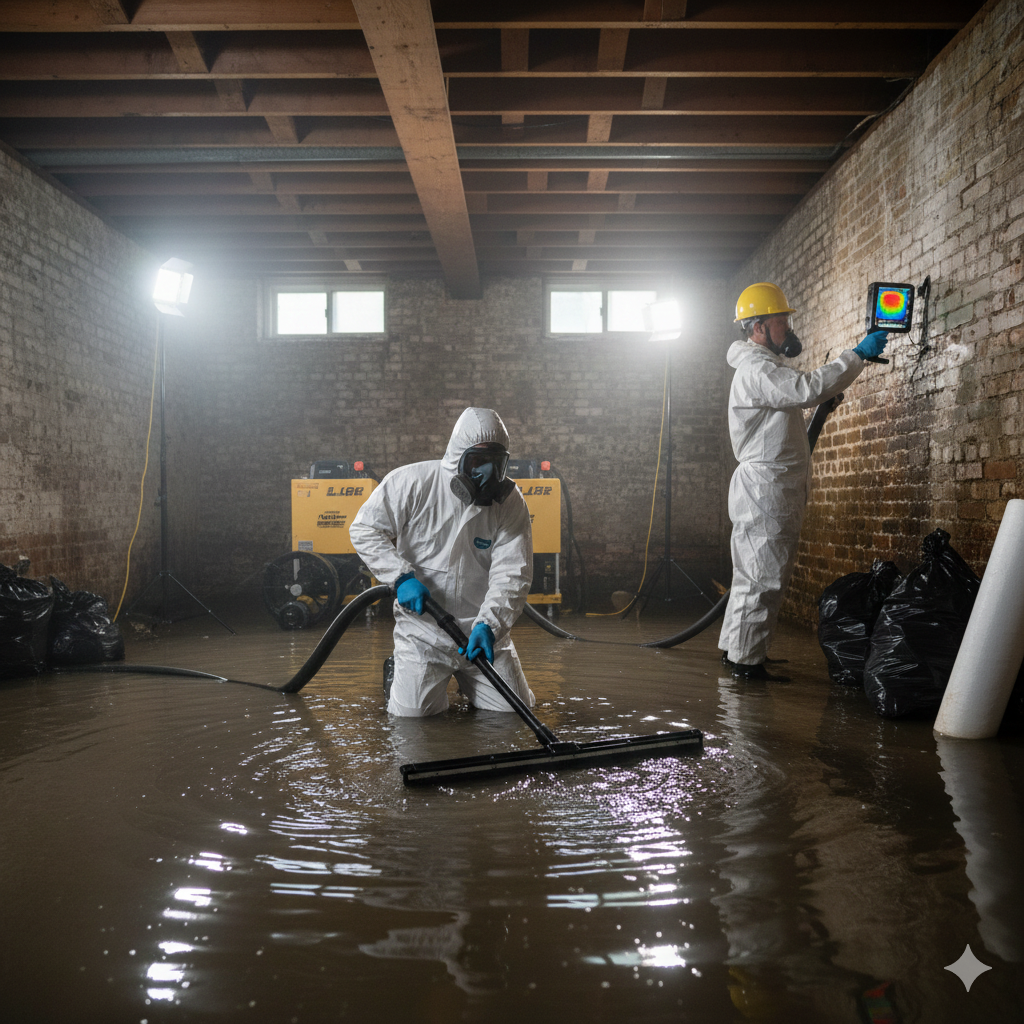
The Invisible Path of Water: A Comprehensive Guide to Structural Recovery and Long-Term Property Health

water damage restoration services

It is 2:00 AM. You are jolted awake not by an alarm, but by the rhythmic, heavy sound of rushing water. As your feet hit the floor, they aren’t met with the familiar comfort of carpet or hardwood, but with a cold, unsettling saturation. Whether it is a burst pipe, a failed water heater, or a sudden structural breach following a heavy storm, the immediate emotional weight of water intrusion is staggering. In these moments, the physical water you see is only the surface of a much larger, more complex problem.

Water is a silent opportunist. It follows the path of least resistance, migrating through wall cavities, under floorboards, and deep into porous building materials through capillary action. Within minutes, your property’s structural integrity begins to face a chemical and biological countdown. This is where the distinction between “cleaning up” and professional water damage restoration services becomes the deciding factor in whether your home or business survives the event or suffers years of recurring issues.

At Redefined Restoration, we believe that recovery is a science. In the following guide, we will explore the physics of water migration, the technical standards of professional mitigation, and why the first 48 hours of any water event in 2026 are the most critical for your property’s future.

The Physics of Water Migration: How Damage Spreads

To understand the necessity of professional intervention, one must first understand how water behaves once it enters a controlled environment. Unlike a spill on a countertop, a significant water intrusion event involves “migration.”

Capillary Action and Porous Materials

Building materials like drywall, wood framing, and insulation are inherently hygroscopic—they actively absorb and hold moisture. Through a process called capillary action, water can actually move upward against gravity. A flood that covers only two inches of your floor can wick up into the drywall as high as 12 to 18 inches within a matter of hours. This “invisible” moisture creates a perfect, humid environment behind the walls where airflow is nonexistent.

Surface Tension and Hidden Pockets

Water’s surface tension allows it to cling to the underside of subfloors and the interior of floor joists. In many regional construction styles, especially those involving crawlspaces or multi-level flooring, water becomes trapped in “dead air” spaces. If this moisture is not identified and extracted using high-velocity air movers and industrial dehumidifiers, it will lead to “dry rot” and structural weakening that may not manifest for months.

Categorizing the Threat: The IICRC Standard

Not all water is created equal. Professional water damage restoration services categorize water based on its source and potential for contamination. This classification, dictated by the Institute of Inspection, Cleaning and Restoration Certification (IICRC), determines the safety protocols and the salvageability of your belongings.

Category 1: “Clean” Water

This originates from a sanitary source, such as a broken supply line or a falling rainwater leak. While the water itself is clean, the moment it contacts building materials or soil, it begins to dissolve minerals and organic matter. If a Category 1 leak is left untreated for more than 48 hours, it can degrade into a Category 2 or 3 situation due to microbial growth.

Category 2: “Gray” Water

This water contains significant contamination and has the potential to cause discomfort or sickness if consumed or contacted. Examples include discharge from dishwashers, washing machines, or overflows from toilet bowls (without feces).

Category 3: “Black” Water

This is the most dangerous classification. Category 3 water is grossly unsanitary and contains pathogenic, toxigenic, or other harmful agents. This includes sewage, rising water from rivers or streams, and any water that has stood for an extended period. In these cases, porous materials like carpets and drywall are almost never salvageable and must be removed under strict environmental controls to protect the health of the occupants.

The 48-Hour Window: The Biological Clock

In the restoration industry, we refer to the first 48 hours as the “Golden Window.” This is because the biological clock of your home starts ticking the moment moisture meets organic food sources like the paper backing on drywall or the starch in carpet adhesive.

Microbial Proliferation

Mold spores are omnipresent in almost every indoor environment, usually dormant and harmless. However, when the relative humidity (RH) in a room spikes above 60% due to standing water, these spores activate. Within 24 to 48 hours, mold colonies can begin to form. By the time you can smell a “musty” odor, the colonization is already well underway.

Secondary Damage

Secondary damage refers to the destruction caused not by the liquid water itself, but by the high humidity the water creates. In a flooded basement, the air becomes so saturated that moisture begins to condense on the ceiling and walls of the upper floors. This can cause “sweating” on windows, the peeling of wallpaper, and even the buckling of hardwood furniture in rooms that never touched a drop of the original floodwater.

water damage restoration services

The Science of Psychrometry: More Than Just Fans

A common misconception is that “opening the windows and turning on some fans” will dry out a room. In reality, this often makes the problem worse by moving humid air around without removing the moisture from the environment. Professional water damage restoration services rely on psychrometry—the study of the thermodynamic properties of air-water vapor mixtures.

Balanced Drying

Drying is a delicate balance between three elements:

  1. Air Movement: Breaking the boundary layer of saturated air at the surface of a material to encourage evaporation.
  2. Dehumidification: Removing the evaporated moisture from the air so the air can continue to “pull” water out of the materials.
  3. Temperature Control: Warmer air holds more moisture, which can speed up evaporation, but it must be managed carefully to avoid fueling mold growth.

In 2026, we utilize LGR (Low Grain Refrigerant) dehumidifiers and desiccant systems that are capable of pulling moisture out of the air even in extremely low-humidity environments, ensuring that the “deep” moisture inside structural wood is successfully reached.

Advanced Diagnostic Technology

You cannot manage what you cannot measure. One of the primary reasons property owners trust Redefined Restoration is our use of advanced diagnostic tools that see through walls and under floors.

Infrared Thermography

Thermal imaging cameras allow us to detect temperature differentials. Because wet materials are generally cooler than dry ones due to evaporative cooling, we can see exactly how far a leak has traveled behind a tiled bathroom wall or under a hardwood floor without needing to tear the material out first.

Moisture Mapping

Using both invasive (pin-style) and non-invasive (ultrasonic) moisture meters, our technicians create a “moisture map” of your property. We establish “dry standards” based on unaffected areas of your home. This allows us to prove, with empirical data, when your property has returned to a safe, pre-loss condition—a critical step for insurance verification.

The Professional Workflow: What to Expect

When our team arrives at your property, we follow a disciplined, five-step process designed to minimize loss and maximize structural recovery.

1. Inspection and Assessment

We begin by identifying the source of the water and ensuring it is stopped. We then categorize the water and assess the scope of the damage using the diagnostic tools mentioned above.

2. Water Extraction

Removing standing water is 500 times more efficient than evaporating it. We use truck-mounted extraction units and submersible pumps to remove the bulk of the water. On high-end flooring, we may use “weighted” extraction tools that pull water through the carpet padding without needing to remove the carpet.

3. Decontamination and Stabilization

We apply EPA-registered antimicrobials to prevent mold growth and neutralize odors. In Category 3 events, this includes a rigorous cleaning of all non-porous surfaces.

4. Controlled Drying and Monitoring

We strategically place air movers and dehumidifiers to create an optimal drying vortex. Our technicians visit the site daily to monitor the equipment and adjust the plan based on the moisture readings. This is not a “set it and forget it” process; as materials dry, their needs change.

5. Final Documentation and Reconstruction

Once the “dry standards” are met, we provide a comprehensive report for your records and your insurance company. If structural materials were removed, our reconstruction team steps in to return the space to its original aesthetic beauty.

Dealing with Specialized Content: Electronics and Heirlooms

Water damage doesn’t just affect the “bones” of your house; it affects your life’s work. From servers and computers to family photo albums and antique textiles, content recovery is a specialized wing of restoration.

Electronics Recovery

The minerals in water, not the water itself, are what destroy electronics. If a device is professionally cleaned and dried before corrosion sets in, the success rate for data recovery and functionality is surprisingly high. We utilize specialized drying chambers for high-value tech assets.

Textiles and Fine Art

Smoke and water can be particularly devastating to fine art. We coordinate with conservators to ensure that paintings are stabilized and textiles are treated with the correct pH-balanced solutions to prevent bleeding and shrinking.

The Hidden Hazards: Safety First

Attempting a DIY restoration can expose you to several hazards that professional water damage restoration services are trained to mitigate.

Electrical Risks

Water and electricity are a lethal combination. Often, water travels through electrical conduits or settles in outlets. We perform a “lock-out, tag-out” procedure on affected circuits to ensure the site is safe for both our crew and the occupants.

Structural Instability

Saturated drywall can weigh several times its original weight, leading to ceiling collapses. Hardwood floors can “buckle” or “cup” with enough force to lift heavy furniture or even shift interior walls. We identify these tension points and stabilize them before they lead to injury.

Pathogens and Allergens

Beyond mold, stagnant water can harbor Legionella, E. coli, and other bacteria. Our teams use high-level Personal Protective Equipment (PPE) and HEPA air scrubbers to ensure that contaminants are filtered out of the air you breathe during the restoration process.

The Economics of Restoration: Protecting Property Value

In the real estate market of 2026, property history is more transparent than ever. A poorly handled water event can significantly diminish a home’s resale value and make it difficult to obtain insurance coverage in the future.

Insurance Advocacy

Navigating an insurance claim is often as stressful as the flood itself. Because we use industry-standard software and provide detailed moisture logs, we help streamline the communication between you and your adjuster. Our goal is to ensure that the scope of work is fully understood and covered, so you aren’t left with out-of-pocket expenses for a necessary structural repair.

Restoration vs. Replacement

A professional restoration often saves the insurance company—and the homeowner—money by salvaging expensive materials that a general contractor might simply throw away. By using specialized “injection drying” systems, we can often save high-end cabinetry and built-ins that would cost tens of thousands of dollars to replace.

Commercial Considerations: Minimizing Business Interruption

For business owners, water damage is measured in “downtime.” Every hour your facility is closed is an hour of lost revenue. Redefined Restoration understands the urgency of commercial recovery.

We work to create “contained” drying zones, allowing you to keep unaffected parts of your business open while we work. Whether it’s a retail space, a medical office with sensitive equipment, or a large-scale warehouse, our commercial response team is equipped to handle high-volume extraction and drying without compromising your operational flow.

Regional Challenges and Local Expertise

Every region has its own building “personality.” From the specific types of insulation used in our local climate to the regional soil composition that can affect foundation drainage, local expertise matters.

In our area, we face specific seasonal challenges. During the humid summer months, the lack of a “vapor barrier” in many older homes can lead to rapid mold growth after a leak. Conversely, our winters bring the threat of frozen pipes that burst behind walls, often going unnoticed until the spring thaw. We understand these local nuances and tailor our drying protocols to account for the regional weather patterns and construction standards.

Why DIY Often Leads to a Second Disaster

It is tempting to rent a few carpet fans and call the job done once the floor feels dry to the touch. However, “dry to the touch” is not the same as “structurally dry.”

The “Iceberg” Effect

The water you can see is the 10% above the surface. The 90% below the surface—the moisture trapped in the insulation, the sill plates, and the subfloor—is where the real damage happens. Without professional-grade extraction and dehumidification, this water will sit for weeks.

The Bleach Myth

One of the most dangerous DIY tips is using bleach to kill mold. Bleach is mostly water; while it may kill the surface mold on non-porous materials, the water in the bleach actually feeds the “roots” (hyphae) of the mold deep inside porous wood and drywall. Professional restorers use specialized, non-corrosive antimicrobials that penetrate the material and neutralize the threat at the source.

Resilience and the Path Forward

Recovering from water damage is a journey from chaos back to comfort. While the initial event is a trauma to both the building and its owners, a professional restoration process offers an opportunity to improve the property’s resilience.

As we move through 2026, the technology and methodology of water damage restoration services continue to evolve, focusing on faster drying times and more accurate diagnostics. At Redefined Restoration, we remain at the forefront of this evolution, ensuring that when you face the unexpected, you have a partner who brings calm, science, and a commitment to excellence to your doorstep.

Your home is more than a structure; it is the repository of your memories and the foundation of your security. Don’t let a temporary water event turn into a permanent problem. By choosing a professional path, you are choosing to protect your health, your finances, and your peace of mind.

Final Thoughts on Long-Term Mitigation

Once your property is dry and restored, the focus shifts to prevention. We often recommend simple upgrades like smart leak detectors, which can alert you to a pipe burst via your smartphone even if you are away from home. Regular maintenance of your HVAC system’s condensate lines and ensuring your sump pump has a battery backup are small investments that pay massive dividends in preventing future water damage.

Beyond the Flames: The Comprehensive Guide to Property Recovery and Structural Stabilization

fire damage restoration

The moments following a fire are often defined by a disorienting silence. Once the sirens fade and the first responders depart, property owners are left standing before a structure that looks—and smells—entirely foreign. Whether it was a small kitchen flare-up or a significant electrical fire, the visible charring is only the surface of a much deeper, more complex chemical and structural event.

In the wake of such a crisis, the path forward requires more than just a cleanup crew; it demands a sophisticated, multi-phase approach to fire damage restoration services. At Redefined Restoration, we understand that recovery isn’t just about removing debris—it’s about reversing the microscopic and systemic damage that fire, smoke, and even the water used to extinguish the flames leave behind.

The Hidden Chemistry of Post-Fire Environments

Fire is a chemical reaction that creates a domino effect of secondary damage. When synthetic materials, wood, plastics, and fabrics burn, they release a cocktail of corrosive gasses and particulates. Understanding this chemistry is the first step in effective restoration.

The Role of Soot and Acidic Residue

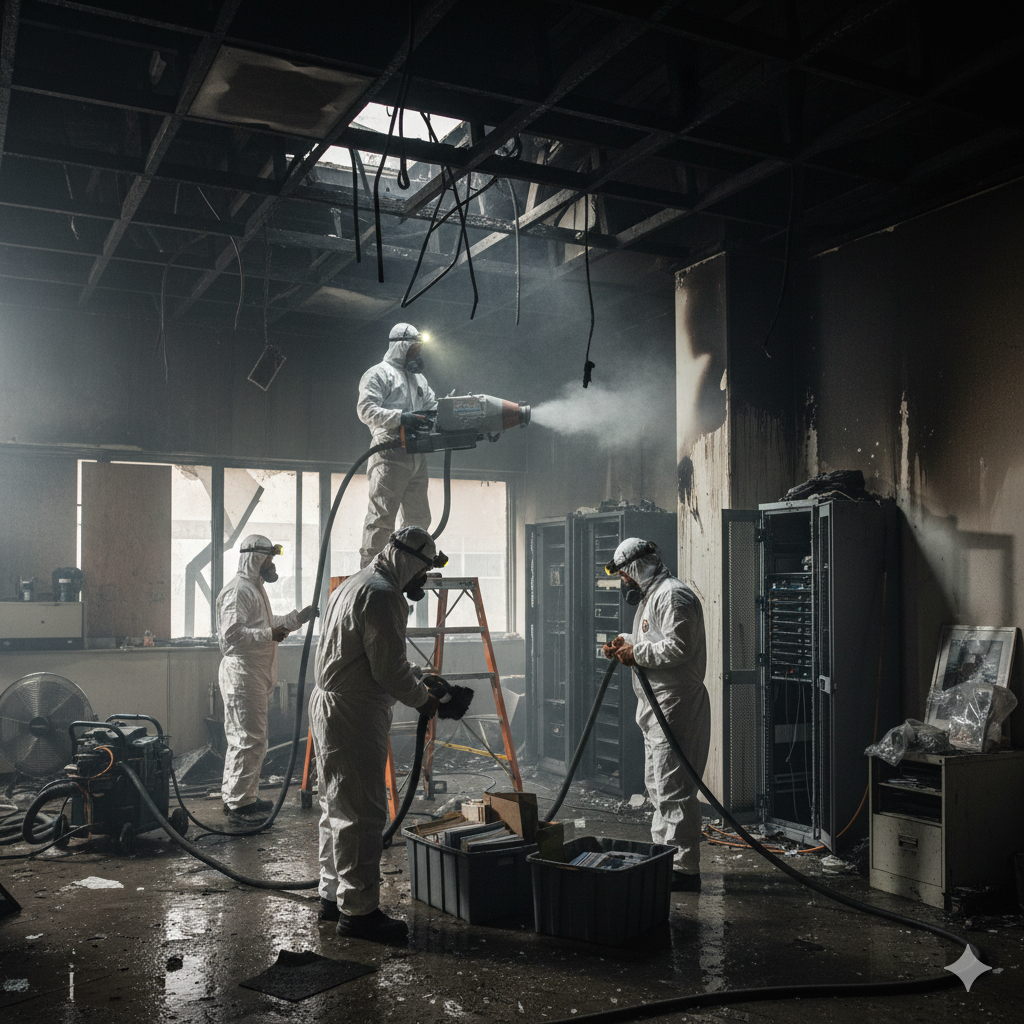
Soot is not just “dust.” It is a highly acidic byproduct that begins to etch and pit surfaces within minutes of contact. On metal fixtures, soot causes rapid oxidation; on stone or marble, it can cause permanent staining. Within hours, the yellowing of porous plastics and the tarnishing of chrome become irreversible if not addressed by professional fire damage restoration services.

The Complexity of Smoke Migration

Smoke is driven by heat and pressure. It seeks out the coolest parts of a building, often traveling through plumbing stacks, electrical conduits, and HVAC systems to settle in areas far removed from the actual fire. This “hidden” smoke is why a property owner might smell a pungent odor in the basement even if the fire was contained to the second floor.

Thermal Shock and Structural Integrity

The intense heat of a fire can reach temperatures that alter the molecular structure of building materials. Steel beams can lose their load-bearing capacity, and masonry can become brittle. Furthermore, the rapid cooling of these materials—often by high-pressure water from fire hoses—can lead to “thermal shock,” causing cracks in foundations or support walls that aren’t immediately visible to the untrained eye.

Navigating the Critical First 48 Hours

In the restoration industry, we refer to the “Golden Hours” of recovery. This is the window where professional intervention can make the difference between a total loss and a successful restoration.

1. Emergency Board-Up and Site Securing

Before any cleaning begins, the property must be secured. Fires often result in broken windows and compromised roofs. Unsecured properties are vulnerable to theft, vandalism, and further weather damage. Establishing a secure perimeter and weather-tight seals is the foundational step in the Redefined Restoration protocol.

2. Moisture Management and Dehumidification

It is a cruel irony that the water used to save a building often causes the most long-term damage. High-volume water saturation leads to warped subfloors, ruined drywall, and the immediate threat of mold growth. Professional fire damage restoration services prioritize water extraction and industrial-grade dehumidification to stabilize the interior climate before secondary damage takes hold.

3. Immediate Corrosion Mitigation

To save high-value electronics, machinery, or heirloom metalwork, a “pre-cleaning” process is necessary. By applying a corrosion inhibitor to these surfaces, restorers can stop the acidic soot from eating through protective coatings while the larger structural issues are being addressed.

fire damage restoration

Sophisticated Odor Neutralization: Moving Beyond “Masking”

One of the most persistent challenges for property owners is the smell of smoke. Many attempt to solve this with store-bought deodorizers or ozone machines rented from local hardware stores. However, smoke odor is a molecular problem, not a surface one.

Thermal Fogging

This process replicates the fire’s behavior. A specialized deodorizer is heated until it becomes a fine mist (fog). This mist penetrates the same porous materials—drywall, insulation, wood framing—that the smoke did, neutralizing the odor at the source rather than just layering a scent over it.

Hydroxyl Generators

In environments where occupants or sensitive materials (like fine art or plants) must remain present, hydroxyl generators are used. These machines use UV light to create atmospheric hydroxyl radicals that break down odor molecules through a natural oxidative process.

Encapsulation

In some instances, particularly with structural framing that remains sound but retains a slight scent, professional restorers use encapsulation. This involves sealing the wood with a specialized vapor-barrier coating that locks in any remaining particulates, ensuring they never off-gas into the living space.

The Nuances of Material-Specific Restoration

Every surface in a modern home or commercial building reacts differently to fire. A blanket approach to cleaning often does more harm than good.

Textiles and Upholstery

Smoke particulates are jagged at a microscopic level. If you attempt to vacuum soot off a sofa with a standard vacuum, you are essentially grinding those shards into the fibers. Professional fire damage restoration services utilize HEPA-filtered extraction and specialized dry-cleaning fluids to lift soot without setting the stain.

Electronics and Data Recovery

The soot from burnt plastic is conductive. If it settles on a circuit board and moisture is present, it can cause a short circuit even after the power is turned back on. Restoring electronics involves precision cleaning with deionized water and specialized solvents in a controlled environment.

Documents and Fine Art

For businesses, the loss of physical records can be catastrophic. Through a process called “freeze-drying” (sublimation), wet and soot-damaged documents can be stabilized. Fine art restoration requires a background in chemistry and art history to ensure that cleaning agents don’t react with the pigments or glazes used by the artist.

Structural Reconstruction: Integrating Restoration and Building

Once the cleaning and decontamination are complete, the focus shifts to reconstruction. This is where the distinction between a “cleaning company” and a full-service restoration partner becomes clear.

Code Compliance and Upgrades

When a building is damaged by fire, the restoration often triggers a requirement to bring the affected areas up to current 2026 building codes. This might include updated electrical panels, fire-rated drywall, or modern insulation standards. A professional restoration team coordinates these updates seamlessly with the rebuild.

Managing the Insurance Claim

The paperwork involved in a fire claim is immense. It requires a detailed “Scope of Work” that accounts for every stud, nail, and gallon of paint. Professional restorers use industry-standard software like Xactimate to ensure that the property owner receives a fair settlement that covers the true cost of returning the property to “pre-loss condition.”

Why Professional Intervention is Non-Negotiable

It is tempting for a property owner to try and manage the cleanup themselves to save on costs. However, the risks of “DIY” fire restoration are significant:

  • Health Hazards: Inhaling fine soot particles can lead to long-term respiratory issues.
  • Structural Failure: Without a professional assessment, you may be living in a building with a compromised foundation or ceiling joists.
  • Voided Warranties: Improper cleaning of appliances or HVAC systems can void manufacturer warranties.
  • Recurring Odors: If the “hidden” smoke isn’t neutralized, the smell will return every time the humidity rises or the heat is turned on.

The Redefined Restoration Difference

When you partner with Redefined Restoration, you aren’t just hiring a contractor; you are enlisting a team of specialists dedicated to the science of recovery. Our approach to fire damage restoration services combines technical precision with deep empathy. We know that we are not just fixing a building; we are restoring a home or a livelihood.

We utilize the latest in 2026 restoration technology, from infrared thermal imaging (to find hidden pockets of heat or moisture) to advanced ultrasonic cleaning for contents restoration. Our goal is to minimize your downtime and maximize the salvageability of your assets.

Conclusion

Fire damage is a trauma for both the building and its occupants. While the immediate aftermath is overwhelming, a systematic, professional approach can turn a site of devastation back into a place of comfort and productivity. The key is acting fast, choosing a partner with structural expertise, and never settling for surface-level cleaning.


The Blueprint for Commercial Recovery: How Top-Tier Water Damage Restoration Companies Protect Chicago’s Economic Assets

water damage restoration companies

For a business owner in the heart of Chicago, the sight of water cascading through a ceiling or saturating a warehouse floor is more than a maintenance headache—it is an existential threat. In the high-stakes environment of commercial real estate, where every hour of downtime translates to thousands of dollars in lost revenue, the decision of which partner to choose among local water damage restoration companies is perhaps the most critical choice a facility manager will make in 2026.

The complexity of the Chicago landscape—ranging from historic Loop skyscrapers with antiquated plumbing to sprawling industrial complexes in the suburbs—requires a level of sophistication that goes far beyond basic water extraction. It requires a partner that understands the intersection of building science, local climate volatility, and the relentless pressure of business continuity.

The 60-Minute Mandate: Why Rapid Deployment is Non-Negotiable in Chicago

In a city defined by its “Polar Vortex” winters and humid Midwestern summers, the window for successful structural drying is exceptionally narrow. Water is an invasive force that begins compromising structural integrity almost instantly. This is why the hallmark of elite water damage restoration companies is their ability to deploy a full-scale response team within minutes, not hours.

Redefined Restoration has built its reputation on a rigorous 60-to-90-minute response time. In the context of a Chicago commercial emergency, this rapid arrival is the difference between a minor localized dry-out and a catastrophic secondary mold event. Whether it is a burst sprinkler line on the 20th floor of a Michigan Avenue office or a failed sump pump in a River North retail basement, the first hour of mitigation dictates the total cost of the claim.

The Physics of Time and Saturation

When water infiltrates a commercial space, it doesn’t just sit on the floor; it migrates. Through capillary action, moisture wicks up gypsum board (drywall), penetrates concrete slabs, and flows through electrical conduits. As the minutes pass:

  • 0–1 Hour: Water spreads to adjacent rooms; sensitive documents and porous materials begin to swell.
  • 1–24 Hours: Metal surfaces begin to tarnish; furniture finishes may bleed; odors start to develop.
  • 24–48 Hours: Microbial growth—specifically mold and mildew—initiates; drywall begins to sag and lose structural stability.

By ensuring technicians arrive prepared and equipped within that critical 90-minute window, businesses can “stop the bleed,” effectively capping the damage before it spreads to structural elements that are difficult and expensive to replace.

Decoding the Commercial Restoration Process: A Technical Deep Dive

Commercial properties present challenges that residential services simply aren’t equipped to handle. From high-voltage electrical considerations to the logistical maze of freight elevators and street parking in the Loop, the process must be surgically precise.

Phase 1: Advanced Structural Assessment and Thermal Imaging

Top-tier water damage restoration companies do not rely on visual inspection alone. Modern building materials can feel dry to the touch while hiding pockets of saturation behind wall cavities or under multi-layered flooring systems.

Certified technicians use non-invasive moisture meters and FLIR thermal imaging cameras. These tools identify “cold spots” where moisture is trapped, allowing for a targeted drying plan that avoids unnecessary demolition. In 2026, this technology has become the standard for professional advocacy, providing the data necessary for clear communication with insurance adjusters and property owners.

Phase 2: High-Capacity Extraction

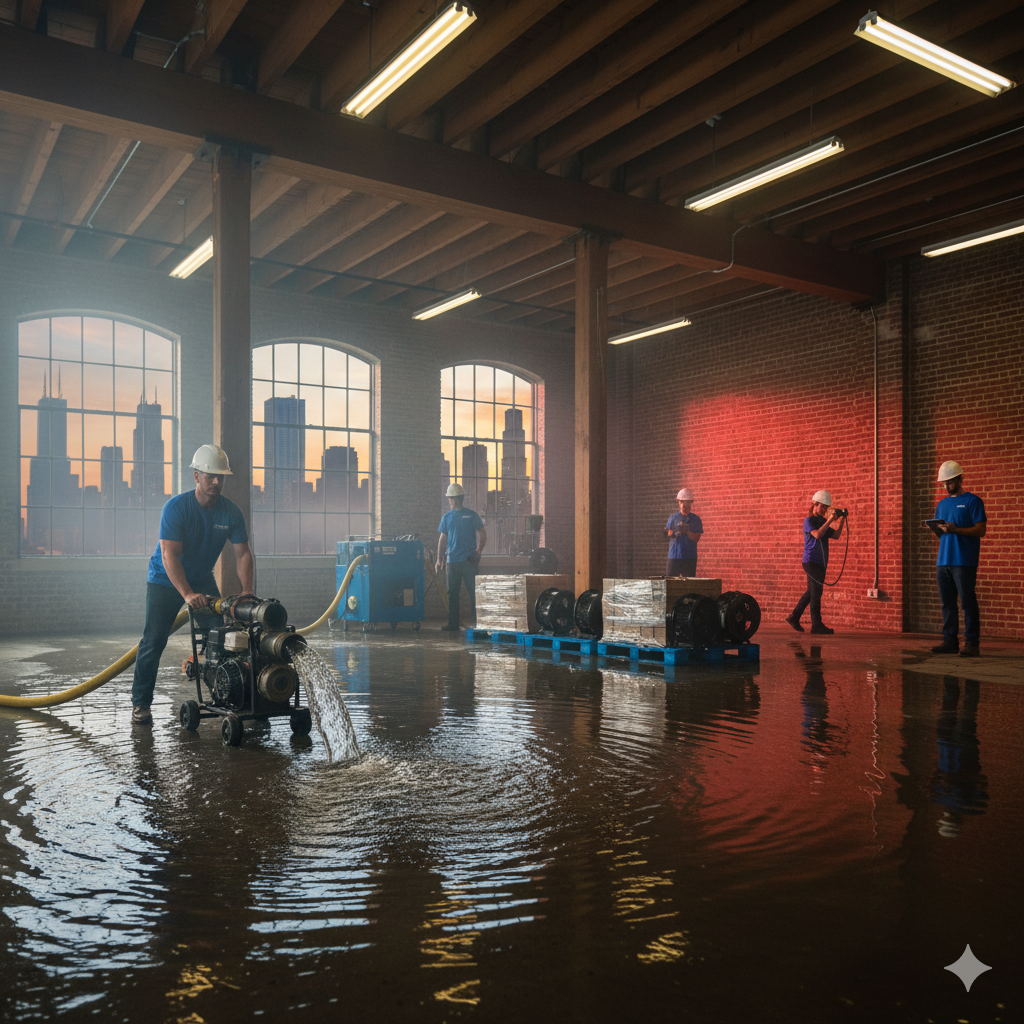
The most efficient way to dry a building is through physical extraction. It is roughly 1,200 times more efficient to pump water out than it is to evaporate it. In a large-scale commercial loss, this requires industrial-grade truck-mounted units and weighted “rovers” that can pull water from deep within industrial carpets and pads.

Phase 3: The Science of Psychrometrics (Structural Drying)

Once the standing water is removed, the “bound” moisture within materials remains. This is where the science of psychrometrics comes into play. Psychrometrics is the study of the thermodynamic properties of moist air.

Elite restoration firms use this science to manipulate:

  1. Temperature: Increasing the temperature of the wet material to speed up evaporation.
  2. Relative Humidity: Using LGR (Low Grain Refrigerant) dehumidifiers to pull moisture from the air, creating a “thirsty” environment that draws water out of the walls.
  3. Airflow: Strategically placing high-velocity air movers to break the “boundary layer” of cool, moist air that clings to wet surfaces.

For a Chicago warehouse during a humid July, this process is vastly different than it would be during a dry January. A professional team adjusts their equipment load based on the local outdoor environment to ensure the building is stabilized as quickly as possible.

water damage restoration

Navigating Chicago’s Unique Property Challenges

Choosing from a pool of water damage restoration companies requires an understanding of who actually knows the city. Chicago’s architecture is magnificent but mechanically complex.

High-Rise Logistics and Water Migration

In high-rise environments, water is a vertical problem. A leak on the 40th floor becomes a disaster for the 39 floors beneath it. Gravity-fed migration through elevator shafts and light fixtures can compromise a building’s entire electrical backbone. Restoration in these spaces requires a team that understands how to coordinate with building security, manage freight elevator schedules, and work within the strict regulations of Chicago’s building codes.

Historic Masonry and “Old World” Infrastructure

Many parts of Chicago, from Old Town to the West Loop, feature historic brick-and-timber construction. These materials are incredibly porous. Once saturated, old-growth timber beams and “Chicago Brick” can hold moisture for weeks if not handled by experts. Standard drying techniques often fail here, requiring specialized heat-drying trailers to drive moisture out of the dense structural members.

Subterranean Hazards in the Windy City

Chicago’s high water table and proximity to Lake Michigan make basements and subterranean parking garages particularly vulnerable. When heavy rain hits, the municipal sewer systems can become overwhelmed. This leads to “Category 3” (Black Water) intrusions, which contain pathogens and require rigorous sanitization protocols beyond mere drying.

The Professional Standard: Experience and Certification as a Safeguard

When researching water damage restoration companies, the “combined years of experience” is not just a marketing stat; it is a measure of the company’s ability to handle the unexpected. Redefined Restoration brings over 40 years of combined field experience to every project. This longevity means the technicians have seen every possible scenario—from frozen pipe bursts during a -30°F wind chill to accidental fire sprinkler discharges in high-tech data centers.

The Importance of IICRC Certification

The Institute of Inspection, Cleaning and Restoration Certification (IICRC) is the governing body for the industry. A reputable firm ensures its staff are IICRC-certified. This certification guarantees that the mitigation follows S500 standards—the professional “bible” for water damage restoration.

Certification ensures that:

  • Safety is Prioritized: Identifying lead, asbestos, or electrical hazards before work begins.
  • Sanitization is Scientific: Using hospital-grade EPA-registered antimicrobials to ensure the space is safe for re-occupancy.
  • Accuracy in Estimating: Providing detailed, line-item documentation that aligns with insurance requirements, facilitating a smoother claims process.

Business Continuity: Minimizing the Impact on Your Bottom Line

For a commercial entity, the cost of the restoration work is often dwarfed by the cost of the business interruption. Top-tier water damage restoration companies understand that their job is to keep your doors open—or get them reopened as fast as possible.

Targeted Containment

In many cases, a professional firm can isolate the damaged area using “zip-wall” systems and HEPA-filtered air scrubbers. This containment allows the unaffected portions of a retail store, office, or restaurant to continue operations while the drying process occurs behind the scenes. This minimizes the “footprint” of the disaster.

24/7/365 Readiness

Disasters do not happen during business hours. A burst pipe on a Sunday at 2:00 AM requires a team that is ready to go immediately. Because Redefined Restoration is locally owned and deeply rooted in the Chicagoland community, their rapid deployment is a cornerstone of their service. They aren’t waiting for a franchise manager to approve a dispatch; they are already on the Dan Ryan or the Kennedy Expressway before the caller has even hung up the phone.

The Insurance Interface: Why Documentation is King in 2026

The financial recovery of a commercial loss is heavily dependent on the quality of documentation provided by the restoration partner. In the complex world of commercial insurance, “if it wasn’t documented, it didn’t happen.”

Modern water damage restoration companies provide a comprehensive “loss folder” for every project, which includes:

  • Initial Assessment Photos: Capturing the extent of the damage before any work begins.
  • Daily Moisture Logs: Proving that the building was returned to a “dry standard.”
  • Equipment Tracking: Justifying the number of air movers and dehumidifiers used.
  • Detailed Inventory: Cataloging salvageable vs. non-salvageable items with professional accuracy.

This level of transparency builds trust not only with the property owner but also with the insurance carrier, often leading to faster claim approvals and fewer disputes.

Protecting the Future: Post-Restoration Resilience

A true partner in restoration doesn’t just clean up the mess; they help prevent the next one. After a site is dried and sanitized, the best water damage restoration companies will conduct a facility walkthrough to identify vulnerabilities.

Common preventative insights for Chicago buildings include:

  • Insulation Upgrades: Identifying areas where pipes are prone to freezing during extreme cold snaps.
  • Sump Pump Redundancy: Recommending battery-backup systems for critical subterranean areas.
  • Smart Water Sensors: Suggesting the installation of IoT-connected sensors that can automatically shut off water mains the moment a leak is detected.

These value-added insights demonstrate a commitment to the long-term health of Chicago’s business community, turning a one-time service provider into a long-term strategic partner.

Conclusion: Why Local Leadership Matters in Restoration

In a city as large and complex as Chicago, “generic” service is a recipe for disaster. The buildings we work in are the backbone of our local economy, and they deserve a level of care that matches their significance.

When searching for the right partner among water damage restoration companies, look for the hallmarks of excellence: a 60-to-90-minute response time, IICRC-certified expertise, industrial-grade equipment, and a 100% satisfaction guarantee.

At Redefined Restoration, we are more than just a cleanup crew. We are a locally owned team with decades of experience protecting the assets of Chicagoland. We understand the stress, the urgency, and the technical requirements of commercial recovery. When disaster strikes, you don’t need a list of questions; you need a team that already has the answers.

Protect your business. Protect your property. Choose a partner that is as deeply rooted in Chicago as your business is.