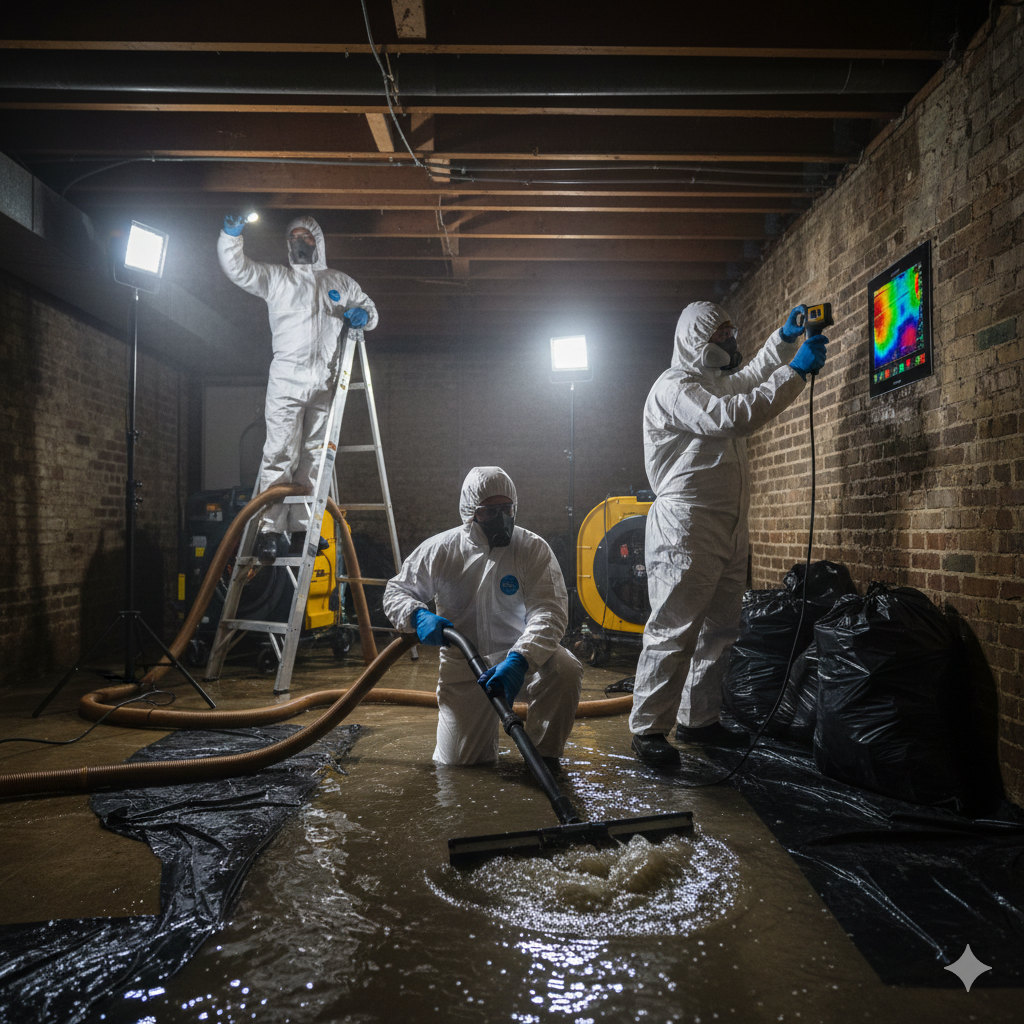
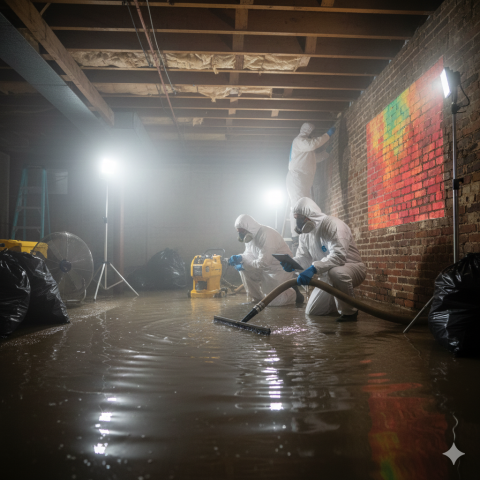
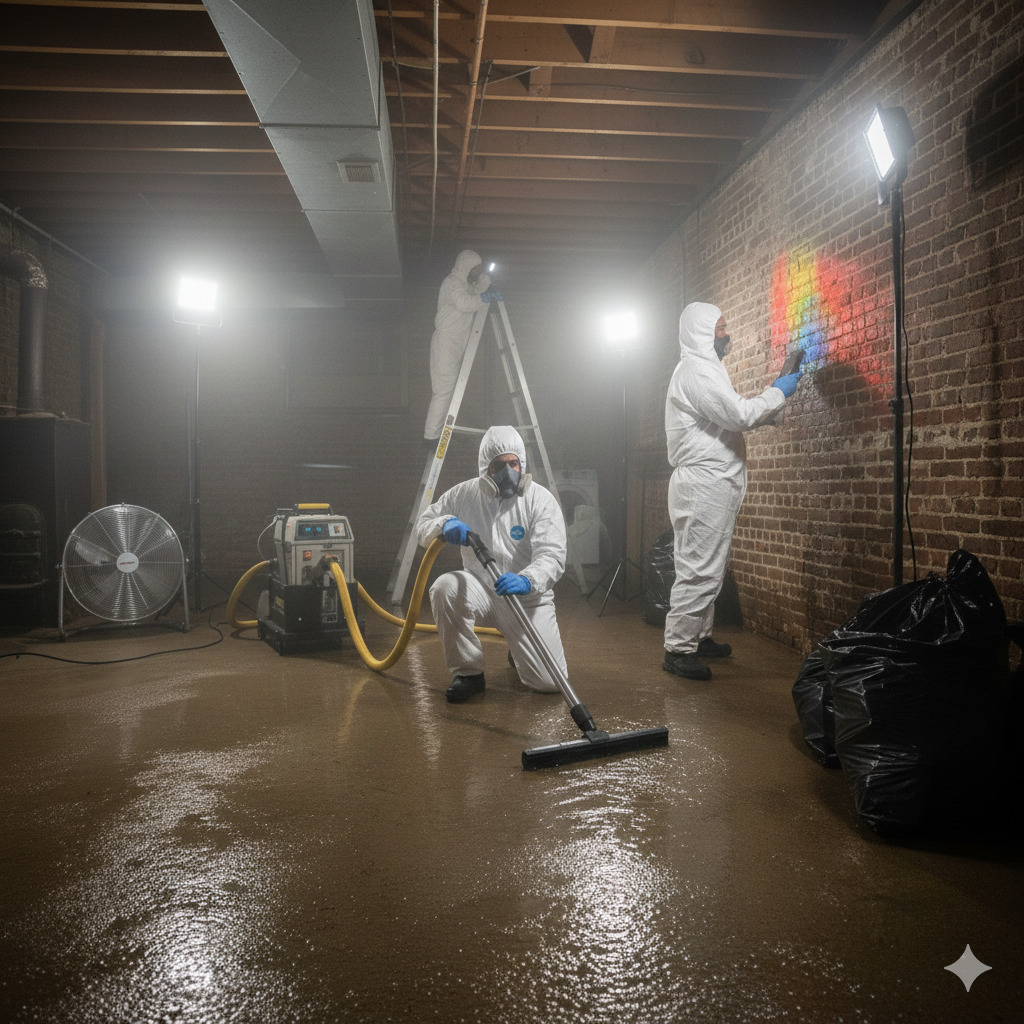
Chicago’s skyline is a testament to architectural resilience, but for the property managers and business owners who maintain these structures, a silent threat often looms larger than the winds off Lake Michigan. Whether it is a burst pipe in a historic Loop high-rise, a failed sump pump in a River North basement, or the aftermath of a rapid thaw following a legendary Midwest deep freeze, water intrusion is a high-stakes emergency. When thousands of square feet of commercial real estate are compromised, the search for water damage restoration companies becomes a race against time, biology, and structural degradation.
The complexity of the Chicago commercial landscape—ranging from sprawling industrial warehouses in the surrounding suburbs to intricate, mixed-use developments in the city center—demands a specialized approach to recovery. Selecting a partner for restoration is not merely about finding someone with a pump; it is about identifying a team that understands the intersection of building science, local compliance, and the immense pressure of business continuity.
The High Cost of Mitigation Delays in the Windy City
In a metropolis like Chicago, the environment is rarely neutral. Our climate, characterized by high humidity in the summer and extreme temperature fluctuations in the winter, creates a volatile backdrop for water damage. When water enters a commercial space, the clock starts ticking on several fronts.
Structural Porosity and Material Integrity
Commercial buildings in Chicago often utilize a mix of vintage masonry and modern steel-and-glass construction. Each material responds differently to saturation. Drywall and ceiling tiles act as sponges, wicking moisture upward and losing structural integrity within hours. In larger facilities, water can travel through elevator shafts, electrical conduits, and HVAC ductwork, turning a localized leak into a multi-floor catastrophe. Professional water damage restoration companies must prioritize rapid extraction to prevent the “secondary damage” that often costs more than the initial repair.
The Microbial Window
Microbial growth—specifically mold and mildew—is not a distant threat; it is an inevitability if moisture is not controlled within 24 to 48 hours. Chicago’s humid summer air provides the perfect incubator for spores. In a commercial setting, mold is not just a property issue; it is a liability and health safety concern for employees and tenants. Mitigating this risk requires more than just drying the air; it requires a scientific approach to psychrometry—the study of air-water vapor mixtures.
What Defines the Elite Water Damage Restoration Companies in Chicago?
When an emergency occurs in 2026, the sheer volume of options can be overwhelming. However, commercial decision-makers must look beyond flashy marketing to find the technical backbone necessary for complex restoration.
IICRC Certification and Technical Pedigree
The gold standard for the industry is the Institute of Inspection, Cleaning and Restoration Certification (IICRC). An elite restoration firm ensures that its technicians are not just laborers, but certified specialists in Water Damage Restoration (WRT) and Applied Structural Drying (ASD). AtRedefined Restoration, this technical proficiency is combined with over 40 years of collective experience, ensuring that the nuances of Chicago’s unique building codes and construction styles are respected during the recovery process.
Professional-Grade Infrastructure
The equipment found in a residential van is often insufficient for a commercial loss. Large-scale emergencies require industrial-strength water extractors, LGR (Low Grain Refrigerant) dehumidifiers, and high-velocity air movers. For Chicago businesses, the ability of a company to scale its response—deploying dozens of units simultaneously to stabilize a multi-story environment—is the difference between a one-week closure and a one-month shutdown.
Local Ownership and Community Accountability
There is a distinct advantage to partnering with locally owned firms. National franchises often face logistical hurdles during regional “catastrophe” events, such as a city-wide freeze. A locally rooted company like Redefined Restoration understands the specific challenges of Chicagoland—from the logistics of parking a response fleet in the West Loop to the intricacies of working with local insurance adjusters who know the area’s property values.
The Strategic Process of Commercial Water Recovery
Understanding the workflow of top-tier water damage restoration companies helps facility managers set realistic expectations and monitor the quality of the work being performed on their site.
1. The Immediate Stabilization Phase
The first hour is critical. Upon arrival, the priority is identifying the source of the water and ensuring the site is safe. This includes electrical lockouts and assessing the “category” of the water. Is it “Category 1” (clean water from a broken supply line) or “Category 3” (grossly contaminated water, such as sewage or “black water”)? The category dictates the entire sanitization protocol and determines what materials can be saved versus what must be discarded.
2. Precision Water Extraction
Modern extraction technology has moved far beyond the shop vac. Weighted extraction tools are used to pull moisture from deep within carpet pads and subfloors. In Chicago’s commercial spaces, where expensive hardwood or specialized flooring is common, these tools can often save materials that were previously considered unsalvageable.
3. Controlled Demolition and Material Removal
A transparent restoration partner will only remove what is necessary. This “dry-in-place” philosophy is preferred, but when materials like insulation or heavily saturated drywall are involved, they must be removed to allow the structural “bones” of the building to breathe. Professionals ensure that these cuts are clean and strategically placed to make the eventual reconstruction faster and more cost-effective.
4. Advanced Dehumidification and Monitoring
This is where the science of restoration is most visible. Technicians use moisture meters and thermal imaging cameras to track the “drying goal.” It isn’t enough for a surface to feel dry to the touch; the internal moisture content of the studs and sills must return to a pre-loss state. In the fluctuating Chicago climate, managing the “vapor pressure” inside a building is essential to prevent moisture from being driven deeper into the walls.
Specialized Challenges in Chicago Commercial Real Estate
Every city has its quirks, but Chicago’s architectural history and climate create specific scenarios that require an expert hand.
High-Rise Logistics and Water Migration
In a skyscraper, water follows gravity. A leak on the 40th floor can impact dozens of tenants below. Elite water damage restoration companies must coordinate with building security, freight elevator operators, and multiple insurance stakeholders simultaneously. Managing the logistics of a high-rise loss requires a level of communication that most residential-focused companies simply cannot provide.
The Chicago “Deep Freeze” and Pipe Bursts
Our winters are legendary, but the real danger comes during the “thaw.” When frozen pipes finally burst, the volume of water released can be staggering. These events often happen simultaneously across the city, stretching the resources of many restoration firms. Having a relationship with a partner that offers a 100% satisfaction guarantee and has a proven track record of rapid response in the Chicagoland area is a vital part of a facility’s disaster preparedness plan.
Mixed-Use and Retail Continuity
For a retail storefront or a restaurant, every hour the doors are closed represents lost revenue and potential brand damage. Restoration in these environments must be discreet, efficient, and often performed during off-hours to minimize the impact on customers. Professional teams focus on “containment”—using HEPA-filtered air scrubbers and physical barriers to keep the rest of the business operational while the affected area is restored.
The Importance of Documentation and Insurance Advocacy
For most commercial entities, the restoration process is as much about paperwork as it is about pumps. The financial recovery of a business depends on the quality of the documentation provided by the restoration company.
A professional firm provides:
Detailed Moisture Maps: Proving that the building was returned to a dry state.
Photo Documentation: Before, during, and after images for every stage of the process.
Standardized Line-Item Estimates: Using industry-standard software like Xactimate to ensure that insurance adjusters have everything they need to process the claim quickly.
Communication Logs: Ensuring all stakeholders—from the property owner to the tenant—are kept informed of the timeline.
By handling the complexities of the claim, Redefined Restoration helps reduce the “stress-tax” that water damage imposes on a business owner, allowing them to focus on their operations rather than the logistics of the loss.
Why “Locally Owned” Matters for Chicago Businesses
When you search for water damage restoration companies, you will find both massive conglomerates and boutique local firms. For the Chicago market, the local option frequently offers superior value.
Rapid Response in a Congested City
Navigating Chicago traffic requires local knowledge. Whether it’s the Kennedy, the Dan Ryan, or side streets in Logan Square, a local team can get boots on the ground faster. In a water emergency, a 30-minute difference in arrival time can save thousands of dollars in flooring and equipment.
Deep Roots and Reputation
A local company survives on its reputation within the community. Unlike a national brand that may rely on a rotating door of subcontractors, a locally owned and operated firm likeRedefined Restoration uses dedicated, IICRC-certified staff who are part of the very neighborhoods they serve. This personal investment leads to a higher standard of care and a commitment to excellence that is often missing from larger, impersonal organizations.
Long-Term Resilience: Beyond the Initial Restoration
The goal of restoration is to return a property to its “pre-loss condition,” but a true partner looks forward. After the drying is complete, the best water damage restoration companies help their clients identify vulnerabilities. Was the leak caused by an aging pipe? Was it a lack of insulation in a plenum space?
In 2026, building owners are increasingly focused on “hardening” their assets against future water loss. This includes:
Smart Water Sensors: Installing IoT-connected devices that can shut off water mains the moment a leak is detected.
Upgraded Sump Systems: Especially for properties in flood-prone areas near the Chicago River or lower-lying suburbs.
Regular Facility Audits: Identifying “silent leakers” before they become catastrophic bursts.
Conclusion: Securing Your Property’s Future
Water damage is an intrusive, destructive force, but it does not have to be the end of your business’s success story. The difference between a minor setback and a permanent closure often comes down to the quality of the partnership you forge in the aftermath of a loss.
For Chicago businesses, the choice of a restoration partner should be based on a proven track record, technical certification, and a deep understanding of the local environment. When the unexpected happens, you need a team that combines the precision of modern building science with the urgency of a neighbor.
Protecting a commercial asset in the Chicagoland area requires vigilance and a ready-to-act plan. By choosing a team with over four decades of combined experience and a relentless focus on customer satisfaction, you ensure that your property—and your livelihood—is in the most capable hands.
When the temperature drops below zero on a January night in Hyde Park or a sudden spring deluge overwhelms the infrastructure near River North, the integrity of a property is immediately at risk. Water is a patient destroyer. In the context of Chicago’s unique urban landscape—ranging from historic greystones to modern glass high-rises—a water intrusion is not merely a mess to be mopped; it is a complex biological and structural emergency.
Securing a professional water damage restoration service in 2026 requires more than just calling a contractor with a shop-vac. It requires a partner who understands the specific atmospheric demands of the Midwest, the technical rigors of high-capacity drying, and the intricate bureaucracy of the insurance industry. For property owners, the goal is not just to “get the water out,” but to ensure that the building remains structurally sound and biologically safe for years to come.
The Physics of a Flooded Environment
Water damage is progressive. To understand why professional intervention is necessary, one must look at the physics of how moisture interacts with common Chicago building materials. When a pipe bursts or a foundation fails, water moves from areas of high concentration to low concentration through capillary action and vapor pressure.
The Porosity Factor
In many Chicago neighborhoods like Logan Square, older homes feature lath-and-plaster walls and solid oak flooring. These materials are highly porous. Unlike modern drywall, which can often be “cut and tossed,” historic materials require a specialized drying approach to prevent permanent warping or “cupping.” A professional water damage restoration service utilizes moisture mapping—using non-penetrating meters and thermal imaging—to track exactly how deep the water has traveled into the “skeletal” components of the house.
Secondary Damage and Humidity
As water sits, it evaporates into the air, raising the relative humidity (RH) of the indoor environment. When RH exceeds 60%, secondary damage begins. This manifests as peeling wallpaper, sagging ceilings in rooms far from the original leak, and the activation of dormant mold spores. Professional restoration is essentially a battle against the “dew point,” using industrial-grade dehumidification to pull moisture out of the air faster than the materials can release it.
The Logistics of a Chicago Emergency: 60-Minute Response Realities
In a city defined by its traffic and density, the speed of arrival is a primary indicator of a successful outcome.Redefined Restoration has built its operational model around the “Chicago hour”—the understanding that an emergency in the Loop requires different logistics than one in the quiet suburbs.
Why the First 90 Minutes Matter
Within the first hour of a major water event, wood finishes begin to swell and dyes from rugs can permanently stain flooring. By the 90-minute mark, the saturation of insulation begins to compromise the R-value of the walls, a critical concern during a Chicago winter. By dispatching IICRC-certified crews equipped with high-capacity pumps immediately, the goal is to shift the property from a “state of loss” to a “state of stabilization” before the next business day begins.
Neighborhood-Specific Challenges
Every Chicago neighborhood presents different structural hurdles:
The Loop & River North: High-rise water damage often involves “vertical migration,” where a leak on the 20th floor affects a dozen units below. This requires coordination with building engineers and the use of portable, high-efficiency equipment that fits into service elevators.
Hyde Park & Historic Districts: Vintage plumbing and thick masonry walls require slower, more controlled drying to prevent “over-drying,” which can cause antique wood to crack.
Lakefront Properties: Seepage from high water tables near Lake Michigan requires constant extraction and heavy-duty sanitization to combat the microbes found in lake-proximate groundwater.
Strategic Advocacy: Navigating the Insurance Claim Process
For most Chicago homeowners, the financial burden of a flood is as stressful as the physical cleanup. One of the most significant advantages of hiring an established water damage restoration service is the administrative support provided during the claims process.
The Role of the Dedicated Project Manager
AtRedefined Restoration, the technical work is only half the battle. We assign a dedicated Project Manager to every loss. This individual acts as the primary point of communication between the homeowner and the insurance adjuster. Rather than the homeowner trying to explain “wicking” or “microbial growth” to an adjuster, the Project Manager provides a professional, documented scope of work that speaks the language of the insurance industry.
Industry-Standard Documentation
Insurance companies require specific “proof of loss” to approve a claim. In 2026, this documentation has become highly technical. It includes:
Moisture Logs: Daily readings showing the progression of the drying process.
Psychrometric Charts: Calculations of temperature and humidity that prove the drying environment was managed according to IICRC protocols.
Photographic Evidence: “Before, during, and after” photos of every affected area, including hidden spaces like wall cavities and subfloors.
Direct Billing: Simplifying the process by submitting industry-standard estimates directly to major carriers, which often results in faster settlements and less out-of-pocket stress for the client.
The Technical Execution: Phases of Professional Restoration
A professional water damage restoration service follows a rigorous, scientific sequence. Skipping a step in this process is what leads to “recurrent mold” or “mystery smells” months after the event.
Phase 1: Extraction and Physical Removal
The most efficient way to dry a building is to remove water in its liquid state. We use truck-mounted extraction units that are exponentially more powerful than a standard wet-vac. This phase isn’t just about the floor; it’s about extracting moisture from carpet padding and deep within upholstery.
Phase 2: Sanitization and Antimicrobial Application
In Chicago, water damage is rarely “clean.” Even a broken freshwater pipe becomes “gray water” once it touches a dusty floor or travels through a wall cavity. We apply EPA-approved, hospital-grade antimicrobials to prevent the “amplification” of mold and bacteria. This is especially vital in basement floods near Lake Shore Drive, where groundwater may carry urban contaminants.
We utilize Low Grain Refrigerant (LGR) dehumidifiers. Unlike standard units, LGR dehumidifiers are designed to continue removing water vapor even when the air is already quite dry. In the high-density environment of a Chicago apartment, this is the only way to ensure that moisture is pulled from deep inside the wooden studs and sill plates.
Phase 4: Controlled Airflow and Temperature Management
Air movers are not just “fans.” They are strategically placed to create a vortex of high-velocity air that breaks the “boundary layer” of moisture on surface materials. By controlling the temperature of the room, we maximize the air’s ability to hold vapor, which the dehumidifiers then remove.
Longevity and Value: Why Technical Accuracy Matters
A house is often a Chicagoan’s most significant asset. Cutting corners on awater damage restoration service can result in a permanent decrease in property value.
Avoiding the “Mold Disclosure” Trap
When you sell a home in Illinois, you are often required to disclose past water damage and mold remediation. A professionally managed restoration—complete with a “Certificate of Dryness” and third-party lab testing if necessary—is a valuable asset during a real estate transaction. It proves to future buyers that the issue was handled with technical accuracy and that the structural integrity was never compromised.
Preserving Structural Materials
“Dry rot” is a misnomer; wood rot requires moisture. When water is left in the subfloor or the bottom plate of a wall, it invites wood-decaying fungi. Over time, this can lead to sagging floors and compromised load-bearing walls. Professional drying ensures the moisture content (MC) of the wood is returned to its “dry standard”—typically between 8% and 12% for the Chicago climate.
Frequently Asked Questions in the Field
While we do not list these as a Q&A, these points address the primary concerns we hear from Chicago property owners every day.
Can I just dry it myself with fans?
The short answer is: you can dry the surface, but you cannot dry the structure. Household fans move air, but they do not remove moisture from the environment. Without industrial dehumidification, you are simply moving wet air around, which often results in mold growth on the ceiling or inside the walls. Furthermore, without professional moisture meters, you have no way of knowing if the water has reached the insulation or the subfloor.
Is the smell permanent?
The “musty” odor associated with water damage is actually the off-gassing of mold or bacteria. If the restoration is handled correctly—including deep sanitization and the use of HEPA air scrubbers—the smell will not be permanent. However, if the water is allowed to sit for more than 48 hours, the odor can permeate porous materials like drywall and wood, requiring more aggressive “odor counteraction” treatments.
How do I know when it’s truly dry?
“Dry” is a scientific measurement, not a feeling. We use “moisture points” and comparison readings from dry parts of the building. We do not remove our equipment until the readings show that the affected materials have reached equilibrium with the rest of the home. This data-driven approach is what allowsRedefined Restoration to offer a 100% satisfaction guarantee.
Chicago’s Seasonal Vulnerabilities: What to Watch For
Our local climate in 2026 continues to present seasonal challenges that require property owners to remain vigilant.
Winter (The Freeze-Thaw Cycle): Pipes in Chicago often freeze not because the whole house is cold, but because a tiny draft in the basement or an outer wall lets in a “jet” of sub-zero air. If you see a faucet with a reduced flow during a cold snap, it is a sign of an impending burst.
Spring (Overloaded Sewer Systems): Chicago’s combined sewer system can become overwhelmed during heavy rains, leading to “backflow” into basements. This water is Category 3 (highly contaminated) and requires immediate professional extraction and heavy sanitization.
Summer (High Humidity and AC Failures): High-rise buildings often see water damage from air conditioning condensate lines that clog, leading to water dripping behind walls for weeks before it is noticed.
Building a Relationship of Trust
Redefined Restoration was founded on the principle that property owners deserve transparency during a crisis. In an industry where “storm chasers” often appear after a disaster, we take pride in our deep local roots and our 15 years of Chicago experience.
Trust is built through:
Transparent Pricing: No hidden “emergency fees” that aren’t explained upfront.
Professional Conduct: Crews that respect your property, use floor protection, and maintain a clean job site.
Technical Authority: Technicians who can explain the why behind every piece of equipment they place in your home.
Accountability: Standing behind our work with documented proof of dryness and a commitment to your total satisfaction.
Conclusion: Turning the Tide on Water Damage
A water loss is a disruption, but it does not have to be a permanent tragedy. By choosing a water damage restoration service that prioritizes rapid local response, scientific drying protocols, and aggressive insurance advocacy, you are taking the most important step toward protecting your Chicago property.
The “Redefined” approach is about more than just drying a floor; it is about restoring the rhythm of your life and the safety of your home. Whether you are dealing with a burst pipe in a Logan Square bungalow or a major commercial flood in River North, remember that the clock is ticking. Professional help is not just an option—it is the difference between a minor repair and a total structural loss.
If you are facing a water emergency in Chicago today, don’t wait for the damage to become permanent. Contact a team that understands the city, the science, and the stakes.
Imagine returning to your River North loft or your family home in Logan Square after a long weekend, only to be met by the unmistakable, heavy scent of damp drywall and the sound of a slow, persistent drip. In the high-stakes environment of Chicago real estate, water is a silent predator. Whether it is a frozen pipe that finally gave way during a January deep freeze or a basement surge following a torrential Midwestern spring rain, the clock begins ticking the moment moisture meets your structural materials.
For property owners in 2026, understanding the mechanics of water damage restoration is not merely about cleanup; it is about preservation, liability mitigation, and the technical precision required to return a building to a pre-loss condition. This isn’t a task for a shop-vac and an open window. In a city where humidity levels fluctuate wildly and historic architecture meets modern high-rises, the restoration process requires a sophisticated blend of thermodynamics, microbiology, and structural engineering.
The Critical Window: Why Minutes Matter in Chicagoland
In the restoration industry, we often speak about the “Golden Hours”—the first 24 to 48 hours following a water intrusion. This is the period during which damage can still be contained. Beyond this window, a Category 1 loss (clean water from a broken pipe) can rapidly degrade into a Category 3 loss (highly contaminated water) due to the proliferation of microbial growth and the chemical breakdown of building materials.
In Chicago, geography plays a significant role in response times. Traffic congestion on Lake Shore Drive or the Danbury can turn a minor leak into a major flood if your restoration partner is coming from the far suburbs. This is whyRedefined Restoration prioritizes a logistical model that allows for an emergency arrival within 60 to 90 minutes for most neighborhoods. When high-capacity pumps and IICRC-certified crews arrive on the scene quickly, the “wicking” effect—where water travels up drywall and into wooden studs—is significantly curtailed.
The Physics of Absorption
Water doesn’t just sit on the floor; it seeks equilibrium. Through capillary action, moisture moves into porous materials like gypsum board, hardwood, and concrete. In Hyde Park, where many homes feature vintage lath and plaster, this absorption can lead to structural sagging or the permanent warping of historical architectural details. Professional water damage restoration stops this progression by creating a controlled environment that encourages evaporation faster than the material can absorb the liquid.
Chicago’s Unique Challenges: From Deep Freezes to Lakefront Seepage
Chicago’s climate is uniquely hostile to plumbing and structural integrity. Our seasoned technicians have spent over 15 years witnessing the specific ways water destroys property in the Windy City.
The “Big Freeze” and Burst Pipes
Winter in Chicago isn’t just a seasonal shift; it’s a structural stress test. When temperatures plummet, the water inside poorly insulated pipes in outer walls can freeze, expand, and exert thousands of pounds of pressure per square inch. When that pipe inevitably bursts, the resulting flood is often high-volume and high-pressure. Restoration in these conditions requires more than just water extraction; it requires managed heating to ensure that the drying equipment can operate effectively in sub-zero ambient temperatures.
Basement Flooding and Lake Level Pressures
For properties near Lake Shore Drive or in lower-lying areas, hydrostatic pressure is a constant concern. When the ground becomes saturated, water is pushed through foundation cracks or up through floor drains. This water is rarely “clean.” It often carries silt, urban runoff, and potential pathogens. Dealing with basement floods in 2026 requires a high degree of technical accuracy in sanitization, ensuring that the space is not just dry, but also biologically safe for habitation.
The Technical Phases of Professional Restoration
A comprehensivewater damage restoration project is a multi-stage operation. Each phase must be documented and executed with precision to satisfy both building safety codes and insurance requirements.
Phase 1: Emergency Assessment and Documentation
Upon arrival, the first priority is safety—identifying electrical hazards and gas leaks. Following safety protocols, the crew begins a moisture mapping process. Using non-penetrating moisture meters and thermal imaging cameras, technicians identify the hidden migration of water behind tiles or under laminate flooring. This data is critical for the Project Manager, who manages the communication with your insurance provider, ensuring that every destroyed square foot is accounted for in the claim.
Phase 2: High-Volume Extraction
The most efficient way to dry a building is to remove water in its liquid state. We utilize industrial-grade, truck-mounted extraction units and high-capacity submersible pumps. This is particularly vital in large-scale commercial losses or flooded basements where thousands of gallons may be present. Every gallon pumped out is a gallon that doesn’t have to be evaporated, saving days of drying time.
Phase 3: Stabilizing the Environment (Dehumidification)
Once standing water is gone, the air becomes the enemy. High humidity in a closed space will lead to secondary damage—mold growth on ceilings, the peeling of wallpaper, and the “cupping” of expensive hardwood floors. By deploying LGR (Low Grain Refrigerant) dehumidifiers, we pull moisture out of the air, creating a “thirsty” environment that draws deep-seated water out of the building’s skeleton.
Phase 4: Controlled Evaporation and Airflow
Large axial air movers are positioned strategically to create a vortex of high-velocity airflow across wet surfaces. This disrupts the stagnant “boundary layer” of saturated air sitting on surfaces, accelerating the transition of water from liquid to vapor. In Chicago’s high-rise apartments, where natural ventilation is often impossible, these mechanical systems are the only way to ensure structural drying.
Beyond the Surface: Hidden Dangers and Long-Term Health
One of the most common mistakes property owners make is assuming a space is “dry” because it feels dry to the touch. This misconception is where the most expensive long-term damage occurs.
Structural Integrity and “Dry Rot”
Wood that remains at a moisture content above 16-20% for an extended period becomes a breeding ground for wood-decay fungi. Over time, this weakens floor joists and wall studs. Professional water damage restoration involves “drying to a standard,” which means measuring the moisture content of the wood against a “dry goal” established from an unaffected area of the building.
The Mold Threshold
In the humid summers of Chicago, mold spores can begin to colonize in as little as 24 hours. Once mold is established in the paper backing of drywall or the fibers of carpet padding, simple drying is no longer enough; remediation and demolition of affected materials become necessary. Rapid response from a team likeRedefined Restoration is designed specifically to beat this microbial clock.
Navigating the Insurance Maze in 2026
Water damage is almost always an unplanned expense. For many, the financial stress is as significant as the physical damage. A hallmark of a professional restoration firm is their ability to act as a liaison between the property owner and the insurance company.
The Role of the Project Manager
When you engage a professional service, you aren’t just hiring technicians; you are hiring a Project Manager. This individual is responsible for documenting the loss using industry-standard software like Xactimate. They provide the itemized “proof of loss” that insurance adjusters require to process a claim efficiently. By offering 100% satisfaction guarantees and maintaining transparent communication, a restoration partner reduces the “friction” of the claims process.
Mitigating Secondary Damage
Insurance policies generally include a “Duty to Mitigate” clause. This means the policyholder is required to take reasonable steps to prevent further damage after a loss occurs. Hiring a professionalrestoration team immediately is considered a primary step in mitigation. If a homeowner waits several days to call for help, an insurer may argue that the resulting mold or structural rot was preventable and, therefore, not covered.
Choosing a Restoration Partner in Chicago
Not all restoration companies are created equal. When evaluating providers for water damage restoration, property owners should look for specific indicators of professional authority:
IICRC Certification: The Institute of Inspection, Cleaning and Restoration Certification is the industry’s gold standard. It ensures that the technicians on your property are trained in the latest scientific drying methods.
Local Testimonials: A company’s reputation in neighborhoods like River North or Logan Square is a testament to its ability to handle the local infrastructure.
Availability of Specialized Equipment: Ask if the company owns their own high-capacity pumps and HEPA air scrubbers. Subcontracting these items can lead to delays that your property cannot afford.
Insurance Coordination: A firm that refuses to work directly with your insurer may leave you with a massive out-of-pocket bill and the headache of reimbursement.
The Path to Recovery: What to Expect
The restoration process can be intrusive. Expect the presence of loud machinery (dehumidifiers and fans) that must run 24/7 until the drying goals are met. Expect technicians to return daily to take moisture readings and adjust equipment. While this may be a temporary inconvenience, it is a surgical necessity to prevent the permanent loss of your property’s value.
In 2026, the technology behindRedefined Restoration allows for faster, quieter, and more efficient drying than ever before. However, the fundamental principle remains the same: the faster the response, the better the outcome.
Restoration vs. Reconstruction
Once the “dry-out” is complete, the restoration phase ends and the reconstruction phase begins. This may involve hanging new drywall, painting, or installing new flooring. By ensuring the “bones” of the house are perfectly dry before these finishing touches are applied, you guarantee that you aren’t just covering up a problem that will resurface as mold or rot in six months.
Conclusion: Protecting Your Chicago Investment
Water damage is an emotionally and physically taxing event. Whether you are a business owner in the Loop or a homeowner in the suburbs, the threat of water intrusion is a reality of urban living in a four-season climate. By understanding the phases of water damage restoration and the importance of a rapid, 60-90 minute local response, you can transform a potential disaster into a manageable repair.
The goal of professional restoration is to restore not just your property, but your peace of mind. In 2026, don’t leave your most valuable asset to chance. When the water rises, ensure you have a team backed by 15 years of Chicago experience, the right certifications, and the high-capacity equipment required to win the battle against moisture.
Water damage can strike without warning, turning your home or business into a crisis situation within minutes. Whether it’s a burst pipe during Chicago’s harsh winters, a flooded basement after heavy rainfall, or a sewage backup, the consequences can be devastating if not addressed immediately. The key to minimizing damage and preventing long-term problems like mold growth and structural deterioration is having a trusted, professional water damage restoration partner ready to respond at a moment’s notice.
At Redefined Restoration, your trusted Chicago damage restoration partner, we understand the urgency and stress that comes with water damage. With over 40 years of combined team experience and IICRC certification, we’ve been serving residential and commercial properties throughout Chicagoland—from the high-rises of River North and the bustling West Loop to the brownstones of Lincoln Park and family homes in Hyde Park. Our comprehensive approach to water damage restoration ensures that every aspect of your property is properly assessed, treated, and restored to its pre-loss condition.
Emergency Response: Your First Line of Defense
When water damage occurs, every minute counts. Redefined Restoration maintains 24/7 emergency availability throughout Chicago, IL, with response times of 60 to 90 minutes for urgent situations. This rapid response is critical because standing water can cause structural damage, electrical hazards, and mold growth within just 24 to 48 hours.
Our emergency crews are fully equipped with professional-grade equipment and trained to handle the most challenging situations. Whether you’re dealing with a burst pipe near the Willis Tower in downtown Chicago, water intrusion in a West Loop warehouse, or a flooded basement in a Lincoln Park residence, our IICRC-certified technicians arrive ready to take immediate action. We work directly with insurance adjusters to document every step of the mitigation process, ensuring that your claim is properly supported and processed efficiently.
The emergency response process begins the moment you call. Our team will ask critical questions about the water source, the affected areas, and any safety concerns. We then dispatch the nearest available crew with extraction equipment, dehumidifiers, and air movers to begin the mitigation process immediately. This swift action prevents further damage and sets the foundation for successful restoration.
Water Extraction and Removal Services
Professional water extraction is far more than simply mopping up visible water. Our technicians use industrial-grade equipment to remove standing water from affected areas, including water that has penetrated into walls, flooring, and subflooring. This comprehensive approach is essential for preventing hidden moisture problems that can lead to mold growth and structural damage.
We utilize state-of-the-art water extraction equipment that can remove thousands of gallons per hour, depending on the severity of the situation. Our team assesses the water source—whether it’s clean water from a burst pipe, gray water from appliances, or black water from sewage backups—and applies the appropriate extraction and treatment protocols. For example, sewage cleanup requires specialized procedures to ensure complete sanitation and prevent health hazards.
In neighborhoods like Pilsen, where humid basements are common, and in areas prone to Lake Michigan flooding near Navy Pier, we’ve developed specialized expertise in handling water removal from challenging spaces. Our thermal imaging technology allows us to identify moisture in areas that aren’t visibly wet, ensuring that no hidden pockets of water are left behind to cause problems later.
Structural Drying and Moisture Mapping
After water extraction, the drying phase is crucial. Structural drying involves using professional-grade dehumidifiers and air movers to reduce moisture levels in walls, floors, ceilings, and other building materials. This process typically takes several days to weeks, depending on the extent of the water damage and the materials involved.
Our team uses advanced moisture detection technology, including hygrometers and thermal imaging, to map moisture distribution throughout your property. This scientific approach ensures that we’re not just drying the visible surfaces but also addressing moisture deep within structural elements. We monitor moisture levels continuously throughout the drying process and adjust equipment placement and settings to optimize drying efficiency.
For commercial properties in the Loop or retail spaces near Wrigleyville, structural drying must be completed without disrupting business operations. We develop phased drying strategies that allow businesses to resume operations as quickly as possible while still ensuring thorough, code-compliant restoration. Our project managers coordinate with building management to minimize downtime and maintain normal operations during the restoration process.
Mold Prevention and Remediation
One of the most serious consequences of water damage is mold growth. Mold can begin developing within 24 to 48 hours of water exposure, and it poses significant health risks, particularly for people with respiratory conditions or compromised immune systems. Redefined Restoration’s comprehensive approach includes aggressive mold prevention measures as part of our initial mitigation efforts.
During the water extraction and drying phases, we apply antimicrobial treatments to affected surfaces to inhibit mold growth. Our IICRC-certified technicians follow industry-leading protocols for mold prevention, ensuring that your property doesn’t develop secondary mold problems after the initial water damage is addressed. If mold is discovered during the restoration process, we have the expertise to handle complete mold remediation, including containment, removal, and preventive treatment.
In Chicago’s humid climate, particularly in neighborhoods like Uptown where storm damage can create moisture problems, proactive mold prevention is essential. We educate our clients about post-restoration maintenance to prevent future mold issues, including proper ventilation, humidity control, and regular inspections of vulnerable areas.
Sewage Cleanup and Biohazard Remediation
Sewage backups and contaminated water situations require specialized handling due to the serious health hazards involved. Our team is trained and equipped to handle sewage cleanup safely and thoroughly, following all regulatory requirements and industry standards. Sewage contains harmful bacteria, viruses, and pathogens that require professional remediation.
When addressing sewage backups in residential areas throughout Chicagoland, we implement comprehensive containment procedures to prevent cross-contamination. We remove contaminated materials, apply antimicrobial treatments, and ensure complete sanitation of affected areas. Our team uses personal protective equipment and follows strict safety protocols to protect both your property and our technicians during the remediation process.
For commercial properties, sewage cleanup must be handled with minimal disruption to operations. We coordinate with facility managers and health departments to ensure compliance with all regulations while restoring your property to safe, sanitary conditions as quickly as possible.
Commercial Water Damage Restoration
Commercial water damage presents unique challenges that require specialized expertise and project management. Redefined Restoration has extensive experience handling water damage in diverse commercial settings throughout Chicago, from retail storefronts to office buildings and industrial warehouses.
Our commercial restoration services include rapid assessment of mitigation needs, deployment of scalable crews that can be sized to match the scope of the project, and comprehensive project management to ensure timely completion. We understand that business interruption is costly, so we work efficiently to minimize downtime while maintaining the highest standards of restoration quality.
For office buildings in the Loop, retail spaces near Wrigleyville, or warehouses in the West Loop, we provide detailed project timelines and regular communication updates. Our team coordinates with building management, insurance adjusters, and other stakeholders to ensure that everyone is informed about progress and next steps. We handle everything from initial mitigation through final reconstruction, including code compliance verification and final inspections.
Full Reconstruction and Restoration
Once water extraction and drying are complete, reconstruction brings your property back to its pre-loss condition. This phase may include replacing damaged drywall, flooring, insulation, and other building materials. Our team has the expertise to handle complete reconstruction projects, from small repairs to extensive rebuilding efforts.
We’ve successfully completed reconstruction projects in diverse Chicago neighborhoods, from condominium water intrusion near the Willis Tower to residential homes throughout Lincoln Park and Hyde Park. Our reconstruction work is performed by skilled craftspeople who understand the importance of matching existing materials and finishes to maintain your property’s appearance and value.
All reconstruction work is performed to code compliance standards, with final inspections to ensure that your property meets all applicable building codes and regulations. We provide a workmanship warranty on all reconstruction work, giving you confidence that your property has been restored properly and will serve you reliably for years to come.
Insurance Coordination and Claims Management
Navigating the insurance claims process can be overwhelming, especially when you’re dealing with the stress of property damage. Redefined Restoration simplifies this process by handling direct coordination with all major insurance carriers on your behalf. Our certified technicians conduct thorough assessments and create detailed estimates that document the full scope of damage and necessary restoration work.
Our dedicated project managers guide you through every step of the claims process, from initial claim initiation through final sign-off. We submit all required documentation to your insurance company, communicate directly with adjusters, and advocate on your behalf to ensure that your claim is processed fairly and completely. This comprehensive support means you can focus on other priorities while we handle the technical and administrative details of your restoration project.
We work with all major insurance carriers and understand the specific requirements and processes for each company. Our transparent upfront estimates provide clear pricing information, and we maintain detailed documentation throughout the restoration process to support your insurance claim and ensure complete reimbursement.
Specialized Equipment and Technology
Professional water damage restoration requires specialized equipment that goes far beyond what homeowners can access. Our team utilizes professional-grade dehumidifiers, air movers, thermal imaging cameras, and moisture detection equipment to ensure thorough and efficient restoration.
Thermal imaging technology is particularly valuable because it allows us to identify moisture in areas that aren’t visibly wet. This capability is essential for detecting water that has penetrated into wall cavities, under flooring, and in other hidden spaces where mold can develop if left untreated. Our hygrometers provide precise moisture readings that guide our drying strategy and help us determine when drying is complete.
Industrial extraction equipment removes water far more efficiently than standard equipment, reducing the overall drying time and minimizing the risk of secondary damage. Our team has the expertise to deploy this equipment strategically throughout your property to optimize water removal and drying efficiency.
Local Expertise and Community Connection
Redefined Restoration is a deeply rooted Chicagoland business located at 2924 W Armitage Ave in Logan Square, with over 40 years of combined experience serving our community. This local presence means we understand the specific challenges and needs of Chicago properties, from the harsh winter conditions that can cause burst pipes to the humidity and flooding issues common in certain neighborhoods.
We’ve developed specialized expertise in addressing neighborhood-specific challenges. For example, we understand the rapid freeze-thaw cycles near Lake Shore Drive that can cause pipes to burst, the humidity issues common in basements throughout Pilsen, and the storm damage patterns that affect roofs in Uptown. This deep local knowledge allows us to provide more effective solutions tailored to Chicago’s unique climate and building characteristics.
Our commitment to the community extends beyond technical expertise. We pride ourselves on honest pricing, respectful service, and building lasting relationships with our clients. When you hire Redefined Restoration, you’re working with neighbors who care about your community and are dedicated to helping you recover from water damage quickly and completely.
Why IICRC Certification Matters
Our IICRC certification is a testament to our commitment to industry-leading standards and best practices. The Institute of Inspection, Cleaning and Restoration Certification sets rigorous standards for water extraction, structural drying, and mold remediation. Our certified technicians have completed comprehensive training in these specialized areas and demonstrate expertise that is recognized and respected throughout the restoration industry.
This certification means that when you hire Redefined Restoration, you’re choosing a level of professionalism and quality that meets or exceeds industry standards. Our training and certification ensure that we’re using the most current techniques and best practices, and that our team members have the knowledge and skills necessary to handle even the most challenging water damage situations.
Customer Satisfaction and Guarantees
We stand behind our work with a 100% satisfaction guarantee. This commitment reflects our confidence in the quality of our restoration work and our dedication to customer satisfaction. If you’re not completely satisfied with any aspect of our service, we’ll work with you to address your concerns and ensure that you’re happy with the results.
This guarantee extends to our emergency response times, our technical expertise, and our customer service. We understand that water damage is stressful, and we’re committed to making the restoration process as smooth and transparent as possible. Our free estimates provide clear pricing information with no hidden costs or surprises, allowing you to make informed decisions about your restoration project.
Frequently Asked Questions
What should I do immediately after discovering water damage in my Chicago home or business?
The first step is to ensure safety by turning off electricity to affected areas if it’s safe to do so, and evacuating the property if there’s any risk of electrical hazards or structural collapse. Then, contact Redefined Restoration immediately at 872-274-4702 or through our website. Our 24/7 emergency team will respond within 60 to 90 minutes to begin water extraction and mitigation. While waiting for our arrival, try to remove valuable items from the affected area if it’s safe to do so, and take photographs of the damage for insurance purposes. Do not attempt to clean up standing water yourself, as professional-grade equipment is necessary for complete water removal and proper drying.
How long does the water damage restoration process typically take in Chicago?
The timeline varies depending on the extent of the damage and the materials involved. Emergency water extraction typically occurs within 24 hours of our arrival. Structural drying can take several days to weeks, depending on factors like the amount of water, the materials affected, and humidity levels. Full reconstruction timelines are provided in detailed estimates after our initial assessment. For example, drying a basement with water-damaged drywall might take one to two weeks, while drying structural elements in walls might take three to four weeks. We provide detailed timelines in our initial estimate and keep you updated throughout the process with regular communication about progress and next steps.
Will water damage be covered by my homeowners or business insurance policy?
Most standard homeowners and business insurance policies cover sudden, accidental water damage from sources like burst pipes, appliance failures, and storms. However, coverage varies depending on your specific policy and the cause of the water damage. Flood damage from external water sources may require separate flood insurance. Redefined Restoration works directly with all major insurance carriers to assess your coverage and file claims on your behalf. Our certified technicians will document the damage thoroughly and provide detailed estimates to support your insurance claim. We handle all communication with your insurance adjuster, so you don’t have to navigate the claims process alone.
How do you prevent mold growth during water damage restoration?
Mold prevention begins immediately during the water extraction phase. Our IICRC-certified technicians apply antimicrobial treatments to affected surfaces to inhibit mold growth. We then use professional-grade dehumidifiers and air movers to reduce moisture levels quickly, preventing the conditions that allow mold to develop. We use thermal imaging and hygrometers to identify hidden moisture in walls and structural elements, ensuring that no pockets of moisture are left behind. Throughout the drying process, we monitor moisture levels continuously and adjust equipment as needed. If mold is discovered, we have the expertise to handle complete mold remediation following industry-leading protocols.
What types of water damage do you handle in Chicago?
Redefined Restoration handles all types of water damage, including clean water from burst pipes and water heater leaks, gray water from appliances and toilets, and black water from sewage backups. We have specialized expertise in handling each type of water damage with appropriate extraction, treatment, and remediation procedures. We serve both residential and commercial properties, from single-family homes to large commercial warehouses. Whether your water damage is from winter burst pipes, spring flooding, summer storms, or aging infrastructure, our team has the experience and equipment to restore your property completely.
Do you offer emergency services on nights, weekends, and holidays in Chicago?
Yes, Redefined Restoration provides 24/7 emergency water damage restoration services throughout Chicago and Chicagoland. We’re available every day of the year, including nights, weekends, and holidays. Our emergency crews are fully equipped and trained to respond within 60 to 90 minutes for urgent situations. We understand that water damage doesn’t wait for business hours, and we’re committed to being available whenever you need us. Simply call our emergency line at 872-274-4702 or contact us through our website to reach our emergency response team immediately.
How do you handle water damage restoration in commercial buildings and office spaces?
Commercial water damage restoration requires specialized project management to minimize business interruption. Our team conducts rapid assessment of mitigation needs and deploys scalable crews sized to match the scope of your project. We coordinate with building management, insurance adjusters, and other stakeholders to ensure efficient restoration while maintaining code compliance. We provide detailed project timelines and regular communication updates so you understand progress and next steps. For office buildings, retail spaces, and warehouses throughout Chicago, we develop restoration strategies that allow your business to resume operations as quickly as possible while ensuring thorough, professional restoration.
What makes Redefined Restoration different from other water damage companies in Chicago?
Several factors distinguish Redefined Restoration in the Chicago market. First, our team brings over 40 years of combined experience in water damage restoration, fire damage repair, and mold remediation. All our technicians are IICRC-certified, ensuring expertise that meets industry-leading standards. We provide 24/7 emergency response with 60 to 90-minute arrival times, direct insurance coordination to simplify the claims process, and a 100% satisfaction guarantee on all our work. We’re a locally rooted Chicagoland business that understands neighborhood-specific challenges and building characteristics. We provide free estimates with transparent pricing and no hidden costs, and we maintain detailed communication throughout your restoration project.
How do you determine if water damage requires full reconstruction or just drying and repairs?
Our IICRC-certified technicians conduct a thorough assessment to determine the extent of water damage and whether materials can be salvaged or must be replaced. Factors we consider include the type of water (clean, gray, or black), the duration of water exposure, the materials affected, and moisture levels after drying. Some materials like drywall may need replacement if saturated with water, while structural elements like wood framing might be salvageable after thorough drying. We use thermal imaging and moisture detection equipment to identify all affected areas. Our detailed estimate will specify which materials require replacement and which can be retained after proper drying and treatment. We always prioritize cost-effective solutions while ensuring that your property is properly restored and safe.
How can I prevent water damage in my Chicago property during winter and heavy rain seasons?
Several preventive measures can reduce your risk of water damage. Have your roof and gutters inspected regularly and keep them clear of debris. Insulate exposed pipes in basements, attics, and crawl spaces to prevent freezing during Chicago’s harsh winters. Install sump pumps and proper drainage systems to manage groundwater and prevent basement flooding. Maintain your plumbing system with regular inspections and repairs. Install water detection devices near appliances and in basements to alert you to leaks early. Consider installing a water shutoff valve so you can quickly stop water flow in case of a burst pipe. Maintain proper grading around your foundation to direct water away from your property. If you experience water damage despite preventive measures, contact Redefined Restoration immediately for professional mitigation and restoration services.
Conclusion
Water damage is a serious threat to Chicago properties, but with the right professional partner, you can minimize damage and restore your property quickly and completely. Redefined Restoration brings together IICRC certification, over 40 years of combined experience, advanced equipment, and a genuine commitment to customer satisfaction. Our 24/7 emergency availability, rapid response times, and comprehensive restoration services ensure that whether you’re dealing with a burst pipe in Lincoln Park, a flooded basement in Hyde Park, or commercial water damage in the West Loop, you have professional help available immediately.
The key to successful water damage restoration is rapid response and thorough professional treatment. Our team understands the urgency of your situation and is committed to restoring your property to its pre-loss condition while minimizing disruption and stress. We handle everything from initial water extraction through final reconstruction, including complete insurance coordination so you don’t have to navigate the claims process alone.
If you’re facing water damage in Chicago, don’t wait. Contact Redefined Restoration today for immediate emergency response and professional restoration services. Call us at 872-274-4702 or visit our website to request your free estimate. Our team is ready to help you recover from water damage and restore your property to its best condition.