The Science of Structural Drying: Why Your Choice of a Water Damage Restoration Company Determines Your Home’s Future

Water Damage Restoration Company

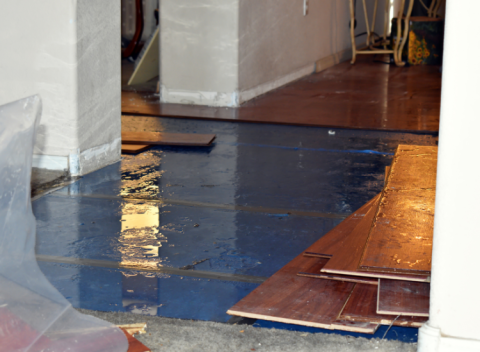
Is your home truly dry, or is it merely dry to the touch? This question haunts many property owners in Chicago, IL, long after the visible puddles have been mopped away. In a city where architectural history meets some of the most punishing climate conditions in North America, the answer to that question often dictates the long-term structural integrity and market value of your residence. Whether it is a burst pipe during a January deep freeze or a flash flood from a Lake Michigan microburst in mid-July, water is an invasive force that follows the path of least resistance, wicking into materials and hiding in wall cavities where it can do the most damage.

Navigating the aftermath of a flood is a race against the clock. Within hours, the chemistry of your home begins to shift. Porous materials swell, dyes bleed, and the biological clock for microbial growth begins to tick. Selecting a professional water damage restoration company is not just about hiring a crew with shop vacuums; it is about engaging experts who understand psychrometry—the science of drying—and who can execute a precision-based recovery plan. At Redefined Restoration, we believe that an informed homeowner is a protected homeowner. This guide explores the complexities of structural moisture, the regional challenges unique to the Chicago area, and the rigorous standards required for a successful recovery in 2026.

The Chicago Context: Geography, Climate, and Architectural Vulnerability

Chicago’s geography is a double-edged sword. Our proximity to the Great Lakes provides beauty and economic vitality, but it also creates a high water table and a unique set of weather-related risks. Understanding these local factors is essential for any water damage restoration company operating in the city.

The Problem of Chicago Common Brick and Porous Masonry

Many of the historic greystones and bungalows that define our neighborhoods are constructed with “Chicago Common Brick.” While aesthetically iconic, this material is significantly more porous than modern face brick. When water infiltrates a basement or a crawlspace, these bricks act like a ceramic sponge, pulling water upward through capillary action. If a technician does not account for this “wicking” effect, moisture remains trapped deep within the masonry, leading to “spalling”—where the brick face flakes off—and eventual structural weakening.

The Deep Tunnel and Sewer Backups

Chicago’s infrastructure relies on the Tunnel and Reservoir Plan (TARP), commonly known as the Deep Tunnel. While this system is an engineering marvel, 2026 has seen increasingly intense, localized rain events that can overwhelm city sewers before they can reach the reservoir. For homeowners in lower-lying neighborhoods, this often results in sewer backups. This is not merely a water problem; it is a Category 3 biohazard event. Professional intervention is required to ensure that pathogens, bacteria, and viruses are neutralized, not just dried out.

The Freeze-Thaw Cycle

The expansion and contraction caused by our extreme temperature swings put immense stress on residential plumbing. A pipe burst in a Chicago attic or wall cavity can go unnoticed for hours, allowing thousands of gallons of water to cascade through multiple levels of the home. This vertical migration requires a sophisticated drying strategy that accounts for the “stack effect” and the way moisture moves between floor assemblies.

Categorizing the Threat: The IICRC Standard of Care

Not all water is equal, and the protocols used by a reputable water damage restoration company must reflect the specific type of contamination present. We follow the IICRC S500 standards, which classify water into three distinct categories.

Category 1: Clean Water

This is water from a sanitary source, such as a broken supply line or a bathtub overflow. While it carries the lowest risk to human health initially, it is a “ticking clock.” Once Category 1 water makes contact with building materials like drywall or insulation, it begins to dissolve minerals and organic matter. Within 24 to 48 hours, it can degrade into Category 2 or 3.

Category 2: Gray Water

Gray water contains a significant degree of chemical, biological, or physical contamination. This often comes from dishwasher or washing machine discharge, or sump pump failures. Contact with Category 2 water can cause discomfort or illness, and it requires aggressive sanitization of all surfaces it touches.

Category 3: Black Water

Black water is grossly unsanitary and carries pathogenic agents. In Chicago, this most commonly occurs during sewage backups or rising water from rivers and the lake. In a Category 3 loss, all porous materials—including carpets, pads, and often drywall—must be removed and disposed of. There is no middle ground when it comes to the safety of the occupants.

The Physics of Drying: Psychrometry in 2026

Modern restoration is a data-driven discipline. It is no longer enough to set up fans and hope for the best. A professional water damage restoration company uses psychrometry to monitor and manipulate the environment for optimal drying.

Vapor Pressure and Evaporation

Drying is the process of moving moisture from a material (high vapor pressure) to the air (lower vapor pressure). If the air in the room is already saturated (high humidity), the water has nowhere to go. We use industrial-grade LGR (Low Grain Refrigerant) dehumidifiers to create “thirsty” air that actively pulls moisture out of deep structural members like floor joists and wall studs.

CFM and Air Movement

CFM (Cubic Feet per Minute) is the measure of air movement. We strategically place high-velocity air movers to create a vortex that disturbs the “boundary layer” of air directly above wet surfaces. This constant agitation prevents the air from becoming stagnant and saturated, allowing the dehumidifiers to work at peak efficiency.

Temperature Control

Temperature is a critical variable. Warmer air holds more moisture, which can accelerate drying. However, if the environment becomes too warm, it can trigger rapid microbial growth. A skilled technician balances temperature and humidity to stay within the “drying window” without compromising the home’s air quality.

The Invisible Enemy: Microbiology and the 48-Hour Window

The primary goal of any mitigation effort is the prevention of mold. Mold spores are omnipresent in the Chicago air; they only require three elements to thrive: moisture, an organic food source (like the paper on drywall or wood fibers), and a stable temperature.

The Risk of DIY “Air Drying”

Many homeowners believe that if they open the windows, the problem will solve itself. In reality, our local humidity levels—especially during a humid Chicago summer—often prevent effective evaporation. When materials remain wet for more than 48 hours, the likelihood of microbial colonization increases exponentially. Once mold becomes established, the project shifts from a relatively straightforward “dry-out” to a complex “remediation,” which is significantly more invasive and expensive.

Secondary Damage

Secondary damage occurs when the high humidity from the primary flood causes moisture to condense on unaffected materials. We have seen cases where a basement flood leads to peeling wallpaper on the first floor or the buckling of expensive hardwood furniture due to sustained high humidity levels. A professional water damage restoration company stabilizes the entire environment, not just the wet floor.

The Professional Workflow: What to Expect from Redefined Restoration

When you call Redefined Restoration, you are initiating a disciplined, multi-phase recovery process designed to minimize loss and maximize safety.

1. Assessment and Hazard Identification

Upon arrival, we perform a site-safety survey. We check for electrical hazards, structural instabilities, and the source of the intrusion. Using infrared thermography (thermal imaging cameras), we map the migration of the water. These cameras allow us to “see” the water hidden behind tiled walls or under hardwood floors without having to tear the house apart prematurely.

2. High-Volume Water Extraction

Removing water in its liquid state is 500 times more efficient than trying to evaporate it. We use truck-mounted extraction units that pull thousands of gallons of water out of the structure quickly. This step is the “heavy lifting” of the mitigation process.

3. Stabilization and Antimicrobial Application

To prevent the degradation of air quality, we apply EPA-registered antimicrobials to the affected areas. This “stops the clock” on microbial growth while we move into the drying phase. We also utilize HEPA-filtered air scrubbers to clean the air of particulates and spores during the process.

4. Structural Drying and Monitoring

This is the scientific heart of the project. We deploy our fleet of dehumidifiers and air movers based on the cubic footage of the space and the “moisture load” of the materials. Our technicians visit the property daily to take psychrometric readings and adjust equipment as the drying curve progresses.

5. Documentation and Final Verification

We don’t guess when a home is dry. We use moisture meters to compare the affected materials against “dry standards” (readings taken from unaffected parts of the home). We provide a comprehensive documentation package, including moisture maps and drying logs, which is vital for your insurance claim.

Water Damage Restoration Company

Navigating the Insurance Maze: Advocacy and Professionalism

One of the most stressful aspects of a water loss is the insurance claim. In 2026, insurance adjusters require empirical evidence to justify the cost of mitigation. A reputable water damage restoration company acts as your technical advocate during this process.

The Language of Claims

We use Xactimate, the industry-standard software for estimating, which ensures that our pricing is transparent and aligned with what insurance carriers expect. By providing daily logs and photo documentation, we reduce the friction between the homeowner and the adjuster, speeding up the approval process and ensuring that no necessary step of the recovery is overlooked.

Mitigation vs. Reconstruction

It is important to understand the difference between mitigation (stopping the damage) and reconstruction (putting it back together). Mitigation is often covered under a different part of your policy. By moving quickly and professionally during the mitigation phase, you can often save expensive finishes like cabinetry and hardwood, reducing the overall cost of the claim and the time your life is disrupted.

Material-Specific Recovery: Saving the Irreplaceable

Every material in a residence reacts differently to moisture. A “one-size-fits-all” approach can lead to unnecessary demolition.

Hardwood Floors: Oak and Maple

Chicago homes are famous for their original hardwood. When these floors get wet, they “cup”—the edges of the boards swell and become higher than the centers. Many people assume these floors are a total loss. However, using specialized “rescue mats” and high-pressure vacuum systems, we can often pull moisture directly through the wood fibers, allowing the boards to flatten out and be saved.

Plaster and Lath

Unlike modern drywall, plaster and lath are extremely resilient but take a long time to dry. If you dry them too quickly, they can crack; if you dry them too slowly, the wooden lath behind them can rot. We utilize specialized desiccant dehumidification for these delicate historic materials.

Modern Laminates and LVP

While Luxury Vinyl Plank (LVP) is often marketed as “waterproof,” it is actually one of the most difficult materials to dry. While the planks themselves won’t warp, water gets trapped underneath them, sitting on the subfloor with no way to evaporate. Without removing the flooring to dry the subfloor, a hidden mold colony is almost a certainty.

Health and Safety: The Human Side of Restoration

Beyond the structural integrity of the building, we are deeply concerned with the health of the occupants. Water damage creates an environment that can trigger allergies, asthma, and other respiratory issues.

Volatile Organic Compounds (VOCs)

As building materials like particleboard and adhesives get wet, they can release VOCs into the air. This is that “sick” smell often associated with water-damaged buildings. Our use of air scrubbers and hydroxyl generators neutralizes these compounds at the molecular level, ensuring that the indoor air quality is returned to a healthy state.

Lead and Asbestos Concerns

In older Chicago neighborhoods, water damage can disturb lead-based paint or asbestos-containing materials (like floor tiles or pipe insulation). A professional water damage restoration company is trained to recognize these hazards and ensure that the mitigation process does not create a hazardous dust situation.

Longevity and Resale Value: Protecting Your Investment

A home is more than a shelter; it is an asset. In the Chicago real estate market of 2026, buyers are increasingly savvy about moisture issues.

The Value of Professional Documentation

When you eventually go to sell your home, you will likely have to disclose any major water events. Having a professional “Certificate of Completion” from Redefined Restoration is a powerful tool. It proves that the home was dried to industry standards by a certified firm, eliminating the fear of “hidden mold” for potential buyers and preserving your home’s resale value.

Preventing Future Losses

As part of our service, we perform a post-loss inspection to identify why the water intrusion happened. Was it a failed sump pump? Poor exterior grading? Or a pipe that was improperly insulated? By addressing the root cause, we help you avoid the trauma of a second flood.

Why Redefined Restoration is the Preferred Chicago Partner

Choosing a water damage restoration company in the heat of a crisis is difficult. You need a partner that combines local expertise with world-class technology.

  • Local Ownership: We aren’t a national franchise that will disappear after the storm. We are members of the Chicago community, and our reputation is our most valuable asset.
  • Response Time: We understand that every minute matters. Our crews are stationed across the Chicagoland area to ensure we can be on-site when you need us most.
  • Technical Training: Our technicians are IICRC-certified and undergo continuous training in the latest drying technologies of 2026.
  • Compassionate Service: We know that a flood is an emotional event. We pride ourselves on clear communication and empathetic service, walking you through every step of the process.

The Commercial Perspective: Minimizing Business Downtime

While our focus is often on residences, we apply the same scientific rigor to commercial facilities in Chicago. Whether it is a retail space on the Magnificent Mile or a professional office in the West Loop, we understand that “time is money.” We utilize large-scale desiccant drying and containment strategies to keep as much of your business operational as possible while we restore the affected areas.

Maintenance and Mitigation: A Proactive Approach

The most effective way to deal with water damage is to prevent it from happening. We encourage all Chicago residents to take several proactive steps:

  1. Sump Pump Health: Test your sump pump every spring and fall. In 2026, we highly recommend a battery-backup system, as our heavy storms often knock out power just when the pump is needed most.
  2. Gutter and Downspout Management: Ensure your gutters are clear of debris and that downspouts extend at least six to ten feet away from your foundation.
  3. Appliance Hoses: Replace rubber washing machine hoses with braided stainless steel. These are much less likely to burst under the pressure of Chicago’s municipal water system.
  4. Know Your Shut-off: Every adult in the household should know where the main water shut-off valve is. Being able to stop the flow of water in seconds rather than minutes can save thousands of dollars in damage.

Resilience in the Face of the Unexpected

The reality of property ownership in Chicago is that water events are not a matter of if, but when. The city’s aging infrastructure and dramatic climate shifts demand a higher level of preparedness. By choosing a professional water damage restoration company that prioritizes science, documentation, and safety, you are choosing to be resilient.

Water is a powerful force, but it is not an invincible one. With the right technology and a disciplined approach to structural drying, your home can be returned to its pre-loss condition, free of hidden moisture and microbial threats. At Redefined Restoration, we are dedicated to redefining what it means to recover from a disaster. We are your partners in property preservation, ensuring that the legacy of your home is protected for years to come.

Conclusion: Taking the First Step Toward Recovery

The sound of dripping water is a call to action. While the immediate impulse may be to grab a mop, the true recovery begins with a professional assessment. By understanding the categories of water, the physics of evaporation, and the necessity of rapid response, you are already ahead of the curve.

Don’t let a temporary flood become a permanent structural liability. The difference between a successful dry-out and a long-term mold problem is the expertise of the team you bring into your home. Let Redefined Restoration bring the science, the technology, and the dedication needed to reclaim your space.

The Science of Structural Preservation: Navigating Residential Moisture Mitigation in Chicago’s Unique Architecture

water damage restoration company

It is a silent, cold Tuesday in January 2026. Outside, the wind whips off Lake Michigan, pushing the wind chill into the negative double digits. Inside a beautifully restored greystone in Lincoln Park, the heat is humming, and everything seems secure. But deep within a north-facing wall, a copper supply line—weakened by decades of Chicago’s relentless freeze-thaw cycles—finally reaches its breaking point. A hairline fracture forms. At first, it is a mist, then a drip, and finally, a steady torrent of pressurized water cascading into the wall cavity, soaking the lath and plaster, and pooling beneath the original oak flooring.

By the time the homeowners return from work, the damage has migrated. What started as a plumbing failure is now a structural crisis. This scenario is a reality for thousands of residents across the Chicagoland area every year. When facing such an event, the difference between a minor inconvenience and a permanent loss of property value lies in the immediate actions taken and the caliber of the water damage restoration company selected to manage the recovery.

At Redefined Restoration, we understand that residential recovery is not merely about “drying out” a room. It is a complex engineering challenge that requires a deep understanding of psychrometry, microbiology, and the specific architectural nuances of Chicago’s diverse building stock.

The Chicago Context: Why Our Architecture is Specifically Vulnerable

Chicago is a city of architectural marvels, but its homes face environmental stressors that are rare in other parts of the country. To effectively manage water intrusion here, one must understand the interplay between local construction methods and the regional climate.

The Problem of Chicago Common Brick

Many of our historic homes are built with “Chicago Common Brick.” While iconic, this material is notoriously porous. Unlike the harder, denser face bricks used in other regions, common brick acts like a ceramic sponge. When a flood occurs—whether from a burst pipe or a heavy spring deluge—these bricks can wick moisture deep into the structure via capillary action. If a restoration firm does not account for this “wicking” effect, moisture can remain trapped inside the masonry for weeks, leading to “spalling” (where the brick face flakes off) and long-term structural instability.

The Bungalow Belt and Basement Seepage

Chicago’s famous “Bungalow Belt” presents its own set of challenges. These homes often feature finished basements that sit just above a high water table. During the heavy rains of 2026, the hydrostatic pressure around these foundations increases dramatically. Water is forced through microscopic cracks in the concrete or through the “cove joint” (where the wall meets the floor). For a homeowner, this often results in saturated drywall and ruined carpeting. A professional water damage restoration company must address not just the standing water, but the source of the pressure and the humidity trapped behind the finished walls.

High-Rise Challenges and the “Stack Effect”

In modern high-rise residences along the lakefront, water damage takes on a vertical dimension. A leak on the 40th floor doesn’t stay on the 40th floor. Gravity pulls moisture down through electrical conduits, elevator shafts, and fire-rated wall assemblies. Furthermore, the “stack effect”—the movement of air into and out of buildings—can complicate the drying process by pulling humid, contaminated air upward through the building’s “lungs,” potentially spreading mold spores to unaffected units.

The Physics of Drying: Moving Beyond Fans and Mops

A common misconception among property owners is that “opening the windows and turning on some fans” is sufficient to handle a leak. In reality, this often exacerbates the problem. True restoration is a science known as psychrometry—the study of the thermodynamic properties of moist air.

The Drying Triangle

To dry a home effectively, a technician must balance three critical elements:

  1. Air Movement: High-velocity air movers are used to disturb the “boundary layer” of saturated air sitting on the surface of wet materials. This encourages evaporation.
  2. Dehumidification: As water evaporates, the relative humidity in the room spikes. If this moisture is not removed from the air, evaporation stops. Professional-grade LGR (Low Grain Refrigerant) dehumidifiers are required to “pull” the water out of the air.
  3. Temperature Control: Warmer air holds more moisture, which speeds up evaporation. However, if the temperature is not managed correctly, it can create a “sauna” effect that fuels rapid mold growth.

In 2026, we utilize advanced moisture-tracking technology to monitor these variables in real-time. We establish “dry standards” based on unaffected areas of the home, ensuring that your property is returned to its specific pre-loss equilibrium.

Categorizing the Threat: The IICRC Standard

Not all water is equal. The IICRC (Institute of Inspection, Cleaning and Restoration Certification) S500 standard provides the framework we use to categorize water based on its level of contamination.

Category 1: “Clean” Water

This originates from a sanitary source, such as a broken water supply line or a bathtub overflow. While it is the least hazardous initially, it is a ticking clock. If Category 1 water is not mitigated within 24 to 48 hours, it can quickly degrade into Category 2 or 3 as it dissolves minerals and interacts with organic matter in the home.

Category 2: “Gray” Water

This water contains a significant degree of chemical, biological, or physical contamination. Examples include discharge from dishwashers, washing machines, or overflows from toilet bowls (without feces). This category requires more aggressive sanitization to ensure the home is safe for occupancy.

Category 3: “Black” Water

This is grossly unsanitary and contains pathogenic, toxigenic, or other harmful agents. In Chicago, this most commonly occurs during “combined sewer overflows” where heavy rain forces raw sewage back through basement floor drains. Category 3 events are high-risk biohazard situations that require the removal of all porous materials (carpets, drywall, insulation) and the use of hospital-grade antimicrobials.

water damage restoration company

The 48-Hour Window: The Biological Reality of Mold

In the world of residential restoration, time is the enemy. Mold spores are omnipresent; they exist in every home in Chicago, usually in a dormant state. However, they only need two things to colonize: moisture and a food source (cellulose, found in drywall and wood).

Microbial Proliferation

Once a material becomes saturated, mold can begin to grow in as little as 24 to 48 hours. By the time you see a dark spot on the wall or smell a “musty” odor, the colony is already well-established and releasing spores into your indoor air. This is why a rapid response from a water damage restoration company is non-negotiable.

Secondary Damage

Delayed mitigation leads to “secondary damage.” This occurs when the high humidity in the air causes moisture to condense on surfaces that were never even touched by the original leak. We often see this in Chicago homes where a basement flood leads to peeling paint on the first floor or the buckling of expensive hardwood furniture due to the sustained high humidity.

The Professional Workflow: What to Expect During Mitigation

When you contact Redefined Restoration, you are initiating a disciplined, multi-phase process designed to minimize loss and maximize safety.

1. Emergency Assessment and Stabilization

Our first priority is safety. We inspect for electrical hazards (standing water and outlets are a lethal combination) and structural instabilities. We then identify the source of the water to ensure the “intrusion” has stopped.

2. Extraction: The Most Important Step

Removing water in its liquid state is 500 times more efficient than trying to evaporate it. We use truck-mounted extraction units and submersible pumps to remove the bulk of the water. For saturated carpeting, we may use “weighted” extraction tools that pull water from the deep padding beneath.

3. Moisture Mapping and Documentation

We use infrared thermography (thermal imaging) to see through walls. Wet materials are cooler than dry ones, and these cameras allow us to map exactly where the water has traveled, even if the drywall looks dry to the naked eye. This documentation is vital for your insurance claim.

4. Controlled Demolition

To dry the “bones” of the house, we sometimes need to remove “obstructions.” This might include taking off baseboards to drill “weep holes” in the drywall or performing a “flood cut” (removing the bottom 12 inches of drywall) to allow air to circulate behind the walls.

5. Sanitization and Deodorization

We use EPA-registered antimicrobials to stabilize the environment and prevent microbial growth. Our deodorization process doesn’t just “mask” smells; it neutralizes the volatile organic compounds (VOCs) that cause odors at the molecular level.

Navigating the Insurance Maze in 2026

For many Chicago homeowners, the insurance claim is the most stressful part of the process. In 2026, the landscape of residential insurance has become increasingly data-driven. Adjusters no longer accept “estimates” based on guesswork; they require empirical evidence of the drying process.

The Role of Detailed Documentation

As your chosen water damage restoration company, Redefined Restoration acts as your technical advocate. We provide:

  • Daily Moisture Logs: Proving that the materials are reaching their dry standards.
  • Psychrometric Readings: Documenting that the drying environment was maintained correctly.
  • Photo Documentation: Capturing every stage from the initial “loss” to the final “dry.”

This level of detail ensures that your claim is processed fairly and that you have the resources needed to rebuild. We work with all major carriers, speaking their language to ensure that nothing is overlooked in the scope of work.

Material-Specific Restoration Challenges

Every material in a Chicago home reacts differently to water, and a “one-size-fits-all” approach can lead to disaster.

Hardwood Flooring (Oak and Maple)

Chicago’s historic homes often feature 100-year-old oak floors. When these get wet, they “cup”—the edges of the boards become higher than the centers. Many people think these floors are ruined. However, if we are called in quickly, we can often save them using specialized “floor mats” that create a vacuum, pulling moisture directly through the wood grain. This can save the homeowner tens of thousands of dollars in replacement costs.

Plaster vs. Drywall

Older homes in neighborhoods like Gold Coast or Hyde Park often have lath and plaster walls. Plaster is much more resilient than drywall, but it takes significantly longer to dry. If you dry it too fast, it can crack; if you dry it too slow, the wooden lath behind it will rot. We use specialized desiccant dehumidifiers for these delicate environments.

Modern Laminates and Luxury Vinyl Plank (LVP)

While LVP is often marketed as “waterproof,” it is a disaster in a flood. The planks themselves won’t warp, but water gets trapped under them, sitting on the subfloor with no way to evaporate. This leads to a hidden mold “sandwich.” In almost all cases of significant flooding, these floors must be removed to dry the subfloor beneath.

The Hidden Threat: Health and Indoor Air Quality

Water damage is not just a property issue; it is a public health issue. Saturated materials can release a variety of pollutants into the home.

Endotoxins and Bacteria

In Category 2 and 3 losses, the primary concern is bacterial pathogens. Even after the water is gone, dried bacteria can become airborne and be inhaled. This can cause respiratory distress, skin infections, and gastrointestinal issues.

Volatile Organic Compounds (VOCs)

As building materials like particle board, adhesives, and paints get wet, they undergo chemical reactions that release VOCs. This is that “sick” smell often associated with old water damage. We utilize HEPA-filtered air scrubbers to clean the air during the restoration process, ensuring your family isn’t breathing in these contaminants.

Longevity and Prevention: Looking Beyond the Loss

Once the home is dry and restored, the focus should shift to the future. At Redefined Restoration, we believe in helping homeowners build resilience.

Maintenance as Mitigation

In Chicago, the most common causes of water damage are preventable.

  • Sump Pump Maintenance: If you have a basement, your sump pump is the heart of your home’s defense. We recommend a battery backup system, as Chicago’s storms often knock out power exactly when you need the pump most.
  • Gutter and Downspout Management: Ensuring that water is diverted at least 10 feet away from your foundation can prevent 90% of basement seepage issues.
  • Appliance Hose Replacement: Replace rubber washing machine hoses with braided stainless steel. These are much less likely to burst under the pressure of Chicago’s municipal water system.

The Value of Professional Restoration

When you go to sell your home in the future, you will likely have to disclose any major water damage. If you can show a “Certificate of Completion” from a reputable water damage restoration company, it turns a potential liability into a strength. It proves to the buyer that the home was handled by professionals, that the structure is dry, and that there are no hidden mold issues.

Choosing the Right Partner in a Crisis

In the wake of a flood, your doorstep will likely be flooded with “storm chasers”—companies that follow heavy rains to sign up as many clients as possible. Choosing a local, specialized firm like Redefined Restoration is critical for several reasons:

  1. Local Knowledge: We understand the specific plumbing and structural quirks of Chicago homes.
  2. Accountability: We aren’t a national franchise that will disappear once the storm passes. We are part of the Chicago community.
  3. Technical Depth: We invest in the latest 2026 drying technology and ongoing education for our technicians. We don’t just “show up”; we arrive with a strategy.

The Project Management Aspect of Restoration

Restoring a home is a multi-trade endeavor. It often involves plumbers to fix the leak, mitigation specialists to dry the structure, and reconstruction experts to put the drywall and flooring back together.

At Redefined Restoration, we simplify this by providing comprehensive project management. We coordinate the timing of each phase to ensure your life returns to normal as quickly as possible. We understand the emotional toll that having your home torn apart can take. Our team is trained not just in technical drying, but in empathetic communication. We walk you through every step, so you are never left wondering what comes next.

Regional Climate Trends: The 2026 Outlook

Meteorologists have noted that the Great Lakes region is seeing a shift toward more “intense precipitation events.” This means that instead of a steady rain over several days, we are getting several inches of rain in a matter of hours. This overwhelms our city’s “combined sewer” system.

When the city’s sewers reach capacity, the water has nowhere to go but back up into residential basements. This is why “Backwater Valves” have become such a popular installation in Chicago homes recently. These valves allow water to flow out of your home but prevent sewer water from flowing in. If you are undergoing a restoration after a sewer backup, now is the time to discuss these preventative upgrades with your contractor.

Conclusion: Reclaiming Your Home

Water is the most destructive force on earth, and when it enters your home, it doesn’t wait for a convenient time. Whether it’s a slow leak in the middle of a Hyde Park greystone or a flash flood in a Naperville basement, the consequences are immediate and profound.

However, water damage doesn’t have to mean the end of your home’s beauty or its structural integrity. With the right science, the right technology, and the right partner, you can reclaim your space. The goal of a water damage restoration company is to make the event a distant memory, leaving behind a home that is safe, dry, and healthy.

At Redefined Restoration, we take pride in being the experts Chicagoans turn to when the unexpected happens. We aren’t just restoring buildings; we are restoring peace of mind. We are redefining what it means to recover.

The Hidden Science of Structural Drying: Why Professional Intervention is the Key to Property Longevity

water damage restoration services

The sound of water where it shouldn’t be—a rhythmic drip behind a vanity, the sudden rush of a failed supply line, or the heavy squelch of saturated carpet—is a sound that triggers an immediate, visceral response in any property owner. In that moment of crisis, the instinct is often to reach for the nearest mop, a stack of towels, or a residential shop vacuum. However, the physical water you can see represents only a fraction of the actual threat. Water is an invasive force that follows the path of least resistance, migrating through wall cavities, under subfloors, and deep into the porous “bones” of a building.

In our region, where seasonal shifts can range from heavy spring deluges to freezing winter temperatures that threaten aging plumbing, the complexity of structural recovery cannot be overstated. Managing these events requires more than just a cleanup crew; it demands a scientific approach to moisture equilibrium. At Redefined Restoration, we recognize that every hour water sits in a structure, the chemical and biological environment of that building begins to shift. True recovery lies in the nuances of psychrometry—the science of drying—and the deployment of advanced water damage restoration services to ensure the long-term health and value of your property.

The Physics of Water Migration: How Damage Spreads Unseen

To understand the necessity of professional-grade intervention, one must first look at how water behaves once it breaches the building envelope. Most modern construction materials are hygroscopic, meaning they possess a natural affinity for water. Drywall, insulation, wood framing, and even concrete act as sponges, pulling moisture deep into their cellular structures through capillary action.

The Problem of Surface Tension

Water’s surface tension allows it to cling to the underside of horizontal surfaces and travel vertically up walls. This means that a flood on the ground floor can lead to moisture wicking up several inches—or even feet—into the drywall. This “wicking” effect creates a hidden reservoir of moisture behind baseboards and inside wall cavities where airflow is non-existent. Without specialized equipment to “pull” this moisture out, the surface may feel dry to the touch while the structural studs remain dangerously saturated.

Vapor Pressure and Evaporation

Drying is essentially the management of vapor pressure. When a room is flooded, the air becomes saturated, reaching a high relative humidity. Evaporation slows down because the air can no longer “hold” any more moisture. Professional water damage restoration services solve this by using industrial-grade dehumidifiers to lower the vapor pressure of the air, creating a “thirsty” environment that aggressively draws moisture out of wet materials.

The 48-Hour Window: The Biological Countdown

In the restoration industry, we live by a strict timeline. The first 48 hours following a water intrusion event are the most critical. This is not just because of the structural weakening of materials, but because of the biological shift that occurs when moisture meets organic food sources.

Microbial Proliferation

Mold spores are omnipresent; they exist in nearly every indoor and outdoor environment in a dormant state. However, they require three things to thrive: moisture, an organic food source (like the paper backing on drywall or wood fibers), and a stable temperature. In a typical home or office in 2026, all three are present the moment a pipe bursts. Within 24 to 48 hours, these spores can activate and begin to colonize. Once mold becomes established, the restoration process transitions from a drying project to a much more invasive mold remediation project.

Secondary Damage

Secondary damage refers to the destruction caused not by the liquid water itself, but by the high-humidity environment created by the standing water. High relative humidity can cause “sweating” on walls in rooms that weren’t even flooded, leading to peeling wallpaper, buckling hardwood furniture, and even the corrosion of sensitive electronics. Professional mitigation focuses on stabilizing the entire environment to prevent these costly secondary effects.

The Categorization of Water: Knowing the Risk

Not all water events carry the same health risks. The IICRC S500—the standard for professional water restoration—categorizes water based on its source and potential for contamination. Identifying the category is the first step in our protocol at Redefined Restoration.

Category 1: Clean Water

This is water from a sanitary source, such as a broken supply line or a falling rainwater leak. While the water itself is “clean,” it can quickly degrade. Once Category 1 water contacts building materials or stands for more than a few hours, it begins to dissolve minerals and organic matter, transitioning into more dangerous categories.

Category 2: Gray Water

Gray water contains significant contamination and has the potential to cause discomfort or sickness if contacted. Common sources include discharge from dishwashers, washing machines, or toilet overflows that do not contain fecal matter. This category requires more rigorous cleaning and sanitization protocols.

Category 3: Black Water

Black water is grossly unsanitary and contains pathogenic, toxigenic, or other harmful agents. This includes sewage, rising water from rivers or streams, and wind-driven rain from hurricanes or tropical storms. In a Category 3 event, porous materials like carpets, pads, and even some furniture are generally considered non-salvageable and must be removed to ensure the safety of the occupants.

Advanced Diagnostic Technology: Seeing the Invisible

In 2026, we no longer guess whether a wall is dry. We prove it. The hallmark of authoritative water damage restoration services is the use of non-invasive diagnostic tools that provide a clear picture of the moisture’s path.

Infrared Thermography

Thermal imaging cameras allow our technicians to see temperature differentials on surfaces. Because wet materials are generally cooler than dry ones due to evaporative cooling, infrared cameras can pinpoint moisture pockets behind tiled walls, under hardwood floors, or inside ceiling assemblies without the need for destructive testing.

Moisture Mapping

Using both invasive (pin-style) and non-invasive (ultrasonic) moisture meters, we create a comprehensive moisture map of the affected area. This allows us to establish “dry standards”—baseline readings from unaffected areas of the property—which we use as our target goals. Throughout the drying process, we document the progress of each material, ensuring that every stud and subfloor has returned to its pre-loss moisture content.

water damage restoration services

The Professional Restoration Workflow: A Systematic Approach

When you engage Redefined Restoration, you aren’t just getting a crew with fans; you are getting a team following a disciplined, multi-stage recovery plan.

1. Emergency Assessment and Hazard Mitigation

The first priority is safety. This involves identifying electrical hazards, ensuring the structural stability of saturated ceilings, and stopping the source of the water if it hasn’t already been addressed.

2. High-Volume Water Extraction

Removing water in its liquid state is 500 times more efficient than trying to evaporate it. We use truck-mounted extraction units and submersible pumps to remove the bulk of the water. On high-end carpeting, we may use “weighted” extraction tools that pull water through the pad without needing to remove the carpet itself, provided the water is Category 1.

3. Antimicrobial Application and Sanitization

To prevent microbial growth and neutralize odors, we apply EPA-registered antimicrobials. This is a crucial step in maintaining indoor air quality and ensuring that the property remains a healthy environment for its inhabitants.

4. Structural Drying and Stabilization

This is where the science of psychrometry comes into play. We strategically place high-velocity air movers to create a “vortex” of air across surfaces, while industrial-grade LGR (Low Grain Refrigerant) dehumidifiers pull the moisture out of the air. This cycle continues until our moisture meters confirm that the materials have reached their dry standards.

5. Monitoring and Documentation

A restoration project is not a “set it and forget it” task. Our technicians visit the site daily to take psychrometric readings (temperature, relative humidity, and grains per pound of air) and adjust equipment as needed to maintain the most efficient drying environment possible.

The Economics of Restoration: Protecting Your Asset Value

Many property owners hesitate to call for professional water damage restoration services due to concerns about cost. However, a scientific approach to restoration is almost always a more cost-effective solution than the alternative: neglect.

Avoiding “The Mold Clause”

In many real estate markets, a history of water damage that wasn’t professionally mitigated can be a major hurdle during a sale. By having a certified firm like Redefined Restoration document the “dry-out” with a final certificate of completion, you protect your property’s resale value. You provide future buyers with peace of mind that the structure is sound and free of hidden microbial issues.

Restoration vs. Replacement

Professional drying often allows us to save materials that a general contractor might simply tear out and replace. High-end cabinetry, specialized hardwood floors, and architectural millwork can often be salvaged using specialized “injection drying” systems that push dry air into hidden cavities. This not only saves money on reconstruction but preserves the historic or aesthetic character of your property.

Structural Impacts: Hardwood, Concrete, and Beyond

Every material reacts to water differently, and a “one size fits all” drying approach can lead to permanent damage.

The Nuance of Hardwood

When hardwood floors get wet, they “cup” (the edges of the boards become higher than the centers). Many people assume the floor is ruined. However, if addressed quickly, we can use vacuum-seal mats to pull moisture directly through the wood fibers. Often, as the wood dries to its original moisture content, the boards will flatten back out, saving thousands of dollars in replacement costs.

The Complexity of Concrete

Concrete is often viewed as impervious to water, but it is actually a very porous material. Water can travel deep into a concrete slab and sit there for weeks. If you install new flooring (like luxury vinyl plank or carpet) over a slab that hasn’t been professionally dried, the moisture will eventually rise, leading to adhesive failure and mold growth under your brand-new floor.

Local Challenges: Climate and Construction in Our Region

Our local environment presents unique hurdles for property owners. From the high-water tables that can lead to basement seepage during heavy rains to the rapid temperature fluctuations that can cause thermal expansion and contraction in plumbing, our region demands local expertise.

Seasonal Flooding and Storm Runoff

During our heavy rain seasons, the ground can become saturated, leading to hydrostatic pressure that forces water through foundation cracks. This water is often Category 3 (black water) due to its contact with soil and outdoor contaminants. Professional water damage restoration services in our area are specifically equipped to handle the large-scale extraction and heavy-duty decontamination required after a ground-water intrusion event.

Aging Infrastructure and Frozen Pipes

In the winter months, older homes and commercial buildings are particularly vulnerable to pipe bursts. A pipe that bursts in an attic can go unnoticed for hours, causing damage to multiple floors. We understand the local building codes and the common construction methods used in our area’s historic and modern neighborhoods, allowing us to navigate wall assemblies and insulation types with precision.

Health and Safety: The Human Side of Restoration

Beyond the structural integrity of the building, the primary concern of Redefined Restoration is the health of the people who live and work inside.

Respiratory Health and Air Quality

Water damage significantly impacts indoor air quality. As materials dry, they can release particulates, spores, and volatile organic compounds (VOCs). We utilize HEPA-filtered air scrubbers on our job sites to continuously clean the air, ensuring that even the most sensitive occupants—such as children, the elderly, or those with asthma—are protected during the process.

Chemical Sensitivities

We recognize that many property owners are concerned about the use of harsh chemicals. In 2026, we utilize botanical antimicrobials and other eco-friendly solutions whenever possible. These products are highly effective at neutralizing pathogens while remaining safe for pets and families.

Navigating the Insurance Process: Advocacy and Documentation

One of the most stressful parts of a water loss is dealing with the insurance claim. Professional water damage restoration services act as a vital bridge between the property owner and the insurance adjuster.

The Language of Claims

Adjusters require specific data to approve a claim: moisture maps, daily drying logs, and proof of the water’s source. We provide a comprehensive documentation package that uses industry-standard software (like Xactimate) to ensure that every necessary step of the restoration is accounted for. This transparency helps expedite the claims process and ensures you receive the coverage you are entitled to under your policy.

Mitigation vs. Reconstruction

It is important to understand that “mitigation” (the drying and cleanup) is often covered under a different part of your policy than “reconstruction” (the rebuilding). By moving quickly with mitigation, you can often stay within your policy limits by preventing the damage from spreading, leaving more resources available for the aesthetic finish of your choice.

Commercial Recovery: Minimizing Business Interruption

For business owners and facility managers, water damage is measured in downtime. Every day your doors are closed is a day of lost revenue. Redefined Restoration specializes in commercial recovery, where the scale and speed of the response are paramount.

We work to create “contained” work zones, allowing you to keep unaffected parts of your business operational while we restore the damaged areas. Whether it’s a retail space, a medical office with sensitive equipment, or a large-scale warehouse, our team is equipped to handle the high-power requirements and complex logistics of commercial drying.

Why “DIY” Drying Often Leads to a Second Disaster

It is tempting to try and save money by handling the drying yourself. However, without professional tools, you are likely leaving the most dangerous moisture behind.

The “Iceberg” Effect

The water you can see and feel is the 10% above the surface. The 90% that is trapped in the insulation, the sill plates, and the subfloor is the real problem. Household fans simply move air; they do not remove moisture from the environment. Without a professional-grade dehumidifier, you are essentially creating a greenhouse for mold.

The Bleach Myth

One of the most persistent—and dangerous—pieces of advice is to use bleach to kill mold after water damage. Bleach is mostly water. While it may kill surface mold on non-porous materials, it cannot penetrate porous materials like wood or drywall. In fact, the water in the bleach can actually feed the “roots” of the mold (hyphae) that are deep inside the material, causing it to return even stronger once the surface appears clean.

Resilience and Peace of Mind

The goal of professional water damage restoration services is to return your life to normal as quickly as possible. But beyond speed, the goal is resilience. We want to ensure that once we leave, your property is stronger, drier, and healthier than it was before the event occurred.

As we move through 2026, the technology behind restoration continues to advance, but the core principle remains the same: a deep respect for the science of the building and an unwavering commitment to the property owner’s well-being. At Redefined Restoration, we pride ourselves on being a steady hand in the midst of a crisis. We are more than just a contractor; we are your partners in property recovery.

Conclusion: Taking the First Step Toward Recovery

Water damage is a disruptive, emotional experience. It challenges your sense of security and threatens your most significant financial investment. However, by choosing a path of professional, scientific restoration, you are taking control of the narrative. You are ensuring that this event is a temporary setback, not a permanent scar on your property’s history.

The path to a dry, healthy home starts with a phone call. While the water may have moved fast, we move faster. Let us put our expertise, our technology, and our dedication to work for you. From the first gallon extracted to the final moisture reading, we are with you every step of the way.

The Invisible Path of Water: A Comprehensive Guide to Structural Recovery and Long-Term Property Health

water damage restoration services

It is 2:00 AM. You are jolted awake not by an alarm, but by the rhythmic, heavy sound of rushing water. As your feet hit the floor, they aren’t met with the familiar comfort of carpet or hardwood, but with a cold, unsettling saturation. Whether it is a burst pipe, a failed water heater, or a sudden structural breach following a heavy storm, the immediate emotional weight of water intrusion is staggering. In these moments, the physical water you see is only the surface of a much larger, more complex problem.

Water is a silent opportunist. It follows the path of least resistance, migrating through wall cavities, under floorboards, and deep into porous building materials through capillary action. Within minutes, your property’s structural integrity begins to face a chemical and biological countdown. This is where the distinction between “cleaning up” and professional water damage restoration services becomes the deciding factor in whether your home or business survives the event or suffers years of recurring issues.

At Redefined Restoration, we believe that recovery is a science. In the following guide, we will explore the physics of water migration, the technical standards of professional mitigation, and why the first 48 hours of any water event in 2026 are the most critical for your property’s future.

The Physics of Water Migration: How Damage Spreads

To understand the necessity of professional intervention, one must first understand how water behaves once it enters a controlled environment. Unlike a spill on a countertop, a significant water intrusion event involves “migration.”

Capillary Action and Porous Materials

Building materials like drywall, wood framing, and insulation are inherently hygroscopic—they actively absorb and hold moisture. Through a process called capillary action, water can actually move upward against gravity. A flood that covers only two inches of your floor can wick up into the drywall as high as 12 to 18 inches within a matter of hours. This “invisible” moisture creates a perfect, humid environment behind the walls where airflow is nonexistent.

Surface Tension and Hidden Pockets

Water’s surface tension allows it to cling to the underside of subfloors and the interior of floor joists. In many regional construction styles, especially those involving crawlspaces or multi-level flooring, water becomes trapped in “dead air” spaces. If this moisture is not identified and extracted using high-velocity air movers and industrial dehumidifiers, it will lead to “dry rot” and structural weakening that may not manifest for months.

Categorizing the Threat: The IICRC Standard

Not all water is created equal. Professional water damage restoration services categorize water based on its source and potential for contamination. This classification, dictated by the Institute of Inspection, Cleaning and Restoration Certification (IICRC), determines the safety protocols and the salvageability of your belongings.

Category 1: “Clean” Water

This originates from a sanitary source, such as a broken supply line or a falling rainwater leak. While the water itself is clean, the moment it contacts building materials or soil, it begins to dissolve minerals and organic matter. If a Category 1 leak is left untreated for more than 48 hours, it can degrade into a Category 2 or 3 situation due to microbial growth.

Category 2: “Gray” Water

This water contains significant contamination and has the potential to cause discomfort or sickness if consumed or contacted. Examples include discharge from dishwashers, washing machines, or overflows from toilet bowls (without feces).

Category 3: “Black” Water

This is the most dangerous classification. Category 3 water is grossly unsanitary and contains pathogenic, toxigenic, or other harmful agents. This includes sewage, rising water from rivers or streams, and any water that has stood for an extended period. In these cases, porous materials like carpets and drywall are almost never salvageable and must be removed under strict environmental controls to protect the health of the occupants.

The 48-Hour Window: The Biological Clock

In the restoration industry, we refer to the first 48 hours as the “Golden Window.” This is because the biological clock of your home starts ticking the moment moisture meets organic food sources like the paper backing on drywall or the starch in carpet adhesive.

Microbial Proliferation

Mold spores are omnipresent in almost every indoor environment, usually dormant and harmless. However, when the relative humidity (RH) in a room spikes above 60% due to standing water, these spores activate. Within 24 to 48 hours, mold colonies can begin to form. By the time you can smell a “musty” odor, the colonization is already well underway.

Secondary Damage

Secondary damage refers to the destruction caused not by the liquid water itself, but by the high humidity the water creates. In a flooded basement, the air becomes so saturated that moisture begins to condense on the ceiling and walls of the upper floors. This can cause “sweating” on windows, the peeling of wallpaper, and even the buckling of hardwood furniture in rooms that never touched a drop of the original floodwater.

water damage restoration services

The Science of Psychrometry: More Than Just Fans

A common misconception is that “opening the windows and turning on some fans” will dry out a room. In reality, this often makes the problem worse by moving humid air around without removing the moisture from the environment. Professional water damage restoration services rely on psychrometry—the study of the thermodynamic properties of air-water vapor mixtures.

Balanced Drying

Drying is a delicate balance between three elements:

  1. Air Movement: Breaking the boundary layer of saturated air at the surface of a material to encourage evaporation.
  2. Dehumidification: Removing the evaporated moisture from the air so the air can continue to “pull” water out of the materials.
  3. Temperature Control: Warmer air holds more moisture, which can speed up evaporation, but it must be managed carefully to avoid fueling mold growth.

In 2026, we utilize LGR (Low Grain Refrigerant) dehumidifiers and desiccant systems that are capable of pulling moisture out of the air even in extremely low-humidity environments, ensuring that the “deep” moisture inside structural wood is successfully reached.

Advanced Diagnostic Technology

You cannot manage what you cannot measure. One of the primary reasons property owners trust Redefined Restoration is our use of advanced diagnostic tools that see through walls and under floors.

Infrared Thermography

Thermal imaging cameras allow us to detect temperature differentials. Because wet materials are generally cooler than dry ones due to evaporative cooling, we can see exactly how far a leak has traveled behind a tiled bathroom wall or under a hardwood floor without needing to tear the material out first.

Moisture Mapping

Using both invasive (pin-style) and non-invasive (ultrasonic) moisture meters, our technicians create a “moisture map” of your property. We establish “dry standards” based on unaffected areas of your home. This allows us to prove, with empirical data, when your property has returned to a safe, pre-loss condition—a critical step for insurance verification.

The Professional Workflow: What to Expect

When our team arrives at your property, we follow a disciplined, five-step process designed to minimize loss and maximize structural recovery.

1. Inspection and Assessment

We begin by identifying the source of the water and ensuring it is stopped. We then categorize the water and assess the scope of the damage using the diagnostic tools mentioned above.

2. Water Extraction

Removing standing water is 500 times more efficient than evaporating it. We use truck-mounted extraction units and submersible pumps to remove the bulk of the water. On high-end flooring, we may use “weighted” extraction tools that pull water through the carpet padding without needing to remove the carpet.

3. Decontamination and Stabilization

We apply EPA-registered antimicrobials to prevent mold growth and neutralize odors. In Category 3 events, this includes a rigorous cleaning of all non-porous surfaces.

4. Controlled Drying and Monitoring

We strategically place air movers and dehumidifiers to create an optimal drying vortex. Our technicians visit the site daily to monitor the equipment and adjust the plan based on the moisture readings. This is not a “set it and forget it” process; as materials dry, their needs change.

5. Final Documentation and Reconstruction

Once the “dry standards” are met, we provide a comprehensive report for your records and your insurance company. If structural materials were removed, our reconstruction team steps in to return the space to its original aesthetic beauty.

Dealing with Specialized Content: Electronics and Heirlooms

Water damage doesn’t just affect the “bones” of your house; it affects your life’s work. From servers and computers to family photo albums and antique textiles, content recovery is a specialized wing of restoration.

Electronics Recovery

The minerals in water, not the water itself, are what destroy electronics. If a device is professionally cleaned and dried before corrosion sets in, the success rate for data recovery and functionality is surprisingly high. We utilize specialized drying chambers for high-value tech assets.

Textiles and Fine Art

Smoke and water can be particularly devastating to fine art. We coordinate with conservators to ensure that paintings are stabilized and textiles are treated with the correct pH-balanced solutions to prevent bleeding and shrinking.

The Hidden Hazards: Safety First

Attempting a DIY restoration can expose you to several hazards that professional water damage restoration services are trained to mitigate.

Electrical Risks

Water and electricity are a lethal combination. Often, water travels through electrical conduits or settles in outlets. We perform a “lock-out, tag-out” procedure on affected circuits to ensure the site is safe for both our crew and the occupants.

Structural Instability

Saturated drywall can weigh several times its original weight, leading to ceiling collapses. Hardwood floors can “buckle” or “cup” with enough force to lift heavy furniture or even shift interior walls. We identify these tension points and stabilize them before they lead to injury.

Pathogens and Allergens

Beyond mold, stagnant water can harbor Legionella, E. coli, and other bacteria. Our teams use high-level Personal Protective Equipment (PPE) and HEPA air scrubbers to ensure that contaminants are filtered out of the air you breathe during the restoration process.

The Economics of Restoration: Protecting Property Value

In the real estate market of 2026, property history is more transparent than ever. A poorly handled water event can significantly diminish a home’s resale value and make it difficult to obtain insurance coverage in the future.

Insurance Advocacy

Navigating an insurance claim is often as stressful as the flood itself. Because we use industry-standard software and provide detailed moisture logs, we help streamline the communication between you and your adjuster. Our goal is to ensure that the scope of work is fully understood and covered, so you aren’t left with out-of-pocket expenses for a necessary structural repair.

Restoration vs. Replacement

A professional restoration often saves the insurance company—and the homeowner—money by salvaging expensive materials that a general contractor might simply throw away. By using specialized “injection drying” systems, we can often save high-end cabinetry and built-ins that would cost tens of thousands of dollars to replace.

Commercial Considerations: Minimizing Business Interruption

For business owners, water damage is measured in “downtime.” Every hour your facility is closed is an hour of lost revenue. Redefined Restoration understands the urgency of commercial recovery.

We work to create “contained” drying zones, allowing you to keep unaffected parts of your business open while we work. Whether it’s a retail space, a medical office with sensitive equipment, or a large-scale warehouse, our commercial response team is equipped to handle high-volume extraction and drying without compromising your operational flow.

Regional Challenges and Local Expertise

Every region has its own building “personality.” From the specific types of insulation used in our local climate to the regional soil composition that can affect foundation drainage, local expertise matters.

In our area, we face specific seasonal challenges. During the humid summer months, the lack of a “vapor barrier” in many older homes can lead to rapid mold growth after a leak. Conversely, our winters bring the threat of frozen pipes that burst behind walls, often going unnoticed until the spring thaw. We understand these local nuances and tailor our drying protocols to account for the regional weather patterns and construction standards.

Why DIY Often Leads to a Second Disaster

It is tempting to rent a few carpet fans and call the job done once the floor feels dry to the touch. However, “dry to the touch” is not the same as “structurally dry.”

The “Iceberg” Effect

The water you can see is the 10% above the surface. The 90% below the surface—the moisture trapped in the insulation, the sill plates, and the subfloor—is where the real damage happens. Without professional-grade extraction and dehumidification, this water will sit for weeks.

The Bleach Myth

One of the most dangerous DIY tips is using bleach to kill mold. Bleach is mostly water; while it may kill the surface mold on non-porous materials, the water in the bleach actually feeds the “roots” (hyphae) of the mold deep inside porous wood and drywall. Professional restorers use specialized, non-corrosive antimicrobials that penetrate the material and neutralize the threat at the source.

Resilience and the Path Forward

Recovering from water damage is a journey from chaos back to comfort. While the initial event is a trauma to both the building and its owners, a professional restoration process offers an opportunity to improve the property’s resilience.

As we move through 2026, the technology and methodology of water damage restoration services continue to evolve, focusing on faster drying times and more accurate diagnostics. At Redefined Restoration, we remain at the forefront of this evolution, ensuring that when you face the unexpected, you have a partner who brings calm, science, and a commitment to excellence to your doorstep.

Your home is more than a structure; it is the repository of your memories and the foundation of your security. Don’t let a temporary water event turn into a permanent problem. By choosing a professional path, you are choosing to protect your health, your finances, and your peace of mind.

Final Thoughts on Long-Term Mitigation

Once your property is dry and restored, the focus shifts to prevention. We often recommend simple upgrades like smart leak detectors, which can alert you to a pipe burst via your smartphone even if you are away from home. Regular maintenance of your HVAC system’s condensate lines and ensuring your sump pump has a battery backup are small investments that pay massive dividends in preventing future water damage.