Skip to content

Blog

What is hydroxyl treatment for odor removal?

Hydroxyl generators produce safe oxidizing molecules that break down odor-causing compounds at the molecular level, making them highly effective for occupied spaces during restoration work. Unlike ozone treatment which requires
Read More

Can I use space heaters to dry out water damage?

Using space heaters to dry out water damage is not recommended and creates serious safety hazards, including fire and carbon monoxide risks. While they may seem like a quick fix
Read More

What causes condensation on windows and is it a problem?

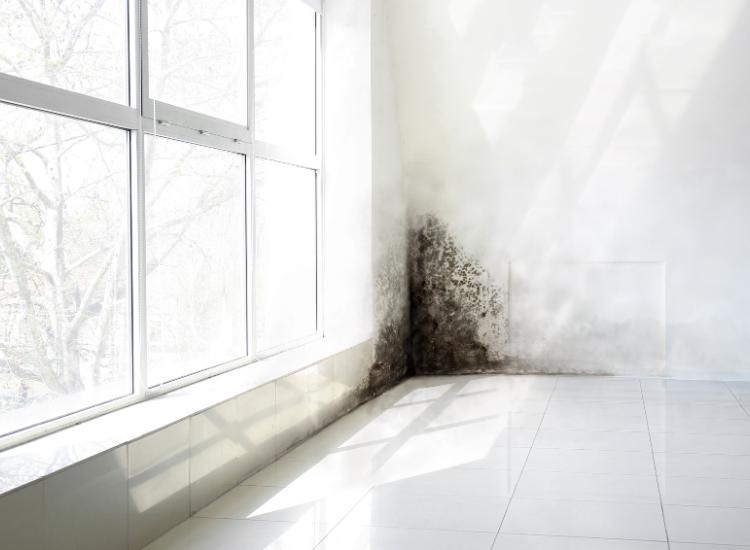
Condensation on windows occurs when warm, moisture-laden indoor air contacts cold glass surfaces, causing water vapor to convert into liquid droplets. While minor condensation is normal during Chicago’s brutal winter
Read More

How does fire damage affect my home’s electrical system?

Fire damage severely compromises your home’s electrical system through multiple mechanisms: extreme heat melts wire insulation and degrades connections, corrosive smoke residue damages components and creates short-circuit risks, and water
Read More

What is thermal imaging used for in water damage assessment?

Thermal imaging cameras detect temperature variations across building surfaces, revealing hidden moisture intrusion that isn’t visible to the naked eye. This non-invasive technology allows water damage restoration professionals to identify
Read More

What’s the difference between water mitigation and restoration?

When water damage strikes your home, the recovery process happens in two distinct phases. Water mitigation is the immediate emergency response focused on stopping further damage—extracting standing water, drying out
Read More