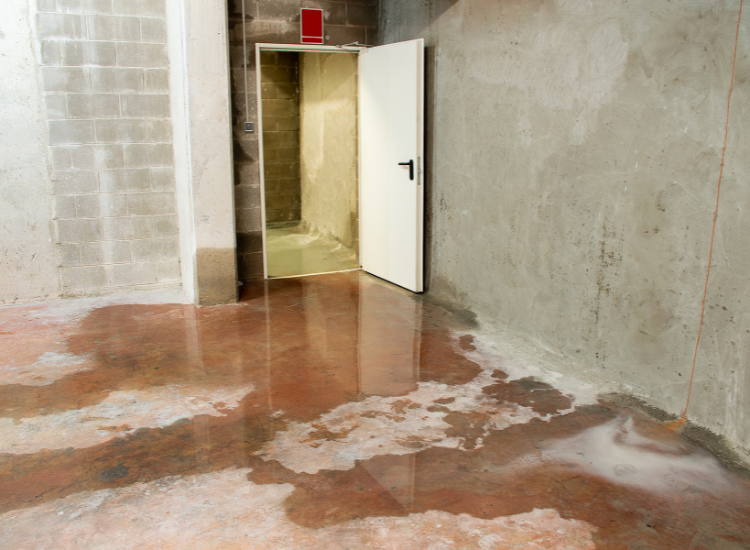
First, ensure electrical safety by avoiding standing water near outlets or appliances, then stop the water source if possible and call a professional restoration company. Quick action within the first 24-48 hours is critical to prevent mold growth and structural damage. Document the damage with photos for insurance purposes, and begin removing valuable items from the affected area if you can do so safely.
Immediate Safety Steps
Your safety is the top priority when discovering water in your basement. Before entering the flooded area, assess the situation from the stairs. If water levels are high or you see outlets, electrical panels, or appliances in contact with water, do not enter. Instead, shut off power to the basement at your main electrical panel if you can access it safely from a dry area.
For Chicago-area homeowners with historic bungalows, two-flats, or older homes common throughout neighborhoods like Beverly, Logan Square, and Oak Park, electrical systems may be older and potentially more hazardous when exposed to water. Never assume an area is safe—when in doubt, wait for professional assistance.
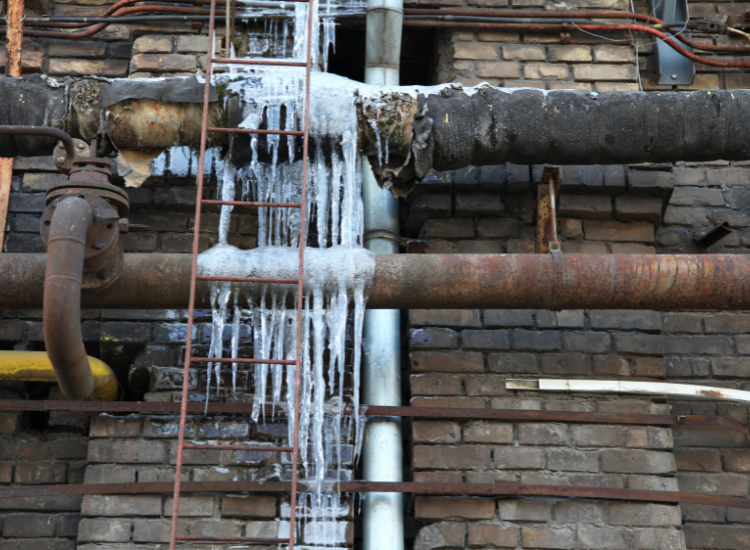
Once you’ve confirmed the area is electrically safe, identify the water source. If it’s a burst pipe—common during our brutal Chicago winters when temperatures plummet below zero—locate your main water shutoff valve and turn it off immediately. For sump pump failures, a frequent culprit during spring thaw seasons across DuPage and Cook Counties, you may need professional pump repair or replacement.
Document Everything Immediately
Before removing water or beginning cleanup, thoroughly document the damage. Take photos and videos of the water level, affected items, and any visible damage to walls, flooring, or belongings. Capture images showing the water source if identifiable. This documentation is essential for insurance claims and helps restoration professionals assess the situation accurately.
Note the time you discovered the water and any relevant details: recent weather events, when you last checked the basement, and what you were doing when you noticed the problem. In the Chicagoland area, context matters—spring flooding from heavy rainfall, summer sewer backups during severe thunderstorms, or winter freeze-related pipe bursts all require different restoration approaches.
Contact Professional Water Restoration Services
Time is your enemy with water damage. Within 24-48 hours, mold spores can begin colonizing damp materials—a particular concern during Chicago’s humid summer months when conditions are ideal for rapid mold growth. Professional restoration companies like Redefined Restoration operate 24/7 emergency response teams equipped to handle water extraction, drying, and damage mitigation.
Professional restoration services bring industrial-grade equipment including high-powered water extractors, commercial dehumidifiers, and air movers that dramatically accelerate drying times compared to household fans and shop vacuums. They also understand the unique challenges of Chicago-area homes, from the porous materials in older foundations to the finished basements common in ranch homes throughout Naperville, Schaumburg, and Arlington Heights.
Remove Valuables and Begin Water Extraction
If it’s safe to enter, remove valuable items, important documents, and electronics from the affected area. Move furniture to dry areas when possible, placing aluminum foil or wood blocks under furniture legs to prevent staining and further water absorption.
For minor water intrusion, you can begin extraction using a wet/dry vacuum or shop vac. However, understand that residential equipment is inadequate for significant flooding. Standing water in basements—whether from sump pump failure, sewer backup, or foundation seepage—requires professional-grade extraction equipment.
Prevent Secondary Damage
Open windows if weather permits to increase ventilation, though this isn’t advisable during humid Chicago summers when outside moisture can worsen indoor conditions. Use fans to promote air circulation and consider running dehumidifiers if you have them available.
Remove wet carpeting, padding, and damaged drywall promptly. These materials absorb water readily and become mold breeding grounds. In many Chicago-area basements, particularly in older homes throughout Evanston, Elmhurst, and Downers Grove, finished basement materials may need complete removal and replacement after significant water exposure.
Why Professional Restoration Matters
Water damage extends beyond what’s visible. Moisture penetrates wall cavities, insulation, and subfloors where it causes hidden damage and creates perfect mold growth conditions. Professional restoration companies use moisture meters and thermal imaging to identify all affected areas, ensuring complete drying and preventing future problems.
For Chicagoland homeowners, professional restoration also means understanding local building codes, permit requirements, and insurance procedures specific to Illinois.
Take Action Now
Don’t wait when water threatens your home. Redefined Restoration serves Chicago and surrounding communities including Orland Park, Tinley Park, Lakeview, Hyde Park, Wicker Park, and throughout Cook, DuPage, Lake, Will, and Kane Counties with 24/7 emergency water damage response. Our certified technicians understand the unique challenges of Chicago-area homes and weather conditions, delivering fast, effective restoration that gets your home back to normal.
Contact Redefined Restoration today at https://redefinedresto.com for immediate assistance with basement flooding, water damage, and complete restoration services.