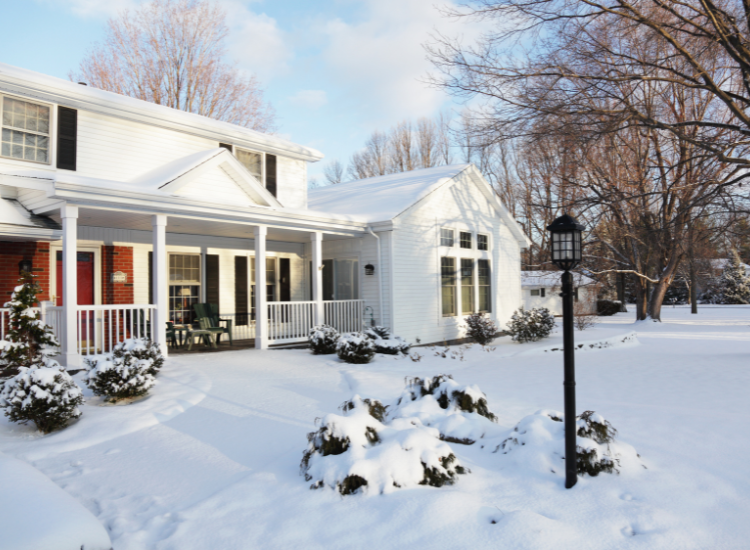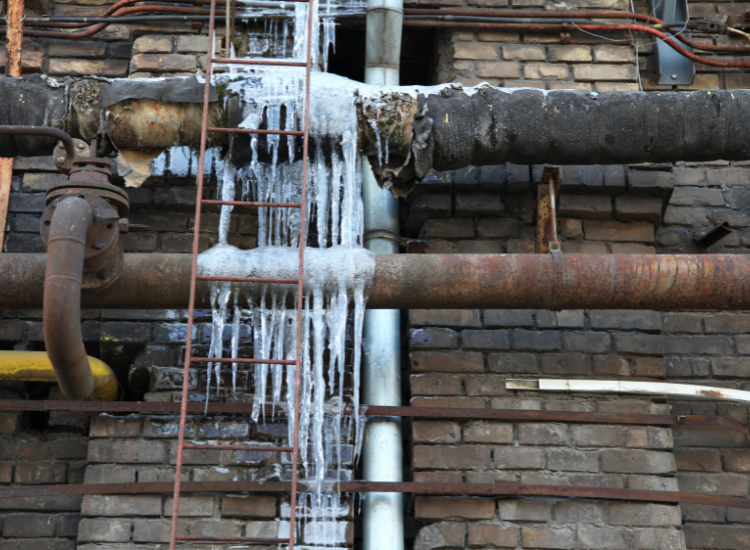
Extreme sub-zero temperatures during polar vortex events can freeze pipes in exterior walls, crawl spaces, attics, and unheated areas, causing water inside to expand and crack or burst the pipes. When temperatures rise and the ice thaws, these damaged pipes release water throughout your home, often causing extensive damage before you even realize there’s a problem. Chicago-area homeowners face particularly high risk during polar vortex events when temperatures can plummet to -20°F or lower, especially in older homes with less insulation or pipes running through unheated spaces.
Understanding How Polar Vortex Conditions Freeze Pipes
When arctic air masses push down from the polar vortex, Chicagoland temperatures can drop dangerously low for extended periods. Water freezes at 32°F, but your pipes become vulnerable when temperatures drop below 20°F, especially when combined with wind chill that strips heat from exterior walls.
The freezing process is particularly destructive because water expands by approximately 9% as it turns to ice. This expansion creates immense pressure inside your pipes—often exceeding 2,000 pounds per square inch. Even the most durable copper, PVC, or galvanized pipes can crack under this stress. The damage typically occurs not at the frozen section itself, but downstream where pressure builds up between the ice blockage and a closed faucet.
Historic Chicago bungalows, classic two-flats, and older homes throughout Cook, DuPage, Lake, Will, and Kane Counties are especially vulnerable. Many of these properties feature pipes running through uninsulated exterior walls, unheated crawl spaces, or attics—all prime locations for freeze damage during polar vortex events.
Which Pipes Are Most at Risk
Exterior Wall Pipes
Pipes running through exterior walls face the greatest risk, especially on north-facing walls that receive minimal sunlight during winter. This is common in bathrooms and kitchens in homes throughout Lincoln Park, Lakeview, Oak Park, Evanston, and other established neighborhoods.
Crawl Space and Basement Pipes
Many suburban homes in Naperville, Schaumburg, Arlington Heights, Elmhurst, and Downers Grove feature crawl spaces where pipes are exposed to outside air. Even finished basements can have vulnerable pipes near foundation walls or in utility rooms.
Garage and Attic Pipes
Water lines running through unheated garages or attic spaces are extremely vulnerable. The temperature in these areas can match outdoor conditions during polar vortex events.
Outdoor Fixtures
Exterior faucets, sprinkler system lines, and swimming pool supply lines require special attention before polar vortex temperatures arrive.
Prevention Strategies for Polar Vortex Events
Before the Cold Snap Arrives
When meteorologists forecast polar vortex conditions for the Chicago area, take immediate action. Insulate exposed pipes with foam pipe insulation or heat tape. Seal air leaks in crawl spaces, basements, and attics where cold air can reach plumbing. Disconnect and drain outdoor hoses, and shut off interior valves supplying outdoor faucets.
During Extreme Cold
Keep your thermostat set to at least 55°F, even when you’re away. Open cabinet doors under sinks to allow warm air circulation around pipes. Let faucets drip slightly—the small amount of running water helps prevent freezing by relieving pressure and keeping water moving. This is especially important for faucets on exterior walls.
For Extended Absences
If you’re leaving your Orland Park, Tinley Park, or Hyde Park home during winter, never turn your heat off completely. Consider having someone check your property daily during polar vortex warnings. Know where your main water shut-off valve is located so you or your designee can act quickly if problems develop.
Signs Your Pipes May Be Frozen
Reduced water pressure or no water flow from faucets indicates a potential freeze. You might also notice frost on exposed pipes, unusual sounds when running water, or strange odors from drains caused by trapped air. If you notice these signs, act immediately to prevent bursting.
What to Do If Pipes Freeze or Burst
If you discover frozen pipes, shut off your main water supply immediately to minimize damage if they burst. Never use open flames to thaw pipes—use a hair dryer, space heater, or warm towels instead. Start thawing from the faucet end and work backward toward the frozen section.
If pipes have already burst, shut off the water main, turn off electricity in affected areas if water is present, and document the damage with photos. Remove standing water quickly to prevent secondary damage like mold growth—a significant concern in Chicago’s humid climate.
Professional Help When You Need It Most
Polar vortex pipe failures can cause devastating water damage throughout Logan Square, Wicker Park, Beverly, and surrounding communities. Redefined Restoration provides 24/7 emergency response when frozen pipes burst in your home. Our team handles water extraction, structural drying, pipe repair coordination, and complete restoration to return your property to pre-loss condition.
Don’t let polar vortex temperatures put your home at risk. Contact Redefined Restoration at https://redefinedresto.com or call us immediately if you’re experiencing frozen pipe issues or water damage. We serve all Chicagoland communities and respond quickly to winter emergencies.