
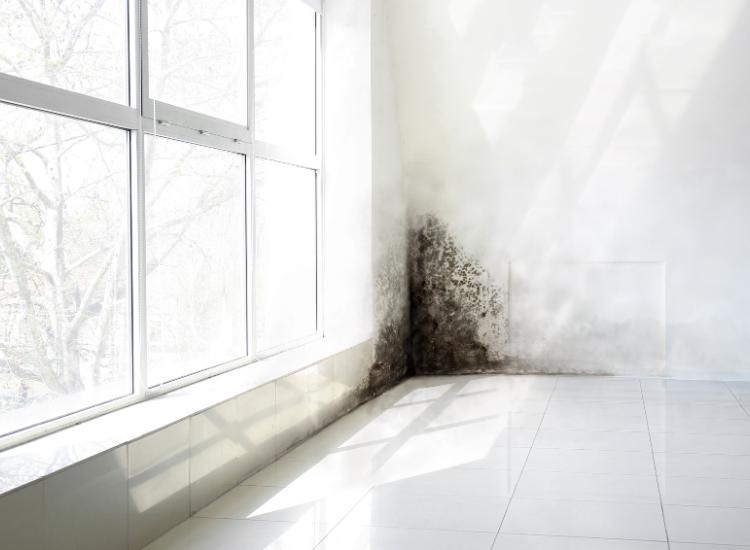
Mold can begin growing within 24-48 hours after water damage occurs, though spores can start colonizing damp surfaces in as little as 12 hours under ideal conditions. The combination of moisture, warmth, and organic materials found in most Chicago-area homes creates the perfect environment for rapid mold growth. This is why immediate water extraction and thorough drying are absolutely critical following any flooding, leak, or water intrusion event. The longer water sits in your home, the greater your risk of facing a costly mold remediation problem on top of the original water damage.
Understanding Mold Growth Timelines
When water damage strikes your home—whether from a burst pipe during a January cold snap, spring basement flooding, or summer storm damage—the clock starts ticking immediately. Mold spores are present everywhere, both indoors and outdoors, lying dormant until they encounter the moisture they need to thrive.
Within the first 24 hours, mold spores begin absorbing water and preparing to colonize. Between 24-48 hours, you’ll typically see the first signs of mold growth on porous materials like drywall, carpet padding, wood, and insulation. By day three to seven, mold colonies become visible and start spreading rapidly throughout affected areas. After one week or more, mold can penetrate deep into building materials and potentially spread through your HVAC system to unaffected areas of your home.
Why Chicago-Area Homes Face Elevated Mold Risks
Homes throughout Chicago, Oak Park, Evanston, Naperville, and surrounding Chicagoland communities face unique mold challenges due to our regional climate patterns. Our humid summers create baseline moisture conditions that accelerate mold growth following any water damage event. The situation becomes even more problematic in finished basements—a feature found in countless Chicago bungalows, two-flats, and suburban ranch homes across Cook, DuPage, Lake, Will, and Kane Counties.
Spring brings additional concerns as melting snow and seasonal rains lead to elevated groundwater levels and frequent basement flooding. Summer humidity combined with inadequate ventilation creates ideal mold-growing conditions in attics, crawl spaces, and basement areas. Even our brutal winters contribute to mold problems when ice dams cause roof leaks or frozen pipes burst, releasing water into wall cavities and other hidden spaces where mold can grow undetected.
Critical Factors That Accelerate Mold Growth
Several environmental factors determine how quickly mold establishes itself in your home:
Moisture Levels
Mold requires moisture above 60% relative humidity to grow. Standing water, wet building materials, or even high ambient humidity from poor ventilation can trigger mold colonization.
Temperature
Mold thrives in temperatures between 60-80°F—exactly the range most homeowners maintain for comfort. This means mold can grow year-round in Chicago-area homes if moisture is present.
Organic Materials
Mold feeds on cellulose-based materials including drywall paper, wood, fabric, carpet, and even dust. Unfortunately, these materials are found throughout virtually every home in Lincoln Park, Schaumburg, Elmhurst, and beyond.
Oxygen and Darkness
Mold grows in the presence of oxygen and actually prefers dark, undisturbed spaces like inside walls, under carpets, and in attic insulation—making early detection challenging.
Immediate Steps to Prevent Mold Growth
The key to preventing mold is acting within that critical 24-48 hour window:
Stop the water source immediately. Whether it’s a broken pipe, roof leak, or sump pump failure, eliminate the moisture entry point.
Extract standing water quickly. Professional water extraction equipment removes water far more thoroughly than shop vacuums or mops.
Remove wet materials. Carpet padding, insulation, and other porous materials that cannot be dried within 48 hours should be removed and discarded.
Dry everything thoroughly. Industrial dehumidifiers and air movers must run continuously until moisture meters confirm all materials are completely dry—typically 3-5 days minimum.
Monitor humidity levels. Keep indoor relative humidity below 50% to prevent mold growth.
When to Call Professional Restoration Services
While minor water incidents affecting small areas might be manageable as DIY projects, most water damage scenarios in Orland Park, Tinley Park, Arlington Heights, Downers Grove, and throughout Chicagoland require professional intervention. Contact restoration experts immediately if:
- Water damage affects more than 10 square feet
- Water has been standing for more than 24 hours
- The water source was contaminated (sewage backup, flooding)
- Water has penetrated walls, ceilings, or flooring
- You notice musty odors indicating hidden moisture
Professional restoration companies have industrial-grade equipment, moisture detection tools, and expertise to ensure your home is properly dried before mold can establish itself.
Let Redefined Restoration Protect Your Home
Don’t gamble with mold growth after water damage. Redefined Restoration provides 24/7 emergency water extraction and drying services throughout Chicago and surrounding communities. Our certified technicians respond quickly to prevent mold before it starts, using advanced moisture detection equipment and proven drying techniques. Contact us immediately at https://redefinedresto.com for rapid response water damage restoration that protects your home and your family’s health.