When water damage strikes your home, the recovery process happens in two distinct phases. Water mitigation is the immediate emergency response focused on stopping further damage—extracting standing water, drying out affected areas, and stabilizing the property. Restoration is the second phase where damaged materials are repaired or replaced, returning your home to its pre-loss condition. Understanding this difference helps you know what to expect during the recovery timeline.
Understanding Water Mitigation: The Emergency Response Phase
Water mitigation begins the moment professionals arrive at your property. This critical first phase focuses entirely on damage control and preventing secondary problems from developing. In the Chicago area, quick mitigation is especially crucial—whether you’re dealing with a burst pipe during a January polar vortex in Lincoln Park or basement flooding from spring storms in Naperville.
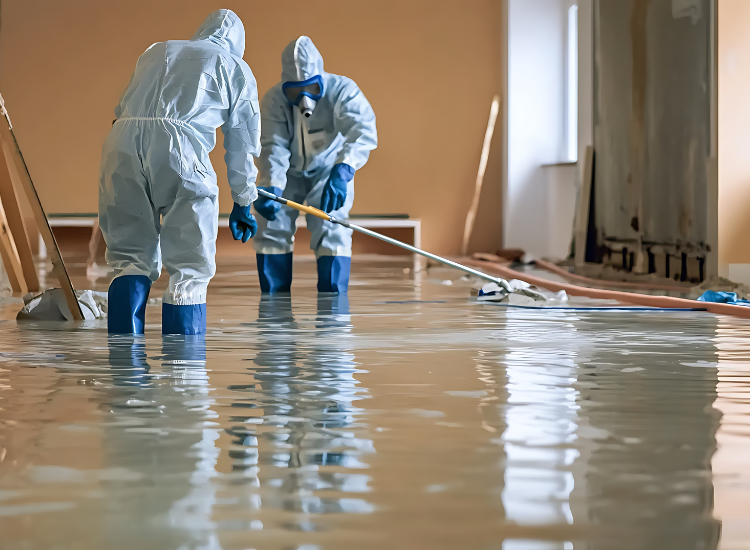
The mitigation process includes water extraction using industrial pumps and vacuums, removing soaked materials that can’t be saved, setting up commercial dehumidifiers and air movers, treating affected areas with antimicrobial solutions to prevent mold growth, and documenting all damage for insurance purposes. Time is absolutely critical during this phase. Mold can begin growing within 24-48 hours in Chicago’s humid summer conditions, and structural damage worsens the longer materials remain wet.
Common Mitigation Scenarios in Chicagoland
Our service areas throughout Cook, DuPage, Lake, Will, and Kane Counties present unique mitigation challenges. In historic Chicago bungalows and greystones in neighborhoods like Hyde Park and Beverly, aging plumbing systems are particularly vulnerable during winter freeze-thaw cycles. When pipes burst in walls or crawl spaces, immediate water extraction prevents damage to original hardwood floors and plaster walls.
Basement flooding from sump pump failures or sewer backups requires rapid response in areas like Oak Park, Evanston, and Elmhurst where many homes feature finished basements. Spring flash flooding can overwhelm municipal systems, particularly in lower-lying areas of suburbs like Downers Grove and Orland Park. The mitigation team will extract water, remove saturated drywall and insulation, and begin the drying process before mold takes hold.
Ice dams during heavy lake-effect snowfall create unique challenges for two-flats and multi-story homes throughout the region. When melting snow backs up under shingles, water seeps into attics and walls. Quick mitigation prevents insulation damage and ceiling collapse.
The Restoration Phase: Rebuilding Your Home
Once mitigation stabilizes your property and everything is thoroughly dried (typically 3-5 days depending on the extent of damage), restoration begins. This phase transforms your water-damaged property back into a livable home. Think of mitigation as emergency medicine and restoration as the surgery and rehabilitation that follows.
Restoration work includes replacing damaged drywall, flooring, and insulation, repairing or replacing affected cabinetry and trim, repainting walls and ceilings, replacing damaged fixtures and appliances, and addressing any structural repairs needed. For extensive damage, restoration might involve complete room reconstruction or even additions to correct underlying issues that contributed to the damage.
Timeline Expectations for Chicago-Area Properties
The restoration timeline varies significantly based on damage extent. A single-room water leak in an Arlington Heights ranch might require only a week of restoration after mitigation. However, a basement flood affecting multiple rooms in a Schaumburg home could take 2-4 weeks for complete restoration.
Winter damage often extends restoration timelines in the Chicago area. When bitter February temperatures prevent certain exterior work, or when multiple properties across Chicagoland experience simultaneous freeze damage, material availability and contractor scheduling can affect your restoration schedule. Working with a company that handles both mitigation and restoration streamlines this process significantly.
Why the Two-Phase Process Matters
Separating mitigation and restoration serves important practical and insurance purposes. Insurance companies typically cover mitigation costs immediately as emergency services, while restoration work requires detailed estimates and approval. This two-phase approach also ensures your home is completely dry before reconstruction begins—crucial in our humid climate where trapped moisture leads to ongoing mold problems.
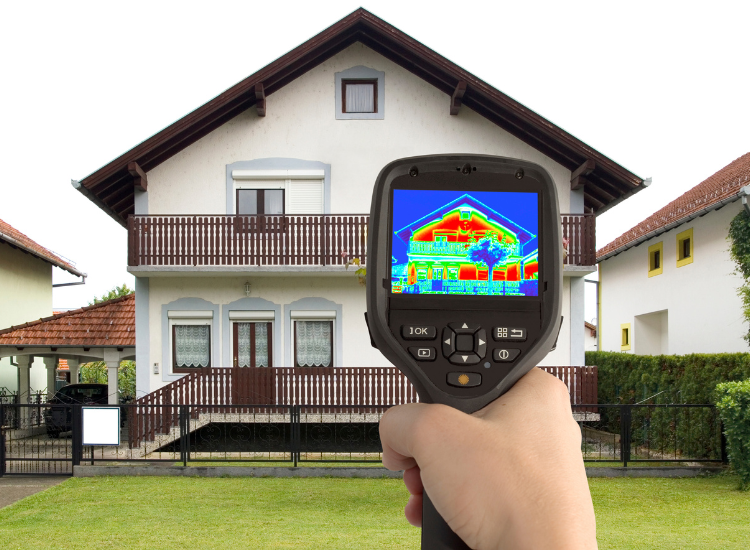
Attempting restoration before proper mitigation and drying creates serious risks. Sealing wet materials inside walls turns your home into an incubator for mold growth, particularly during Chicago’s muggy summer months. Professional moisture meters and thermal imaging ensure complete drying before restoration proceeds.
Professional Response for Both Phases
At Redefined Restoration, we handle both mitigation and restoration services throughout the Chicagoland area, from Tinley Park to Wicker Park and everywhere in between. Our comprehensive approach means you work with one trusted team from emergency response through final reconstruction, eliminating the confusion and delays of coordinating multiple contractors.
Whether you’re facing frozen pipe damage during a sub-zero winter night, storm flooding during severe spring thunderstorms, or sewage backup in your vintage Chicago two-flat, we respond 24/7 with immediate mitigation services. Our team understands the unique challenges of our region’s housing stock and weather patterns, ensuring both quick emergency response and quality restoration work.
Don’t wait when water damage strikes your Chicago-area home. Contact Redefined Restoration at https://redefinedresto.com for immediate 24/7 emergency mitigation services and comprehensive restoration throughout Cook, DuPage, Lake, Will, and Kane Counties. From emergency water extraction to complete reconstruction, we’re your single-source solution for water damage recovery.