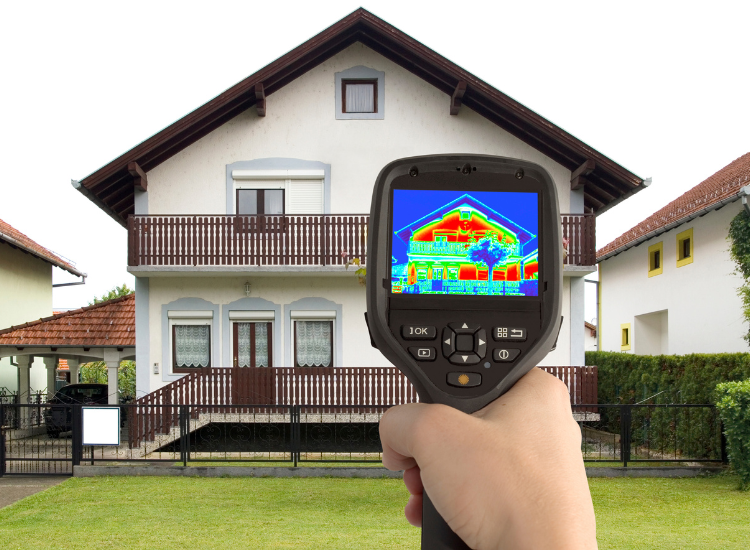
Thermal imaging cameras detect temperature variations across building surfaces, revealing hidden moisture intrusion that isn’t visible to the naked eye. This non-invasive technology allows water damage restoration professionals to identify the full extent of water damage in walls, ceilings, floors, and insulation without tearing into structures. By mapping temperature differences—wet materials appear cooler than dry materials—technicians can target remediation efforts precisely, saving property owners time and money while ensuring thorough moisture removal.
How Thermal Imaging Technology Works in Water Damage Detection
Thermal imaging cameras, also called infrared cameras, measure infrared radiation emitted from surfaces and convert it into visual temperature maps. When water infiltrates building materials like drywall, insulation, or wood framing, evaporative cooling creates distinct temperature patterns. These cooler zones appear as different colors on the thermal camera’s display—typically darker blues and purples compared to the warmer oranges and reds of dry materials.
This temperature differential exists because wet materials conduct heat differently than dry materials and because evaporation is an endothermic process that draws heat away from surfaces. Even when moisture is hidden behind walls or under flooring, the thermal signature reveals its presence, giving restoration professionals X-ray-like vision into your home’s structure.
For Chicago-area homes—from historic bungalows in Beverly to classic greystones in Lincoln Park—this technology proves invaluable. Many of these older structures have plaster walls, multiple layers of flooring, and finished spaces that would be costly and time-consuming to investigate through traditional destructive testing methods.
Key Applications in Water Damage Assessment
Locating Hidden Water Migration Paths
Water rarely stays where it first enters a building. During Chicago’s harsh winters, a burst pipe in a second-floor bathroom can send water traveling through wall cavities, along floor joists, and into first-floor ceilings. Thermal imaging tracks this migration pattern, revealing the complete water damage footprint. This comprehensive mapping is essential in two-flats and multi-level homes common throughout Evanston, Oak Park, and Chicago neighborhoods, where water can travel between units.
Identifying Roof Leaks and Ice Dam Damage
Ice dams create particularly challenging water damage scenarios during Chicago’s brutal winter months. As snow melts and refreezes at roof edges, water backs up under shingles and seeps into attic spaces and exterior walls. Thermal imaging conducted from inside the home can pinpoint these leak locations even when the entry point is obscured by insulation or when water has traveled along rafters before dripping into living spaces.
Detecting Basement and Foundation Moisture
Basement flooding ranks among the most common restoration emergencies in Chicagoland communities. Whether from sump pump failure during spring storms, sewer backups, or foundation cracks stressed by freeze-thaw cycles, basement water damage often extends beyond what’s immediately visible. Thermal imaging reveals moisture wicking up concrete walls, saturating rim joists, and hiding beneath finished basement flooring—crucial information for preventing mold growth in the humid summer months that follow.
Verifying Complete Drying
Perhaps thermal imaging’s most critical function is confirming that affected materials have completely dried before reconstruction begins. Moisture trapped in wall cavities or subfloors creates perfect conditions for mold growth—a serious concern in Chicago’s humid summers. Thermal cameras provide objective documentation that moisture levels have returned to normal, protecting both the restoration company and homeowner from future problems.
Benefits Over Traditional Moisture Detection Methods
While pin-type and pinless moisture meters remain valuable tools, thermal imaging offers several advantages. It surveys large areas quickly, requires no surface contact, and detects moisture in areas that physical meters cannot reach. The visual thermal maps also help homeowners understand the extent of damage and the scope of necessary remediation work.
For insurance documentation, thermal images provide compelling visual evidence of water damage extent, supporting claims related to storm damage, plumbing failures, or appliance leaks throughout Cook, DuPage, Lake, Will, and Kane County properties.
When to Request Thermal Imaging
If you’ve experienced any water intrusion event—from minor pipe leaks to major flooding—professional thermal imaging assessment ensures complete damage identification. This is particularly important when water sources are on upper floors, when damage occurred while you were away, or when you notice musty odors or discoloration but can’t identify the moisture source.
Trust the Experts at Redefined Restoration
At Redefined Restoration, our certified technicians use advanced thermal imaging technology as part of comprehensive water damage assessments throughout Chicagoland—from Naperville to Schaumburg, Arlington Heights to Orland Park, and everywhere in between. We understand how Chicago’s extreme weather challenges your property, and we’re available 24/7 for emergency response.
Don’t let hidden moisture damage your home’s structure or create health hazards for your family. Contact Redefined Restoration at https://redefinedresto.com or call us immediately for professional water damage assessment using state-of-the-art thermal imaging technology. Our quick response and thorough detection methods protect your property investment and restore your peace of mind.