Why does my basement smell musty even after cleaning?

Dark and empty old stone basement.

A persistently musty basement smell after cleaning indicates hidden moisture sources and active mold growth in concealed areas like wall cavities, insulation, beneath flooring, or within HVAC systems. Surface cleaning alone cannot address mold colonies growing in these hidden spaces or resolve the underlying moisture problems feeding them. Chicago-area homes face particular challenges with basement humidity due to our wet springs, humid summers, and the prevalence of below-grade living spaces in our classic bungalows, two-flats, and older housing stock.

Understanding Why Musty Odors Persist

That distinctive musty smell is caused by microbial volatile organic compounds (MVOCs)—gases released by actively growing mold and mildew. When the odor returns quickly after cleaning, it signals that you’ve addressed surface mold but haven’t eliminated the moisture source or reached hidden growth areas.

In Chicagoland homes, basement moisture problems stem from multiple sources. Our clay-heavy soils throughout Cook, DuPage, and Will Counties retain water and create hydrostatic pressure against foundation walls. Spring rains and summer humidity keep relative humidity levels high. Many older Chicago bungalows and greystones were built before modern waterproofing standards existed, making them particularly vulnerable to moisture infiltration.

The freeze-thaw cycles from our brutal winters can create foundation cracks that allow water seepage. Homes in communities like Evanston, Oak Park, and Lincoln Park often feature historic masonry that develops gaps and deteriorating mortar joints over time. Even a small crack can introduce enough moisture to support significant mold growth within wall assemblies.

Hidden Moisture Sources in Your Basement

Behind Finished Walls and Ceilings

Finished basements are common in neighborhoods throughout Naperville, Schaumburg, and Arlington Heights, providing valuable living space. However, finishing a basement can trap moisture against foundation walls and create ideal mold-growing conditions behind drywall where you cannot see or clean it.

Water may be wicking through foundation walls, condensing on cold surfaces, or entering through rim joist areas. Insulation in these wall cavities can hold moisture like a sponge, providing perfect conditions for mold colonies to flourish undetected.

Beneath Flooring Materials

Carpet, laminate, and vinyl flooring can trap moisture against concrete slabs. Previous flooding events—whether from sump pump failure, sewer backup, or the flash flooding common during our severe spring and summer thunderstorms—may have left moisture in the pad or subflooring that never fully dried.

Concrete basement floors in older Elmhurst, Downers Grove, and Orland Park homes often lack proper vapor barriers, allowing ground moisture to wick upward through the porous concrete and into flooring materials above.

HVAC Systems and Ductwork

Air conditioning systems produce condensation during our humid Chicago summers. If drainage systems malfunction or ducts aren’t properly insulated, moisture accumulates in ductwork and grows mold that spreads spores throughout your home every time the system runs.

Furnace humidifiers, common in our dry winter months, can malfunction and introduce excessive moisture. Ductwork running through unconditioned basement spaces may develop condensation on exterior surfaces.

Crawl Spaces and Sump Pump Areas

Many homes throughout Tinley Park, Hyde Park, and Beverly feature crawl spaces or utility areas that homeowners rarely inspect. These spaces often have dirt floors, inadequate ventilation, and standing water issues that create ongoing moisture problems affecting adjacent finished areas.

Sump pump basins can harbor mold growth, especially if they’re uncovered or if the pump runs frequently during our wet spring season. The moisture and organic matter in these basins create perfect mold-growing conditions.

Why Professional Assessment Is Essential

Effective mold remediation requires identifying all moisture sources and hidden growth areas. Professional mold inspectors use thermal imaging cameras to detect temperature differences indicating moisture within walls, moisture meters to measure hidden dampness, and air quality testing to identify elevated mold spore levels.

At Redefined Restoration, we’ve served Chicago and surrounding Chicagoland communities through countless basement moisture challenges unique to our region. We understand how lake effect weather patterns, clay soils, and aging housing stock create the perfect storm for persistent basement moisture problems.

Our comprehensive approach addresses both visible mold and hidden colonies, eliminates moisture sources, and implements preventive measures to keep basements dry and healthy. We work with your insurance company to streamline the claims process and get your home restored quickly.

Take Action Against Persistent Musty Odors

Don’t let a musty basement smell compromise your indoor air quality and property value. Hidden mold growth worsens over time, potentially causing structural damage and health concerns for your family.

Contact Redefined Restoration today at https://redefinedresto.com for a professional basement moisture assessment. Our experienced team serves all of Chicagoland, including Chicago neighborhoods from Lakeview to Logan Square, and suburban communities throughout Cook, DuPage, Lake, Will, and Kane Counties. We’ll identify the source of your moisture problem, eliminate hidden mold growth, and implement lasting solutions to keep your basement dry and odor-free year-round.
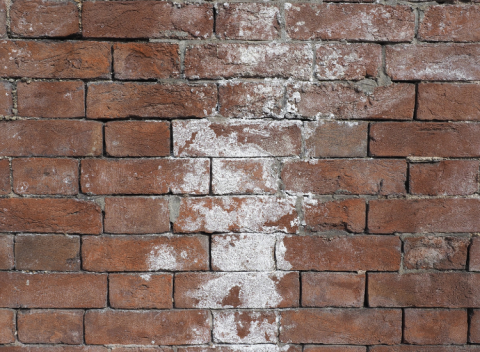
What causes efflorescence on basement walls?

Close-up of a weathered red brick wall.

Efflorescence is the white, chalky, or crystalline deposit that appears on basement walls when water seeps through concrete or masonry, carrying dissolved salts to the surface. As the water evaporates, it leaves behind these mineral deposits, creating a powdery or crusty residue. While efflorescence itself is harmless, it’s a clear warning sign of moisture intrusion that needs immediate attention to prevent more serious water damage, mold growth, and structural issues in your Chicago-area home.

Understanding the Science Behind Efflorescence

Efflorescence occurs through a straightforward chemical process. Water penetrating your basement walls dissolves salts naturally present in concrete, mortar, brick, or the surrounding soil. As this moisture-laden water moves through the porous masonry and reaches the surface, it evaporates into your basement air. The dissolved minerals—primarily calcium carbonate, sodium sulfate, and potassium sulfate—cannot evaporate and are left behind as visible white deposits.

This process requires three elements: water-soluble salts in the masonry, moisture to dissolve and transport those salts, and evaporation to deposit the minerals on the surface. The presence of efflorescence always indicates active moisture movement through your walls, making it an important early warning system for homeowners throughout Cook, DuPage, Lake, Will, and Kane County communities.

Primary Causes of Basement Wall Efflorescence in Chicagoland Homes

Exterior Water Pressure and Poor Drainage

Chicago’s heavy spring rains and summer thunderstorms create significant hydrostatic pressure against foundation walls. When gutters overflow, downspouts discharge too close to the foundation, or yard grading slopes toward your home, water accumulates around your basement walls. This standing water finds its way through tiny cracks and pores in the concrete, carrying salts along for the journey.

Historic Chicago bungalows and classic greystones built before modern waterproofing standards are particularly vulnerable. Many older homes in Lincoln Park, Hyde Park, Oak Park, and Evanston lack proper exterior drainage systems, making efflorescence a common issue during our wet spring months from March through May.

Freeze-Thaw Damage and Foundation Cracks

Chicago’s brutal freeze-thaw cycles create and expand foundation cracks each winter. When water enters concrete during our milder fall days, then freezes during sub-zero polar vortex events in January and February, it expands with tremendous force. This process creates new pathways for water infiltration and widens existing cracks.

Homes in Naperville, Schaumburg, Arlington Heights, and other suburban communities with seasonal temperature extremes experience particularly aggressive freeze-thaw damage. Each cycle increases porosity in the concrete, allowing more water—and more dissolved salts—to migrate through your basement walls.

High Water Table and Seasonal Groundwater

Many Chicagoland neighborhoods sit in areas with naturally high water tables, especially communities near Lake Michigan like Lakeview, Evanston, and areas along the lakefront. During heavy spring rainfall, the water table rises, pushing moisture through basement walls from below and along the sides.

Finished basements in mid-century ranch homes throughout Elmhurst, Downers Grove, and Orland Park face particular challenges when groundwater levels rise. The constant moisture pressure creates persistent efflorescence that returns even after cleaning if the underlying water issue isn’t addressed.

Capillary Action in Concrete

Concrete acts like a sponge through microscopic pores and capillaries. Even when there isn’t obvious water infiltration, these tiny channels can wick moisture from damp soil through your basement walls. This capillary action is particularly active in Chicago’s humid summer months from June through August when soil moisture levels remain high.

Two-flats and greystones in Logan Square, Wicker Park, and Beverly often show efflorescence near floor-wall joints where capillary action is strongest. The constant upward moisture movement brings a steady supply of salts to the surface.

Why You Shouldn’t Ignore Efflorescence

While the white deposits themselves won’t harm your basement, they signal ongoing moisture problems that can lead to serious issues. Persistent water infiltration promotes mold growth in Chicago’s humid climate, deteriorates concrete and mortar over time, damages finished basement spaces, ruins stored belongings, and creates musty odors. The moisture conditions that cause efflorescence also attract termites and other pests that thrive in damp environments.

Professional Solutions for Chicagoland Basements

Addressing efflorescence requires fixing the underlying moisture problem, not just cleaning the deposits. Professional waterproofing solutions include exterior excavation and waterproofing membrane installation, interior French drain and sump pump systems, crack injection and foundation repair, proper grading and drainage improvements, and dehumidification for ongoing moisture control.

At Redefined Restoration, we understand the unique challenges Chicago-area homes face, from winter freeze damage to spring flooding. Our team serves homeowners throughout Tinley Park, and all surrounding Chicagoland communities with comprehensive moisture assessments and permanent waterproofing solutions.

Take Action to Protect Your Home

Don’t wait for efflorescence to turn into a major water damage emergency. Our experienced restoration specialists will identify the source of your moisture intrusion and implement lasting solutions tailored to your home’s specific needs and Chicago’s demanding climate.

Contact Redefined Restoration today at https://redefinedresto.com for a professional basement moisture assessment. We provide 24/7 emergency service throughout the Chicago area and work directly with insurance companies to make the restoration process as smooth as possible.

Can I paint over smoke-damaged walls?

A room renovation setup with paint buckets.

Not without proper cleaning and sealing first—smoke residue will bleed through new paint and odors will persist. Smoke damage penetrates porous surfaces like drywall and plaster, leaving behind acidic soot, tar-like residues, and stubborn odors that standard paint cannot cover. Simply painting over smoke-damaged walls will result in yellow or brown stains bleeding through your fresh coat within days or weeks, along with lingering smoke smells that permeate your home.

Understanding Why Paint Alone Won’t Work

Smoke damage is deceptively complex. When materials burn, they release particles that settle on every surface and penetrate deep into porous materials like drywall, wood trim, and plaster—common in Chicago’s historic bungalows, greystones, and two-flats. These particles contain acids, oils, and resins that chemically bond with surfaces.

Standard latex or oil-based paints lack the sealing properties needed to lock in these contaminants. The moisture in paint can actually reactivate smoke residues, causing discoloration to bleed through. Even worse, the heat from your furnace during Chicago’s brutal winters or humidity during our muggy summers can intensify smoke odors trapped beneath the paint layer, making your restoration efforts worthless.

Smoke damage also varies significantly depending on what burned. Protein smoke from kitchen fires leaves a nearly invisible film that’s extremely difficult to remove and produces powerful odors. Synthetic materials in furniture and electronics create plastic smoke that leaves sticky, pungent residues. Each type requires specific cleaning approaches before any painting begins.

The Proper Smoke Damage Restoration Process

Step 1: Professional Assessment

Before attempting any cosmetic fixes, understanding the extent of damage is crucial. Smoke can travel through HVAC systems, settling in rooms far from the fire source. In older Chicago-area homes with balloon-frame construction—common in neighborhoods like Lincoln Park, Hyde Park, and Oak Park—smoke can travel through wall cavities between floors, creating hidden damage that will continue causing problems even after visible areas are addressed.

Step 2: Thorough Cleaning

All surfaces must be meticulously cleaned using specialized products designed for smoke residue. This includes:

  • TSP (trisodium phosphate) solutions for heavy soot deposits
  • Degreasing agents for oily smoke residues
  • HEPA vacuuming to remove loose particles before wet cleaning
  • Multiple cleaning passes as initial washes often just spread residue

Cleaning must extend beyond walls to include ceilings, floors, trim, outlets, switches, and fixtures. In Chicago’s older homes with intricate woodwork and architectural details, this process becomes even more labor-intensive but is absolutely necessary.

Step 3: Odor Sealing and Treatment

After cleaning, professional-grade odor sealing is essential. This involves:

  • Primer-sealers specifically formulated for smoke damage, such as oil-based or shellac-based products that create an impermeable barrier
  • Thermal fogging or ozone treatment to neutralize odors that have penetrated deeply into materials
  • HVAC cleaning to prevent circulation of smoke particles throughout your home

Step 4: Strategic Painting

Only after thorough cleaning and sealing should painting commence. This final step requires high-quality paint applied in proper coats to ensure even coverage and durability.

When Replacement Beats Restoration

Sometimes painting isn’t feasible, even with proper preparation. Drywall that’s heavily saturated with smoke residues, particularly from high-heat fires, may need replacement. Insulation behind walls often absorbs smoke and must be removed. In severe cases affecting older plaster walls common in Evanston, Elmhurst, or Arlington Heights homes, removal and replacement might be more cost-effective than extensive cleaning efforts.

The Risks of DIY Smoke Damage Painting

Homeowners who skip proper remediation face several problems:

  • Recurring stains that appear weeks or months later
  • Persistent odors that worsen with temperature and humidity changes
  • Health concerns from continued exposure to smoke particles and chemicals
  • Decreased property value when improperly addressed damage becomes apparent during inspections
  • Wasted money on paint and supplies that don’t solve the underlying problem

Professional Smoke Damage Restoration in Chicagoland

Redefined Restoration serves Chicago and surrounding communities including Naperville, Schaumburg, Downers Grove, Orland Park, Tinley Park, and throughout Cook, DuPage, Lake, Will, and Kane Counties. Our certified technicians understand the unique challenges of restoring smoke-damaged homes in our region’s diverse housing stock, from vintage Chicago bungalows to modern suburban construction.

We provide comprehensive smoke damage restoration that goes beyond cosmetic fixes, addressing hidden damage, eliminating odors at their source, and ensuring your home is truly restored—not just temporarily covered up.

Take the Right First Step

Don’t waste time and money painting over smoke damage that will only reappear. Contact Redefined Restoration at https://redefinedresto.com for a professional assessment. Our team will evaluate your smoke damage, develop a comprehensive restoration plan, and restore your Chicagoland home to its pre-loss condition—properly and permanently.

What’s the purpose of air scrubbers during restoration?

Blue industrial fans drying a stripped floor.

Air scrubbers with HEPA filters remove airborne particles, mold spores, smoke, and contaminants during restoration work, creating a cleaner and safer environment for both workers and property occupants. These powerful filtration systems continuously cycle air through multi-stage filters that capture microscopic particles as small as 0.3 microns, preventing cross-contamination and improving indoor air quality. In Chicago-area restoration projects—whether addressing water damage from burst pipes, mold growth from humid summers, or smoke damage from fires—air scrubbers play a critical role in protecting health and ensuring thorough remediation.

Why Air Scrubbers Are Essential in Restoration Projects

When your Chicago home experiences water damage, fire, or mold problems, the air quality inside becomes compromised immediately. Water intrusion creates the perfect environment for mold spores to become airborne, fire damage releases soot particles and odor molecules throughout your property, and demolition work during restoration kicks up dust and debris. Air scrubbers address these invisible threats that standard cleaning cannot eliminate.

In neighborhoods throughout Cook, DuPage, Lake, Will, and Kane Counties, where many homes feature finished basements and enclosed spaces, airborne contaminants can quickly spread from the affected area to other parts of your property. Without proper air filtration, restoration work can actually worsen air quality problems by disturbing settled particles and allowing them to migrate into previously unaffected rooms.

How Air Scrubbers Work During Restoration

Professional air scrubbers operate on a simple but effective principle: they draw contaminated air through a series of progressively finer filters before releasing clean air back into the space. The process typically includes:

Pre-filters that capture larger particles like dust, debris, and visible particulates from demolition work. These filters protect the more delicate HEPA filters from clogging too quickly.

HEPA filters that trap 99.97% of particles as small as 0.3 microns, including mold spores, pollen, bacteria, and fine dust. This level of filtration is critical during mold remediation projects common in Chicago’s humid summer months when basements and crawl spaces develop moisture problems.

Carbon filters that absorb odors, volatile organic compounds (VOCs), and chemical fumes. This stage is particularly important after fire damage or sewage backups, which plague many older Chicago bungalows and two-flats with aging plumbing systems.

Specific Restoration Scenarios Requiring Air Scrubbers

Water Damage and Flood Restoration

When spring flooding hits Chicagoland communities or winter freeze-thaw cycles cause burst pipes in homes from Naperville to Evanston, water damage creates immediate air quality concerns. As materials dry, moisture evaporates into the air, carrying mold spores and bacteria. Air scrubbers run continuously throughout the drying process, capturing these airborne threats before they can settle in other areas or affect your family’s health.

Mold Remediation

Chicago’s humid summers create perfect conditions for mold growth, especially in basements throughout Arlington Heights, Schaumburg, and surrounding suburbs. During mold remediation, disturbing affected materials releases millions of microscopic spores into the air. Air scrubbers create negative air pressure in contained work areas, ensuring spores don’t escape to unaffected parts of your home.

Fire and Smoke Damage Restoration

Fire restoration projects in Chicago neighborhoods like Lincoln Park, Lakeview, and Hyde Park require aggressive air scrubbing to remove soot particles and smoke odors. These microscopic particles penetrate everywhere and can cause respiratory irritation long after visible damage is repaired. Air scrubbers with carbon filtration eliminate both particles and odorous compounds.

Sewage Cleanup

Sewage backups—unfortunately common in older Chicago properties with combined sewer systems—introduce dangerous airborne pathogens. Air scrubbers protect occupants and workers by filtering out bacteria and viruses while controlling the overwhelming odors associated with category 3 water damage.

Creating Negative Air Pressure for Containment

Beyond filtration, air scrubbers create negative air pressure within containment areas during restoration. This means air flows from clean areas into the work zone, preventing contaminated air from escaping. For multi-family buildings like Chicago’s classic greystones or two-flats in Oak Park and Elmhurst, this containment prevents your restoration project from affecting neighbors.

Protection for Your Family and Restoration Teams

Air scrubbers aren’t just about protecting your property—they safeguard health. Restoration technicians working in contaminated environments and families returning to partially restored homes both benefit from dramatically improved air quality. This is especially important for vulnerable individuals with asthma, allergies, or compromised immune systems.

Trust Professional Restoration With Proper Equipment

At Redefined Restoration, we deploy commercial-grade air scrubbers on every restoration project throughout the Chicagoland area. Whether you’re dealing with basement flooding in Downers Grove, ice dam damage in Orland Park, or storm damage in Tinley Park, our team arrives with the equipment needed to protect your indoor air quality throughout the restoration process.

Don’t let invisible airborne contaminants compromise your family’s health or the quality of your restoration project. Contact Redefined Restoration at https://redefinedresto.com for professional restoration services that prioritize both thorough remediation and air quality protection. Our experienced team serves Chicago and all surrounding communities with 24/7 emergency response and comprehensive restoration solutions you can trust.