What is psychrometry and why does it matter for drying?

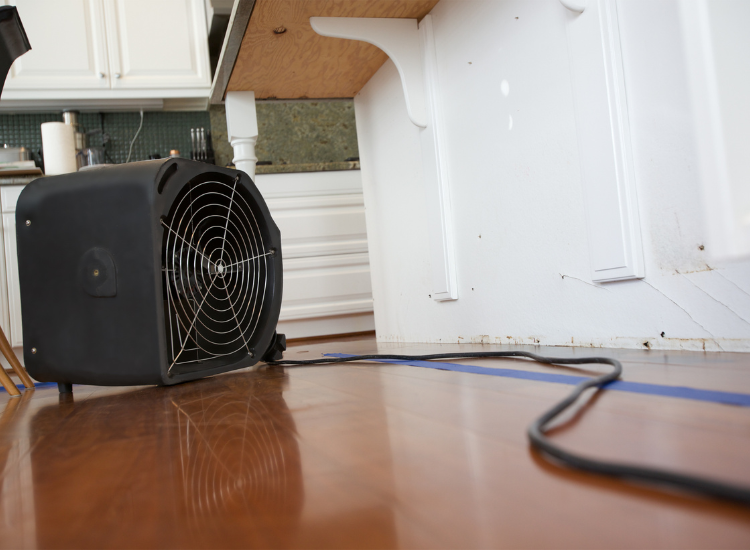
Air mover fan placed on a wet wood floor.

Psychrometry is the science of studying the physical and thermodynamic properties of air-moisture mixtures, providing the foundation for effective water damage restoration. In restoration work, psychrometric principles allow technicians to measure humidity, temperature, and dew point to create optimal drying conditions and track progress with scientific precision. Understanding these relationships is essential for preventing secondary damage like mold growth and structural deterioration after water intrusion events.

Why Psychrometry Matters in Water Damage Restoration

When water damage strikes your Chicago-area home—whether from a burst pipe during a January cold snap, spring basement flooding, or storm damage—the visible standing water is only part of the problem. Moisture absorbed into building materials, humidity in the air, and temperature variations all interact in complex ways that determine how quickly and completely your property will dry. This is where psychrometry becomes invaluable.

Professional restoration technicians use psychrometric measurements to transform water damage restoration from guesswork into a science-based process. Without understanding these air-moisture relationships, drying efforts can waste time and energy while leaving hidden moisture that leads to mold growth, wood rot, and structural damage—problems particularly concerning in Chicago’s humid summers when conditions already favor microbial growth.

The Key Psychrometric Measurements Used in Drying

Temperature

Temperature directly affects air’s ability to hold moisture. Warmer air can contain significantly more water vapor than cold air. During restoration, technicians carefully control temperature to maximize drying efficiency, typically maintaining indoor temperatures between 70-90°F to accelerate evaporation while staying within safe ranges for materials and occupants.

Relative Humidity (RH)

Relative humidity measures how much moisture the air currently holds compared to its maximum capacity at that temperature. When RH reaches 100%, the air is saturated and cannot accept more moisture—meaning materials won’t dry. Professional restoration aims to maintain RH between 30-50% to create conditions that pull moisture from wet materials into the air, where dehumidifiers can remove it.

Dew Point

The dew point is the temperature at which air becomes fully saturated and moisture begins condensing. This measurement is crucial for Chicago-area restoration projects, especially in homes with finished basements or during our humid summer months. If surface temperatures fall below the dew point, condensation forms even on previously dry surfaces, potentially creating new water damage and mold growth.

Specific Humidity and Grains Per Pound (GPP)

These measurements indicate the actual amount of moisture in the air regardless of temperature. Technicians use GPP readings to calculate the moisture load being removed and determine when materials have reached appropriate dryness levels—typically matching the GPP of unaffected areas in your home.

How Psychrometric Data Guides the Restoration Process

Initial Assessment and Documentation

When Redefined Restoration arrives at your Naperville ranch home, Evanston greystone, or Oak Park bungalow after water damage, technicians immediately begin taking psychrometric readings throughout affected and unaffected areas. These baseline measurements document conditions, establish target goals for drying, and help estimate the scope and timeline of restoration work.

Equipment Placement and Configuration

Psychrometric data determines the optimal placement and settings for air movers, dehumidifiers, and heaters. Different materials—hardwood floors, drywall, insulation, concrete—require different drying strategies based on how they release moisture into the air. In Chicago’s older housing stock with plaster walls and hardwood floors, this precision prevents over-drying that can cause cracking or warping.

Monitoring Progress

Throughout the drying process, technicians take regular psychrometric readings to track progress and adjust equipment as needed. These measurements provide objective evidence of drying rather than relying on surface-level observations that can be misleading. A floor may feel dry to the touch while moisture meters and psychrometric data reveal elevated moisture content deep within materials.

Determining Completion

Psychrometric monitoring determines when restoration is truly complete. Materials are considered dry when their moisture content and the surrounding air conditions match unaffected areas of your home—what restoration professionals call “dry standard.” This science-based approach ensures your Schaumburg, Elmhurst, or Lincoln Park property is genuinely restored, not just superficially dry.

The Risk of Non-Scientific Drying Methods

Without psychrometric monitoring, water damage restoration becomes a guessing game with serious consequences. In Chicagoland’s variable climate—from sub-zero winters to humid summers—conditions change rapidly, affecting drying times and requirements. Inadequate drying leaves moisture that can:

  • Promote mold growth within 24-48 hours, particularly problematic during our humid summer months
  • Cause wood rot in structural members, flooring, and framing
  • Damage insulation effectiveness, increasing energy costs during our extreme seasonal temperature swings
  • Create musty odors that permeate homes
  • Lead to paint and wallpaper damage
  • Compromise structural integrity over time

Trust Science-Based Restoration

When water damage affects your home anywhere in Cook, DuPage, Lake, Will, or Kane County—from Downers Grove to Arlington Heights to Tinley Park—choosing a restoration company that employs psychrometric monitoring ensures your property is dried thoroughly and efficiently. This scientific approach protects your investment and provides peace of mind that the job is done right.

Redefined Restoration uses advanced psychrometric equipment and certified technicians who understand the unique challenges of Chicago-area water damage restoration. Don’t leave your home’s recovery to chance. Contact Redefined Restoration at https://redefinedresto.com for professional, science-based water damage restoration that gets your property completely dry and back to normal.
What is desiccant dehumidification?

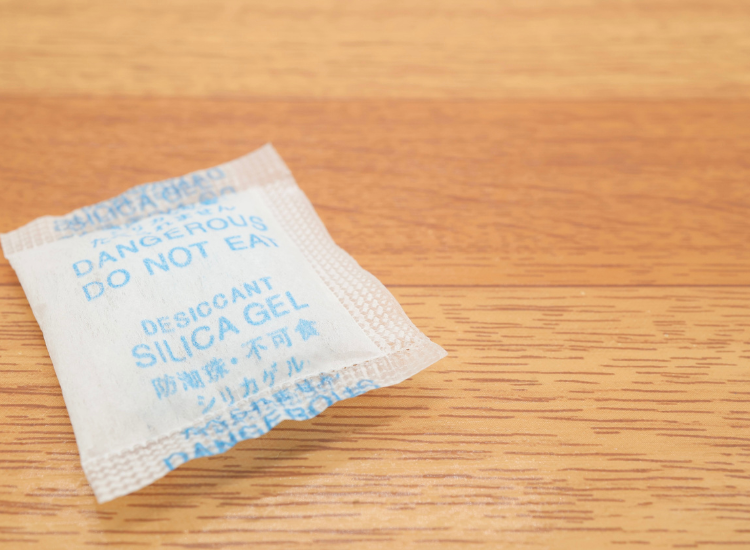
Silica gel

Desiccant dehumidification is a moisture removal process that uses specialized materials—called desiccants—to absorb water vapor directly from the air without relying on refrigeration or condensation. Unlike traditional compressor-based dehumidifiers that struggle in cold temperatures, desiccant systems work effectively in nearly any environment, making them invaluable for water damage restoration, especially during Chicago’s brutal winter months when burst pipes and flooding occur in unheated or partially heated spaces.

How Desiccant Dehumidification Works

Desiccant dehumidifiers operate on a fundamentally different principle than the standard units you might use in your Naperville basement during humid summer months. These specialized systems contain a desiccant material—typically silica gel or a molecular sieve—mounted on a slowly rotating wheel or packed into exchangeable cartridges.

As humid air passes through the desiccant material, moisture molecules adhere to its surface through adsorption (not absorption), effectively removing water vapor from the air. The now-dry air continues into your space, while the saturated desiccant material rotates into a regeneration zone where heated air strips away the collected moisture, venting it outside or into a separate area. This continuous cycle allows the system to operate indefinitely without filling up like a bucket-style dehumidifier.

The key advantage? Desiccant systems maintain peak efficiency even when temperatures drop below 65°F—conditions where conventional refrigerant dehumidifiers lose effectiveness or stop working entirely. This makes them essential equipment during Chicago’s winter water damage emergencies.

When Desiccant Dehumidification Becomes Essential

Cold-Weather Water Damage Restoration

When a pipe bursts in an unheated Lincoln Park greystone during a January polar vortex event, the affected areas often remain cold even after emergency water extraction. Standard dehumidifiers would struggle or fail completely in these conditions, but desiccant units continue working efficiently, preventing secondary damage like mold growth and structural deterioration.

This capability proves critical throughout Cook, DuPage, Lake, Will, and Kane County communities during December through February, when freeze-related water damage peaks and restoration must proceed despite low temperatures.

Low-Humidity Requirements

Certain restoration scenarios demand extremely low humidity levels that refrigerant dehumidifiers simply cannot achieve. Desiccant systems can reduce relative humidity below 40%—sometimes as low as 10%—which accelerates drying of hardwood floors, prevents mold growth in wall cavities, and protects sensitive materials during content restoration.

Confined Space Drying

The compact, flexible ducting options of desiccant dehumidifiers make them ideal for drying crawl spaces in Oak Park bungalows, finished basements in Elmhurst ranch homes, or individual rooms in Evanston two-flats where targeted moisture removal is needed without disrupting the entire property.

Desiccant vs. Refrigerant Dehumidification: Making the Right Choice

Understanding the difference helps homeowners recognize why restoration professionals like Redefined Restoration select specific equipment for your situation.

Refrigerant dehumidifiers work like air conditioners, cooling air until moisture condenses and drips into a collection tank. They’re energy-efficient and cost-effective for warm environments above 65°F—perfect for summer basement humidity in Schaumburg or addressing moisture issues after spring flooding in Downers Grove when outdoor temperatures have warmed.

Desiccant dehumidifiers excel in cold conditions, achieve lower humidity levels, and work effectively in smaller spaces. However, they typically consume more energy and produce heat as a byproduct of the regeneration process—though this heat generation can actually be beneficial during winter restoration projects.

Professional restoration companies maintain both types of equipment, deploying the appropriate technology based on your specific situation, season, and restoration goals.

Applications Beyond Emergency Restoration

While desiccant dehumidification shines during water damage emergencies, these systems also serve important preventive and specialized functions:

  • Mold remediation projects requiring humidity levels below 50% to prevent spore growth
  • Document and electronics drying after water damage affecting home offices
  • Seasonal basement moisture control in older Arlington Heights and Tinley Park homes with chronic dampness issues
  • Post-fire restoration where water from firefighting efforts must be removed from cold or damaged structures
  • Ice dam prevention by maintaining proper humidity levels in attic spaces during winter

The Professional Advantage

Effective desiccant dehumidification requires more than just equipment—it demands expertise in psychrometrics (the science of air and moisture), proper equipment sizing, strategic placement, and continuous monitoring. Undersized equipment extends drying time and increases secondary damage risk, while oversized systems waste energy without improving results.

Certified restoration technicians use moisture meters, thermal imaging, and humidity sensors to document conditions, calculate the appropriate desiccant capacity, position equipment for optimal airflow, and verify complete drying before closing up walls or declaring restoration complete.

Contact Redefined Restoration for Expert Water Damage Solutions

Whether you’re facing a winter pipe burst emergency, dealing with spring basement flooding, or addressing chronic moisture problems in your Chicagoland home, Redefined Restoration brings professional-grade desiccant dehumidification and comprehensive water damage restoration expertise to every project. Our 24/7 emergency response team serves Chicago and all surrounding communities with the specialized equipment and knowledge your situation demands.

Don’t let water damage escalate into costly mold growth and structural problems. Contact Redefined Restoration at https://redefinedresto.com today for immediate assistance and experience the difference that professional restoration technology makes.