
Psychrometry is the science of studying the physical and thermodynamic properties of air-moisture mixtures, providing the foundation for effective water damage restoration. In restoration work, psychrometric principles allow technicians to measure humidity, temperature, and dew point to create optimal drying conditions and track progress with scientific precision. Understanding these relationships is essential for preventing secondary damage like mold growth and structural deterioration after water intrusion events.
Why Psychrometry Matters in Water Damage Restoration
When water damage strikes your Chicago-area home—whether from a burst pipe during a January cold snap, spring basement flooding, or storm damage—the visible standing water is only part of the problem. Moisture absorbed into building materials, humidity in the air, and temperature variations all interact in complex ways that determine how quickly and completely your property will dry. This is where psychrometry becomes invaluable.
Professional restoration technicians use psychrometric measurements to transform water damage restoration from guesswork into a science-based process. Without understanding these air-moisture relationships, drying efforts can waste time and energy while leaving hidden moisture that leads to mold growth, wood rot, and structural damage—problems particularly concerning in Chicago’s humid summers when conditions already favor microbial growth.
The Key Psychrometric Measurements Used in Drying
Temperature
Temperature directly affects air’s ability to hold moisture. Warmer air can contain significantly more water vapor than cold air. During restoration, technicians carefully control temperature to maximize drying efficiency, typically maintaining indoor temperatures between 70-90°F to accelerate evaporation while staying within safe ranges for materials and occupants.
Relative Humidity (RH)
Relative humidity measures how much moisture the air currently holds compared to its maximum capacity at that temperature. When RH reaches 100%, the air is saturated and cannot accept more moisture—meaning materials won’t dry. Professional restoration aims to maintain RH between 30-50% to create conditions that pull moisture from wet materials into the air, where dehumidifiers can remove it.
Dew Point
The dew point is the temperature at which air becomes fully saturated and moisture begins condensing. This measurement is crucial for Chicago-area restoration projects, especially in homes with finished basements or during our humid summer months. If surface temperatures fall below the dew point, condensation forms even on previously dry surfaces, potentially creating new water damage and mold growth.
Specific Humidity and Grains Per Pound (GPP)
These measurements indicate the actual amount of moisture in the air regardless of temperature. Technicians use GPP readings to calculate the moisture load being removed and determine when materials have reached appropriate dryness levels—typically matching the GPP of unaffected areas in your home.
How Psychrometric Data Guides the Restoration Process
Initial Assessment and Documentation
When Redefined Restoration arrives at your Naperville ranch home, Evanston greystone, or Oak Park bungalow after water damage, technicians immediately begin taking psychrometric readings throughout affected and unaffected areas. These baseline measurements document conditions, establish target goals for drying, and help estimate the scope and timeline of restoration work.
Equipment Placement and Configuration
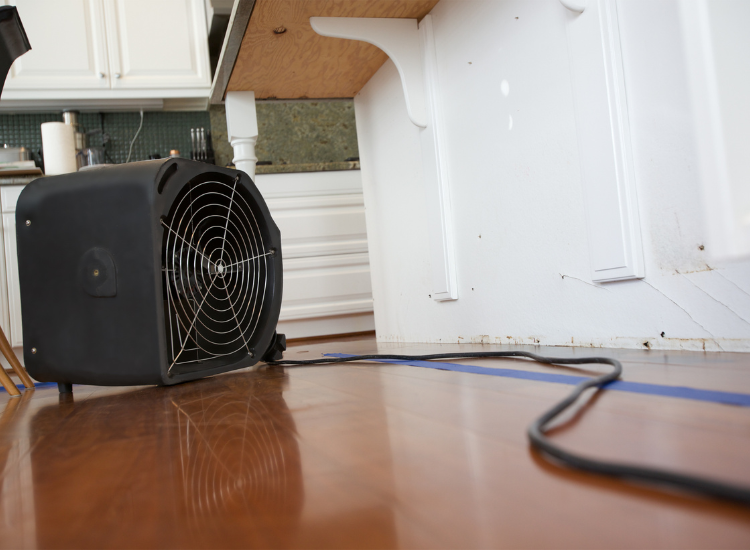
Psychrometric data determines the optimal placement and settings for air movers, dehumidifiers, and heaters. Different materials—hardwood floors, drywall, insulation, concrete—require different drying strategies based on how they release moisture into the air. In Chicago’s older housing stock with plaster walls and hardwood floors, this precision prevents over-drying that can cause cracking or warping.
Monitoring Progress
Throughout the drying process, technicians take regular psychrometric readings to track progress and adjust equipment as needed. These measurements provide objective evidence of drying rather than relying on surface-level observations that can be misleading. A floor may feel dry to the touch while moisture meters and psychrometric data reveal elevated moisture content deep within materials.
Determining Completion
Psychrometric monitoring determines when restoration is truly complete. Materials are considered dry when their moisture content and the surrounding air conditions match unaffected areas of your home—what restoration professionals call “dry standard.” This science-based approach ensures your Schaumburg, Elmhurst, or Lincoln Park property is genuinely restored, not just superficially dry.
The Risk of Non-Scientific Drying Methods
Without psychrometric monitoring, water damage restoration becomes a guessing game with serious consequences. In Chicagoland’s variable climate—from sub-zero winters to humid summers—conditions change rapidly, affecting drying times and requirements. Inadequate drying leaves moisture that can:
- Promote mold growth within 24-48 hours, particularly problematic during our humid summer months
- Cause wood rot in structural members, flooring, and framing
- Damage insulation effectiveness, increasing energy costs during our extreme seasonal temperature swings
- Create musty odors that permeate homes
- Lead to paint and wallpaper damage
- Compromise structural integrity over time
Trust Science-Based Restoration
When water damage affects your home anywhere in Cook, DuPage, Lake, Will, or Kane County—from Downers Grove to Arlington Heights to Tinley Park—choosing a restoration company that employs psychrometric monitoring ensures your property is dried thoroughly and efficiently. This scientific approach protects your investment and provides peace of mind that the job is done right.
Redefined Restoration uses advanced psychrometric equipment and certified technicians who understand the unique challenges of Chicago-area water damage restoration. Don’t leave your home’s recovery to chance. Contact Redefined Restoration at https://redefinedresto.com for professional, science-based water damage restoration that gets your property completely dry and back to normal.