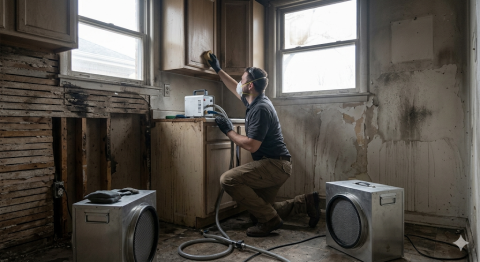
Keep your heat at a minimum of 55°F throughout your home, open cabinet doors under sinks to allow warm air circulation, let faucets drip slightly during extreme cold snaps, and insulate exposed pipes in unheated areas like basements, crawl spaces, and garages. These preventive measures are especially critical during Chicago’s brutal winter months when temperatures routinely plunge below zero and polar vortex events can create emergency conditions. Taking action before the cold arrives can save you from thousands of dollars in water damage and the headache of dealing with burst pipes during the coldest days of the year.
Why Frozen Pipes Are a Serious Threat in Chicagoland
Chicago winters are notoriously harsh, with subfreezing temperatures lasting for weeks and occasional polar vortex events driving thermometers well below zero. When water inside your pipes freezes, it expands, creating immense pressure that can crack or burst the pipe. Once temperatures rise and the ice thaws, water comes rushing out, flooding basements, damaging walls, and destroying personal belongings.
Homes throughout Cook, DuPage, Lake, Will, and Kane Counties face unique vulnerabilities. Classic Chicago bungalows, historic greystones in neighborhoods like Lincoln Park and Hyde Park, and mid-century ranch homes in suburbs like Naperville, Schaumburg, and Arlington Heights often have pipes running through exterior walls or unheated spaces. Finished basements—common in area homes—can sustain significant damage when pipes burst, affecting not just the plumbing but also drywall, flooring, furniture, and irreplaceable personal items.
At Redefined Restoration, we respond to countless frozen pipe emergencies each winter across communities from Evanston to Orland Park. The good news? Most of these disasters are entirely preventable with the right precautions.
Essential Prevention Steps for Chicago Homeowners
Maintain Adequate Heat Throughout Your Home
Never let your thermostat drop below 55°F, even when you’re away from home or trying to save on heating costs. This minimum temperature helps ensure that pipes in exterior walls and unheated spaces don’t reach freezing temperatures. If you’re leaving town during winter months, ask a neighbor to check on your home daily to confirm the heat is working properly—furnace failures during cold snaps are a leading cause of frozen pipe disasters.
Insulate Vulnerable Pipes
Identify pipes in unheated or poorly insulated areas: basements, crawl spaces, attics, garages, and along exterior walls. Foam pipe insulation is inexpensive and available at any hardware store throughout the Chicagoland area. Pay special attention to pipes on north-facing walls, which receive less sunlight and stay colder. For homes in older neighborhoods like Oak Park, Elmhurst, or Beverly with original plumbing configurations, professional insulation may be worth the investment.
Let Faucets Drip During Extreme Cold
When temperatures are forecast to drop below 10°F or during polar vortex warnings, allow faucets to drip slightly—both hot and cold water. Moving water is much harder to freeze than standing water. Focus on faucets served by pipes running through exterior walls or unheated spaces. The small amount of water you’ll use costs far less than repairing water damage from a burst pipe.
Open Cabinet Doors
Kitchen and bathroom sinks are often located against exterior walls. Opening the cabinet doors beneath these sinks allows warm air from your home to circulate around the pipes, keeping them above freezing temperatures. This simple step is particularly important during overnight hours when temperatures drop to their lowest points.
Seal Cracks and Openings
Inspect your home’s exterior for cracks, gaps, or openings near pipes. Cold air flowing through these openings can quickly freeze nearby pipes. Seal openings with caulk or expanding foam. Check basement windows, dryer vents, and anywhere pipes enter your home. The freeze-thaw cycles common in Chicagoland winters can create new cracks each season, so make this an annual inspection task.
Disconnect Outdoor Hoses and Shut Off Exterior Faucets
Before the first hard freeze—typically by late November in the Chicago area—disconnect all garden hoses and drain outdoor faucets. If your home has shut-off valves for exterior faucets, close them and drain the remaining water from the lines. Frozen exterior faucets can cause pipes to burst inside your walls.
What to Do If Pipes Freeze
If you turn on a faucet and only a trickle comes out, you likely have a frozen pipe. Act immediately:
Keep the faucet open—as the ice melts, water needs somewhere to flow
Apply gentle heat to the frozen section using a hair dryer, heating pad, or warm towels (never use open flames or high-heat devices)
Open cabinet doors and increase heat in the affected area
If you cannot locate the freeze or if a pipe has burst, shut off your main water valve immediately
When Disaster Strikes: Professional Water Damage Restoration
Even with the best prevention efforts, pipe bursts can happen. If you experience frozen pipe damage in Chicago, Lincoln Park, Lakeview, Logan Square, Wicker Park, Naperville, Downers Grove, Tinley Park, or anywhere across the Chicagoland area, immediate action is critical.
Redefined Restoration provides 24/7 emergency response for frozen pipe disasters throughout Cook, DuPage, Lake, Will, and Kane Counties. Our team quickly extracts water, dries affected areas, and begins restoration to prevent mold growth and structural damage. We work directly with insurance companies to streamline your claim process during an already stressful time.
Prepare Now for Winter Peace of Mind
Don’t wait until the next polar vortex warning to protect your home. Taking preventive steps now—before December’s deep freeze arrives—gives you peace of mind throughout the harsh Chicago winter season.
Need help assessing your home’s vulnerability to frozen pipes or dealing with winter water damage? Contact Redefined Restoration at https://redefinedresto.com or call us 24/7 for emergency service throughout Chicagoland. Our experienced team serves all Chicago neighborhoods and surrounding communities with fast, professional restoration services you can trust.
Generally no, you don’t need to run your dehumidifier during Chicago winters since cold air naturally holds less moisture and indoor heating systems dry out the air considerably. However, basements in older homes may still experience dampness issues even in winter, particularly if you have water seepage, poor ventilation, or an active moisture source. Monitor your indoor humidity levels with a hygrometer, and only run your dehumidifier if readings consistently exceed 50-60%.
Why Winter Air Is Naturally Drier
During Chicagoland’s brutal winter months—especially during those sub-zero polar vortex events we experience from December through February—outdoor air contains very little moisture. When this cold air enters your home and gets heated, its relative humidity drops significantly. This is why many Chicago-area residents experience dry skin, static electricity, and irritated sinuses during winter rather than humidity problems.
Your furnace or heating system further reduces indoor moisture as it cycles, often dropping humidity levels to 20-30% or even lower in well-insulated homes. For most households in neighborhoods from Lincoln Park to Naperville, the challenge in winter is adding moisture, not removing it. Many homeowners actually run humidifiers during these months to combat the excessive dryness that can damage wood furniture and flooring.
When You Might Need a Dehumidifier in Winter
Despite the general dryness of Chicago winters, certain situations may still warrant running a dehumidifier:
Basement Moisture Problems
Chicago bungalows, classic greystones, and older two-flats throughout Evanston, Oak Park, and surrounding Cook County communities often have basement moisture issues year-round. If you notice condensation on basement walls, musty odors, or readings above 50% humidity, you may have water seeping through your foundation due to groundwater pressure or aging waterproofing systems.
These moisture problems don’t take winter vacations. The freeze-thaw cycles that Chicago experiences can actually worsen foundation cracks, allowing more water infiltration even when temperatures drop. Homes in communities like Elmhurst, Downers Grove, and Arlington Heights with high water tables may experience basement dampness regardless of the season.
Poor Ventilation Issues
Finished basements without adequate ventilation can trap moisture from everyday activities like doing laundry, showering in basement bathrooms, or simply from concrete foundation walls that never fully dry. Even in winter, these spaces may maintain humidity levels that promote mold growth if air circulation is insufficient.
Active Water Problems
If you’re dealing with ongoing water intrusion—perhaps from a crack in your foundation, condensation from uninsulated pipes, or a plumbing leak—you’ll need dehumidification even during cold months. Water damage doesn’t care about the season, and mold can develop within 24-48 hours when conditions are right.
Monitoring Your Indoor Humidity Levels
The ideal indoor humidity range for Chicago-area homes is 30-50% year-round. Purchase an inexpensive hygrometer (humidity meter) to monitor levels in problem areas, particularly basements. Place the meter away from walls and moisture sources to get an accurate reading.
Check humidity levels weekly during winter. If readings consistently stay below 40%, you definitely don’t need a dehumidifier. If levels exceed 50-60%, investigate the moisture source and consider running your dehumidifier intermittently.
Energy Efficiency Considerations
Running a dehumidifier unnecessarily during winter wastes energy and money—something every Chicagoland homeowner wants to avoid during those expensive heating months. Dehumidifiers work by cooling air to condense moisture, then reheating it. This process fights against your furnace, making both systems work harder and driving up utility costs.
If you must run a dehumidifier in winter, set it to 45-50% rather than the 30-40% you might target in summer. Use a model with an auto-shutoff feature and energy-efficient rating to minimize unnecessary operation.
Addressing the Root Cause
Rather than continuously running a dehumidifier in winter, identify and fix the underlying moisture problem. Common culprits in older Chicago-area homes include:
Foundation cracks allowing water seepage
Poor exterior grading directing water toward your foundation
Missing or damaged gutters and downspouts
Unvented dryers or bathroom fans
Plumbing leaks or condensation on pipes
Sump pump issues
Fixing these problems permanently protects your home from water damage, prevents mold growth, and saves energy costs.
Professional Help for Persistent Moisture Problems
If you’re running your dehumidifier year-round to manage basement humidity, you likely have a water intrusion or ventilation problem that requires professional attention. Persistent moisture can lead to mold growth, structural damage, and unhealthy indoor air quality throughout homes in Schaumburg, Tinley Park, Orland Park, and across DuPage, Lake, Will, and Kane Counties.
Get Expert Moisture Assessment Today
Don’t let winter humidity problems lead to costly water damage or mold issues. Redefined Restoration provides comprehensive moisture assessments and water damage solutions throughout Chicagoland, from Chicago neighborhoods like Lakeview, Logan Square, Wicker Park, Hyde Park, and Beverly to surrounding suburban communities. Our certified technicians identify moisture sources, implement lasting solutions, and restore your peace of mind.
Contact Redefined Restoration at https://redefinedresto.com or call us today for a professional evaluation of your winter humidity concerns. We’re available 24/7 for emergency water damage situations and offer free consultations for moisture problems affecting your home.
Chicago is often celebrated for its skyline, deep-dish pizza, and the energy of the Magnificent Mile. Yet behind the busy streets and well-known attractions lies a world of secret places and underrated gems that locals quietly enjoy. From tucked-away green spaces to offbeat museums, Chicago hides its most authentic charm in plain sight. If your goal is to experience the heart of the city beyond its popular landmarks, follow this insider’s guide to the hidden things to do that Chicagoans can’t get enough of.
Explore the Magic of the Alfred Caldwell Lily Pool
Nestled behind Lincoln Park Zoo, the Alfred Caldwell Lily Pool is one of the most peaceful escapes in the city. This serene garden feels worlds away from downtown Chicago, with stone pathways, wooden bridges, and lily-filled ponds that create a calming retreat. Designed in 1936, the lily pool is a masterpiece of Prairie-style landscape architecture. Locals often wander here in the early morning hours with a coffee in hand or unwind here after work. It’s a pocket of pure tranquility—a perfect example of how nature thrives quietly in urban surroundings.
Hidden Speakeasies and Secret Bars
Chicago has a thriving nightlife culture, but some of its best bars keep things hush-hush. Speakeasies like The Violet Hour in Wicker Park and The Drifter behind the Green Door Tavern bring a touch of Prohibition-era charm back to life. Entry often requires insider knowledge—like a password or a disguised entrance—and the cocktail menus rotate to keep you guessing. The thrill of discovering a secret bar tucked behind a false wall or beneath a neon sign only adds to the city’s allure. Locals love to introduce out-of-towners to these unexpected nightlife treasures. And just like finding a hidden gem in the city, searching for water mitigation near me can lead homeowners to discover expert local services that protect their spaces when life’s little surprises—like leaks or floods—occur.
The Pedway: Chicago’s Underground Network
While most visitors stroll along Michigan Avenue, few realize there’s an entire hidden walkway below their feet. The Chicago Pedway links more than 40 downtown blocks through tunnels and skybridges. On cold or rainy days, locals use it as a shortcut to avoid the elements, but it’s also fascinating for explorers who want to see a different side of the city. Artists occasionally stage small exhibitions in its corridors, and obscure cafés and boutiques can be found along the route. The Pedway represents Chicago’s ingenuity in transforming everyday infrastructure into a living ecosystem.
The Magic of the International Museum of Surgical Science
Tourists often flock to the Art Institute or Field Museum, but Chicago hides a far more curious collection inside a lakefront mansion: the International Museum of Surgical Science. This elegant yet eerie museum displays centuries of medical instruments and oddities that reveal the evolution of healing. Locals appreciate it for its tranquil atmosphere and detailed exhibits that blend science with art. The building itself, modeled after a French château, provides a glimpse into Chicago’s architectural wealth while offering a strange yet educational adventure far from the crowds.
Vintage Shopping in Andersonville
If you want to experience a truly authentic neighborhood vibe, spend an afternoon wandering Andersonville’s vintage shops. The area is a blend of old-world charm and modern creative energy. Independent boutiques line the streets, offering everything from retro furniture to curated vinyl collections and hand-dyed apparel. Locals shop here not just for the items but for the experience—the joy of discovering rare finds in a community that embraces individuality. Andersonville’s sense of nostalgia makes it a beloved retreat for anyone looking to slow down and browse at leisure.
Garfield Park Conservatory’s Hidden Corners
The Garfield Park Conservatory is often ranked among the largest and most stunning botanical gardens in the country. Still, few visitors realize how many hidden nooks and quiet spaces lie beyond its main exhibits. The Fern Room feels otherworldly, with lush green foliage and filtered light streaming through the glass ceiling. Locals often come here to meditate, sketch, or simply breathe in serenity. On a weekday afternoon, you might even find yourself alone with nothing but the sound of trickling water. It’s a vivid reminder that even in a bustling city, nature hums softly in the background.
Chicago’s Secret Street Art Scene
Beyond the murals of Wabash Arts Corridor, Chicago hides dozens of lesser-known art spots that redefine the city’s creative pulse. Head to Pilsen, where colorful walls change constantly with new works by local artists. In Bucktown and Logan Square, alleys are canvases for expression—from abstract graffiti to photo-realistic portraits. Locals treasure these art spaces because they evolve daily; they’re living stories painted across brick and concrete. Stumbling upon an unfamiliar mural or tag delivers the thrill of artistic discovery that’s deeply rooted in Chicago’s rebellious spirit.
Chicago Riverwalk Beyond the Obvious
Tourists may crowd the main Riverwalk, but the real magic lies further along its less-traveled paths. The quieter sections near Lake Street or Wolf Point offer incredible views and peaceful corners to relax. Early mornings bring runners and kayakers, while evenings attract locals sipping coffee and watching boats slide past. The Riverwalk also hosts small pop-up galleries and live acoustic performances—often unadvertised, making each visit unique. For Chicagoans, these riverbank moments offer balance between the city’s dynamic heartbeat and its calmer flow.
Offbeat Cafés and Literary Nooks
One secret that Chicago book lovers keep is their network of independent cafés and reading hideouts. The Bourgeois Pig Café in Lincoln Park and Myopic Books in Wicker Park stand as reading sanctuaries. Their wooden shelves and mismatched chairs create an atmosphere that’s both nostalgic and inviting. These are not just coffee shops—they’re small communities where writers, students, and dreamers find inspiration. Locals never tire of their cozy corners because every visit feels like a creative reset. It’s the side of Chicago that tourists rarely experience but everyone should.
Candlelit Dinners at Chicago’s Secret Restaurants
Hidden restaurants are a significant part of the city’s culinary charm. Spots like Elizabeth or Temporis use reservation-only systems and unlisted menus to deliver a sense of secrecy. The appeal lies in their exclusivity—every meal feels like an invitation to something private. Locals often share these spots through word of mouth or personal recommendation rather than mainstream reviews. From five-course tasting menus to experimental cocktails, these intimate restaurants offer a nightly adventure that captures the city’s passion for innovation.
The Poetry Foundation Library
Few know that tucked away in River North lies a public oasis devoted entirely to poetry. The Poetry Foundation Library houses over 30,000 volumes and welcomes anyone to linger, read, or join in its small gatherings. The space’s minimalist architecture was designed to foster reflection, not spectacle. Locals appreciate how intimate readings and open mics keep Chicago’s literary roots alive. It’s an underappreciated gem where silence and language hold equal weight—proof that Chicago’s art scene values introspection as much as energy.
Kayaking Under the City Lights
Kayaking on the Chicago River is known, but doing it after sunset is a hidden adventure all its own. Night paddles reveal the city skyline shimmering off the water with a mesmerizing glow. Local guides lead groups through quiet waterways while narrating stories of the city’s history and architecture. This after-dark experience feels magical—peaceful yet strikingly close to the city’s pulse. Locals treat it as both exercise and meditation, appreciating how the river provides a mirror image of their skyline dreams.
The Secret Rooftop Gardens
Several rooftops across Chicago double as hidden gardens, providing lush refuges high above the noise. While big hotels boast public terraces, local favorites remain out of sight—for instance, green rooftops in West Loop and private spaces above River North offices. When you’re lucky enough to get access, the view of skyscrapers framed with wildflowers captures a surreal harmony between city and nature. It’s no wonder Chicago’s residents quietly guard their knowledge of these secret sanctuaries.
Secret Museums and Eccentric Collections
Chicago holds a series of tiny, eccentric museums that rarely get attention. The Busy Beaver Button Museum is dedicated entirely to pin-back buttons—yes, really—and it’s one of the most charmingly weird experiences in the city. Another beloved secret is the Leather Archives & Museum, which explores human expression in ways traditional institutions never could. Locals cherish these oddball exhibits for their honesty and humor. They remind everyone that culture doesn’t always reside in the grandest halls but in quirky passion projects scattered throughout the city.
Lakefront Hideouts Beyond Navy Pier
The lakefront is iconic, but few tourists wander beyond Navy Pier or the North Avenue Beach. Locals prefer the quiet coves near Belmont Harbor or Promontory Point, where stone ledges make perfect sunset seats. Here, Chicago’s skyline meets the serenity of Lake Michigan in breathtaking calm. Morning joggers, book readers, and dog walkers weave together into an unspoken community. These spots are the true pulse of Chicago living—laid-back, beautiful, and filled with small conversations carried by the breeze.
Hidden Art Installations in Public Parks
Beyond the renowned Cloud Gate sculpture lies an array of overlooked art installations scattered across Chicago’s parks. Humboldt Park features intricate statues tucked amid willow trees. Ping Tom Memorial Park hides modern sculptures that pay homage to Chinese-American heritage. Locals love discovering these small details during walks, finding new meaning in art that exists quietly between playgrounds and picnic areas. Each piece adds depth to the city’s narrative—visual whispers of culture, creativity, and memory.
Secret Cinemas and Vintage Film Spots
Cinema lovers find their haven in Chicago’s lesser-known film houses. Places like the Music Box Theatre host late-night screenings of cult classics, while hidden projection rooms in Pilsen occasionally run independent movies for small audiences. These intimate gatherings foster conversations between filmmakers and viewers, keeping the art of film dialogue alive. Locals value these nights not only as entertainment but as shared experiences that keep Chicago’s storytelling vibrant.
Abandoned Spaces and Urban Exploration
Though much of Chicago has been revitalized, traces of its industrial past linger in fascinating ways. Abandoned factories, railway tunnels, and decaying theaters whisper stories from another era. With permission and safety in mind, local explorers document and photograph these spaces as reminders of the city’s resilience. Their quiet beauty—peeling paint, dust-covered beams, echoes of forgotten labor—reveals the texture behind Chicago’s polished skyline.
Chicago’s Secret Seasonal Traditions
While tourists flock to big events like Lollapalooza, locals celebrate smaller traditions that rarely make headlines. In winter, pop-up fondue nights and candlelit snowshoe walks transform the parks. Summer brings neighborhood porch concerts and impromptu bonfires near the beaches. These micro-communities thrive on shared creativity rather than spectacle. They’re the warm, hidden pulse of life that makes Chicago special—a city not only of landmarks but also of intimate memories.
Small Bakeries and Late-Night Bites
Every neighborhood has at least one hidden bakery or diner that stays open late, serving comfort food to night owls. Family-run spots like Dinkel’s or Jarabe Taqueria feed both stomach and soul. Locals treasure these places because they blend delicious simplicity with unpretentious authenticity. Whether it’s a flaky pastry or a post-midnight taco, what makes these bites special isn’t just the taste—it’s the connection to community that comes with them.
Hidden Chicago: A City That Rewards the Curious
The more time you spend exploring beyond the guidebook, the more you realize that Chicago’s best experiences live quietly in the background. It’s a city that gives generously to those who take the time to look twice—to wander through alleys, sit in unfamiliar cafés, or pause at small parks that don’t appear on the map.
Chicago doesn’t need to advertise its true magic. It’s there—in the rhythm of its streets, in the secret corners known only to locals, and in the conversations that happen when you least expect them. The hidden things to do here aren’t just about where you go, but how deeply you notice what’s around you.
Are you looking for a water mitigation company?
If your hidden Chicago adventures ever lead to unexpected property issues like flooding, partnering with professionals makes all the difference. Redefined Restoration – Chicago Water Damage Service stands as a trusted water mitigation company near me ready to act fast when water threatens your home or business. Their team brings expertise, precision, and advanced tools to handle every stage of water mitigation—from damage evaluation to full restoration. With years of experience serving clients across the area, they ensure that your space is restored quickly, responsibly, and with care.
Redefined Restoration – Chicago Water Damage Service
Water damage has been a problem for centuries, and so has the need to repair and restore properties after it strikes. Whether it’s the result of floods, broken pipes, or roof leaks, water can wreak havoc on homes and businesses. The way we respond to these challenges has drastically changed over time. Decades ago, drying out a home after a flood might have meant opening windows, using towels, and placing buckets everywhere. Today, modern technology and advanced expertise have redefined what’s possible. In this blog, we will explore the fascinating journey of water damage restoration companies, how their role evolved over time, and what homeowners can expect when working with modern industry professionals like Redefined Restoration – Franklin Park Water Damage Service.
The Early Days of Water Damage Cleanup
In the earliest eras, when homeowners experienced flooding or water damage, there was no specialized service to call. Families relied on homemade methods such as buckets, pans, cloths, and heavy labor to manually remove water from their homes. Dehumidifiers and advanced drying equipment didn’t exist. It often took weeks, if not months, for a property to fully dry, and the risk of mold and structural damage was extremely high.
Back then, there were no professional water damage restoration companies providing specialized response. When damage happened, homeowners depended on community efforts, neighbors, or basic contractors, who often focused only on repairing what was visibly damaged rather than addressing hidden moisture. This lack of expertise often left structures weakened, creating long-term issues for future homeowners. The limitations of early cleanup efforts show why innovation was badly needed in this industry.
The Birth of Professional Water Damage Services
By the mid-20th century, the need for specialized services became apparent. Construction methods evolved, homes were built with more complex materials, and industries recognized that water could compromise both structural integrity and occupant health. This gave rise to the first professional water damage restoration companies who were dedicated to helping people recover from unexpected water emergencies.
These early businesses invested in equipment such as industrial fans, pumps, and heaters, moving far beyond household tools. They also gained a better understanding of moisture detection and damage assessment. This professionalization marked the beginning of a new era. For the first time, water damage cleanup wasn’t just about removing visible water—it became about addressing the unseen damage and ensuring safety for families.
The Modern Transformation of the Industry
Today’s water damage restoration companies look nothing like their early predecessors. Technology has revolutionized how professionals operate. Infrared cameras help locate hidden leaks, hygrometers measure humidity with precision, and advanced extraction machines can remove gallons of water in minutes. Mold remediation processes are integrated into restoration services, ensuring homes don’t just appear dry but are also safe to live in.
Companies like Redefined Restoration – Franklin Park Water Damage Service represent how far the industry has come. Their expertise and tools allow them to act quickly, saving property owners from lengthy downtime and avoiding future risks. These services highlight not just efficiency but also compassion, working with homeowners who are often under stress and helping them get back to a sense of normal.
Water damage restoration companies today also collaborate more closely with insurance providers, simplifying the claims process and reducing financial burdens on families. This has made recovery from water emergencies less overwhelming than in the past.
The Rising Importance of Prevention
Along with restoration, companies in this field now focus heavily on prevention. Advances in inspection equipment allow professionals to warn property owners about problem areas, faulty plumbing systems, or high-risk structures before disaster happens. Many modern water damage restoration companies offer maintenance plans and emergency readiness packages that weren’t available even a few decades ago.
This proactive approach saves money for homeowners in the long run and keeps businesses operating without interruptions. The industry has grown from simply reacting when something goes wrong to preparing clients for potential challenges. This preventive mindset has truly redefined the role of water damage restoration specialists.
How Customer Care Has Evolved
Another major evolution has been the human side of the business. In the past, homeowners often had to scramble to figure out next steps after a water event. Communication was minimal, and clients often didn’t fully understand what was happening in their own homes.
Today, water damage restoration companies near me focus as much on customer care as on technical expertise. Homeowners are guided step by step through the process, from water extraction and drying to repairs and mold prevention. For example, Redefined Restoration – Franklin Park Water Damage Service places a strong emphasis on this supportive relationship, making sure families feel informed and reassured during what can be a stressful situation.
This personalized service has created more trust between companies and homeowners, strengthening the industry’s reputation. Modern restoration isn’t just about fixing buildings—it’s about restoring peace of mind.
The Future of Water Damage Restoration
The journey from buckets and towels to high-tech breakthroughs hasn’t ended. The next phase for water damage restoration companies may involve even more automation, artificial intelligence, and smart home integration. Imagine sensors that alert you instantly of leaks and notify your restoration provider before the water even spreads. Some companies are already experimenting with predictive maintenance solutions that use data to identify risks before they become costly disasters.
Redefined Restoration – Franklin Park Water Damage Service is part of this evolving movement, embracing advanced techniques and staying updated with industry standards. The restoration world continues to push toward faster response times, more precise solutions, and environmentally friendly processes.
Why Choose Us
At Redefined Restoration – Franklin Park Water Damage Service, we combine advanced technology, fast response, and genuine care to guide homeowners through even the toughest water damage challenges. Our priority is ensuring not only the safety of your property but also your peace of mind.
Redefined Restoration – Franklin Park Water Damage Service
1075 Waveland Ave, Franklin Park, IL 60131, United States