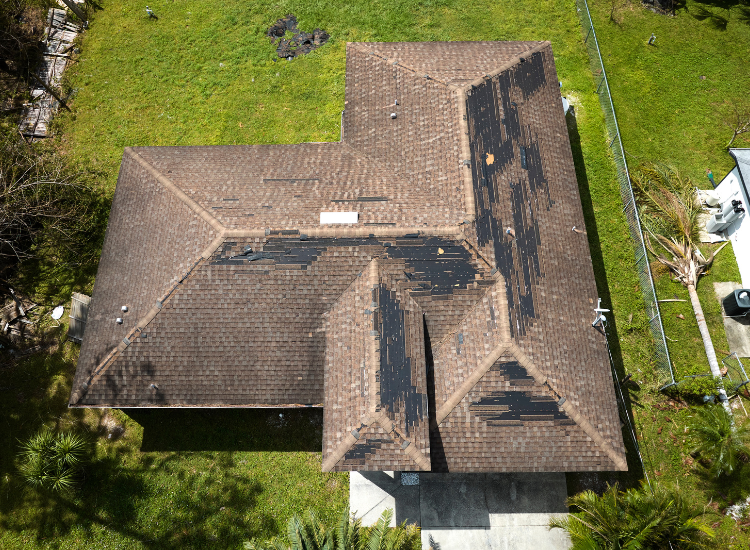
Yes, severe thunderstorm winds can absolutely cause water intrusion in your home. Strong winds lift and tear shingles from roofs, damage flashing around chimneys and vents, break windows, and compromise siding—all creating entry points for rainwater. For Chicago-area homeowners, summer thunderstorms regularly bring destructive straight-line winds exceeding 60 mph, often coupled with heavy downpours that exploit even minor damage to cause significant interior water damage within minutes.
How Thunderstorm Winds Create Water Entry Points
Wind damage rarely occurs in isolation during severe weather. The combination of powerful gusts and driving rain creates a devastating one-two punch that can compromise your home’s protective envelope in multiple ways simultaneously.
Roof Damage and Shingle Loss
High winds generate uplift forces on roofing materials, especially along edges, ridges, and corners where turbulence is greatest. Shingles designed to withstand normal conditions can fail when winds exceed their rating, which happens frequently during the severe thunderstorms that sweep across Chicagoland from March through September. Once even a few shingles lift or blow off completely, rain pours directly onto underlayment or, in older homes throughout Lincoln Park, Beverly, and Oak Park, onto roof decking that may lack modern moisture barriers.
The historic Chicago bungalows and greystones common in neighborhoods like Logan Square and Hyde Park often feature older roofing systems particularly vulnerable to wind damage. A single compromised section can allow gallons of water to penetrate attic spaces, saturate insulation, and eventually leak through ceilings into living areas below.
Flashing Failures
Flashing—the metal or rubber sealing around chimneys, skylights, dormers, and vent pipes—represents your roof’s most vulnerable points. Wind-driven rain can penetrate even small gaps in flashing, but high winds can actually tear or bend these critical components, creating direct pathways for water intrusion. Many two-flats and mid-century ranch homes throughout Evanston, Naperville, and Schaumburg have aging flashing that becomes increasingly susceptible to storm damage over time.
Window and Door Breaches
Severe thunderstorms can propel debris—tree branches, patio furniture, even gravel—into windows and doors with enough force to shatter glass or damage frames. Beyond obvious breakage, intense wind pressure can force water past window seals and under door thresholds, especially in older window installations common in homes throughout Arlington Heights and Elmhurst. Once water enters wall cavities, it can travel extensively before appearing as visible damage.
Siding and Exterior Wall Damage
Wind speeds above 50 mph can pry loose vinyl siding, tear sections of wood siding, or damage the housewrap beneath. This creates channels where wind-driven rain accumulates against sheathing and eventually finds routes into wall cavities and insulation. Homes in newer developments across Orland Park, Tinley Park, and western suburbs may have modern building materials, but improper installation or age-related deterioration can still leave them vulnerable.
Common Water Damage Patterns After Wind Events
After severe thunderstorms hit communities throughout Cook, DuPage, Lake, Will, and Kane Counties, certain water intrusion patterns appear repeatedly:
Attic and Ceiling Leaks: Water stains, sagging drywall, and dripping from light fixtures indicate roof penetration requiring immediate attention to prevent mold growth in Chicago’s humid summer conditions.
Wall Moisture: Discoloration, bubbling paint, or dampness along exterior walls suggests water entry through compromised siding or windows.
Basement Flooding: While not directly from wind damage, severe storms often overwhelm drainage systems, causing foundation leaks that compound wind-related damage to upper floors.
Immediate Steps After Storm Damage
If you suspect wind-driven water intrusion after a severe thunderstorm:
- Document everything with photos and video for insurance claims
- Protect your belongings by moving items away from active leaks
- Place tarps or buckets to contain water and prevent spread
- Contact professional restoration services immediately—water damage worsens exponentially with time
- Don’t delay assessment—hidden moisture behind walls promotes rapid mold growth in summer humidity
The Critical 24-48 Hour Window
Water damage restoration effectiveness drops dramatically after 48 hours. During Chicago’s humid summer months (June through August), mold can begin colonizing within 24-48 hours of water exposure. Professional water extraction, structural drying, and moisture assessment should begin immediately to minimize damage and restoration costs.
Professional Storm Damage Restoration
Redefined Restoration serves Chicago and surrounding Chicagoland communities with 24/7 emergency response for wind and water damage. Our certified technicians understand how severe weather affects local housing stock—from vintage bungalows to modern construction—and use advanced moisture detection and commercial-grade drying equipment to restore your property completely.
Don’t let thunderstorm damage compromise your home’s integrity or your family’s health. Contact Redefined Restoration at https://redefinedresto.com for immediate storm damage assessment and comprehensive water intrusion repair throughout the greater Chicago area.