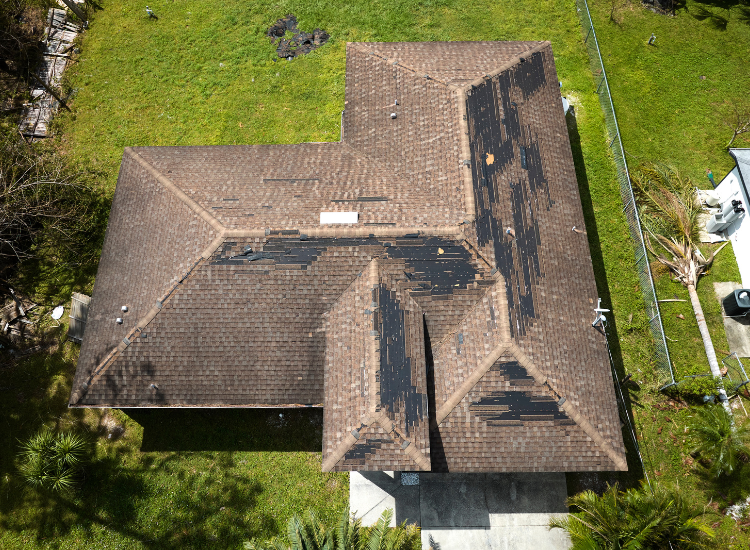
Preventing basement flooding during spring thaws requires proactive maintenance and strategic preparation. Ensure your gutters and downspouts are clear and directing water at least 6 feet away from your foundation, verify your sump pump is functioning properly with a battery backup system in place, seal any foundation cracks, and grade your yard to slope away from your home. These measures are especially critical in Chicagoland, where dramatic freeze-thaw cycles and rapid snowmelt can overwhelm unprepared drainage systems.
Understanding Spring Flooding Risks in Chicagoland
Spring thaw season hits Chicago and surrounding communities particularly hard. After months of brutal winter weather with heavy lake effect snow accumulation, temperatures can swing dramatically in March and April. A single 50-degree day following weeks of sub-zero temperatures can melt massive amounts of snow rapidly, sending water rushing toward your foundation. Homes throughout Cook, DuPage, Lake, Will, and Kane Counties face heightened flooding risks during this transition period, particularly older Chicago bungalows, two-flats, and mid-century ranch homes with finished basements.
The freeze-thaw cycle creates additional complications. Water that seeps into foundation cracks during the day freezes at night, expanding those cracks and creating new pathways for water intrusion. Combined with ground saturation from melting snow, this creates the perfect storm for basement flooding.
Essential Prevention Measures
Gutter and Downspout Management
Your first line of defense starts above ground. Clean all gutters and downspouts before spring arrives, removing leaves, ice, and debris that accumulated during winter. In neighborhoods like Lincoln Park, Evanston, and Oak Park where mature trees are common, this step is absolutely critical.
Extend downspouts at least 6 feet from your foundation using flexible extensions or buried drainage pipes. Water dumping directly next to your home will find the path of least resistance—straight into your basement. For homes in low-lying areas of communities like Tinley Park or Downers Grove, consider installing underground drainage systems that carry water even farther from your property.
Sump Pump Maintenance and Backup Systems
Your sump pump is your basement’s last line of defense. Test it monthly by pouring water into the sump pit until the float activates—the pump should turn on automatically and discharge water outside. Replace pumps older than 7-10 years, as failure rates increase with age.
Battery backup systems are essential insurance for Chicago-area homes. Spring storms frequently cause power outages exactly when you need your sump pump most. A quality battery backup system will keep your pump running for hours during outages. Consider upgrading to a water-powered backup pump for additional protection, which operates using municipal water pressure without requiring electricity or batteries.
Foundation Inspection and Sealing
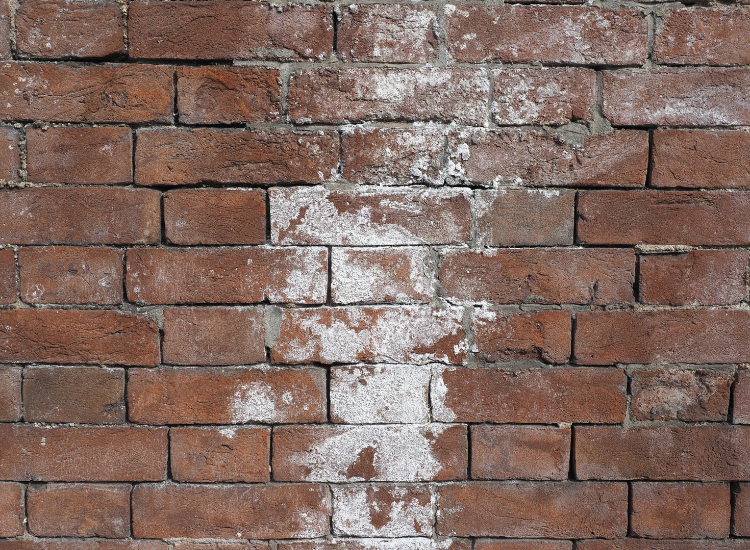
Walk your home’s perimeter in early spring, looking for cracks, gaps, or deterioration in your foundation. Pay special attention to areas where utilities enter your home. Seal cracks larger than 1/8 inch with hydraulic cement or polyurethane caulk designed for masonry applications.
For homes in Naperville, Schaumburg, Arlington Heights, and other suburbs with clay-heavy soil, foundation movement during freeze-thaw cycles is particularly common. Professional foundation inspections can identify structural concerns before they become flooding emergencies.
Proper Grading and Drainage
Ground around your foundation should slope away at least 6 inches over 10 feet. Over time, soil settles and erosion changes grading patterns. Add clean fill dirt where needed to restore proper slope, then compact it firmly.
Consider installing a French drain system if your property has persistent drainage issues. This underground perforated pipe system collects groundwater and directs it away from your foundation—particularly valuable for homes in Elmhurst, Orland Park, and other communities where high water tables create chronic moisture problems.
Interior Basement Waterproofing
Apply waterproof sealant to basement walls and floors as an additional moisture barrier. While not a substitute for addressing exterior drainage issues, interior sealants provide valuable secondary protection for finished basements common throughout Lakeview, Wicker Park, Logan Square, and Hyde Park.
Install a dehumidifier to manage humidity levels below 50%, reducing mold growth risks during Chicago’s humid spring and summer months.
When Flooding Occurs
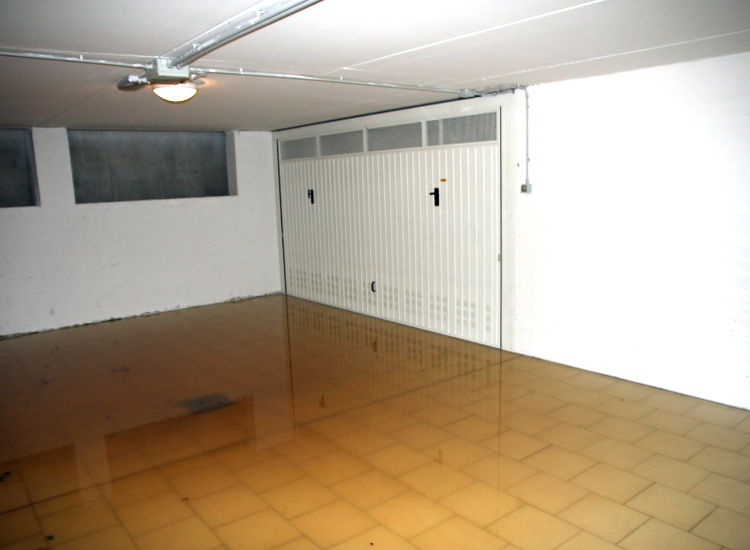
Despite best prevention efforts, spring flooding can still occur. If you discover water in your basement, prioritize safety first—never enter standing water that may be electrically charged. Document damage with photos for insurance purposes, then contact professional restoration services immediately.
Professional Restoration Support for Chicagoland Homeowners
Spring thaw flooding requires immediate professional attention to prevent long-term damage and mold growth. Redefined Restoration provides 24/7 emergency water damage restoration services throughout Chicago and surrounding Chicagoland communities. Our certified technicians understand the unique challenges facing area homes during spring thaw season and respond quickly to extract water, dry structures, and restore your basement to pre-loss condition.
Don’t wait until water appears in your basement. Contact Redefined Restoration at https://redefinedresto.com today for a comprehensive assessment of your home’s flooding vulnerabilities and professional recommendations to protect your property during spring thaws.