Eco-Smart Innovations in Water Damage Restoration That Save Homes

water damage restoration

When homes are hit by leaks, floods, or burst pipes, the aftermath can be devastating. Traditional cleanup methods often waste resources and rely heavily on chemicals, compounding the impact on both the environment and the property. Today, eco-smart innovations in water damage restoration are changing the way professionals respond to disasters, making the process more efficient, sustainable, and safer for families. These green strategies don’t just restore homes; they also preserve natural resources while reducing long-term costs.

Understanding the Importance of Eco-Smart Restoration

Water damage is one of the most common household problems, yet it’s also one of the most complex to repair. Mold growth, structural weakness, and contaminated living spaces are common outcomes of untreated or improperly handled water intrusion. Eco-smart solutions address these concerns using modern techniques that minimize waste while maximizing the safety of both occupants and the environment.

Rather than relying solely on energy-draining equipment or harsh cleaning products, forward-thinking professionals adopt natural solutions, sustainable materials, and advanced drying technologies. This method restores homes while reducing environmental footprints—and that’s a win for both property owners and the planet.

Advanced Extraction Technology

Rapid water removal is critical when dealing with damage caused by flooding or burst pipes. Outdated methods often involved excessive demolition, mechanical pumping that consumed large amounts of energy, and disposal practices that produced more waste than necessary.

Eco-smart innovations now involve energy-efficient pumps and vacuums that can quickly extract water without the heavy fuel consumption of older machinery. These systems reduce time spent on-site, minimize disruptions to households, and ensure the least amount of damage to building materials. Additionally, equipment designs have improved to reuse and filter extracted water for safe disposal, preventing unnecessary contamination of natural water systems.

Eco-Friendly Drying Solutions

Drying out a space after water exposure used to involve high-energy fans running non-stop, sometimes for days. While this worked, it also drained electricity and often left hidden moisture behind—creating mold risks. Today’s eco-smart methods use low-energy desiccant dehumidifiers, moisture-detection tools, and smart airflow systems that cut down on energy use while speeding up results.

Infrared cameras, for example, identify hidden wet spots inside walls that are often overlooked, preventing future demolition when mold emerges. By finding these moisture pockets early with technology, technicians can focus drying efforts only where needed, making every process more efficient and eco-conscious.

Natural and Non-Toxic Cleaning Products

One of the most harmful parts of old restoration techniques was the heavy use of chemical cleaners and disinfectants. While they killed bacteria and odors, they often left behind harmful residues that posed health risks to families, pets, and the ecosystem.

Green cleaning solutions have completely reshaped this part of water damage restoration. Companies now use biodegradable, plant-based disinfectants that are safer yet powerful enough to kill mold spores and bacteria on contact. These products eliminate hazardous fumes, create healthier indoor air quality, and protect building materials without corroding or staining surfaces.

Sustainable Building Materials in Repairs

Restoration often involves repairing drywall, flooring, and wood structures that were damaged by water. Traditional materials might be fast to replace, but not all of them are eco-friendly. Forward-thinking restoration experts are now turning toward sustainable materials such as recycled wood, bamboo floors, low-VOC paints, and eco-certified drywall.

These materials don’t just reduce environmental damage—they also provide better long-term durability and healthier indoor living conditions. By integrating eco-conscious construction practices into water damage restoration, homes become stronger, safer, and more environmentally responsible.

Smart Monitoring Systems

Technology now plays a big role in preventing repeat water damage. Smart monitoring innovations give homeowners control and real-time oversight of their property’s water status, often through mobile apps. Moisture sensors installed in floors or walls can send alerts if leaks or excess humidity are detected, preventing costly disasters before they spiral out of control.

These systems not only provide peace of mind, but they also save resources by reducing the likelihood of emergency responses. When paired with eco-smart restoration services, the risk of long-term damage to homes significantly decreases.

Redefined Approaches to Waste Reduction

During water damage repairs, demolition waste such as drywall, wood, flooring, and insulation can add up quickly. Instead of sending these materials to landfills, eco-smart professionals prioritize recycling and reuse whenever possible.

By salvaging building elements that are still structurally sound and repurposing materials for future projects, modern restoration companies reduce the overall environmental strain. Dust filtration systems also ensure that airborne particles are minimized, keeping the indoor environment cleaner and healthier during repairs.

Community Awareness and Environmentally-Safe Practices

Eco-smart innovations go beyond equipment and technology. Today’s trusted specialists also focus on building community awareness about sustainable repairs. Educating homeowners about maintenance, energy conservation, and reducing water waste helps ensure that restoration is not just a one-time fix, but a long-term lifestyle adjustment.

A growing number of homeowners want services that align with eco-friendly goals, and this demand continues to influence how leaders in water damage restoration approach their craft.

Role of a Water Damage Restoration Company

When it comes to protecting a home, the role of a professional water damage restoration company cannot be overstated. They bring the expertise, tools, and eco-conscious methods needed to address flooding, sewage backups, pipe bursts, or storm-related water damage effectively. By relying on advanced solutions, a water damage restoration company ensures that homes are not only restored quickly but also in a way that minimizes the environmental impact. Choosing professionals makes all the difference between temporary fixes and long-term protection for properties.

The Future of Water Damage Restoration

As climate change increases the frequency of storms and flooding, water damage restoration will remain a crucial service for property owners worldwide. The integration of smart, eco-friendly practices will only continue to expand, offering homeowners better, safer, and more cost-effective ways to protect their investments.

Companies dedicated to innovation are leading this transformation. By continually upgrading tools, adopting sustainable methods, and staying committed to eco-conscious goals, they are redefining what it means to restore homes in modern times.

One Company Making a Difference

In Chicago, Redefined Restoration – Chicago Water Damage Service has become a trusted name for families facing unexpected water disasters. With expertise rooted in eco-smart processes, this team focuses on delivering solutions that not only restore homes quickly but also minimize environmental impact. Their approach embodies what it means to combine science, sustainability, and compassion in one service model.

When you look for professionals who balance efficiency with care, this type of company stands out. A water damage restoration company that continuously adopts eco-friendly technology ensures communities remain safer, homes endure longer, and restoration becomes more than just a repair—it becomes a sustainable way of living.

For homeowners, understanding the importance of these practices highlights why relying on a professional water damage restoration company is no longer just about fixing walls and floors—it’s about securing a home while protecting the environment. This is how the future of water damage restoration truly saves homes.

Why Choose Us

At Redefined Restoration – Chicago Water Damage Service, we believe that protecting homes shouldn’t come at the expense of the environment. By combining eco-smart technology, sustainable materials, and compassionate expertise, we provide water damage restoration that saves homes, safeguards families, and respects the planet.


Redefined Restoration – Chicago Water Damage Service

2924 W Armitage Ave Unit 1, Chicago, IL 60647

(708) 722-8778

https://redefinedresto.com/water-damage-restoration-chicago/

What Emergency Calls to Water Damage Restoration Companies Reveal About Modern Homes

water damage restoration companies

Modern homes may look sleek, sturdy, and designed for convenience, but when emergencies happen, the cracks in both construction and lifestyle often reveal themselves more clearly than ever. One of the most telling signs of how modern homes are built and lived in comes from the type of emergency calls received by water damage restoration companies. Each frantic call—whether it’s about a burst pipe in the middle of the night, a flooded basement after a heavy rain, or a leaking appliance that ruins a brand-new wood floor—tells a story about the strengths and weaknesses of today’s homes.

This blog explores the hidden lessons that these emergencies teach us about modern construction, home design, and homeowner habits.

What Emergency Calls Reveal About Modern Home Design

Emergency calls to restoration professionals highlight a key reality: modern homes are highly advanced but often delicate. Unlike older houses that had simpler systems, today’s homes are loaded with plumbing networks, energy-efficient appliances, smart features, sophisticated HVAC systems, and lightweight building materials that react differently to water exposure.

When a homeowner dials water damage restoration companies in the middle of the night, it’s often because modern construction materials—like engineered wood or luxury vinyl planks—absorb and warp quickly, demanding urgent intervention. Many of these materials are excellent for aesthetics, but they’re less forgiving when disaster strikes. Emergency calls don’t just represent water intrusion; they expose vulnerabilities in modern architectural trends.

Common Triggers Behind Emergency Calls

Burst Pipes

One of the primary reasons water damage companies get urgent calls is due to burst pipes, especially in colder climates. Modern homes often use PEX or PVC piping for flexibility and cost efficiency, but these materials can expand and fail when frozen or pressured.

Appliance Failures

Dishwashers, washing machines, and water heaters have become indispensable, but they also generate countless emergency calls. A small leak from a washing machine hose can flood entire laundry rooms in hours.

Roof and Foundation Leaks

With heavy rain becoming more common across regions, many emergency calls are linked to roof damage or failed gutters leading to water seepage into basements. Today’s homes often prioritize curb appeal over robust drainage measures, making water more difficult to control.

Smart Home Complications

Ironically, even smart homes come with risks. A burst pipe in a smart house can trip electrical systems, disable alarms, and complicate restoration efforts. Emergency calls reveal how technology in modern homes sometimes adds complications instead of preventing them.

The Role of Lifestyle in Emergencies

It’s not just design—homeowner habits also show up in emergency calls. People today are busier than ever, often neglecting maintenance tasks like cleaning gutters, checking water heater age, or inspecting small leaks. Water damage restoration companies regularly hear homeowners admit that they noticed a small drip weeks ago but ignored it until it caused a bigger disaster.

Lifestyle choices also influence vulnerability. Open-concept designs mean fewer walls to block water flow, so one appliance leak may damage multiple rooms rather than being contained. Hardwood, laminate, and carpeting are common flooring choices that don’t handle moisture well, unlike older tile or linoleum floors.

Lessons in Hidden Vulnerabilities

Emergency calls to water damage companies pull back the curtain on weaknesses we didn’t anticipate in modern building. For example:

  • Lightweight drywall can collapse after just a few hours of water exposure.
  • Insulation behind walls can trap moisture, creating hidden mold risks.
  • Decorative basement finishes transform what used to be storage spaces into living areas, but also make them highly vulnerable to flooding.

These vulnerabilities mean emergencies are not simply about cleaning up water—they’re about preserving investment and avoiding long-term repairs that can spiral into tens of thousands of dollars.

The Speed Factor

Time is everything when disaster strikes. Emergency calls highlight how quickly water spreads in modern homes filled with electrical wiring, electronics, and interconnected materials. A small leak in one corner may reach walls, crawlspaces, and hardwood flooring in less than an hour.

This urgency is why water damage restoration companies stress rapid response. Unlike some household issues that can wait, water damage accelerates—warped flooring, electrical hazards, and mold spores don’t wait for convenience. Homeowners who delay often see the damage double or triple compared to those who act immediately.

Why Modern Homes Experience More Water Damage

The increase in emergency calls to water damage companies points to some clear reasons why modern homes face more frequent and severe water damage:

  • Sensitive materials: Engineered flooring and drywall don’t resist water well.
  • Compact designs: Smaller lots and close neighbors make external drainage a bigger issue.
  • Multiple appliances: More devices mean more potential failure points.
  • Climate extremes: Heavy rains, storms, and freezing conditions exacerbate risks.
  • Maintenance culture: Homeowners often skip preventative upkeep.

These factors combined explain why emergencies are more common now than they were several decades ago.

Emotional Toll of Emergencies

One overlooked aspect emergency calls reveal isn’t just physical damage but the emotional shock. Modern homes are often filled with personal electronics, heirlooms, and sentimental belongings alongside everyday necessities. A flooded basement isn’t just a structural concern—it can mean the loss of photo albums, childhood toys, or home offices that people rely on. Water restoration professionals often hear distress in homeowners’ voices, not just about material damage but about losing memories.

Redefined Restoration – Chicago Water Damage Service

In Chicago, many locals face specific challenges due to unpredictable weather patterns, harsh winters, and frequent storms. Redefined Restoration – Chicago Water Damage Service is one of the water damage restoration companies that hears emergency calls every week from homeowners whose modern living spaces face sudden water issues. They deal with both small leaks and catastrophic flooding, showcasing how water damage companies have become essential partners in protecting today’s homes—not just in saving property but in helping restore a sense of security.

In fact, water damage restoration companies like Redefined Restoration are crucial when it comes to rapid responses because delays can lead to mold infestation within 48 hours. At the same time, water damage companies near me rarely just dry out a space—they also restore flooring, drywall, and even personal property, making them comprehensive problem solvers.

Why Choose Us

Redefined Restoration – Chicago Water Damage Service understands how stressful water damage can be in modern homes. With 24/7 support, rapid response times, and comprehensive restoration methods, we ensure that every home is treated with urgency and care. Our team doesn’t just fix the damage—we help restore peace of mind so you and your family can feel at home again.


Redefined Restoration – Chicago Water Damage Service

2924 W Armitage Ave Unit 1, Chicago, IL 60647

(708) 722-8778

https://redefinedresto.com/water-damage-restoration-chicago/
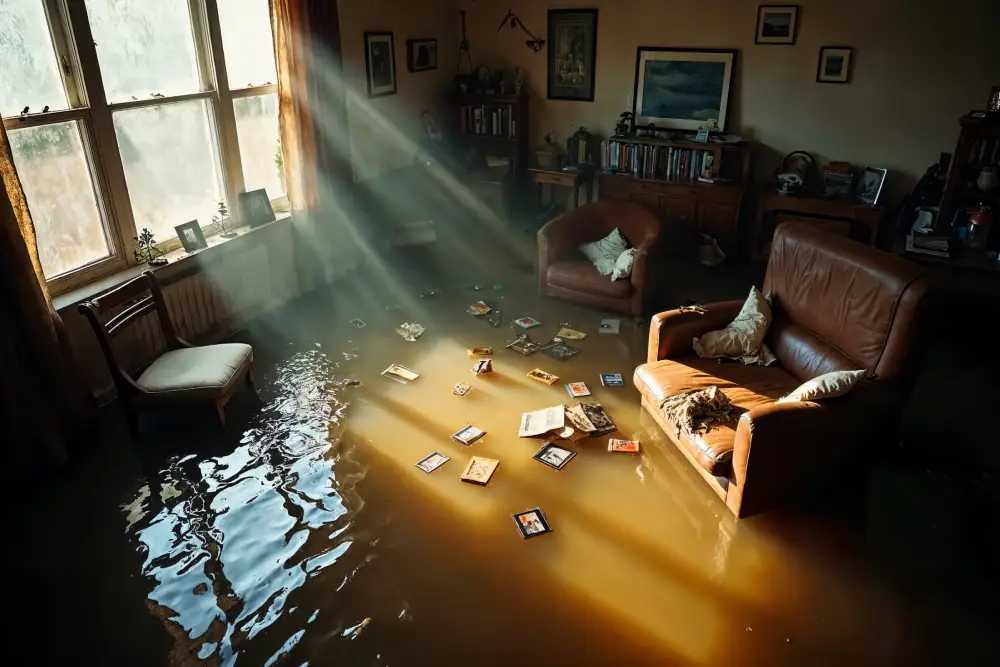
Water Damage Restoration Guide: Fast and Reliable Steps to Protect Your Property After a Flood

water damage restoration
Flooding is one of the most damaging disasters your home or business can face. Whether it’s caused by heavy rainstorms, burst pipes, or appliance leaks, water can quickly seep into walls, floors, furniture, and personal belongings, leaving behind a trail of destruction. What makes water damage especially challenging is that it doesn’t just create immediate problems—it can also lead to long-term issues like mold growth, structural weakening, and even health risks for your family. This water damage restoration guide is designed to provide homeowners and property managers with practical, step-by-step information on how to act quickly to minimize losses after a flood. From immediate actions you should take when water enters your property, to professional cleanup processes carried out by a reliable water damage restoration company, this resource covers everything you need to know to regain control and protect your investment.

Understanding Water Damage and Its Risks

Before diving into restoration steps, it’s important to recognize how water damage affects a property. Water isn’t always “just water.” Depending on the source, it can be clean, gray, or black water:
  • Clean water: Leaks from pipes or rainwater that doesn’t immediately present health hazards.
  • Gray water: Comes from appliances like washing machines or dishwashers. It may contain chemicals or debris, posing moderate risks.
  • Black water: Highly contaminated sources such as sewage backups or floodwaters from outside. This water is unsafe and hazardous, requiring specialized professional handling.
Without immediate water damage restoration, even clean water can become a breeding ground for mold within 24–48 hours. Over time, structural materials like wood and drywall absorb moisture, weaken, and potentially collapse. Knowing the category of water damage helps determine the urgency and level of cleanup needed.

Immediate Steps After a Flood

1. Ensure Safety First

Flooded areas can hide serious hazards—electric shocks from exposed wiring, slippery surfaces, or contaminated water. Before stepping into the damaged space, turn off electricity and gas lines if possible. If water levels are too high, stay out and wait for professionals.

2. Stop the Source of Water

If the flooding is caused by a burst pipe or appliance leak, shut off your main water supply immediately. For storm or natural flood damage, focus on protecting yourself and your family and seek help from local emergency services if necessary.

3. Document the Damage

Take photos and videos of affected areas before cleanup begins. This documentation will be vital when filing insurance claims.

4. Remove Valuables and Furniture

Move undamaged items to a dry area if possible. Rugs, electronics, and other removable items should be prioritized. Avoid lifting heavy, water-soaked furniture that might injure you.

5. Call a Professional Water Damage Restoration Company

Do not underestimate the impact of water damage. While small spills can sometimes be mopped up on your own, larger floods often require professional intervention. Experts have specialized equipment like industrial-strength pumps, dehumidifiers, and moisture meters to ensure every trace of water is removed.

The Professional Water Damage Restoration Process

Hiring a reputable water damage restoration company ensures every part of cleanup and repair is addressed systematically. Here’s what typically happens during professional water damage restoration:

Step 1: Inspection and Assessment

Experts assess the level of water damage, determine the water contamination category, and develop an action plan tailored to your property.

Step 2: Water Extraction

Using high-powered pumps and vacuums, professionals remove large volumes of water quickly. Time is crucial—delays increase mold risk and structural damage.

Step 3: Drying and Dehumidification

Even if surfaces look dry, moisture often remains trapped inside walls, floors, or ceilings. Industrial-grade dehumidifiers and air movers dry hidden areas thoroughly, preventing long-term risks.

Step 4: Cleaning and Sanitization

Contaminants and bacteria from floodwater must be eliminated. Surfaces are cleaned, disinfected, and deodorized to ensure safe living conditions and eliminate odors.

Step 5: Restoration and Repairs

Depending on the severity, repairs can range from minor fixes like replacing drywall or repainting, to complete reconstructions of damaged sections. A dependable water damage restoration company handles these phases seamlessly.

Preventing Mold and Secondary Damage

Mold growth is one of the biggest risks following a flood, often appearing within 24–48 hours in a moist environment. A certified water damage restoration team uses advanced drying technology to tackle hidden dampness where mold may take hold. They also apply antimicrobial treatments to prevent spores from spreading. If left unchecked, mold can cause respiratory issues, allergies, or infections, particularly in children and individuals with health conditions. This makes rapid water damage restoration not just about property preservation, but also protecting your family’s well-being.

Choosing the Right Water Damage Restoration Company

Not all companies offer the same level of service. When searching for a reliable team, keep the following in mind:
  • 24/7 Emergency Service: Water damage emergencies don’t wait for business hours. A company that responds immediately can make a crucial difference.
  • Certified Professionals: Look for trained technicians who understand how to treat different categories of water damage.
  • Advanced Equipment: Professional-grade pumps, air movers, and moisture detection tools are necessary for complete restoration.
  • Insurance Assistance: Many water damage restoration companies also assist with insurance claims, making the process less stressful.
By working with experts, you gain peace of mind knowing that both visible and hidden water damage is handled correctly, reducing future risks and costs.

Common Causes of Water Damage

While flooding is often associated with storms, many other culprits exist:
  • Broken or leaking pipes
  • Roof leaks
  • Basement seepage
  • Appliance malfunctions (water heaters, dishwashers, washing machines)
  • HVAC system issues
  • Sewer backups
Understanding these common triggers can help homeowners take proactive steps to prevent future flooding incidents.

Long-Term Maintenance Tips

Restoring water damage isn’t just about fixing the immediate problem—it’s also about preventing future issues. Here are some practical steps:
  • Inspect pipes regularly for corrosion or leaks.
  • Clean gutters and downspouts to encourage proper water drainage.
  • Install a sump pump in basements prone to flooding.
  • Seal cracks in your foundation.
  • Schedule annual plumbing and roof inspections.
By investing in preventive care, you’re reducing the likelihood of needing future water damage restoration.

Frequently Asked Questions

Ideally, water damage restoration should begin within 24 hours of flooding. The longer water sits in your property, the higher the risk of structural damage and mold growth.

Minor cases, like small leaks, may be managed with household tools. However, significant flooding requires professional intervention. A water damage restoration company has the specialized tools and expertise to completely extract water, dry hidden areas, and sanitize properly.

Costs vary depending on the extent of damage and the source of flooding. Minor leaks can cost a few hundred dollars, while severe floods requiring structural repairs may run into the thousands. A professional inspection gives the most accurate estimate.

Many policies cover water damage caused by sudden and accidental incidents, like burst pipes. However, flood damage from natural disasters often requires separate flood insurance. Documenting the damage carefully will support your insurance claim.

Start by removing water quickly and using dehumidifiers to dry damp areas. Hiring a water damage restoration company ensures mold-prevention treatments are applied effectively.

In many cases, the drying process alone can take 3–5 days. Full water damage restoration may range from a few days to several weeks, depending on the extent of cleanup and repairs required.

Shut off the water source if possible, remove belongings from the affected area, and open windows for ventilation. However, avoid extensive cleanup if the water is contaminated, as it can be hazardous.

This water damage restoration guide empowers you with the knowledge to act quickly and effectively after a flood. By understanding what steps to take immediately, what professionals will do, and how to prevent future risks, you’re better equipped to protect both your property and your family.


Redefined Restoration – Chicago Water Damage Service

2924 W Armitage Ave Unit 1, Chicago, IL 60647

(708) 722-8778

https://redefinedresto.com/water-damage-restoration-chicago/
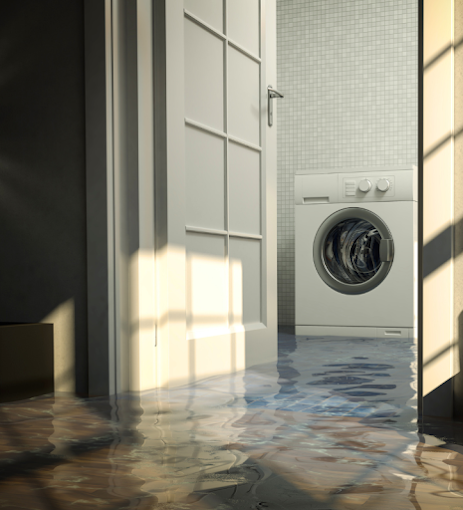
Why Quick Water Damage Cleanup Is Critical to Prevent Mold Growth and Structural Damage

water damage cleanup

When you think about home maintenance, one of the most underestimated threats is water damage. Whether it’s caused by a burst pipe, leaky roof, overflowing appliance, or a sudden flood, water in places where it doesn’t belong can wreak havoc on your home. Many people assume drying things out naturally is good enough, but in reality, delaying professional help can open the door to two major problems: mold growth and structural damage.

This is why quick water damage cleanup is not just a recommendation—it’s a necessity. The longer water sits inside your property, the deeper it seeps into flooring, drywall, and insulation, creating a perfect environment for mold spores to grow and for building materials to weaken. Acting fast can save you thousands of dollars and keep your family safe from health hazards.

In this blog, we will explore why time is of the essence when handling water damage, how it affects your property, and what happens if cleanup is delayed.

Understanding the Immediate Impact of Water Damage

The moment water enters your home, it begins to spread. Carpets absorb it like a sponge, wooden floors start expanding, and drywall softens almost instantly. Within just a few hours, moisture can travel farther than you realize, reaching hidden areas behind walls and under flooring. This is one reason why water damage cleanup should never be postponed—the water will not stay in one place.

If left unattended, the initial damage quickly transitions into more complex issues. Electrical wiring may be compromised, furniture may warp, and paint may start blistering. What starts as a small inconvenience can spiral into a full-blown crisis without timely intervention.

Why Mold Growth Happens So Quickly

Mold is one of the most significant threats following water intrusion. Mold spores are everywhere in the environment, but they only need two key things to grow: moisture and organic materials. Unfortunately, your home provides both. Drywall, wood framing, carpets, and fabrics are ideal breeding grounds once they get wet.

Here’s where speed matters: mold can begin to develop within 24 to 48 hours after water exposure. That means if you delay professional water damage cleanup, you could already be dealing with the early stages of a mold infestation by the time you notice musty odors. Once mold starts spreading, it can be incredibly difficult and costly to remove, while also posing health risks such as allergies, respiratory irritation, and more serious conditions in sensitive individuals.

Structural Damage: The Silent Enemy

When people think of water damage, they usually picture soaked carpets or ruined furniture. However, the hidden danger lies in structural damage. Water weakens wooden beams, corrodes metal, and breaks down concrete over time. If water seeps into the foundation of your home, it can compromise the very stability of the entire building.

For instance, wood framing exposed to water for extended periods may lose its strength, becoming brittle or warped. Drywall that remains wet can crumble and lose its integrity. Even unseen areas, like subfloors, can rot if water damage cleanup doesn’t happen fast enough.

This structural weakening doesn’t just increase the cost of repairs—it also jeopardizes your safety. A home may no longer be structurally sound, creating hazards for the family living there.

The Hidden Costs of Delaying Water Damage Cleanup

It might be tempting to wait or handle things with DIY solutions, but ignoring the urgency of water damage cleanup leads to higher costs in the long run.

  • Mold remediation costs: Once mold has spread, cleaning and repairs become more extensive. It often means tearing out drywall, replacing insulation, and treating the home with specialized products.
  • Property damage escalation: Furniture, electronics, clothing, and personal belongings exposed to water for extended periods are often unsalvageable.
  • Insurance complications: Insurance companies are less likely to cover severe damage if they determine negligence played a role, such as not acting quickly enough.

The bottom line: a little delay in addressing water damage often translates to thousands of dollars in additional repairs.

Why Time-Sensitive Action Is the Key

Every hour counts after water damage. Professional restoration specialists understand this urgency, which is why they arrive with advanced equipment like industrial fans, dehumidifiers, and moisture meters. These tools ensure every drop of water is removed from visible and hidden areas.

By acting quickly, you:

  1. Prevent mold from colonizing your walls, carpets, and personal belongings.
  2. Stop water from soaking deeper into the structural materials.
  3. Reduce the risk of permanent damage.

Fast and thorough water damage cleanup gives you peace of mind, knowing your property is not only dry but safe from long-lasting hazards.

The Health Risks You Can’t Ignore

Delaying response to water damage doesn’t only harm your property—it also impacts your health. Mold spores that thrive in damp environments can trigger allergic reactions, asthma attacks, and other respiratory conditions. Children, the elderly, and individuals with weakened immune systems are most vulnerable.

Standing water also becomes a breeding ground for bacteria. Depending on the source of the water—such as sewage backups or floodwater—it can bring harmful pathogens into your living space. Quick water damage cleanup near me eliminates these hazards before they escalate into a health crisis.

Signs That Indicate Mold or Structural Damage After Water Exposure

Sometimes, the damage isn’t immediately obvious. Here are red flags that hint at developing issues:

  • Musty odors in certain rooms
  • Discoloration on walls or ceilings
  • Warped or buckled flooring
  • Peeling paint or wallpaper
  • Creaking or weakened flooring under pressure
  • Increased allergy-like symptoms indoors

These are signals that moisture may still be trapped inside your home, often requiring professional inspection and proper remediation.

Redefined Restoration – Chicago Water Damage Service

2924 W Armitage Ave Unit 1, Chicago, IL 60647

(708) 722-8778

https://redefinedresto.com/water-damage-restoration-chicago/