
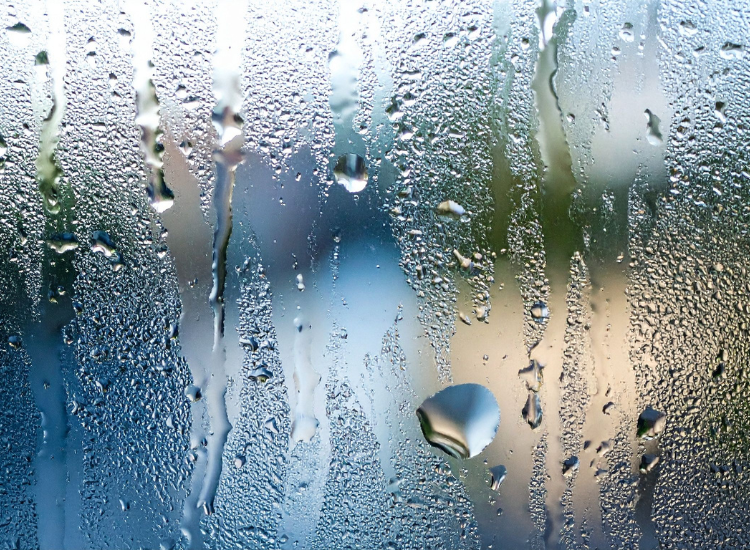
Condensation on windows occurs when warm, moisture-laden indoor air contacts cold glass surfaces, causing water vapor to convert into liquid droplets. While minor condensation is normal during Chicago’s brutal winter months, excessive moisture buildup signals high indoor humidity levels and inadequate ventilation that can lead to serious problems including mold growth, window frame deterioration, and wood rot. This issue is particularly common in older Chicago bungalows, greystones, and two-flats with original single-pane windows during our sub-zero polar vortex events when the temperature difference between indoors and outdoors reaches extreme levels.
Understanding Window Condensation: The Science Behind the Moisture
Window condensation follows the same principle as a cold drink “sweating” on a summer day. When warm indoor air (which holds more moisture) meets the cold surface of window glass during Chicago’s harsh winters, the air rapidly cools and can no longer hold its moisture content. This excess water vapor condenses into visible droplets on the glass.
The dew point—the temperature at which air becomes saturated and can’t hold additional moisture—plays a crucial role. During January and February when outdoor temperatures plunge below zero and indoor heating systems run constantly, your windows become the coldest surfaces in your home, making them prime locations for condensation to form.
Common Causes of Excess Window Condensation
Several factors contribute to problematic condensation levels in Chicagoland homes:
High indoor humidity levels: Cooking, showering, laundry, houseplants, and even breathing release moisture into your home’s air. In tightly sealed newer construction or recently renovated homes in Naperville, Elmhurst, and surrounding suburban communities, this moisture has nowhere to escape.
Poor ventilation: Older homes in neighborhoods like Lincoln Park, Wicker Park, and Oak Park often lack proper mechanical ventilation, especially if original windows have been replaced without addressing overall air circulation.
Single-pane windows: Many historic Chicago properties still feature original single-pane windows that offer minimal insulation, creating dramatic temperature differences that promote condensation.
Inadequate heating: Cold spots near windows in poorly heated rooms increase condensation risk, particularly in finished basements common throughout Evanston, Schaumburg, and Arlington Heights.
When Condensation Becomes a Serious Problem
Occasional light condensation that evaporates quickly typically isn’t concerning. However, persistent or heavy condensation demands immediate attention for several reasons:
Mold and Mildew Growth
Constant moisture on window frames, sills, and surrounding walls creates ideal conditions for mold colonization. Chicago’s humid summers (June through August) compound this risk, as mold spores thrive in temperatures between 60-80°F with sustained moisture. Black mold and other toxic varieties pose serious health risks, particularly for children, elderly residents, and those with respiratory conditions.
Wood Rot and Structural Damage
Water pooling on wooden window sills and frames gradually causes rot, especially in older homes throughout Hyde Park, Beverly, and vintage Chicago neighborhoods. Once rot establishes itself, it compromises structural integrity and requires professional restoration services. Left unchecked, rot can extend into wall framing and require extensive repairs.
Paint and Finish Deterioration
Chronic condensation causes paint to peel, bubble, and crack around window openings. Beyond aesthetic concerns, compromised paint allows moisture to penetrate deeper into building materials.
Ice Buildup and Window Damage
During extreme cold snaps, condensation can freeze directly on glass surfaces, potentially cracking panes and damaging seals on double-pane windows. This is particularly problematic during polar vortex events when temperatures remain below zero for extended periods.
Preventing and Resolving Window Condensation Issues
Control Indoor Humidity Levels
Maintain indoor relative humidity between 30-40% during winter months. Use bathroom and kitchen exhaust fans when showering or cooking, run a dehumidifier in moisture-prone areas, and ensure your dryer vents properly to the exterior. Consider a whole-house humidity monitor to track levels throughout your home.
Improve Ventilation
Open windows briefly when outdoor conditions permit (even during winter) to exchange humid indoor air with drier outdoor air. Install or use existing exhaust fans, and consider a heat recovery ventilator (HRV) or energy recovery ventilator (ERV) system for consistent air exchange without heat loss.
Upgrade Window Insulation
Replace single-pane windows with energy-efficient double or triple-pane models featuring low-E coatings. For homeowners in historic districts with preservation requirements, interior storm windows provide improved insulation while maintaining original exterior appearance. Window insulation film offers a temporary, budget-friendly solution.
Maintain Consistent Heating
Keep thermostats at steady temperatures rather than dramatic setbacks, ensuring warm air circulates near windows. Use ceiling fans on low speed to promote air movement during winter, and keep window coverings open during daytime hours to allow warm air access to glass surfaces.
Address Moisture Sources
Repair plumbing leaks promptly, ensure proper grading around your foundation to prevent basement moisture intrusion common in Downers Grove, Orland Park, and Tinley Park homes, and verify that crawl spaces have adequate vapor barriers and ventilation.
When to Call Professional Restoration Services
If you’ve discovered mold growth around windows, observed wood rot in frames or sills, or notice condensation accompanied by musty odors, professional assessment is essential. These conditions often indicate problems beyond surface condensation, potentially including hidden water intrusion, inadequate insulation, or ventilation system failures.
Redefined Restoration serves Chicago and surrounding Chicagoland communities throughout Cook, DuPage, Lake, Will, and Kane Counties with comprehensive water damage assessment, mold remediation, and structural restoration services. Our team understands the unique challenges facing area homes—from historic Chicago bungalows to modern suburban construction—and provides tailored solutions addressing both immediate damage and underlying causes.