
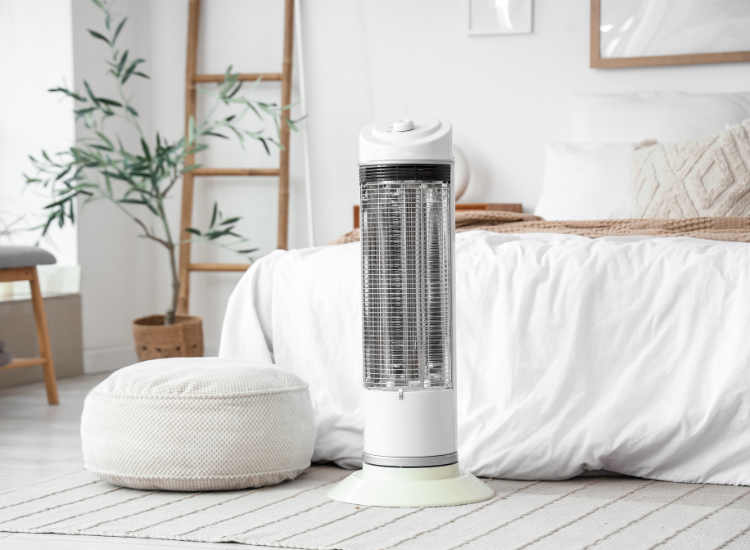
Using space heaters to dry out water damage is not recommended and creates serious safety hazards, including fire and carbon monoxide risks. While they may seem like a quick fix after water damage in your Chicago-area home, space heaters don’t address moisture trapped in walls, subfloors, and structural cavities. Professional water damage restoration uses specialized equipment designed specifically for structural drying without creating dangerous conditions.
Why Space Heaters Are Dangerous for Water Damage Drying
When your basement floods after a sump pump failure during a winter storm or a pipe bursts during one of Chicago’s notorious polar vortex events, the instinct to grab space heaters is understandable. However, this approach introduces multiple safety concerns that far outweigh any perceived benefits.
Fire Hazards: Space heaters are the leading cause of home heating fires, and wet conditions dramatically increase this risk. Water-damaged carpets, soaked drywall, and saturated belongings create the perfect environment for electrical shorts. When space heaters come into contact with wet surfaces or tip over on damp flooring—common in the cramped basements of Chicago bungalows and two-flats—the fire risk becomes severe.
Electrical Dangers: Water and electricity create deadly combinations. Running multiple space heaters on household circuits already stressed by water damage can overload systems, particularly in older homes throughout neighborhoods like Logan Square, Beverly, and Oak Park where electrical systems weren’t designed for modern loads.
Carbon Monoxide Risks: Fuel-burning space heaters produce carbon monoxide, an odorless, deadly gas. In enclosed spaces like basements where many Chicagoland homeowners experience flooding, inadequate ventilation while running these heaters can lead to dangerous CO buildup.
Why Space Heaters Don’t Actually Dry Water Damage
Beyond safety concerns, space heaters simply aren’t effective for proper structural drying.
Surface-Level Drying Only
Space heaters only warm and dry surfaces. They can’t extract moisture from inside wall cavities, beneath flooring, or within insulation—exactly where water migrates after flooding events. In Chicago’s historic greystones and mid-century ranch homes, water travels through plaster walls, settling in hidden spaces where mold can develop within 24-48 hours.
No Moisture Removal
Heating wet air just creates warm, humid air. Without dehumidification, you’re essentially creating a sauna environment that encourages mold growth rather than preventing it. Chicago’s already humid summers (June through August) compound this problem significantly.
Uneven Drying
Professional drying requires controlled, even airflow throughout affected areas. Space heaters create hot spots while leaving other areas damp, leading to warped flooring, cracked drywall, and uneven settling—particularly problematic in older homes with plaster walls and hardwood floors.
What Professional Water Damage Restoration Uses Instead
Professional restoration companies serving Cook, DuPage, Lake, Will, and Kane Counties use equipment specifically designed for structural drying:
Industrial Dehumidifiers
These powerful units extract moisture from the air continuously, lowering humidity levels throughout the affected space. They’re calibrated to remove specific amounts of moisture per day, ensuring thorough drying.
Air Movers
High-velocity air movers create consistent airflow patterns that dry surfaces evenly and promote moisture evaporation from structural materials. Professionals position these strategically based on the specific layout of your home.
Moisture Detection Equipment
Infrared cameras, moisture meters, and hygrometers track moisture levels in materials throughout the drying process, ensuring nothing is missed. This is crucial in Chicago-area homes where water can travel behind brick facades or through layered flooring systems.
Specialty Equipment
For severe water damage from sewer backups, storm flooding, or burst pipes during freeze-thaw cycles, professionals use injection drying systems for wall cavities, floor mat systems for hardwood, and injectidry systems for hard-to-reach areas.
The Right Response to Water Damage in Your Chicagoland Home
When water damage strikes your Lincoln Park condo, Naperville basement, or Evanston two-flat, take these immediate steps:
- Turn off electricity to affected areas
- Stop the water source if possible
- Remove standing water safely
- Contact professional restoration services immediately
- Document damage for insurance claims
Time is critical—especially in older Chicago-area homes where water quickly damages plaster, hardwood, and original architectural details.
Get Professional Help Fast
Don’t risk your safety or your home’s structural integrity with inadequate drying methods. Redefined Restoration serves Chicago and surrounding Chicagoland communities with 24/7 emergency water damage response. Our certified technicians use advanced moisture detection and drying equipment to restore your home properly the first time.
Whether you’re dealing with basement flooding in Schaumburg, burst pipes in Arlington Heights, or storm damage in Tinley Park, we respond quickly with the right equipment and expertise. Contact Redefined Restoration at https://redefinedresto.com or call us immediately for emergency water damage restoration throughout the Chicago area.