
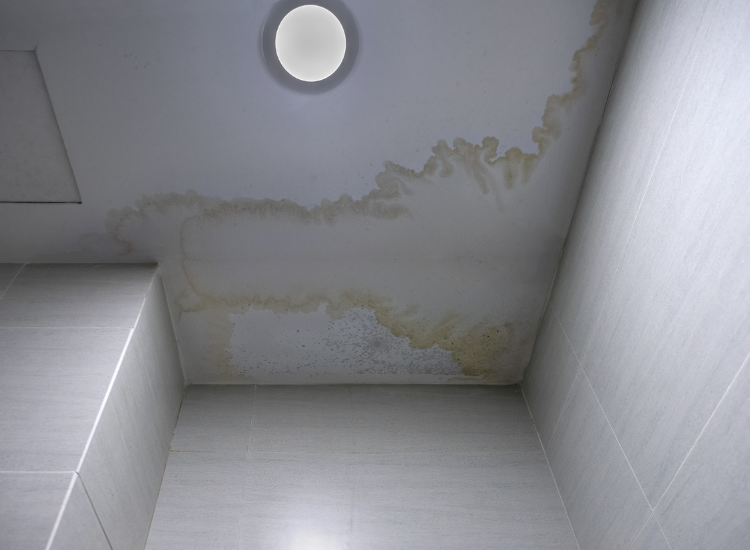
Ceiling water stains are visible indicators of active or past water intrusion from sources above, most commonly roof leaks, plumbing failures, HVAC condensation issues, or ice dam damage. These discolored patches—typically brown, yellow, or copper-colored—signal that moisture has penetrated building materials and may be promoting hidden mold growth, structural deterioration, and insulation damage. In Chicagoland homes, ceiling stains frequently appear after heavy snowfall events that create ice dams, during spring thaw periods, or following severe thunderstorms. Identifying the source quickly is essential to prevent ongoing damage and potential health hazards.
Common Causes of Ceiling Water Stains in Chicago-Area Homes
Roof Leaks and Ice Dam Damage
Chicago’s brutal winters create perfect conditions for ice dams—those ridges of ice that form at roof edges and prevent melting snow from draining properly. As water backs up under shingles, it seeps through the roof deck and appears as ceiling stains in upper-floor rooms or attics. Historic Chicago bungalows and older two-flats with insufficient attic insulation are particularly vulnerable. After heavy lake effect snowfall, homeowners in Evanston, Oak Park, and north side neighborhoods like Lincoln Park often discover new ceiling stains as temperatures fluctuate.
Wind-driven rain during severe spring and summer thunderstorms can also exploit damaged or missing shingles, creating entry points for water. Hail damage from storms that frequently sweep through DuPage and Kane County communities may compromise roof integrity without obvious exterior signs until ceiling stains appear weeks later.
Plumbing Failures
Burst pipes during polar vortex events represent one of the most common emergency calls Redefined Restoration receives from Arlington Heights, Naperville, and throughout Cook County. When temperatures plunge below zero, pipes in exterior walls, unheated attics, or crawl spaces can freeze and rupture, sending water cascading through ceilings below. The resulting stains often appear suddenly and may be accompanied by active dripping.
Slow leaks from aging plumbing are equally problematic in Chicago’s older housing stock. Supply lines, drain pipes, and fixtures in homes built before the 1970s gradually deteriorate, creating persistent moisture problems that manifest as expanding ceiling stains over months or years. Second-floor bathroom leaks commonly damage first-floor ceilings in classic greystones and vintage homes throughout Hyde Park, Beverly, and Elmhurst.
HVAC and Condensation Issues
Air conditioning condensate drain clogs become problematic during Chicago’s humid summers. When drain pans overflow, water drips through ceilings near HVAC equipment or along ductwork paths. Improperly insulated ductwork in attics can produce condensation that creates mysterious ceiling stains seemingly unrelated to weather events—a common issue in mid-century ranch homes throughout Schaumburg, Downers Grove, and Tinley Park.
Attic and Ventilation Problems
Poor attic ventilation combined with Chicago’s temperature extremes creates condensation that mimics leak patterns. During winter, warm interior air meeting cold roof decks produces moisture that saturates insulation and ceiling materials. This issue particularly affects finished attics and top-floor rooms in multi-story homes throughout Lakeview, Logan Square, and Wicker Park, where vintage construction often lacks modern vapor barriers.
What Ceiling Stains Tell You About Hidden Damage
Active vs. Old Water Damage
Fresh water stains appear darker and may feel damp to the touch, with soft or sagging ceiling material indicating active moisture problems requiring immediate attention. Old, dried stains show as faded yellow or brown rings with firm, intact surfaces—but don’t be fooled into complacency. Even old stains indicate past moisture intrusion that may have compromised structural components or promoted mold growth within wall and ceiling cavities.
Mold Growth Risk
Chicago’s humid summers (June through August) create ideal conditions for mold proliferation following water intrusion. Within 24-48 hours of water exposure, mold spores begin colonizing damp building materials hidden above ceiling surfaces. Musty odors accompanying ceiling stains strongly suggest mold contamination requiring professional remediation to protect indoor air quality.
Structural Concerns
Persistent moisture from ongoing leaks degrades ceiling joists, roof decking, and framing lumber. In severe cases throughout Orland Park, Naperville, and surrounding Will County communities, Redefined Restoration technicians discover extensive structural damage behind relatively small visible stains—the ceiling discoloration represents just the tip of a much larger problem.
Immediate Steps When You Discover Ceiling Stains
First, identify and stop the active water source if possible. During freeze events, shut off water supply to burst pipes; during storms, place buckets under active drips and move furniture and belongings away from affected areas. Contact water damage professionals immediately—time is critical for preventing mold growth and secondary damage.
Document the damage thoroughly with photographs for insurance claims before any cleanup begins. Avoid touching or attempting to clean stains yourself, as disturbing contaminated materials may spread mold spores or release particles containing bacteria from roof debris or plumbing wastewater.
Professional Assessment and Restoration
Redefined Restoration’s certified technicians use thermal imaging cameras, moisture meters, and inspection cameras to trace water sources and assess hidden damage throughout affected ceiling cavities. Our comprehensive approach addresses not just visible staining but underlying moisture problems, structural concerns, and mold contamination.
We work directly with insurance companies serving Chicagoland communities to streamline claims processes and ensure homeowners receive full coverage for necessary repairs. Our restoration plans address immediate water extraction, structural drying, antimicrobial treatment, damaged material removal, and complete reconstruction returning ceilings to pre-loss condition.
Don’t Wait—Ceiling Stains Demand Immediate Attention
Ceiling water stains never improve on their own and typically indicate problems actively worsening behind the scenes. Whether caused by Chicago’s harsh winter conditions, severe storm damage, or plumbing failures, these warning signs require professional evaluation to protect your home’s integrity and your family’s health.
Contact Redefined Restoration 24/7 at https://redefinedresto.com for emergency water damage response throughout Chicago and surrounding Chicagoland communities. Our experienced teams serve all of Cook, DuPage, Lake, Will, and Kane Counties with rapid response, thorough assessment, and complete restoration services. Don’t let ceiling stains become catastrophic damage—call the professionals who understand Chicago-area homes and weather challenges.