Can restoration companies work with my insurance adjuster?

Insurance form

Yes, professional restoration companies work directly with insurance adjusters, providing detailed documentation, accurate estimates, and expert testimony to support your claim. Reputable restoration firms like Redefined Restoration have extensive experience navigating the insurance process and can serve as valuable advocates during what’s often a stressful time. They understand insurance requirements, speak the adjuster’s language, and know exactly what documentation is needed to maximize your claim approval. This collaborative relationship between restoration professionals and insurance adjusters helps streamline the claims process and ensures you receive the compensation you deserve for your property damage.

How Restoration Companies Support Your Insurance Claim

When disaster strikes your Chicago-area home—whether from a burst pipe during a January cold snap, basement flooding during spring storms, or fire damage—you’re facing both immediate property damage and the daunting insurance claims process. Professional restoration companies don’t just repair your property; they become essential partners in documenting damage and working with your insurance adjuster.

Restoration professionals photograph and document every aspect of the damage before beginning work, creating a comprehensive record that insurance adjusters need to process claims. They understand the specific terminology and standards insurance companies require, from categorizing water damage (clean water vs. gray water vs. black water) to properly assessing structural impacts that homeowners might overlook.

For Chicagoland homeowners dealing with common issues like sump pump failures in Oak Park bungalows, ice dam damage to Naperville ranch homes, or sewage backups in Evanston’s historic properties, having a restoration company that knows local housing stock and typical damage patterns adds tremendous value to the insurance conversation.

The Documentation Advantage

Insurance adjusters require specific, detailed documentation to approve claims. Restoration companies provide:

Photographic Evidence: Comprehensive before, during, and after photos showing the full extent of damage, including hidden problems like water migration behind walls or subflooring damage that isn’t immediately visible.

Moisture Readings: Professional-grade moisture meters and thermal imaging cameras provide objective data showing saturation levels in building materials—critical evidence for water damage claims in Chicago’s humid summer months or after winter pipe bursts.

Detailed Estimates: Line-item cost breakdowns using industry-standard pricing software (like Xactimate, which most insurance companies use) ensure your estimate aligns with what adjusters expect to see.

Mitigation Documentation: Records of emergency services performed, including water extraction, structural drying, and content protection, which are typically covered as immediate necessary expenses.

Direct Communication With Adjusters

Reputable restoration companies communicate directly with insurance adjusters throughout the process. This includes:

  • Scheduling and attending on-site inspections with adjusters
  • Explaining technical aspects of damage and necessary repairs
  • Answering questions about scope, methodology, and costs
  • Providing supplemental estimates when additional damage is discovered during restoration
  • Offering expert opinions based on years of experience with similar damage scenarios

For homeowners in Arlington Heights, Schaumburg, Elmhurst, or other Chicagoland communities, this expertise is particularly valuable when dealing with regional issues like foundation cracks from freeze-thaw cycles or recurring basement water problems common in areas with high water tables.

Understanding the Timeline

The insurance restoration process typically follows this sequence:

  1. Emergency Contact: You call the restoration company for immediate mitigation (water extraction, board-up services, etc.)
  2. Initial Documentation: The restoration team documents damage and begins emergency services
  3. Insurance Notification: You notify your insurance company and provide the restoration company’s contact information
  4. Adjuster Inspection: The insurance adjuster visits your property, often meeting with restoration professionals on-site
  5. Estimate Agreement: The restoration company and adjuster work to agree on scope and costs
  6. Restoration Work: Approved repairs proceed with ongoing communication
  7. Final Documentation: Completion photos and paperwork finalize the claim

Navigating Disputes and Discrepancies

Sometimes adjusters and restoration companies disagree on damage extent or repair costs. Experienced restoration companies know how to navigate these situations professionally:

  • Requesting re-inspections when new damage is discovered
  • Providing additional supporting documentation or expert opinions
  • Explaining why certain repairs are necessary (for example, why removing drywall two feet above visible water damage is standard practice to prevent mold)
  • Advocating for proper restoration versus quick fixes that might fail

This advocacy is especially important for older Chicago homes, greystones, and two-flats where damage often extends beyond initial appearances due to outdated construction methods or aging materials.

Your Rights as a Policyholder

It’s important to understand that you have the right to choose your own restoration company—insurance companies cannot require you to use their preferred vendors. While insurers may suggest companies from their network, you’re entitled to work with any licensed, qualified restoration professional.

Choosing a local Chicagoland restoration company like Redefined Restoration offers advantages including familiarity with regional building codes, understanding of local weather-related damage patterns, and proximity for quick emergency response throughout Cook, DuPage, Lake, Will, and Kane Counties.

When to Involve Your Restoration Company Early

Contact a restoration company immediately after discovering damage, even before calling your insurance company. Quick response prevents secondary damage (like mold growth, which can begin within 24-48 hours in Chicago’s humid conditions), and early documentation captures the initial damage state before it worsens.

Emergency mitigation services are typically covered by insurance policies and starting these services promptly demonstrates responsible homeownership to your insurer—potentially strengthening your claim.

Ready to Navigate Your Insurance Claim With Expert Support?

Dealing with property damage in your Chicago-area home is stressful enough without navigating the insurance process alone. Redefined Restoration brings years of experience working with insurance adjusters throughout the Chicagoland area, from Lincoln Park to Tinley Park, Lakeview to Downers Grove.

Our team understands what insurance companies need, how to document damage comprehensively, and how to advocate for complete, proper restoration of your property. We handle the technical communication with adjusters so you can focus on getting your life back to normal.

Contact Redefined Restoration today at https://redefinedresto.com for 24/7 emergency service and expert insurance claim support. We serve all Chicago neighborhoods and surrounding communities with the professionalism and local expertise your insurance claim deserves.
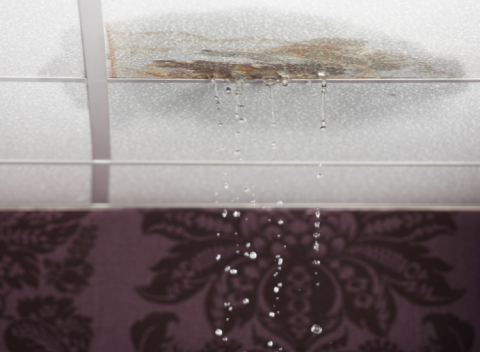
What causes water rings on ceilings and what should I do?

Active leak dripping from a damaged ceiling.

Water rings on your ceiling are telltale signs of water infiltration from above, typically caused by roof leaks, plumbing failures, HVAC condensation issues, or overflow from bathrooms and appliances on upper floors. These circular or irregular stains indicate that water has saturated the ceiling material and is seeping through, leaving behind mineral deposits and discoloration. Immediate action is essential—not only to identify and repair the source but also to prevent structural damage, mold growth, and potential ceiling collapse.

Understanding What Creates Those Telltale Ceiling Stains

Water rings form when moisture penetrates ceiling materials like drywall or plaster and evaporates, leaving behind minerals and sediment in distinctive circular patterns. The ring shape occurs because water spreads outward from the initial leak point, with the heaviest concentration of minerals depositing at the edges as the water evaporates. Fresh water rings typically appear yellowish or light brown, while older stains may darken to copper or rust colors, especially if there’s metal corrosion involved in the plumbing system.

In Chicago-area homes—from historic bungalows in Beverly to two-flats in Logan Square—these stains are particularly common during our harsh winter months when ice dams form on roofs from heavy lake effect snow, and during spring thaw when freeze-thaw cycles create vulnerabilities in both roofing materials and plumbing systems.

Common Culprits Behind Ceiling Water Damage

Roof Leaks and Ice Dam Formation

Roof damage represents one of the most frequent causes of ceiling water rings in Chicagoland communities. During our brutal winters with sub-zero polar vortex events, ice dams frequently develop along roof edges, preventing proper drainage and forcing water underneath shingles. Missing or damaged shingles from severe summer thunderstorms and high winds can also allow water penetration. For homeowners in Evanston, Oak Park, Naperville, and throughout Cook and DuPage Counties, regular roof inspections after major weather events are essential preventive measures.

Plumbing Failures Above

Leaking pipes, whether from supply lines or drain systems in upper-floor bathrooms and kitchens, commonly cause ceiling stains in the rooms below. In older Chicago homes with original plumbing—particularly in neighborhoods like Hyde Park, Wicker Park, and throughout Arlington Heights and Elmhurst—aging galvanized pipes are prone to corrosion and pinhole leaks. Frozen and burst pipes during cold snaps represent another major threat, especially when temperatures plummet during January and February.

HVAC Condensation Issues

Air conditioning condensation drain lines can clog and overflow during our humid Chicago summers, causing water to drip onto ceilings below HVAC equipment. Attic-mounted units are particularly problematic when drain pans rust through or condensate pumps fail. This issue affects homes throughout Schaumburg, Downers Grove, and Orland Park, where central air conditioning systems work overtime during June through August humidity.

Bathroom and Appliance Overflows

Toilet wax ring failures, bathtub overflows, and washing machine supply line bursts on upper floors will quickly create ceiling damage in rooms below. In multi-story homes and two-flats common throughout Chicago neighborhoods, these incidents require immediate response to minimize damage.

Immediate Steps to Take When You Discover Water Rings

Document and Contain

First, photograph the water rings from multiple angles for insurance documentation. Place buckets or containers to catch any active dripping, and move furniture and valuables away from the affected area. If water is actively flowing or the ceiling appears to be sagging dangerously, evacuate the area and call emergency restoration services immediately.

Identify the Source

Investigate the area directly above the water ring. Check for obvious signs like active plumbing leaks, recent bathroom use, HVAC equipment, or roof access points. During winter months in Tinley Park, Lake County, or Kane County areas, check your attic for ice dam formation or snow infiltration. Sometimes the leak source may be several feet away from where the stain appears, as water can travel along joists and rafters before dripping through.

Stop the Water

Once you’ve identified the source, take immediate action to stop water flow—shut off water supply valves for plumbing leaks, clear clogged HVAC drains, or place temporary tarps on damaged roof sections. For frozen pipe situations common during December through February cold snaps, never attempt to thaw pipes with open flames.

Call Professional Restoration Services

Water damage worsens rapidly, especially in our humid Chicagoland climate where mold can begin developing within 24-48 hours. Professional restoration services like Redefined Restoration have the equipment to properly dry affected areas, assess hidden damage within ceiling cavities and wall structures, and prevent secondary issues like mold growth and structural deterioration.

Why Professional Assessment Matters

What appears as a simple water ring often conceals more extensive damage. Ceiling materials may have lost structural integrity even if they haven’t collapsed. Insulation above the ceiling may be saturated and compressed, reducing its effectiveness. Most critically, moisture trapped in ceiling cavities creates ideal conditions for mold growth—a serious concern in Chicago-area homes where humidity levels naturally run high during summer months.

Professional restoration technicians use moisture meters and thermal imaging cameras to detect hidden water damage that isn’t visible to the naked eye. This comprehensive assessment is particularly important in older Chicago bungalows, greystones, and mid-century ranch homes throughout Lakeview, Lincoln Park, and suburban communities, where hidden damage can compromise structural elements before visible signs appear.

The Mold Timeline: Why Speed Matters

In the Chicago area’s climate conditions, mold spores can begin colonizing on wet building materials within 24-48 hours. Once established, mold remediation becomes significantly more complex and costly than simple water damage restoration. Homes with finished basements—extremely common throughout Naperville, Elmhurst, and across Will County—are especially vulnerable when ceiling leaks go unaddressed, as moisture migrates downward through building cavities.

Long-Term Prevention Strategies

After addressing the immediate water ring issue, implement these preventive measures specific to Chicagoland homes:

Winter Preparation: Before the first freeze, insulate pipes in unheated areas, seal attic air leaks that contribute to ice dam formation, and ensure proper attic ventilation. Keep your thermostat at consistent temperatures even when away to prevent pipe freezing during polar vortex events.

Roof Maintenance: Schedule professional roof inspections twice yearly—once after winter to assess ice dam and freeze-thaw damage, and again after severe summer storm seasons. Replace damaged shingles promptly and keep gutters clear of debris to ensure proper drainage.

Plumbing Updates: In older homes throughout Chicago neighborhoods, consider replacing aging galvanized pipes with modern materials. Install water leak detection devices near water heaters, washing machines, and under sinks. Know the location of your main water shut-off valve and ensure all household members can access it in emergencies.

HVAC Maintenance: Schedule annual air conditioning service before summer humidity arrives, including condensate drain line cleaning and drain pan inspection. Install overflow safety switches that automatically shut down equipment if drainage systems fail.

Don’t Wait—Water Damage Escalates Quickly

Water rings on ceilings never resolve themselves and always indicate a problem requiring professional attention. Whether caused by winter ice dams, burst pipes during cold snaps, summer storm damage, or plumbing failures, these stains signal that your home needs immediate care to prevent escalating damage and potential health hazards.

Redefined Restoration serves homeowners throughout Chicago and surrounding Chicagoland communities including Oak Park, Evanston, Naperville, Schaumburg, Arlington Heights, Elmhurst, Downers Grove, Orland Park, Tinley Park, and across Cook, DuPage, Lake, Will, and Kane Counties. Our certified technicians respond 24/7 to water damage emergencies, providing comprehensive assessment, source identification, professional drying and restoration services, and preventive guidance tailored to Chicago-area homes.

Don’t let water rings become a bigger problem. Contact Redefined Restoration today at https://redefinedresto.com for immediate assistance with ceiling water damage, professional moisture assessment, and complete restoration services that protect your home and your family’s health.

Can I use space heaters to dry out water damage?

Using space heaters to dry out water damage is not recommended and creates serious safety hazards, including fire and carbon monoxide risks. While they may seem like a quick fix after water damage in your Chicago-area home, space heaters don’t address moisture trapped in walls, subfloors, and structural cavities. Professional water damage restoration uses specialized equipment designed specifically for structural drying without creating dangerous conditions.

Why Space Heaters Are Dangerous for Water Damage Drying

When your basement floods after a sump pump failure during a winter storm or a pipe bursts during one of Chicago’s notorious polar vortex events, the instinct to grab space heaters is understandable. However, this approach introduces multiple safety concerns that far outweigh any perceived benefits.

Fire Hazards: Space heaters are the leading cause of home heating fires, and wet conditions dramatically increase this risk. Water-damaged carpets, soaked drywall, and saturated belongings create the perfect environment for electrical shorts. When space heaters come into contact with wet surfaces or tip over on damp flooring—common in the cramped basements of Chicago bungalows and two-flats—the fire risk becomes severe.

Electrical Dangers: Water and electricity create deadly combinations. Running multiple space heaters on household circuits already stressed by water damage can overload systems, particularly in older homes throughout neighborhoods like Logan Square, Beverly, and Oak Park where electrical systems weren’t designed for modern loads.

Carbon Monoxide Risks: Fuel-burning space heaters produce carbon monoxide, an odorless, deadly gas. In enclosed spaces like basements where many Chicagoland homeowners experience flooding, inadequate ventilation while running these heaters can lead to dangerous CO buildup.

Why Space Heaters Don’t Actually Dry Water Damage

Beyond safety concerns, space heaters simply aren’t effective for proper structural drying.

Surface-Level Drying Only

Space heaters only warm and dry surfaces. They can’t extract moisture from inside wall cavities, beneath flooring, or within insulation—exactly where water migrates after flooding events. In Chicago’s historic greystones and mid-century ranch homes, water travels through plaster walls, settling in hidden spaces where mold can develop within 24-48 hours.

No Moisture Removal

Heating wet air just creates warm, humid air. Without dehumidification, you’re essentially creating a sauna environment that encourages mold growth rather than preventing it. Chicago’s already humid summers (June through August) compound this problem significantly.

Uneven Drying

Professional drying requires controlled, even airflow throughout affected areas. Space heaters create hot spots while leaving other areas damp, leading to warped flooring, cracked drywall, and uneven settling—particularly problematic in older homes with plaster walls and hardwood floors.

What Professional Water Damage Restoration Uses Instead

Professional restoration companies serving Cook, DuPage, Lake, Will, and Kane Counties use equipment specifically designed for structural drying:

Industrial Dehumidifiers

These powerful units extract moisture from the air continuously, lowering humidity levels throughout the affected space. They’re calibrated to remove specific amounts of moisture per day, ensuring thorough drying.

Air Movers

High-velocity air movers create consistent airflow patterns that dry surfaces evenly and promote moisture evaporation from structural materials. Professionals position these strategically based on the specific layout of your home.

Moisture Detection Equipment

Infrared cameras, moisture meters, and hygrometers track moisture levels in materials throughout the drying process, ensuring nothing is missed. This is crucial in Chicago-area homes where water can travel behind brick facades or through layered flooring systems.

Specialty Equipment

For severe water damage from sewer backups, storm flooding, or burst pipes during freeze-thaw cycles, professionals use injection drying systems for wall cavities, floor mat systems for hardwood, and injectidry systems for hard-to-reach areas.

The Right Response to Water Damage in Your Chicagoland Home

When water damage strikes your Lincoln Park condo, Naperville basement, or Evanston two-flat, take these immediate steps:

  1. Turn off electricity to affected areas
  2. Stop the water source if possible
  3. Remove standing water safely
  4. Contact professional restoration services immediately
  5. Document damage for insurance claims

Time is critical—especially in older Chicago-area homes where water quickly damages plaster, hardwood, and original architectural details.

Get Professional Help Fast

Don’t risk your safety or your home’s structural integrity with inadequate drying methods. Redefined Restoration serves Chicago and surrounding Chicagoland communities with 24/7 emergency water damage response. Our certified technicians use advanced moisture detection and drying equipment to restore your home properly the first time.

Whether you’re dealing with basement flooding in Schaumburg, burst pipes in Arlington Heights, or storm damage in Tinley Park, we respond quickly with the right equipment and expertise. Contact Redefined Restoration at https://redefinedresto.com or call us immediately for emergency water damage restoration throughout the Chicago area.

What is thermal imaging used for in water damage assessment?

Thermal imaging camera scanning a house.

Thermal imaging cameras detect temperature variations across building surfaces, revealing hidden moisture intrusion that isn’t visible to the naked eye. This non-invasive technology allows water damage restoration professionals to identify the full extent of water damage in walls, ceilings, floors, and insulation without tearing into structures. By mapping temperature differences—wet materials appear cooler than dry materials—technicians can target remediation efforts precisely, saving property owners time and money while ensuring thorough moisture removal.

How Thermal Imaging Technology Works in Water Damage Detection

Thermal imaging cameras, also called infrared cameras, measure infrared radiation emitted from surfaces and convert it into visual temperature maps. When water infiltrates building materials like drywall, insulation, or wood framing, evaporative cooling creates distinct temperature patterns. These cooler zones appear as different colors on the thermal camera’s display—typically darker blues and purples compared to the warmer oranges and reds of dry materials.

This temperature differential exists because wet materials conduct heat differently than dry materials and because evaporation is an endothermic process that draws heat away from surfaces. Even when moisture is hidden behind walls or under flooring, the thermal signature reveals its presence, giving restoration professionals X-ray-like vision into your home’s structure.

For Chicago-area homes—from historic bungalows in Beverly to classic greystones in Lincoln Park—this technology proves invaluable. Many of these older structures have plaster walls, multiple layers of flooring, and finished spaces that would be costly and time-consuming to investigate through traditional destructive testing methods.

Key Applications in Water Damage Assessment

Locating Hidden Water Migration Paths

Water rarely stays where it first enters a building. During Chicago’s harsh winters, a burst pipe in a second-floor bathroom can send water traveling through wall cavities, along floor joists, and into first-floor ceilings. Thermal imaging tracks this migration pattern, revealing the complete water damage footprint. This comprehensive mapping is essential in two-flats and multi-level homes common throughout Evanston, Oak Park, and Chicago neighborhoods, where water can travel between units.

Identifying Roof Leaks and Ice Dam Damage

Ice dams create particularly challenging water damage scenarios during Chicago’s brutal winter months. As snow melts and refreezes at roof edges, water backs up under shingles and seeps into attic spaces and exterior walls. Thermal imaging conducted from inside the home can pinpoint these leak locations even when the entry point is obscured by insulation or when water has traveled along rafters before dripping into living spaces.

Detecting Basement and Foundation Moisture

Basement flooding ranks among the most common restoration emergencies in Chicagoland communities. Whether from sump pump failure during spring storms, sewer backups, or foundation cracks stressed by freeze-thaw cycles, basement water damage often extends beyond what’s immediately visible. Thermal imaging reveals moisture wicking up concrete walls, saturating rim joists, and hiding beneath finished basement flooring—crucial information for preventing mold growth in the humid summer months that follow.

Verifying Complete Drying

Perhaps thermal imaging’s most critical function is confirming that affected materials have completely dried before reconstruction begins. Moisture trapped in wall cavities or subfloors creates perfect conditions for mold growth—a serious concern in Chicago’s humid summers. Thermal cameras provide objective documentation that moisture levels have returned to normal, protecting both the restoration company and homeowner from future problems.

Benefits Over Traditional Moisture Detection Methods

While pin-type and pinless moisture meters remain valuable tools, thermal imaging offers several advantages. It surveys large areas quickly, requires no surface contact, and detects moisture in areas that physical meters cannot reach. The visual thermal maps also help homeowners understand the extent of damage and the scope of necessary remediation work.

For insurance documentation, thermal images provide compelling visual evidence of water damage extent, supporting claims related to storm damage, plumbing failures, or appliance leaks throughout Cook, DuPage, Lake, Will, and Kane County properties.

When to Request Thermal Imaging

If you’ve experienced any water intrusion event—from minor pipe leaks to major flooding—professional thermal imaging assessment ensures complete damage identification. This is particularly important when water sources are on upper floors, when damage occurred while you were away, or when you notice musty odors or discoloration but can’t identify the moisture source.

Trust the Experts at Redefined Restoration

At Redefined Restoration, our certified technicians use advanced thermal imaging technology as part of comprehensive water damage assessments throughout Chicagoland—from Naperville to Schaumburg, Arlington Heights to Orland Park, and everywhere in between. We understand how Chicago’s extreme weather challenges your property, and we’re available 24/7 for emergency response.

Don’t let hidden moisture damage your home’s structure or create health hazards for your family. Contact Redefined Restoration at https://redefinedresto.com or call us immediately for professional water damage assessment using state-of-the-art thermal imaging technology. Our quick response and thorough detection methods protect your property investment and restore your peace of mind.