
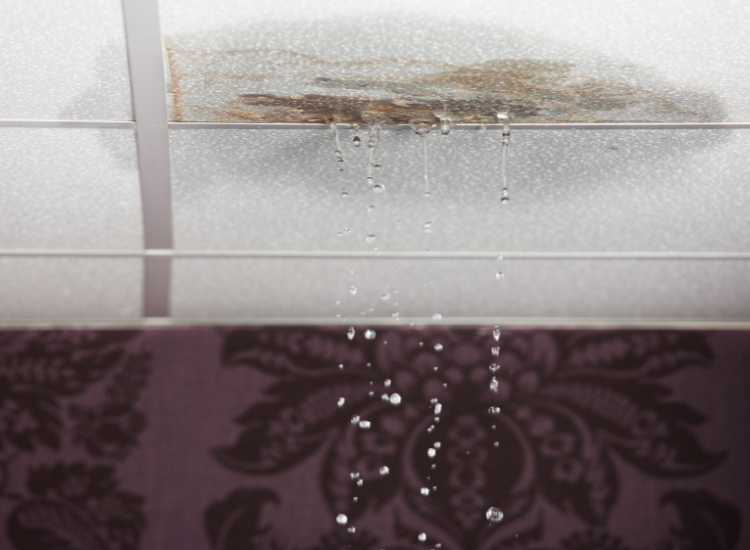
Water rings on your ceiling are telltale signs of water infiltration from above, typically caused by roof leaks, plumbing failures, HVAC condensation issues, or overflow from bathrooms and appliances on upper floors. These circular or irregular stains indicate that water has saturated the ceiling material and is seeping through, leaving behind mineral deposits and discoloration. Immediate action is essential—not only to identify and repair the source but also to prevent structural damage, mold growth, and potential ceiling collapse.
Understanding What Creates Those Telltale Ceiling Stains
Water rings form when moisture penetrates ceiling materials like drywall or plaster and evaporates, leaving behind minerals and sediment in distinctive circular patterns. The ring shape occurs because water spreads outward from the initial leak point, with the heaviest concentration of minerals depositing at the edges as the water evaporates. Fresh water rings typically appear yellowish or light brown, while older stains may darken to copper or rust colors, especially if there’s metal corrosion involved in the plumbing system.
In Chicago-area homes—from historic bungalows in Beverly to two-flats in Logan Square—these stains are particularly common during our harsh winter months when ice dams form on roofs from heavy lake effect snow, and during spring thaw when freeze-thaw cycles create vulnerabilities in both roofing materials and plumbing systems.
Common Culprits Behind Ceiling Water Damage
Roof Leaks and Ice Dam Formation
Roof damage represents one of the most frequent causes of ceiling water rings in Chicagoland communities. During our brutal winters with sub-zero polar vortex events, ice dams frequently develop along roof edges, preventing proper drainage and forcing water underneath shingles. Missing or damaged shingles from severe summer thunderstorms and high winds can also allow water penetration. For homeowners in Evanston, Oak Park, Naperville, and throughout Cook and DuPage Counties, regular roof inspections after major weather events are essential preventive measures.
Plumbing Failures Above
Leaking pipes, whether from supply lines or drain systems in upper-floor bathrooms and kitchens, commonly cause ceiling stains in the rooms below. In older Chicago homes with original plumbing—particularly in neighborhoods like Hyde Park, Wicker Park, and throughout Arlington Heights and Elmhurst—aging galvanized pipes are prone to corrosion and pinhole leaks. Frozen and burst pipes during cold snaps represent another major threat, especially when temperatures plummet during January and February.
HVAC Condensation Issues
Air conditioning condensation drain lines can clog and overflow during our humid Chicago summers, causing water to drip onto ceilings below HVAC equipment. Attic-mounted units are particularly problematic when drain pans rust through or condensate pumps fail. This issue affects homes throughout Schaumburg, Downers Grove, and Orland Park, where central air conditioning systems work overtime during June through August humidity.
Bathroom and Appliance Overflows
Toilet wax ring failures, bathtub overflows, and washing machine supply line bursts on upper floors will quickly create ceiling damage in rooms below. In multi-story homes and two-flats common throughout Chicago neighborhoods, these incidents require immediate response to minimize damage.
Immediate Steps to Take When You Discover Water Rings
Document and Contain
First, photograph the water rings from multiple angles for insurance documentation. Place buckets or containers to catch any active dripping, and move furniture and valuables away from the affected area. If water is actively flowing or the ceiling appears to be sagging dangerously, evacuate the area and call emergency restoration services immediately.
Identify the Source
Investigate the area directly above the water ring. Check for obvious signs like active plumbing leaks, recent bathroom use, HVAC equipment, or roof access points. During winter months in Tinley Park, Lake County, or Kane County areas, check your attic for ice dam formation or snow infiltration. Sometimes the leak source may be several feet away from where the stain appears, as water can travel along joists and rafters before dripping through.
Stop the Water
Once you’ve identified the source, take immediate action to stop water flow—shut off water supply valves for plumbing leaks, clear clogged HVAC drains, or place temporary tarps on damaged roof sections. For frozen pipe situations common during December through February cold snaps, never attempt to thaw pipes with open flames.
Call Professional Restoration Services
Water damage worsens rapidly, especially in our humid Chicagoland climate where mold can begin developing within 24-48 hours. Professional restoration services like Redefined Restoration have the equipment to properly dry affected areas, assess hidden damage within ceiling cavities and wall structures, and prevent secondary issues like mold growth and structural deterioration.
Why Professional Assessment Matters
What appears as a simple water ring often conceals more extensive damage. Ceiling materials may have lost structural integrity even if they haven’t collapsed. Insulation above the ceiling may be saturated and compressed, reducing its effectiveness. Most critically, moisture trapped in ceiling cavities creates ideal conditions for mold growth—a serious concern in Chicago-area homes where humidity levels naturally run high during summer months.
Professional restoration technicians use moisture meters and thermal imaging cameras to detect hidden water damage that isn’t visible to the naked eye. This comprehensive assessment is particularly important in older Chicago bungalows, greystones, and mid-century ranch homes throughout Lakeview, Lincoln Park, and suburban communities, where hidden damage can compromise structural elements before visible signs appear.
The Mold Timeline: Why Speed Matters
In the Chicago area’s climate conditions, mold spores can begin colonizing on wet building materials within 24-48 hours. Once established, mold remediation becomes significantly more complex and costly than simple water damage restoration. Homes with finished basements—extremely common throughout Naperville, Elmhurst, and across Will County—are especially vulnerable when ceiling leaks go unaddressed, as moisture migrates downward through building cavities.
Long-Term Prevention Strategies
After addressing the immediate water ring issue, implement these preventive measures specific to Chicagoland homes:
Winter Preparation: Before the first freeze, insulate pipes in unheated areas, seal attic air leaks that contribute to ice dam formation, and ensure proper attic ventilation. Keep your thermostat at consistent temperatures even when away to prevent pipe freezing during polar vortex events.
Roof Maintenance: Schedule professional roof inspections twice yearly—once after winter to assess ice dam and freeze-thaw damage, and again after severe summer storm seasons. Replace damaged shingles promptly and keep gutters clear of debris to ensure proper drainage.
Plumbing Updates