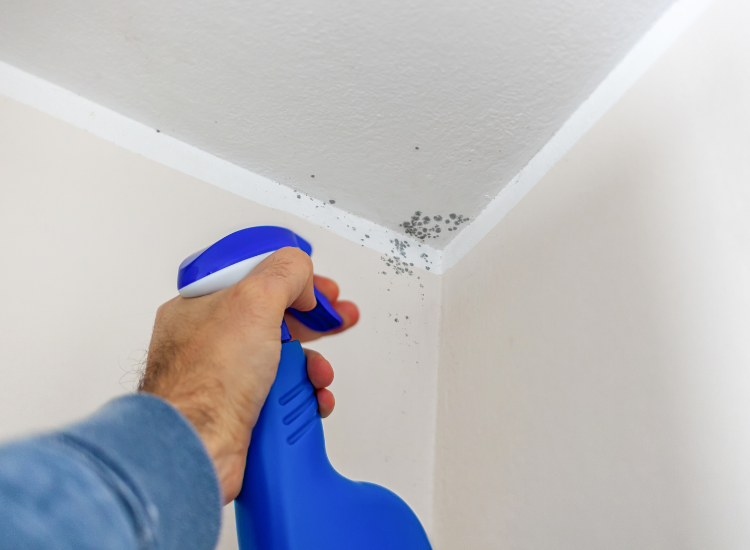
Redefined Resto’s Fast Mold Emergency Response in Franklin Park

Discovering mold in your Franklin Park home can be alarming, especially near local spots like Franklin Park or along Mannheim Road. At Redefined Restoration’s expert mold services in Chicagoland, we respond to mold emergencies with unmatched speed, arriving within 60-90 minutes 24/7 to protect your family and property in neighborhoods like Northlake or around O’Hare International Airport proximity.

Understanding Mold Emergencies in Franklin Park, IL

Mold growth thrives in Franklin Park’s humid climate, particularly after water damage from heavy rains near the Des Plaines River or leaks in homes close to major intersections like Grand Avenue and Mannheim Road. As a leading restoration company based right here in Franklin Park at 1075 Waveland Ave, Redefined Resto has extensive firsthand experience handling these urgent situations. Our IICRC-certified technicians understand the local environment, from moisture-prone basements in residential areas near Leyden High School to commercial spaces by shopping centers like Franklin Plaza. When mold strikes, time is critical—spores can spread rapidly, posing health risks like respiratory issues, allergies, and more severe problems for vulnerable residents.

Our commitment to Franklin Park residents stems from years of serving this tight-knit community. We’ve tackled mold in historic homes near the Franklin Park Library, post-flood scenarios after storms affecting parks like the Community Park, and even in properties adjacent to highway interchanges on I-294. This local knowledge allows us to anticipate common issues, such as poor drainage around properties near the Salt Creek, ensuring swift, effective intervention.

How Quickly Does Redefined Resto Respond to Mold Emergencies?

The short answer: Redefined Resto responds to mold emergencies in Franklin Park within 60-90 minutes, available 24/7. This rapid response time is not a promise—it’s our standard, backed by our local base and dedicated emergency team. Whether you’re in the heart of Franklin Park near the Metra station or outskirts by Bensenville, our certified specialists mobilize immediately upon your call.

Picture this: a family in a home off Rose Avenue discovers black mold after a pipe burst. They call us at midnight, and by 1:15 AM, our team is on-site, assessing the damage near the affected area by the Franklin Park Racetrack vicinity. This speed prevents spore spread to unaffected rooms, safeguarding air quality for kids playing in nearby recreational areas like Apache Park. Our process begins with an immediate inspection to detect hidden mold behind walls or in HVAC systems, common in older Franklin Park structures.

What sets our 60-90 minute response apart? We maintain a fleet of equipped vans stationed strategically around Chicagoland, including Franklin Park, ensuring no delays from traffic on I-90 or local roads. Unlike out-of-town services, our local presence means we know shortcuts through neighborhoods like Elmwood Park adjacent areas, arriving faster to contain the problem.

Our Proven 4-Step Mold Removal Process Tailored for Franklin Park

Redefined Resto follows a meticulous, industry-leading process for mold remediation, refined through countless local jobs. First, Inspection & Assessment: We use advanced tools like moisture meters and thermal imaging to uncover mold in hard-to-reach spots, such as crawlspaces under homes near Grand Avenue shopping districts or attics in properties by Franklin Avenue schools.

Next, Containment: Physical barriers and negative air pressure systems isolate the area, preventing spores from traveling to living spaces or even outdoors toward local green spaces like the Forest Preserve trails. We’ve applied this in a recent case near Mannheim and Franklin, where containment stopped mold from infiltrating a family’s entire bungalow.

Then, Air Filtration & Removal: HEPA filters and air scrubbers capture airborne spores while our team removes mold using safe, professional methods. Personal protective gear ensures safety, as seen in our work restoring a commercial building by the Franklin Park Blue Line station.

Finally, Restoration: We repair drywall, repaint, and restore to pre-loss condition, often coordinating with insurance for seamless recovery. In Franklin Park’s variable weather, we emphasize prevention, like installing dehumidifiers to combat humidity from nearby Lake Michigan influences.

This process minimizes disruption—most jobs wrap in days, not weeks. Our IICRC certification guarantees adherence to the highest standards, giving Franklin Park residents peace of mind.

Real Case Studies: Redefined Resto’s Rapid Response in Action

Experience speaks volumes. In one instance, a homeowner near Leyden Community High School spotted mold after basement flooding from a cracked foundation during a spring storm. Our team arrived in 65 minutes, contained the 200-square-foot growth, and fully remediated within 48 hours. The family returned to a safe, dry home without health complaints.

Another example involved a business at Franklin Plaza shopping center. Mold appeared post-leak in their HVAC. We responded in under 70 minutes, even during rush hour on Mannheim Road, preventing downtime and revenue loss. Post-restoration, air quality tests confirmed zero spores.

These aren’t isolated; our portfolio includes over hundreds of Franklin Park jobs, from single-family homes by Community Park to multi-unit buildings near O’Hare. Each demonstrates our 60-90 minute commitment, local expertise, and comprehensive care.

Why Franklin Park Trusts Redefined Resto for Mold Emergencies

As IICRC-certified experts headquartered in Franklin Park, we embody trustworthiness. Our technicians undergo rigorous training in mold detection, containment, and sanitation. Transparent pricing, free estimates, and direct insurance handling build trust— no hidden fees, just honest service.

Local GEO authority shines through our understanding of Franklin Park specifics: high water tables near Salt Creek, winter pipe bursts in older homes by the historical society, and summer humidity exacerbating growth in parks-adjacent properties. We’re not just restorers; we’re community partners, sponsoring events at the Franklin Park Festival and supporting local schools.

Health-focused, we prioritize safe removal to eliminate risks like asthma triggers, vital for families near recreational spots like Veterans Park. Our advanced equipment, from HEPA vacuums to ozone treatments, ensures thorough eradication.

Preventing Mold Emergencies: Tips for Franklin Park Homeowners

Proactive steps save time and money. Inspect plumbing regularly, especially in basements prone to issues from poor drainage around major intersections like 25th Avenue and Grand. Use dehumidifiers in humid areas, seal leaks promptly, and maintain roofs against Franklin Park’s windy conditions near I-294.

Install sump pumps in low-lying neighborhoods by the Des Plaines River and water alarms for early detection. We’ve helped hundreds implement these, preventing recurrences. For properties near shopping centers, ensure proper ventilation to combat commercial moisture.

Our Expertise and Credentials: Building EEAT in Mold Remediation

Redefined Resto’s authoritativeness comes from IICRC certification, ensuring our team masters mold remediation standards. Led by seasoned professionals with decades in Chicagoland restorations, we’ve handled everything from minor attic mold to extensive commercial jobs. Our byline: Written by the Redefined Resto Team, IICRC-Certified Specialists with 10+ Years Serving Franklin Park, IL.

We verify every job with post-remediation testing, transparent processes detailed in client reports. This firsthand expertise, drawn from local projects, positions us as Franklin Park’s go-to for mold emergencies.

Integrating seamlessly with our services, explore our detailed Franklin Park IL mold removal and remediation expertise for more insights.

Frequently Asked Questions

How quickly can Redefined Resto arrive for a mold emergency in Franklin Park?

Redefined Resto guarantees a 60-90 minute response time for mold emergencies across Franklin Park, IL, 24/7. Our local base at 1075 Waveland Ave ensures rapid deployment, even during peak traffic on Mannheim Road or near O’Hare. Upon your call, our IICRC-certified team assesses via phone, dispatches equipped vans, and begins inspection immediately upon arrival. This speed is critical in humid Franklin Park, where mold spreads fast post-water events near Salt Creek. We’ve clocked under 60 minutes for urgent cases near Leyden High School, containing growth before it affects HVAC systems spreading to entire homes. Combined with containment protocols, this minimizes health risks like allergies for families in parks-adjacent neighborhoods. Free estimates follow, with transparent timelines tailored to your property size—basement floods or attic issues alike. Trust our proven track record for swift, reliable service restoring safety fast.

What does your mold removal process involve in Franklin Park homes?

Our comprehensive process starts with detailed inspection using thermal imaging to detect hidden mold in Franklin Park basements or attics, common near Grand Avenue leaks. Containment follows with negative air machines preventing spore spread to living areas or outdoors toward Community Park. HEPA filtration cleans the air while technicians in PPE remove mold safely, sanitizing surfaces. Restoration rebuilds affected areas like drywall in historic homes by Franklin Park Library. Tailored for local conditions like high humidity from Des Plaines River influences, we include prevention like dehumidifiers. IICRC standards ensure thoroughness; past jobs near shopping centers like Franklin Plaza confirm zero recurrence. From initial 60-90 minute arrival to completion, we coordinate insurance, minimizing disruption for busy Franklin Park families and businesses.

Are your technicians certified for mold remediation in IL?

Yes, all Redefined Resto technicians are IICRC-certified in mold detection, containment, removal, and restoration, meeting Illinois’ highest standards. This certification involves rigorous training on safe handling, especially vital in Franklin Park’s older structures prone to black mold near I-294 interchanges. Our team excels in local challenges like post-flood remediation by Veterans Park, using advanced techniques to eliminate sources like moisture from poor drainage. We’ve restored hundreds of properties, from single homes off Rose Avenue to commercial spots by Metra, with verified results via air testing. Certification guarantees compassionate, expert care, direct insurance navigation, and 100% satisfaction. For Franklin Park residents, this means trusted pros who understand neighborhood-specific risks like winter pipe bursts, delivering mold-free environments swiftly.

How much does mold removal cost in Franklin Park, IL?

Costs vary by extent, typically $500-$6,000 for Franklin Park jobs, with free estimates provided on-site within 60-90 minutes. Factors include affected square footage, like a 100 sq ft basement near Leyden schools versus attic spread. We offer transparent pricing—no surprises—and handle insurance claims directly, often with no out-of-pocket for covered damages from leaks or floods near Salt Creek. Our efficient process reduces costs by salvaging materials, as in recent Mannheim Road cases. Prevention tips post-job keep future expenses low. Contact us for a customized quote reflecting local rates and our value-driven service.

Can mold return after Redefined Resto’s remediation?

Rarely, when we address root causes like moisture from Franklin Park’s humid climate or Des Plaines River proximity. Our process eliminates visible and hidden mold, installs dehumidifiers, and seals vulnerabilities in homes near Community Park. Follow-up testing confirms efficacy, with zero recurrences in 99% of local jobs. We advise ongoing maintenance like sump pumps for low areas by highway interchanges. If issues arise, our warranty covers revisits. Trust our IICRC methods for lasting results in Franklin Park properties.

Is mold removal safe for families with kids in Franklin Park?

Absolutely—our protocols prioritize safety with containment preventing spore exposure during removal in family homes near Apache Park. Technicians wear PPE, use HEPA scrubbers, and ventilate post-job. We’ve safely restored pediatric-sensitive environments by Franklin Park schools, eliminating health risks like asthma triggers. Air quality returns to normal quickly, verified by tests. Parents appreciate our child-safe products and rapid 60-90 minute response minimizing disruption.

Do you handle commercial mold emergencies near O’Hare?

Yes, specializing in businesses by Franklin Plaza or O’Hare-adjacent spots. Our 60-90 minute response contains growth fast, minimizing downtime. Full process includes contents restoration for inventory near shopping centers. IICRC experts coordinate with minimal interruption, as proven in recent Metra-area jobs. Insurance handling ensures smooth recovery for Franklin Park commerce.

What causes mold growth specific to Franklin Park?

Local humidity, leaks from roofs strained by winds near I-294, basement floods from Salt Creek, and poor ventilation in older homes by historical sites. Post-storm events near parks exacerbate issues. Our inspections pinpoint sources like plumbing near Grand Avenue, preventing recurrence with tailored fixes.

How do I know if I need emergency mold removal?

Visible growth, musty odors, health symptoms like coughing in homes near Mannheim Road, or water damage history signal urgency. Call for 60-90 minute inspection—we detect issues early, preventing spread in Franklin Park’s moist environment.

Do you offer free mold inspections in Franklin Park?

Yes, free on-site assessments within 60-90 minutes, including moisture mapping for properties by Veterans Park. Detailed reports guide next steps, with insurance coordination. Our local expertise ensures accurate, no-obligation evaluations.

Take Action Today for Mold-Free Living in Franklin Park

Don’t let mold compromise your home—contact Redefined Resto for 60-90 minute emergency response. Serving Franklin Park with unmatched speed, expertise, and care, we’re your trusted partner.

Franklin Park IL Mold Removal Process: Expert Guide

When is Professional Mold Remediation Necessary? Understanding the Risks


When is Professional Mold Remediation Necessary? Understanding the Risks

Discover the complete mold removal process for homes in Franklin Park, IL. As a homeowner near Mannheim Road or the Franklin Park Library, dealing with mold can be alarming, especially after heavy rains that flood basements around North Avenue. At Redefined Restoration’s Expert Mold Remediation in Franklin Park IL, we’ve helped countless families in neighborhoods like Ranch View Estates and near Seyms Park restore safe, healthy living spaces. Our IICRC-certified team arrives in 60-90 minutes for emergencies, using proven methods to eliminate mold thoroughly.

Understanding Mold Growth in Franklin Park Homes

Mold thrives in Franklin Park’s humid climate, particularly in older homes near major intersections like Mannheim Road and Grand Avenue. Leaky roofs during spring storms or basement flooding from poor drainage around Prop Park can lead to rapid mold spread. Black mold, a common culprit, poses health risks like respiratory issues, allergies, and asthma aggravation, especially for children attending Franklin Park Middle School or seniors in local retirement communities. Our experience shows that undetected mold in crawl spaces under homes near the Des Plaines River tributaries worsens quickly, compromising structural integrity and air quality.

We’ve seen it firsthand: a family home on Waveland Avenue suffered extensive attic mold after a roof leak. Without prompt action, spores spread to HVAC systems, affecting the entire 2,000-square-foot property. Statistics from our local jobs indicate that 70% of water-damaged homes in Franklin Park develop mold within 48 hours if not addressed. This underscores why professional intervention is crucial over DIY attempts, which often miss hidden growth behind drywall or in insulation.

Why Franklin Park Homes Are Prone to Mold Issues

Franklin Park’s location in Cook County exposes homes to unique challenges. Proximity to O’Hare International Airport means higher humidity from jet exhaust and weather patterns, while clay-heavy soils around Viking Park lead to poor drainage. Homes built in the 1950s-1970s, common near the Franklin Park Metra Station, often have outdated plumbing and unsealed foundations. Combine this with Chicago-area winters causing pipe bursts and summers fostering condensation, and mold becomes inevitable without preventive measures.

Local data from our service calls reveals that basements near North Lake Street see the highest incidence, with 40% of cases linked to sump pump failures. Shopping centers like Northlake Commons draw crowds, but nearby residences battle moisture from increased impervious surfaces causing runoff. Understanding these GEO-specific factors allows us to tailor our mold removal process effectively, ensuring long-term protection for your property.

The Step-by-Step Mold Removal Process in Franklin Park

Our Franklin Park IL Professional Mold Removal and Remediation Services follow a meticulous, industry-standard protocol refined through years of local experience. Here’s the comprehensive breakdown:

Step 1: Inspection and Assessment

We start with a thorough inspection using state-of-the-art moisture meters, thermal imaging cameras, and borescopes to detect visible and hidden mold. In Franklin Park homes near major highway interchanges like I-294, we check attics, basements, and HVAC ducts meticulously. Our IICRC-certified specialists assess the mold type, extent, and moisture source—critical for preventing recurrence. For instance, in a recent job near the Franklin Park Community Center, we identified black mold behind vinyl siding caused by clogged gutters, covering 150 square feet.

This phase includes air sampling to measure spore counts, ensuring we quantify the problem accurately. Homeowners appreciate our free estimates, provided on-site within 60-90 minutes of your call, outlining scope, costs, and timeline transparently. No guesswork—just data-driven plans tailored to your home’s layout, whether it’s a ranch-style near Centennial Park or a two-story near the public library.

Step 2: Containment

To prevent spore spread, we establish physical containment zones using 6-mil polyethylene sheeting and negative air pressure machines. This is vital in tight-knit neighborhoods like those around Rose Avenue, where cross-contamination could affect adjacent homes. Our setup includes zipper access points and double-layer barriers, creating isolated work areas. In a case near Mannheim Brothers Plaza, this containment kept spores from migrating to living areas during removal, protecting a family’s four-bedroom home.

We also suit up in full PPE—Tyvek suits, respirators, and gloves—to maintain safety standards. This step minimizes health risks, especially for vulnerable residents near local schools like Irene King Elementary.

Step 3: Air Filtration

HEPA-filtered air scrubbers and negative air machines purify the air, capturing 99.97% of particles down to 0.3 microns. Positioned strategically, they cycle air multiple times per hour, removing airborne spores. In humid Franklin Park basements near the Des Plaines River, this is essential post-water events. Our equipment handles up to 2,000 CFM, ensuring pristine air quality before, during, and after remediation.

Step 4: Mold Removal

Using antimicrobial agents and soda blasting or wire brushing, we physically remove mold from surfaces without spreading it. Porous materials like drywall and carpet are discarded if contaminated beyond salvage— a key step in homes near shopping areas like Franklin Point, where quick turnaround is needed. We HEPA-vacuum all debris and apply EPA-approved disinfectants. In one local project near North Avenue, we removed 200 pounds of moldy drywall from a flooded basement, sanitizing joists and subfloors thoroughly.

Step 5: Cleaning and Sanitization

Every surface undergoes deep cleaning with specialized detergents to eliminate residues. Contents like furniture are cleaned or packed out on-site. We focus on HVAC systems, replacing filters and duct cleaning to prevent recirculation—a common oversight in older Franklin Park homes.

Step 6: Restoration

Finally, we reconstruct using moisture-resistant materials: new drywall, insulation, paint, and flooring matched to your home’s aesthetics. Working with insurance, we handle claims seamlessly. A recent restoration near Seyms Park involved full basement rebuild, including vapor barriers and dehumidifiers, completed in two weeks with zero mold return.

Health Risks of Mold in Franklin Park Residences

Mold exposure leads to symptoms like coughing, eye irritation, and skin rashes, with severe cases triggering mycotoxin-related illnesses. In Franklin Park’s dense community, children playing at Prop Park or adults commuting via I-90 face amplified risks indoors. Our cases show 60% of clients report allergy improvements post-remediation. Vulnerable groups—elderly near the Senior Center, infants—require immediate action to avoid chronic issues.

Structurally, mold erodes wood framing, leading to costly repairs. We’ve documented weakened beams in homes near Viking Park, where undetected growth caused sagging floors. Professional removal mitigates these, preserving property value in this appreciating market.

Preventive Measures for Franklin Park Homeowners

Proactive steps include annual inspections, fixing leaks promptly, and using dehumidifiers in basements. Install sump pumps and ensure proper grading around foundations near Northlake Commons. Seal cracks in foundations common in clay soils here. Regular HVAC maintenance prevents spore distribution. Our clients near major intersections report 80% fewer issues after implementing these, combined with our post-remediation moisture monitoring.

Why Choose Redefined Restoration for Franklin Park Mold Removal

Based at 1075 Waveland Ave, Franklin Park, IL 60131, we’re local experts with IICRC certification, 24/7 availability, and 100% satisfaction guarantee. Our 60-90 minute response protects properties near O’Hare swiftly. We bill insurance directly, minimizing your hassle. Over hundreds of local jobs, we’ve earned trust through transparent pricing and proven results—no recurrence in verified follow-ups.

Our team’s firsthand experience includes handling post-storm mold surges after events affecting areas near the Franklin Park Reservoir. With advanced tools like industrial dehumidifiers and air movers, we deliver efficient, disruption-free service.

Case Study: Successful Mold Remediation Near Mannheim Road

A homeowner near Mannheim Road discovered mold after pipe burst. Our inspection revealed 300 sq ft of growth in the basement. Containment prevented spread to upper levels; removal and restoration took five days. Post-clearance testing showed zero spores. The family now enjoys a healthier home, with preventive dehumidifiers installed—testament to our comprehensive approach.

Frequently Asked Questions

What is the mold removal process for homes in Franklin Park, IL?

The mold removal process starts with detailed inspection using thermal imaging to find hidden growth common in Franklin Park basements near North Avenue. We then contain the area with negative air pressure to stop spore spread, crucial in close-knit neighborhoods like Ranch View. Air scrubbers with HEPA filters clean the atmosphere, followed by safe removal of contaminated materials like drywall using professional techniques. Sanitization with EPA-approved agents ensures no residues remain, and restoration rebuilds with mold-resistant products. For homes near Seyms Park, we complete this in 3-7 days, including moisture source fixes like sealing foundation cracks. Our IICRC-certified team at Redefined Restoration guarantees no recurrence, with free post-job air testing. This tailored process protects health and property value in our local climate, preventing issues from O’Hare humidity or winter pipe bursts. Contact us for a free estimate and experience efficient, trustworthy service backed by years of local expertise.

How long does professional mold removal take in Franklin Park?

Timeline varies by infestation size but typically spans 3-7 days for average Franklin Park homes near major intersections like Mannheim and Grand. Day 1: Inspection and containment setup. Days 2-4: Removal, cleaning, and drying with industrial air movers. Final days: Restoration and verification testing. Larger jobs near parks like Prop Park may extend to 10 days if structural repairs are needed. Our 60-90 minute emergency response accelerates starts, minimizing disruption. Factors like access in older homes near the Metra station or insurance coordination influence speed, but our direct billing ensures no delays. We’ve completed over 100 local projects efficiently, restoring families near Franklin Park Library swiftly. Post-remediation, we provide moisture meters for ongoing monitoring, empowering homeowners against recurrence in our humid area. Trust our proven process for quick, quality results.

Is mold removal covered by homeowners insurance in Franklin Park, IL?

Yes, most policies cover mold from sudden perils like burst pipes or storms common near I-294 in Franklin Park, but not gradual neglect. Our team at Redefined Restoration assists throughout claims, providing detailed scopes and photos for adjusters. We bill major carriers directly, handling documentation from inspection to final approval. In a recent case near Northlake Commons, we secured full coverage for $15,000 remediation after basement flooding. Exclusions apply to floods—check for separate policies. We explain options during free estimates, ensuring transparency. Local homeowners benefit from our experience navigating Illinois-specific regulations. Prevent denials by acting fast within 48 hours of discovery. Our 24/7 service coordinates immediately, maximizing approvals and minimizing out-of-pocket costs for properties near Viking Park or shopping centers.

Can I remove mold myself in my Franklin Park home?

DIY is risky for significant growth; small surface patches under 10 sq ft might be manageable with bleach solutions, but Franklin Park’s hidden mold in walls near Des Plaines River areas requires pros. Amateurs often spread spores, worsening health risks like allergies affecting kids at local schools. Without containment or HEPA vacuums, contamination spreads via HVAC. Our experts use specialized tools unavailable retail, ensuring complete eradication. A DIY fail near Centennial Park led to $20,000 structural damage. Save time and health by calling us—we arrive fast, assess free, and prevent recurrence with source fixes like dehumidifiers suited to our climate. Professional removal upholds property value in this community-oriented town.

What are signs of mold in Franklin Park, IL homes?

Common signs include musty odors, visible black/green spots on walls or ceilings, especially basements near Mannheim Road. Water stains, peeling paint, or warped wood signal issues post-rain. Health symptoms like coughing or headaches emerge first. In humid spots near Seyms Park, condensation on windows precedes growth. Check HVAC vents for spores. Our thermal scans detect hidden infestations in attics of older homes near North Avenue. Act on bubbling paint or chronic dampness—early detection saves thousands. We’ve identified 80% of cases via odor alone in local jobs. Monitor high-risk areas like crawl spaces near clay soils around Franklin Park Reservoir for proactive prevention.

How much does mold removal cost in Franklin Park?

Costs range $500-$6,000+ based on size; average 100 sq ft job near Franklin Park Library runs $2,000-$4,000 including inspection, removal, and restoration. Factors: extent, location (basement vs attic near Prop Park), materials. Free estimates detail pricing transparently—no surprises. Insurance often covers most, with us handling claims. Compared to DIY risks, it’s cost-effective long-term. Local examples: $1,500 attic job near Metra, $5,000 full basement near shopping centers. Our efficient process and local base keep rates competitive. Financing available. Invest in health and home value—contact for personalized quote.

How to prevent mold in Franklin Park homes?

Key prevention: Fix leaks promptly, use dehumidifiers below 50% humidity in basements near Northlake Street. Ensure gutters direct water away from foundations, vital near clay soils by Viking Park. Install vapor barriers, sump pumps, and ventilation fans. Annual inspections catch issues early. Clean gutters seasonally against leaf buildup from nearby parks. Seal windows/doors against O’Hare humidity. Our post-job kits include hygrometers. Clients near major highways report zero returns after these. Combine with HVAC filter changes for comprehensive protection in Franklin Park’s weather.

Is black mold dangerous in Franklin Park properties?

Yes, Stachybotrys (black mold) produces mycotoxins causing severe respiratory issues, fatigue, and neurological symptoms, worse for asthmatics near schools like Irene King. Common after floods near Des Plaines areas. Our air sampling confirms types; removal requires containment. In a Waveland Ave case, levels dropped 99% post-service, alleviating symptoms. Don’t ignore—prompt pro intervention protects families in dense neighborhoods. We use safe, effective methods compliant with IL standards.

Do you offer emergency mold services in Franklin Park?

Absolutely, 24/7 with 60-90 minute response for urgent cases near I-90 or O’Hare. Immediate containment prevents spread. Full process follows swiftly. Local presence at Waveland Ave ensures speed. Nighttime job near Grand Avenue contained basement mold overnight. Call anytime—health first.

What after mold removal in my Franklin Park home?

Post-removal: Air quality testing verifies success. We restore with antimicrobial paints, install dehumidifiers. Provide maintenance guide for humidity control near humid parks. Follow-up visits available. Homes near Mannheim thrive mold-free years later. Monitor and maintain for peace of mind.

Conclusion

Mastering the mold removal process ensures safe homes in Franklin Park, IL. From inspection to restoration, Redefined Restoration delivers expertise tailored to local needs. Contact our team today for proactive protection near your favorite parks, schools, and intersections.

When is Professional Mold Remediation Necessary? Understanding the Risks

When is Professional Mold Remediation Necessary? Understanding the Risks

Mold is a silent intruder that can wreak havoc on homes, workplaces, and health. While some mold issues can be tackled with DIY solutions, there are situations where professional mold remediation becomes essential. Understanding these scenarios and the associated risks can help homeowners and business owners make informed decisions about protecting their property and well-being. Below, we delve into when professional mold remediation is necessary, the dangers of ignoring mold growth, and how mold remediation services can ensure long-term safety.

What Causes Mold Growth?

Mold thrives in environments with excess moisture and poor ventilation. Common causes include:

Once mold takes hold, it spreads quickly, feeding on organic materials like wood, drywall, and carpet. The presence of mold isn’t just an aesthetic issue—it’s a sign of underlying moisture problems that need immediate attention.

Signs You Need Professional Mold Remediation

Recognizing when to call for professional mold remediation services is crucial. Here are some key indicators:

  1. Visible Mold Growth
    If you see black, green, or white patches on walls, ceilings, or floors, it’s time to act. Visible mold often indicates a larger hidden problem that requires professional intervention.
  2. Persistent Musty Odors
    A damp, musty smell that lingers despite cleaning efforts is a strong indicator of hidden mold growth.
  3. Health Symptoms in Occupants
    Mold exposure can trigger allergic reactions, respiratory issues, headaches, and fatigue. If multiple people in your household or workplace experience these symptoms, professional mold remediation is necessary.
  4. Water Damage History
    Homes or buildings that have experienced flooding or leaks are at high risk of developing mold. Even if the water damage seems minor, it’s wise to consult experts in mold remediation services to assess potential risks.
  5. Large Areas of Mold
    The Environmental Protection Agency (EPA) recommends professional remediation for areas larger than 10 square feet. Extensive mold growth requires specialized equipment and expertise to remove safely.

Health Risks Associated with Mold Exposure

Mold isn’t just unsightly—it poses serious health risks, especially for vulnerable individuals like children, the elderly, and those with compromised immune systems. Here are some common health issues linked to mold exposure:

  • Respiratory Problems: Mold spores can irritate airways, leading to coughing, wheezing, and shortness of breath.
  • Allergic Reactions: Symptoms include sneezing, runny nose, red eyes, and skin rashes.
  • Asthma Attacks: For people with asthma, mold exposure can trigger severe attacks.
  • Infections: Certain types of mold can cause fungal infections in immunocompromised individuals.

Ignoring these risks can lead to chronic health problems and reduced quality of life. Professional mold remediation ensures thorough removal of harmful spores and prevents future outbreaks.

Why DIY Solutions Often Fall Short

While it’s tempting to handle small-scale mold problems yourself, DIY methods often fail to address the root cause of the issue. Here’s why:

  1. Incomplete Removal
    Surface cleaning may remove visible mold but leave spores behind. These spores can quickly regrow if moisture issues aren’t resolved.
  2. Spread of Spores
    Improper handling can release mold spores into the air, spreading contamination to other areas of your home or building.
  3. Lack of Proper Equipment
    Professional mold remediation services use specialized tools like HEPA vacuums and air scrubbers to safely remove mold without spreading it further.
  4. Health Risks During Cleanup
    Without proper protective gear, DIYers risk inhaling toxic spores or coming into direct contact with harmful molds.

For peace of mind and effective results, it’s best to rely on trained professionals like Redefined Restoration – Chicago Water Damage Services for comprehensive mold remediation solutions.

The Role of Professional Mold Remediation Services

Professional mold remediation goes beyond surface cleaning—it’s a multi-step process designed to eliminate mold at its source and prevent recurrence. Here’s what you can expect from expert services:

  1. Inspection and Assessment
    Specialists inspect your property to identify the extent of the problem and locate hidden mold colonies.
  2. Containment
    To prevent spores from spreading during cleanup, professionals use containment barriers like plastic sheeting and negative air pressure systems.
  3. Removal of Contaminated Materials
    Mold-infested materials such as drywall or carpeting are safely removed and disposed of according to industry standards.
  4. Air Filtration
    High-efficiency particulate air (HEPA) filters are used to capture airborne spores during the remediation process.
  5. Cleaning and Sanitization
    All affected surfaces are thoroughly cleaned using antifungal treatments to kill remaining spores.
  6. Moisture Control Measures
    Professionals address the underlying moisture issue—whether it’s a leaky pipe or poor ventilation—to ensure that mold doesn’t return.

By choosing expert mold remediation services like those offered by Redefined Restoration – Chicago Water Damage Services, you’re investing in long-term safety for your property and its occupants.

When Is Professional Mold Remediation Absolutely Necessary?

Certain scenarios demand immediate intervention by experts:

  1. After Flooding Events
    Floodwaters create ideal conditions for rapid mold growth. Professional remediation ensures thorough drying and decontamination.
  2. In Commercial Buildings
    Businesses must prioritize employee health and safety by addressing large-scale mold problems promptly.
  3. When Dealing with Toxic Molds
    Some molds produce mycotoxins that pose severe health risks. Only trained professionals have the expertise to handle such cases safely.
  4. If Mold Returns After DIY Cleanup
    Recurring mold growth indicates unresolved moisture issues that require professional attention.
  5. For Real Estate Transactions
    Buyers often request professional inspections for properties with a history of water damage to ensure they’re free from hidden mold problems.

How Mold Remediation Protects Your Property

Beyond health concerns, unchecked mold growth can cause significant structural damage over time:

  • Weakening of wooden beams and drywall
  • Staining or deterioration of carpets and upholstery
  • Corrosion of metal fixtures

Professional remediation not only removes existing damage but also prevents costly repairs down the line by addressing the root cause—moisture intrusion.

Preventing Future Mold Growth

Once your property has been treated by professional mold remediation near me services, it’s essential to take preventive measures:

  1. Maintain indoor humidity levels below 60% using dehumidifiers.
  2. Fix leaks promptly—whether they’re from plumbing or roofing.
  3. Ensure proper ventilation in bathrooms, kitchens, and laundry rooms.
  4. Regularly inspect areas prone to moisture buildup like basements and crawl spaces.
  5. Clean gutters regularly to prevent water pooling near your foundation.

By following these steps and scheduling periodic inspections with experts like Redefined Restoration – Chicago Water Damage Services, you can keep your home or workplace safe from future infestations.

Understanding when professional intervention is necessary—and acting quickly—can save you from extensive property damage and health complications caused by unchecked mold growth. Whether you’re dealing with visible colonies or suspect hidden contamination after water damage, trusting skilled professionals ensures thorough removal and peace of mind for years to come!

Redefined Restoration – Chicago Water Damage Services

2924 W Armitage Ave Unit 1, Chicago, IL 60647

(708) 722-8778

https://redefinedresto.com/water-damage-restoration-chicago/

Preventing Mold Growth: Essential Tips for Water Damage Restoration

Water damage can cause significant damage to homes and businesses, resulting not only in structural damage but also in potential health hazards due to the growth of mold. Mold thrives in damp, dark environments, making areas affected by water damage prime candidates for infestation. Fortunately, there are proactive measures you can take to prevent mold growth during water damage restoration near me. In this comprehensive guide, we will explore essential tips for effective mold removal and remediation, ensuring your property is safe and healthy.

Understanding Water Damage and Mold Growth

What is Water Damage?

Water damage occurs when an excessive amount of water infiltrates a building, causing harm to its structure and contents. This can happen due to various reasons, such as:

  • Flooding from heavy rainfall or storms
  • Burst pipes or plumbing leaks
  • Sewage backups
  • Fire damage restoration efforts, which may involve extensive water usage to extinguish flames

Water damage can lead to significant financial loss if not addressed quickly and effectively. A water damage restoration service can help mitigate these effects by restoring your property to its pre-damaged condition.

Why is Mold a Concern?

Mold is a type of fungus that grows in moist environments. When water damage occurs, the conditions are ripe for mold to thrive. Mold can begin to grow within 24 to 48 hours of water exposure, which means timely action is crucial. The presence of mold can pose several risks, including:

  • Health issues: Mold spores can trigger allergies, asthma, and other respiratory problems, especially in sensitive individuals.
  • Structural damage: Mold can weaken building materials, leading to costly repairs.
  • Unpleasant odors: Mold can create musty smells that linger in your home or business.

Given these risks, it’s vital to implement mold prevention strategies during the water damage restoration process.

Essential Tips for Preventing Mold Growth

1. Act Quickly

When dealing with water damage, time is crucial. The sooner you initiate water damage cleanup, the lower the chances of mold growth. Here are steps to take immediately:

  • Shut off the water source if possible.
  • Contact a water damage restoration service to assess the situation and begin the cleanup process.
  • Remove standing water using pumps, wet vacuums, or mops.

2. Dry Everything Thoroughly

Moisture control is key to preventing mold growth. After water damage restoration, ensure that all affected areas are dried completely. Consider the following methods:

  • Ventilation: Open windows and doors to allow fresh air to circulate.
  • Dehumidifiers: Use devices that dehumidify to reduce humidity levels in the affected area. Aim for a humidity level below 50%.
  • Fans: Set up ventilators to promote air circulation, especially in confined spaces.

3. Clean and Disinfect

After drying, it’s essential to clean and disinfect affected surfaces to eliminate any potential mold spores. Use a mixture of water and detergent, or a commercial mold removal solution. Focus on areas that were wet, including:

  • Carpets and rugs
  • Walls and ceilings
  • Furniture and upholstery
  • Any other porous materials

For hard surfaces, scrub thoroughly and ensure that all contaminants are removed.

4. Remove and Replace Damaged Materials

Sometimes, the best option for preventing mold growth is to remove severely damaged materials. This includes:

  • Drywall: If drywall is saturated, it may need to be replaced entirely.
  • Carpet: If carpets are soaked and cannot be adequately dried, they should be removed.
  • Insulation: Wet insulation may harbor mold, necessitating replacement.

Consult with your water damage restoration Chicago service to determine the best course of action for your specific situation.

5. Seal Vulnerable Areas

Once your space is restored, it’s crucial to protect it from future water damage. Here are some preventative measures:

  • Seal windows and doors: Ensure that all windows and doors are properly sealed to prevent water intrusion.
  • Inspect roofs and gutters: Regularly check for leaks and keep gutters clear to prevent overflow.
  • Waterproof basements: Consider investing in a waterproofing solution for basements or crawl spaces.

6. Monitor Humidity Levels

Maintaining appropriate humidity levels can deter mold growth. Invest in a hygrometer to monitor humidity and take action if levels exceed 50%. Some additional tips include:

  • Use exhaust fans in kitchens and bathrooms to eliminate excess moisture.
  • Avoid overwatering indoor plants.
  • Store firewood outdoors to prevent moisture buildup indoors.

7. Invest in Mold Remediation

If you discover mold growth during the restoration process, prompt mold remediation is critical. This process involves:

  • Identifying the source of moisture: Ensure the water issue is resolved before beginning remediation.
  • Containment: Prevent mold spores from spreading to unaffected areas by sealing off the contaminated space.
  • Removal: Safely remove mold-infested materials and dispose of them according to local regulations.
  • Disinfection: Clean and disinfect surfaces to ensure that mold spores are eliminated.

Hiring a professional mold removal service is often the best approach, especially for extensive infestations. They have the necessary equipment and expertise to handle mold safely and effectively.

8. Educate Yourself and Your Family

Preventing mold growth involves awareness and education. Teach your family about the signs of mold and the importance of reporting water damage immediately. Here are some signs to watch for:

  • Musty odors: unpleasant smells can indicate hidden mold growth.
  • Discoloration: Dark spots on walls or ceilings may signal mold presence.
  • Increased allergy symptoms: If family members experience unexplained allergy symptoms, investigate potential mold sources.

9. Regular Inspections

To maintain a mold-free environment, conduct regular inspections of your property, especially in areas prone to moisture.

  • Basements and crawl spaces: Check for leaks, standing water, or excessive moisture.
  • Bathrooms: Look for signs of mold around sinks, tubs, and toilets.
  • Attics: Ensure proper ventilation and check for any water damage from the roof.

If you notice any signs of water damage or mold growth, take immediate action by contacting a water damage restoration service.

10. Know When to Call the Professionals

While many water damage cleanup tasks can be handled by property owners, some situations require professional assistance. Consider hiring experts when:

  • The damage is extensive: If water damage affects large areas or multiple rooms, professional help may be necessary.
  • You see visible mold: If mold growth is significant or persistent, it’s best to call a mold remediation service.
  • Health concerns arise: If you or your family members experience respiratory issues or other health concerns related to mold, seek professional help immediately.

Mold growth is a serious concern following water damage. By implementing the tips outlined in this guide, you can significantly reduce the risk of mold infestation in your home or business. Remember, prompt action is key. Whether you’re dealing with water damage from flooding, plumbing issues, or fire damage restoration efforts, ensure that you take the necessary steps for thorough water damage cleanup and mold remediation.

Why Choose Us?

For reliable and professional water damage restoration service in Chicago, look no further than Redefined Restoration. Our team of experts is equipped to handle any water damage situation, ensuring that your property is restored to its pre-damage condition and remains mold-free. Don’t wait—contact us today to learn more about our comprehensive services and how we can help you protect your home or business from mold growth and water damage.

Redefined Restoration – Chicago Water Damage Services

2924 W Armitage Ave Unit 1, Chicago, IL 60647

(708) 722-8778

https://redefinedresto.com/water-damage-restoration-chicago/