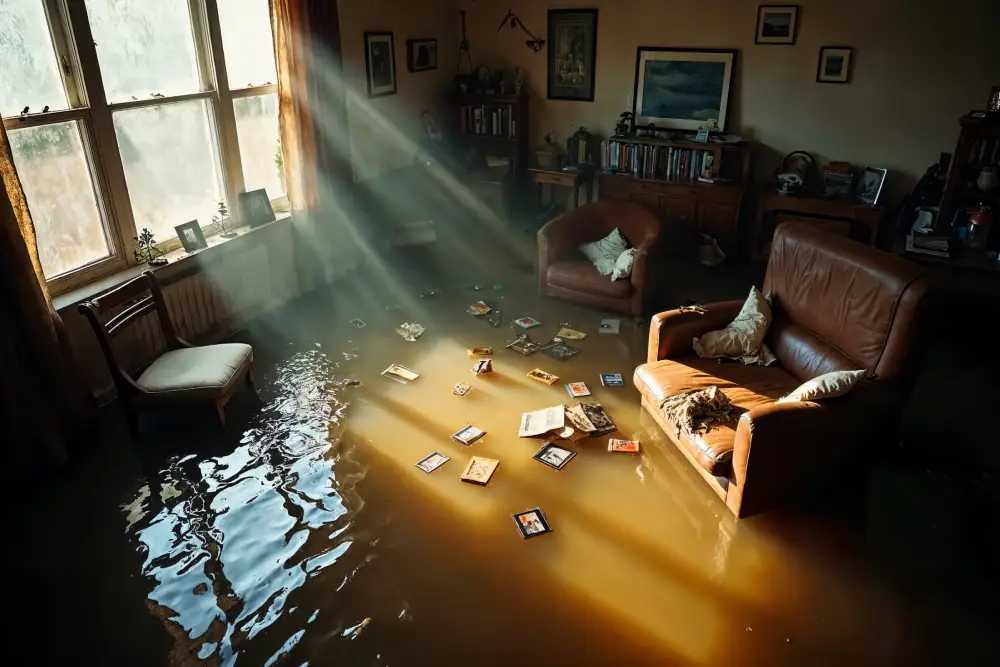
Water Damage Restoration Guide: Fast and Reliable Steps to Protect Your Property After a Flood

water damage restoration
Flooding is one of the most damaging disasters your home or business can face. Whether it’s caused by heavy rainstorms, burst pipes, or appliance leaks, water can quickly seep into walls, floors, furniture, and personal belongings, leaving behind a trail of destruction. What makes water damage especially challenging is that it doesn’t just create immediate problems—it can also lead to long-term issues like mold growth, structural weakening, and even health risks for your family. This water damage restoration guide is designed to provide homeowners and property managers with practical, step-by-step information on how to act quickly to minimize losses after a flood. From immediate actions you should take when water enters your property, to professional cleanup processes carried out by a reliable water damage restoration company, this resource covers everything you need to know to regain control and protect your investment.

Understanding Water Damage and Its Risks

Before diving into restoration steps, it’s important to recognize how water damage affects a property. Water isn’t always “just water.” Depending on the source, it can be clean, gray, or black water:
  • Clean water: Leaks from pipes or rainwater that doesn’t immediately present health hazards.
  • Gray water: Comes from appliances like washing machines or dishwashers. It may contain chemicals or debris, posing moderate risks.
  • Black water: Highly contaminated sources such as sewage backups or floodwaters from outside. This water is unsafe and hazardous, requiring specialized professional handling.
Without immediate water damage restoration, even clean water can become a breeding ground for mold within 24–48 hours. Over time, structural materials like wood and drywall absorb moisture, weaken, and potentially collapse. Knowing the category of water damage helps determine the urgency and level of cleanup needed.

Immediate Steps After a Flood

1. Ensure Safety First

Flooded areas can hide serious hazards—electric shocks from exposed wiring, slippery surfaces, or contaminated water. Before stepping into the damaged space, turn off electricity and gas lines if possible. If water levels are too high, stay out and wait for professionals.

2. Stop the Source of Water

If the flooding is caused by a burst pipe or appliance leak, shut off your main water supply immediately. For storm or natural flood damage, focus on protecting yourself and your family and seek help from local emergency services if necessary.

3. Document the Damage

Take photos and videos of affected areas before cleanup begins. This documentation will be vital when filing insurance claims.

4. Remove Valuables and Furniture

Move undamaged items to a dry area if possible. Rugs, electronics, and other removable items should be prioritized. Avoid lifting heavy, water-soaked furniture that might injure you.

5. Call a Professional Water Damage Restoration Company

Do not underestimate the impact of water damage. While small spills can sometimes be mopped up on your own, larger floods often require professional intervention. Experts have specialized equipment like industrial-strength pumps, dehumidifiers, and moisture meters to ensure every trace of water is removed.

The Professional Water Damage Restoration Process

Hiring a reputable water damage restoration company ensures every part of cleanup and repair is addressed systematically. Here’s what typically happens during professional water damage restoration:

Step 1: Inspection and Assessment

Experts assess the level of water damage, determine the water contamination category, and develop an action plan tailored to your property.

Step 2: Water Extraction

Using high-powered pumps and vacuums, professionals remove large volumes of water quickly. Time is crucial—delays increase mold risk and structural damage.

Step 3: Drying and Dehumidification

Even if surfaces look dry, moisture often remains trapped inside walls, floors, or ceilings. Industrial-grade dehumidifiers and air movers dry hidden areas thoroughly, preventing long-term risks.

Step 4: Cleaning and Sanitization

Contaminants and bacteria from floodwater must be eliminated. Surfaces are cleaned, disinfected, and deodorized to ensure safe living conditions and eliminate odors.

Step 5: Restoration and Repairs

Depending on the severity, repairs can range from minor fixes like replacing drywall or repainting, to complete reconstructions of damaged sections. A dependable water damage restoration company handles these phases seamlessly.

Preventing Mold and Secondary Damage

Mold growth is one of the biggest risks following a flood, often appearing within 24–48 hours in a moist environment. A certified water damage restoration team uses advanced drying technology to tackle hidden dampness where mold may take hold. They also apply antimicrobial treatments to prevent spores from spreading. If left unchecked, mold can cause respiratory issues, allergies, or infections, particularly in children and individuals with health conditions. This makes rapid water damage restoration not just about property preservation, but also protecting your family’s well-being.

Choosing the Right Water Damage Restoration Company

Not all companies offer the same level of service. When searching for a reliable team, keep the following in mind:
  • 24/7 Emergency Service: Water damage emergencies don’t wait for business hours. A company that responds immediately can make a crucial difference.
  • Certified Professionals: Look for trained technicians who understand how to treat different categories of water damage.
  • Advanced Equipment: Professional-grade pumps, air movers, and moisture detection tools are necessary for complete restoration.
  • Insurance Assistance: Many water damage restoration companies also assist with insurance claims, making the process less stressful.
By working with experts, you gain peace of mind knowing that both visible and hidden water damage is handled correctly, reducing future risks and costs.

Common Causes of Water Damage

While flooding is often associated with storms, many other culprits exist:
  • Broken or leaking pipes
  • Roof leaks
  • Basement seepage
  • Appliance malfunctions (water heaters, dishwashers, washing machines)
  • HVAC system issues
  • Sewer backups
Understanding these common triggers can help homeowners take proactive steps to prevent future flooding incidents.

Long-Term Maintenance Tips

Restoring water damage isn’t just about fixing the immediate problem—it’s also about preventing future issues. Here are some practical steps:
  • Inspect pipes regularly for corrosion or leaks.
  • Clean gutters and downspouts to encourage proper water drainage.
  • Install a sump pump in basements prone to flooding.
  • Seal cracks in your foundation.
  • Schedule annual plumbing and roof inspections.
By investing in preventive care, you’re reducing the likelihood of needing future water damage restoration.

Frequently Asked Questions

Ideally, water damage restoration should begin within 24 hours of flooding. The longer water sits in your property, the higher the risk of structural damage and mold growth.

Minor cases, like small leaks, may be managed with household tools. However, significant flooding requires professional intervention. A water damage restoration company has the specialized tools and expertise to completely extract water, dry hidden areas, and sanitize properly.

Costs vary depending on the extent of damage and the source of flooding. Minor leaks can cost a few hundred dollars, while severe floods requiring structural repairs may run into the thousands. A professional inspection gives the most accurate estimate.

Many policies cover water damage caused by sudden and accidental incidents, like burst pipes. However, flood damage from natural disasters often requires separate flood insurance. Documenting the damage carefully will support your insurance claim.

Start by removing water quickly and using dehumidifiers to dry damp areas. Hiring a water damage restoration company ensures mold-prevention treatments are applied effectively.

In many cases, the drying process alone can take 3–5 days. Full water damage restoration may range from a few days to several weeks, depending on the extent of cleanup and repairs required.

Shut off the water source if possible, remove belongings from the affected area, and open windows for ventilation. However, avoid extensive cleanup if the water is contaminated, as it can be hazardous.

This water damage restoration guide empowers you with the knowledge to act quickly and effectively after a flood. By understanding what steps to take immediately, what professionals will do, and how to prevent future risks, you’re better equipped to protect both your property and your family.


Redefined Restoration – Chicago Water Damage Service

2924 W Armitage Ave Unit 1, Chicago, IL 60647

(708) 722-8778

https://redefinedresto.com/water-damage-restoration-chicago/

Fire Damage Restoration Made Easy: How Experts Restore Your Home from Smoke and Fire Damage

fire damage restoration

Experiencing a fire in your home is one of the most overwhelming situations a family can go through. Beyond the destruction of belongings and property, there’s also a huge emotional toll. But once the smoke clears, the question becomes: What happens next? The good news is that professional fire damage restoration services near me exist to bring your home back to life. Skilled experts are trained to assess, clean, and rebuild, ensuring your home becomes safe and livable again.

In this detailed guide, we will walk you through exactly how professionals handle the restoration process, what steps are involved, and why it’s so important to rely on trained experts when dealing with fire and smoke damage. We will also answer common questions homeowners have about fire recovery so you feel prepared for every stage.

Understanding the Impact of Fire and Smoke Damage

When a fire breaks out, the flames aren’t the only thing that causes destruction. Smoke, soot, and even water from firefighting efforts leave behind layers of damage. While some damage is visible—like charred walls or ceilings—other consequences are hidden, such as weakened structural elements or lingering smoke odors buried deep in fabrics and walls.

This is where professional fire damage restoration comes in. Experts don’t just deal with the burn marks; they address odor removal, structural repairs, deep cleaning, and safety inspections. Proper fire damage restoration ensures your home doesn’t only look clean on the surface but is truly safe to live in again.

Step 1: The Initial Inspection and Assessment

The first stage of fire damage restoration is assessment. Professionals arrive on site to evaluate the extent of damage across the home. They look at:

  • The areas most severely burned
  • Hidden smoke penetration in walls, ceilings, or insulation
  • Water damage left behind from sprinklers or hoses
  • Safety hazards like exposed wiring or unstable structures

This inspection results in a clear action plan. Restoration teams document the damage for insurance purposes and create a strategy for efficient cleanup and rebuilding. This ensures everything is addressed instead of only tackling what’s visible.

Step 2: Securing the Property

After a fire, your home may be vulnerable. Broken windows, weakened roofs, or holes in walls can leave it exposed to weather or even trespassers. Restoration experts act quickly to board up windows, tarp over roofs, and stabilize any unsafe areas.

This step is vital in the fire damage restoration process because it prevents further damage from happening while work is ongoing. It also ensures the safety of both the restoration crew and homeowners who may need to access their property during the recovery period.

Step 3: Water Extraction and Drying

It may seem surprising, but water is often one of the biggest issues after a fire. Fire hoses and sprinkler systems soak rooms as they work to extinguish flames. If not properly dealt with, lingering moisture can cause mold growth and structural decay.

To combat this, professionals bring in commercial-grade pumps, fans, and dehumidifiers to extract standing water and dry affected areas. This prevents future problems and prepares the home for the next stage of cleaning.

Step 4: Smoke and Soot Removal

Smoke can infiltrate every nook and cranny, leaving behind stains and odors. Unlike ordinary household smells, smoke residues carry toxins and are extremely difficult to get rid of without the proper tools.

Restoration teams use specialized equipment such as air scrubbers, HEPA vacuums, and chemical sponges to remove soot from walls, ceilings, and furniture. They also treat fabrics, ductwork, and carpets to eliminate odors thoroughly. This isn’t just about appearance—it’s about eliminating harmful particles from the air you breathe.

Step 5: Cleaning and Sanitizing

Once the heavy smoke and soot are cleared, detailed cleaning comes next. Every item that can be restored—appliances, furniture, personal belongings—is carefully cleaned and sanitized. Some items may need to be removed and restored off-site using advanced techniques like ozone treatment or ultrasonic cleaning.

This stage ensures the home feels fresh and livable again. Experts not only focus on cleaning but also on deodorizing and ensuring that bacteria and toxins are fully removed.

Step 6: Restoration and Repairs

The final step is rebuilding. This could mean minor fixes like replacing drywall and repainting—or larger projects such as complete reconstruction of damaged rooms. The goal is to return your space to pre-fire condition, or in many cases, even better than it was originally.

Professional fire damage restoration crews coordinate with contractors and builders to take care of structural repairs, roofing, flooring, plumbing, and electrical systems. Homeowners are left with a property that feels brand-new and safe.

Why Professional Fire Damage Restoration Matters

It can be tempting to handle fire cleanup on your own, but fire and smoke damage are more complex than they appear. Without proper cleaning, smoke odors linger, soot stains reappear, and hidden damage may compromise health and safety.

Experts bring not only technical know-how but also industrial-grade equipment that ordinary homeowners don’t have access to. Processes like thermal fogging, ozone treatment, and advanced drying techniques are critical in fully restoring a home after fire damage.

Using professionals also ensures the documentation process for your insurance claim is thorough, increasing the likelihood of getting the compensation you need for repairs.

Common Challenges in Fire Damage Restoration

While teams work diligently to restore homes, there are unique challenges after every fire. Some of the most common complications include:

  • Lingering smoke odors – especially tricky if they infiltrate insulation or HVAC systems
  • Mold growth – often due to hidden water trapped after firefighting
  • Structural instability – requiring careful repair before anything else can progress
  • Insurance complexities – navigating paperwork and approvals for every restoration step

Professionals anticipate these issues and address them proactively during the restoration process, sparing homeowners from future surprises.

Tips to Help Homeowners During the Process

  1. Don’t enter the home until cleared for safety. Structural damage may not be immediately visible.
  2. Contact professionals immediately. The longer smoke and soot sit, the harder they are to remove.
  3. Document everything for insurance. Photos and lists of damaged items will help with claims.
  4. Don’t attempt DIY cleanup. Some chemicals used incorrectly can permanently set stains or odors.
  5. Plan for temporary housing. Depending on the severity, full restoration can take weeks to months.

This comprehensive process shows that while fire can be devastating, recovery is possible. With the right team, the despair of a burnt property can transform into hope—and eventually, a fully restored and safe home. Fire damage cleanup requires expertise, attention to detail, and the right equipment, making professional help the best option for protecting your investment and your family.


Redefined Restoration – Chicago Water Damage Service

2924 W Armitage Ave Unit 1, Chicago, IL 60647

(708) 722-8778

https://redefinedresto.com/water-damage-restoration-chicago/
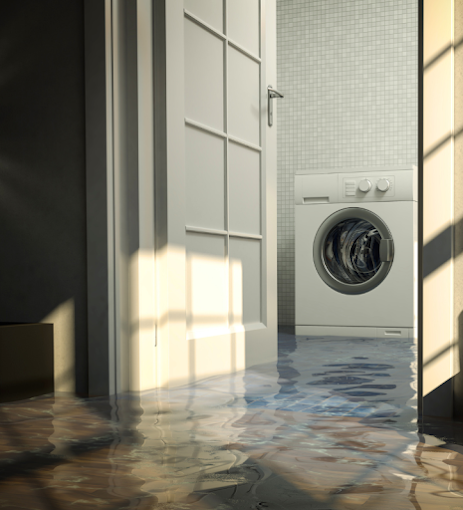
 

Why Quick Water Damage Cleanup Is Critical to Prevent Mold Growth and Structural Damage

water damage cleanup

When you think about home maintenance, one of the most underestimated threats is water damage. Whether it’s caused by a burst pipe, leaky roof, overflowing appliance, or a sudden flood, water in places where it doesn’t belong can wreak havoc on your home. Many people assume drying things out naturally is good enough, but in reality, delaying professional help can open the door to two major problems: mold growth and structural damage.

This is why quick water damage cleanup is not just a recommendation—it’s a necessity. The longer water sits inside your property, the deeper it seeps into flooring, drywall, and insulation, creating a perfect environment for mold spores to grow and for building materials to weaken. Acting fast can save you thousands of dollars and keep your family safe from health hazards.

In this blog, we will explore why time is of the essence when handling water damage, how it affects your property, and what happens if cleanup is delayed.

Understanding the Immediate Impact of Water Damage

The moment water enters your home, it begins to spread. Carpets absorb it like a sponge, wooden floors start expanding, and drywall softens almost instantly. Within just a few hours, moisture can travel farther than you realize, reaching hidden areas behind walls and under flooring. This is one reason why water damage cleanup should never be postponed—the water will not stay in one place.

If left unattended, the initial damage quickly transitions into more complex issues. Electrical wiring may be compromised, furniture may warp, and paint may start blistering. What starts as a small inconvenience can spiral into a full-blown crisis without timely intervention.

Why Mold Growth Happens So Quickly

Mold is one of the most significant threats following water intrusion. Mold spores are everywhere in the environment, but they only need two key things to grow: moisture and organic materials. Unfortunately, your home provides both. Drywall, wood framing, carpets, and fabrics are ideal breeding grounds once they get wet.

Here’s where speed matters: mold can begin to develop within 24 to 48 hours after water exposure. That means if you delay professional water damage cleanup, you could already be dealing with the early stages of a mold infestation by the time you notice musty odors. Once mold starts spreading, it can be incredibly difficult and costly to remove, while also posing health risks such as allergies, respiratory irritation, and more serious conditions in sensitive individuals.

Structural Damage: The Silent Enemy

When people think of water damage, they usually picture soaked carpets or ruined furniture. However, the hidden danger lies in structural damage. Water weakens wooden beams, corrodes metal, and breaks down concrete over time. If water seeps into the foundation of your home, it can compromise the very stability of the entire building.

For instance, wood framing exposed to water for extended periods may lose its strength, becoming brittle or warped. Drywall that remains wet can crumble and lose its integrity. Even unseen areas, like subfloors, can rot if water damage cleanup doesn’t happen fast enough.

This structural weakening doesn’t just increase the cost of repairs—it also jeopardizes your safety. A home may no longer be structurally sound, creating hazards for the family living there.

The Hidden Costs of Delaying Water Damage Cleanup

It might be tempting to wait or handle things with DIY solutions, but ignoring the urgency of water damage cleanup leads to higher costs in the long run.

  • Mold remediation costs: Once mold has spread, cleaning and repairs become more extensive. It often means tearing out drywall, replacing insulation, and treating the home with specialized products.
  • Property damage escalation: Furniture, electronics, clothing, and personal belongings exposed to water for extended periods are often unsalvageable.
  • Insurance complications: Insurance companies are less likely to cover severe damage if they determine negligence played a role, such as not acting quickly enough.

The bottom line: a little delay in addressing water damage often translates to thousands of dollars in additional repairs.

Why Time-Sensitive Action Is the Key

Every hour counts after water damage. Professional restoration specialists understand this urgency, which is why they arrive with advanced equipment like industrial fans, dehumidifiers, and moisture meters. These tools ensure every drop of water is removed from visible and hidden areas.

By acting quickly, you:

  1. Prevent mold from colonizing your walls, carpets, and personal belongings.
  2. Stop water from soaking deeper into the structural materials.
  3. Reduce the risk of permanent damage.

Fast and thorough water damage cleanup gives you peace of mind, knowing your property is not only dry but safe from long-lasting hazards.

The Health Risks You Can’t Ignore

Delaying response to water damage doesn’t only harm your property—it also impacts your health. Mold spores that thrive in damp environments can trigger allergic reactions, asthma attacks, and other respiratory conditions. Children, the elderly, and individuals with weakened immune systems are most vulnerable.

Standing water also becomes a breeding ground for bacteria. Depending on the source of the water—such as sewage backups or floodwater—it can bring harmful pathogens into your living space. Quick water damage cleanup near me eliminates these hazards before they escalate into a health crisis.

Signs That Indicate Mold or Structural Damage After Water Exposure

Sometimes, the damage isn’t immediately obvious. Here are red flags that hint at developing issues:

  • Musty odors in certain rooms
  • Discoloration on walls or ceilings
  • Warped or buckled flooring
  • Peeling paint or wallpaper
  • Creaking or weakened flooring under pressure
  • Increased allergy-like symptoms indoors

These are signals that moisture may still be trapped inside your home, often requiring professional inspection and proper remediation.

Redefined Restoration – Chicago Water Damage Service

2924 W Armitage Ave Unit 1, Chicago, IL 60647

(708) 722-8778

https://redefinedresto.com/water-damage-restoration-chicago/

Water Damage Restoration Companies: Handling Structural Repairs and Material Replacement

water damage restoration companies

When disaster strikes your property in the form of water damage, you often feel overwhelmed and unsure where to turn. Whether it’s a burst pipe, spring storm flood, or a leaky roof, water can swiftly wreak havoc on your home or business. In these moments, water damage restoration companies step in—not only to dry things out but also to handle the intense tasks of structural repairs and material replacement that are crucial for long-term safety and comfort.

The Vital Role of Water Damage Restoration Companies

Water damage restoration companies aren’t just clean-up crews. They are trained professionals equipped to manage every stage of recovery after water has invaded your property. It’s not just about extracting water and using industrial blowers. These experts perform careful inspections, identify unsafe structures, and replace materials hit hardest by moisture—restoring not just the look, but the safety and value of your property.

Companies like Redefined Restoration – Franklin Park Water Damage Service play a pivotal part in helping homeowners and businesses in their neighborhoods recover. By delivering meticulous repairs and expert replacements, water damage restoration companies ensure your space returns to its pre-damage state—without hidden dangers lurking behind walls or under floors.

With so much at stake, it’s important to understand how these companies work, what’s involved in the process, and why expert handling of repairs and replacements is critical.

Understanding Structural Repairs in Water Damage Scenarios

When water enters a building, it doesn’t just soak carpets or warp wood. Water can weaken the framework of the entire structure. Beams, joists, and load-bearing walls can become compromised, sometimes without visible clues at first.

Water damage restoration companies near me are trained to quickly assess where water has traveled and how deep the impact goes. Their team may use devices that detect moisture inside walls and under floors, areas the average homeowner cannot see.

  • One reason it’s essential to hire professional water damage restoration companies is their ability to spot these critical structural issues early. If left unaddressed, even minor warping or swelling can lead to major failures down the road, such as buckling floors, cracked foundations, or even collapsing walls.

Redefined Restoration – Franklin Park Water Damage Service starts by stabilizing any immediate hazards, then works systematically to repair or reinforce affected areas. Their structural repair services cover everything from repairing drywall and studs to rebuilding entire sections of flooring or supports.

Material Replacement: Beyond Just Appearance

Replacing damaged materials is more than a cosmetic fix—it’s a core part of restoring health and safety. Many building components, once saturated, cannot be fully dried or decontaminated. These materials can develop hidden mold and lose their structural integrity.

Water damage restoration companies like Redefined Restoration – Franklin Park Water Damage Service assess each impacted material—carpet, insulation, drywall, wood trim, flooring—and recommend replacement if there’s any risk. This isn’t about overdoing it; it’s about protecting your investment and the health of everyone inside.

  • Replacing water-logged drywall or flooring prevents mold infestations.
  • Removing saturated insulation restores the energy efficiency of your home.
  • Switching out compromised framing keeps your house strong for years to come.

The company’s experts coordinate with property owners to select quality, matching materials, ensuring the finished results are seamless and up to code. Water damage restoration companies do more than patch things up—they restore peace of mind.

Inside the Process: What to Expect from Water Damage Restoration Companies

Let’s walk through a typical repair and replacement job, so you know exactly how water damage restoration companies work:

Step 1: Comprehensive Assessment

As soon as water damage restoration companies arrive, they inspect the property inside and out. Using moisture meters, thermal imaging, and visual checks, they determine the full scale of damage.

Step 2: Water Removal and Dry-Out

Industrial-grade vacuums, pumps, and air movers remove standing water quickly. This prevents additional damage and allows teams to see what needs repair or replacement.

Step 3: Demolition of Unsalvageable Materials

Professionals carefully remove drywall, insulation, and flooring that cannot be saved, reducing the risk of future issues. This step is often essential for safety—even materials that look fine may harbor hidden dangers if moisture lingers inside.

Step 4: Structural Repairs

Damaged supports, joists, and framing are stabilized, reinforced, or rebuilt. Reliable water damage restoration companies don’t gloss over this step. They will prioritize the safety and stability of your property above all else.

Step 5: Material Replacement

After repairs are done, crews install brand-new drywall, flooring, trim, and other materials. Water damage restoration companies work hard to match existing finishes so that your home or business looks just as it did before—if not better.

Step 6: Final Inspection and Clean-Up

Finally, water damage restoration companies inspect their work, clean up all debris, and double-check for lingering moisture or risks. Only then do they consider the job done.

The Importance of Professional Handling

Trying to do structural repairs or material replacement yourself after water damage can be risky and costly. Hidden moisture can cause extensive, ongoing issues—mold, wood rot, electrical hazards, and even pests.

By working with water damage restoration companies, you get access to their expertise, equipment, and experience. These teams understand which materials can be saved and which must be replaced for lasting safety and satisfaction. With Redefined Restoration – Franklin Park Water Damage Service, every job follows strict industry standards and best practices for both repairs and replacements.

Top Challenges in Structural Repairs and Material Replacement

Identifying Hidden Damage

Water damage can travel along pipes, through insulation, and behind walls. Water damage restoration companies use advanced tools to sense where water has seeped, revealing areas that may have gone unnoticed otherwise.

Mold and Mildew Risk

Once materials become wet, mold can start to grow within 24-48 hours. Water damage restoration companies always check for signs of mold and safely handle moldy material removal.

Matching Materials

Whether for a historical home or a modern office, matching materials can be tough. Water damage restoration companies often have connections with suppliers and can custom-match paint, carpentry, or finishes to restore a uniform look.

Insurance Navigation

Repairing water damage isn’t just a technical challenge—it often involves dealing with insurance. Water damage restoration companies, like Redefined Restoration – Franklin Park Water Damage Service, can assist property owners in documenting damages and working with insurance adjusters for smoother claims.

Water Damage and Its Impact on Different Building Materials

Let’s explore how water affects some of the most common materials in homes and businesses, and how water damage restoration companies decide what needs to be replaced:

  • Drywall: Swells, warps, and loses strength when wet. Most often, water damage restoration companies will replace affected drywall to prevent mold and loss of structure.
  • Insulation: Once wet, it loses effectiveness and becomes a mold magnet.
  • Wood flooring and supports: Can warp or rot. Restoration companies will dry and treat if possible, but replace if stability is at risk.
  • Carpeting: Absorbs water and contaminants. Replacement is the go-to option if carpet can’t be fully sanitized.
  • Ceiling tiles: These are replaced, not repaired, as they sag, stain, and attract mold.

With every job, water damage restoration companies balance the cost of repair against the importance of safety, health, and value.

The Value of Speed and Skill in Water Damage Restoration

Speed is essential when dealing with water damage. The faster the restoration process begins, the better the outcome for your property and your wallet. Professional water damage restoration companies are ready 24/7 to respond immediately—starting repairs and replacements before issues escalate.

But speed alone isn’t enough. The knowledge and skill of these teams are just as crucial. Choosing qualified water damage restoration companies, like Redefined Restoration – Franklin Park Water Damage Service, assures you of technicians who can handle both immediate and long-term challenges from start to finish.

Maintaining Transparency and Communication

During the restoration process, you need a clear picture of what’s happening at every stage. The best water damage restoration companies maintain open communication. They will walk you through the inspection, explain why certain repairs or replacements are needed, and keep you updated on timelines and costs.

With Redefined Restoration – Franklin Park Water Damage Service, transparency is not just a buzzword—it’s how they build trust with every client.


With an experienced team supporting you, tackling structural repairs and material replacement after water damage doesn’t have to be stressful. Water damage restoration companies like Redefined Restoration – Franklin Park Water Damage Service are your partners every step of the way—ensuring your home or business is not just repaired, but restored to its best.


Redefined Restoration – Franklin Park Water Damage Service

1075 Waveland Ave, Franklin Park, IL 60131, United States

(708) 303- 6732

https://redefinedresto.com/water-damage-restoration-franklin-park-il