Fire Damage Restoration Steps: Expert Guide to Full Recovery

Imagine returning home after a devastating fire in your Chicago neighborhood, only to find soot-covered walls, lingering smoke odors, and structural concerns lurking beneath the surface. At Redefined Restoration Chicago’s Trusted Fire Experts, we’ve helped countless families in areas like River North, Lincoln Park, and near Wrigley Field recover fully from such tragedies. With over years of hands-on experience in Chicagoland fire damage restoration, our IICRC-certified team knows the precise steps to restore your property safely and efficiently.

Fire damage isn’t just about charred surfaces; it involves smoke infiltration, water from firefighting efforts, and potential hazards like unstable structures. Our structured process ensures every inch of your home, from high-rises in West Loop to cozy Hyde Park bungalows along Lake Shore Drive, is returned to pre-fire condition or better. In this comprehensive guide, we’ll walk you through each critical step of the professional fire damage restoration process, drawing from real cases we’ve handled near major intersections like Michigan Avenue and Lake Street.


Why Professional Fire Damage Restoration Matters in Chicago

Fires strike without warning, often in the heart of bustling neighborhoods like the Loop or quiet spots near Grant Park. The aftermath combines visible burns with invisible threats: toxic soot residues that penetrate HVAC systems, water damage leading to mold in Wilmette homes, and weakened framing that could collapse. Delaying action risks secondary damage, escalating costs by thousands.

Our team at Redefined Restoration responds in 60-90 minutes, 24/7, coordinating with Chicago Fire Department protocols and your insurance from day one. We’ve restored properties near Willis Tower after kitchen fires and entire townhomes in Lincoln Park following electrical mishaps. This rapid response prevents further deterioration, especially critical in Chicago’s humid summers where mold thrives post-water exposure.

Trustworthiness comes from our track record: IICRC-certified specialists trained in advanced techniques, direct work with all major insurers, and a 100% satisfaction guarantee. We’ve streamlined claims for families near shopping centers like Water Tower Place, handling documentation so you focus on recovery.

Step 1: Emergency Assessment and Inspection

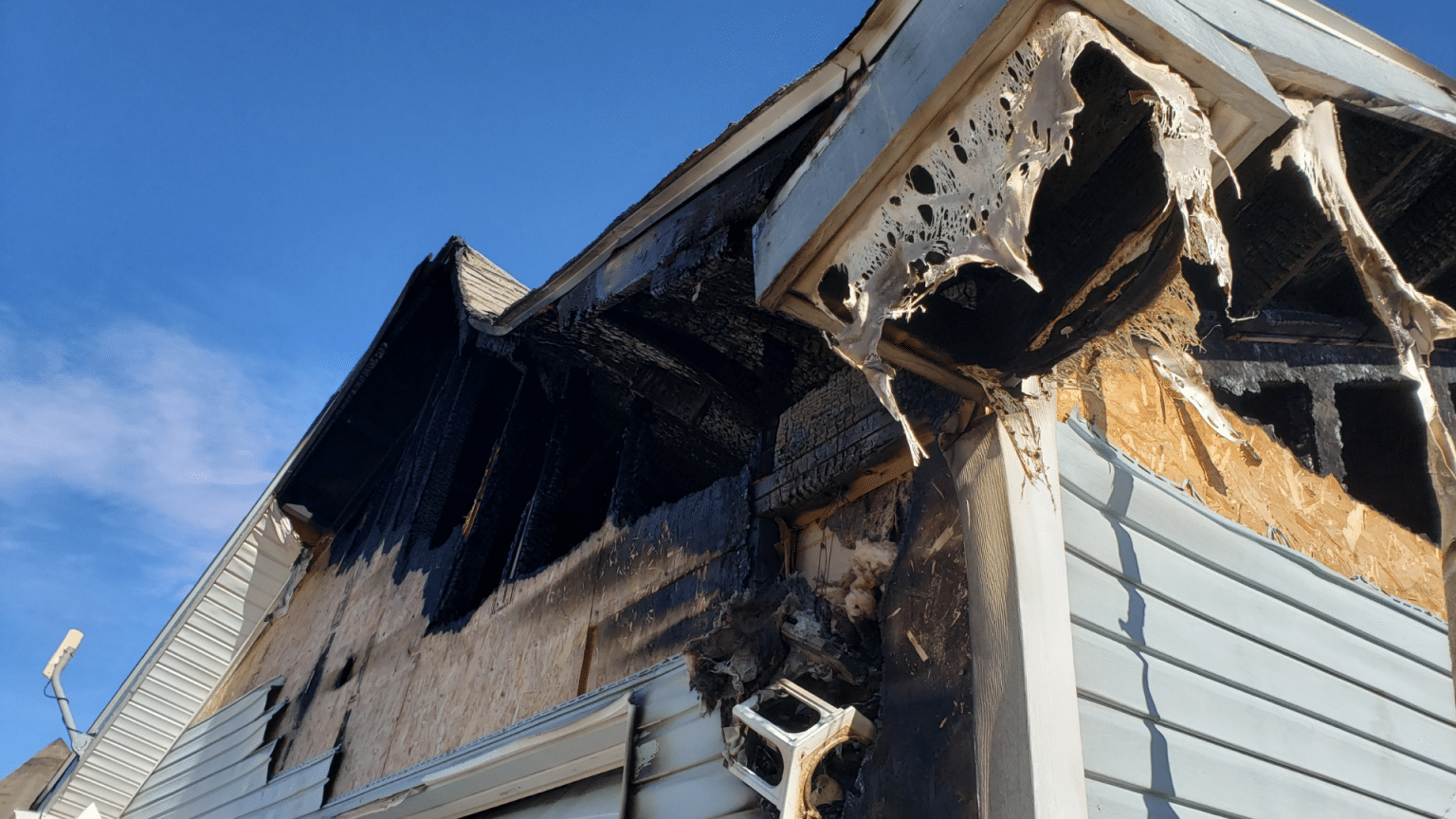
The fire damage restoration journey begins with a thorough assessment, the cornerstone of effective recovery. Upon arrival, our experts conduct a detailed inspection to evaluate fire, smoke, and water damage extent. We check severely burned areas, hidden smoke penetration in walls, ceilings, insulation, exposed wiring, and unstable structures.

In a recent case near Wrigley Field, a residential fire left visible charring but concealed smoke damage in attic insulation. Our team used thermal imaging and moisture meters to uncover issues invisible to the naked eye, preventing mold growth that could have affected nearby Addison Street homes. This step tailors a customized restoration plan, factoring in your property’s age, construction materials, fire source, duration, and occupant needs like pets or elderly residents.

Safety is paramount; we identify hazards like lingering heat or structural instability common in older Chicago buildings near historical sites like the Water Tower. This initial 60-90 minute response secures your investment and sets the stage for efficient restoration, minimizing disruption to your daily life in neighborhoods like Hyde Park.

fire damage restoration

Step 2: Securing the Property with Board-Up and Tarp Services

Once assessed, we immediately secure the property to prevent further damage from weather, vandalism, or elements. This involves boarding up missing windows and walls, and tarping damaged roofs—essential in Chicago’s unpredictable climate, where rain near Lake Michigan can exacerbate water intrusion.

For a West Loop loft fire, high winds off Lake Shore Drive threatened further roof damage. Our crew swiftly installed heavy-duty tarps and plywood boards, stabilizing the site within hours. This not only protects contents but also complies with local safety regulations, avoiding fines near major highway interchanges like I-90 and Ohio Street.

Boarding prevents unauthorized access, a key concern in urban areas like River North with high foot traffic. Our materials withstand Chicago winters, ensuring your property remains viable for reconstruction while we handle insurance coordination seamlessly.

Step 3: Water Extraction and Drying

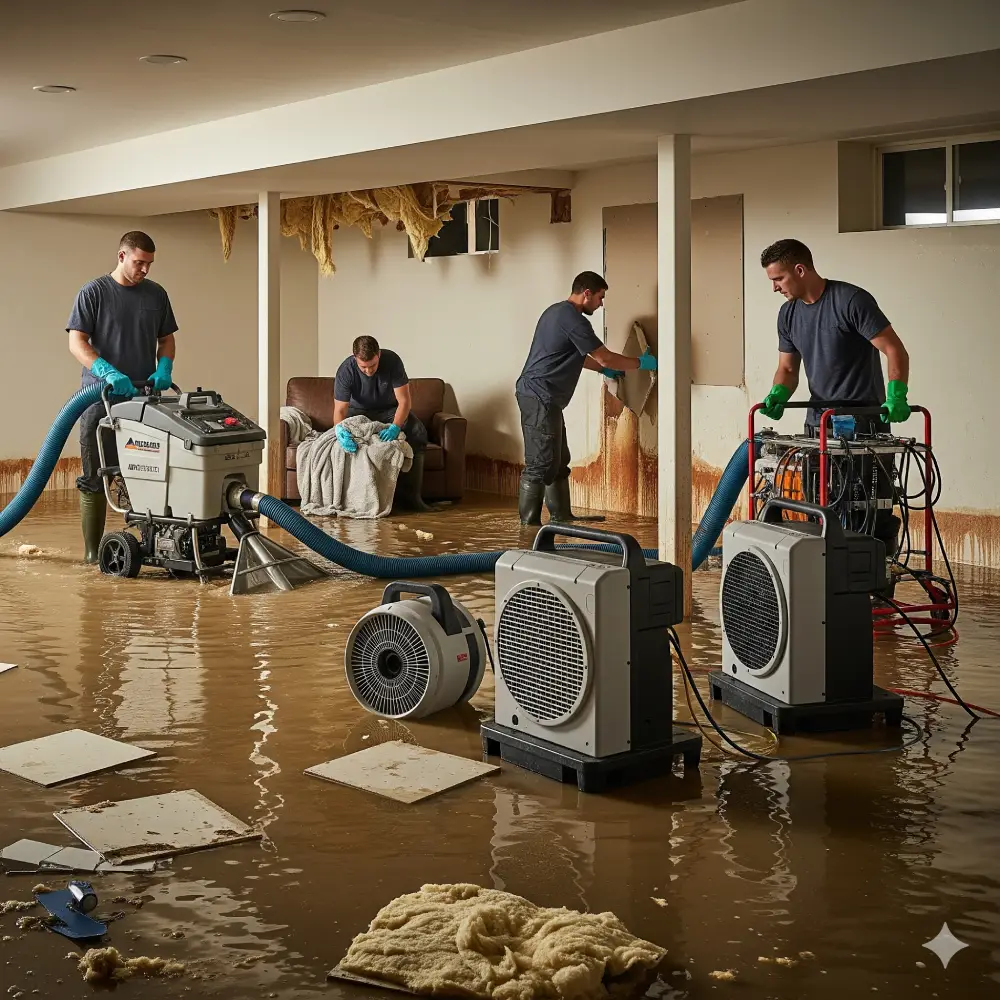
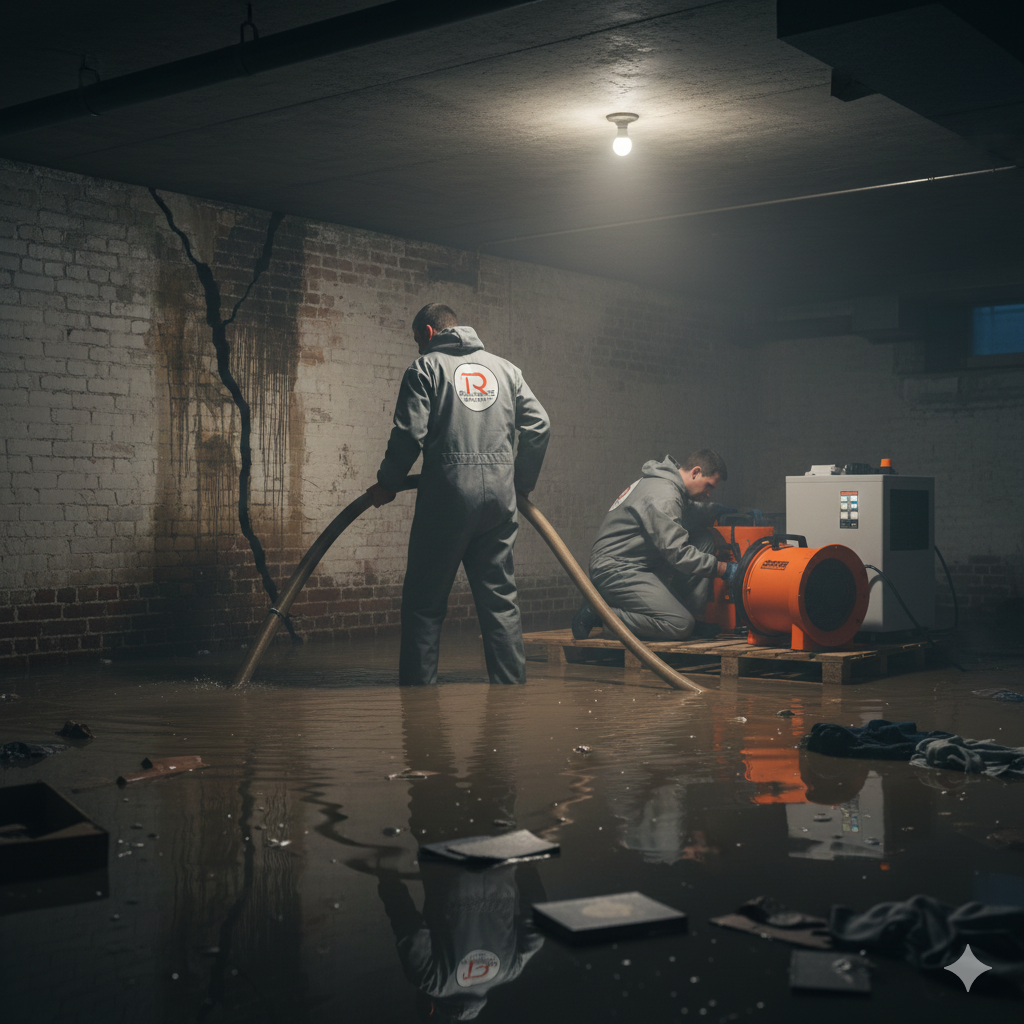
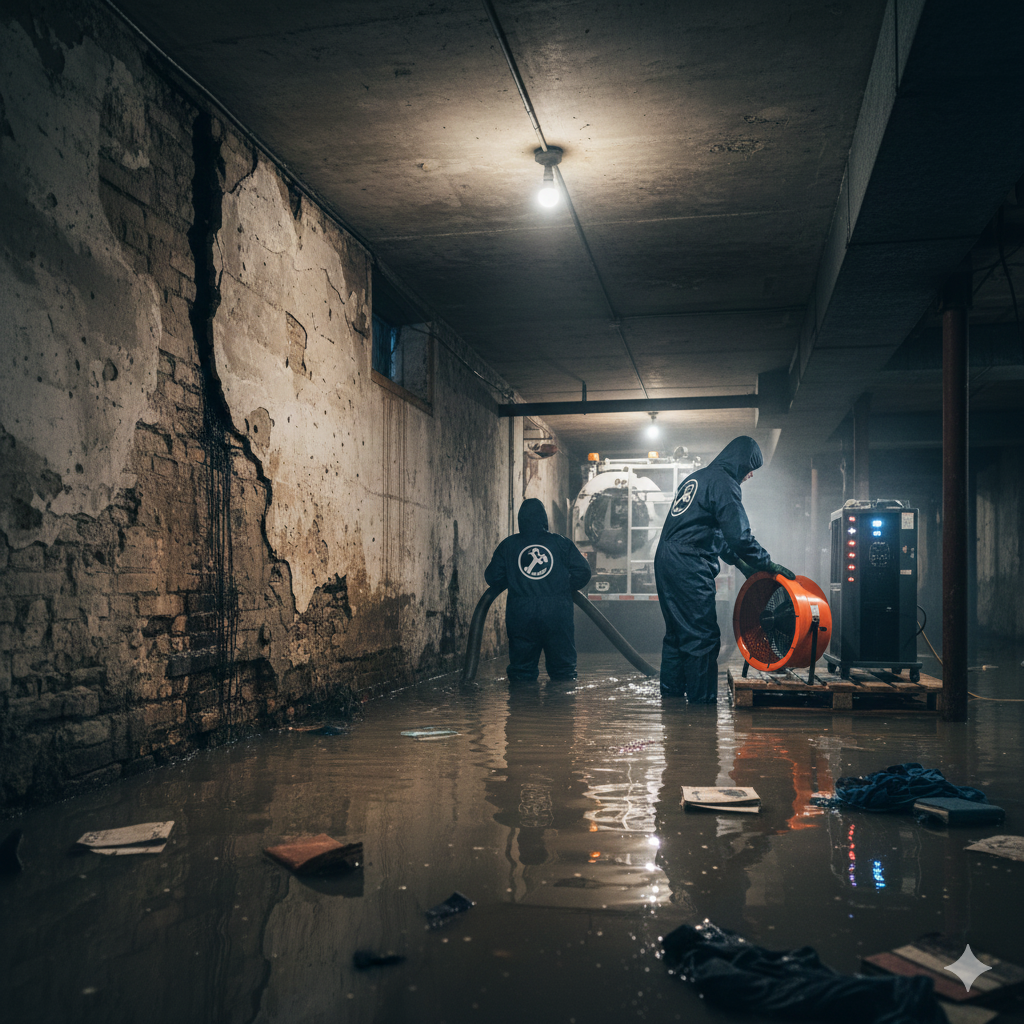
Surprisingly, water often causes more long-term damage than fire itself. Fire hoses and sprinklers saturate structures, leading to mold if not addressed promptly. Our process starts with powerful extraction using truck-mounted pumps and industrial wet vacuums to remove standing water from floors, walls, and cavities.

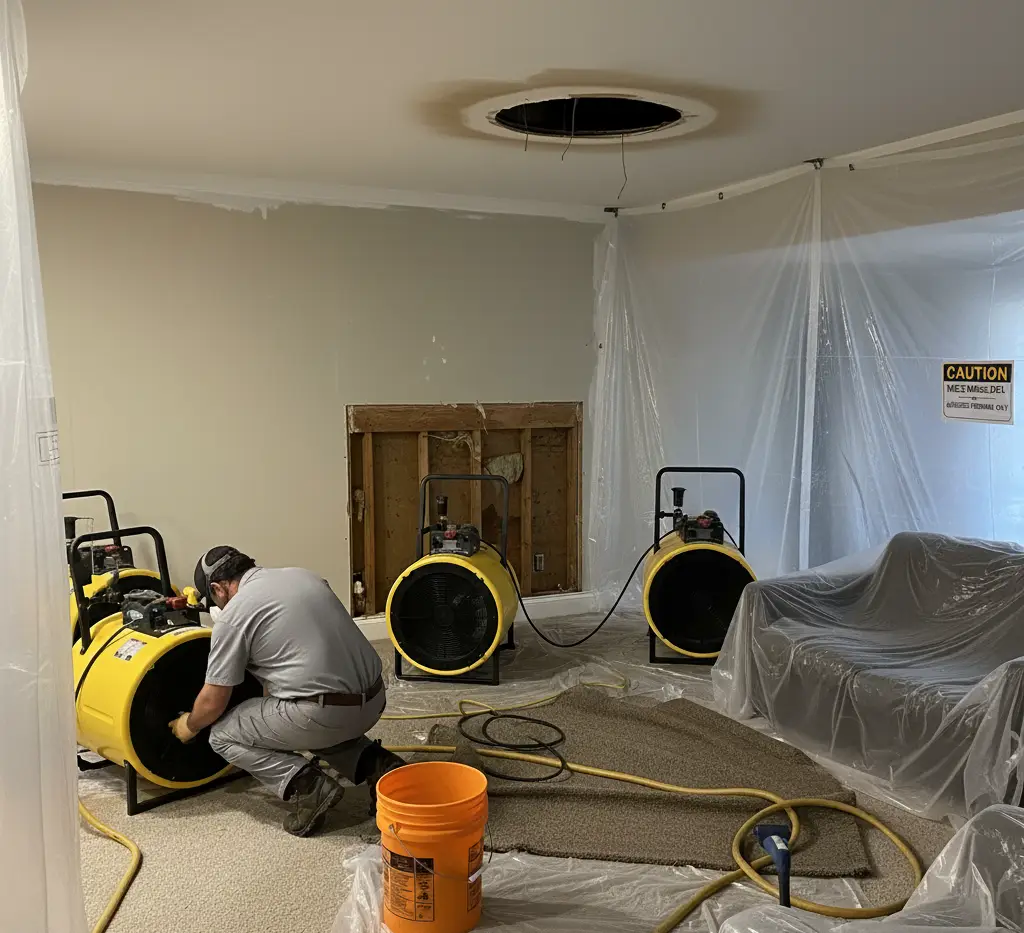
We deploy high-capacity dehumidifiers and axial air movers to dry affected areas thoroughly, monitoring with psychrometers for optimal humidity levels. In a Lincoln Park townhome case, post-fire waterlogging threatened antique wood floors near recreational areas like Lincoln Park Zoo. Our 72-hour drying protocol saved the structure, preventing costly subfloor replacements.

This step is vital near Chicago’s lakeside properties, where humidity accelerates decay. We sanitize extracted areas to kill bacteria, ensuring a healthy environment before proceeding.

Step 4: Soot and Debris Removal

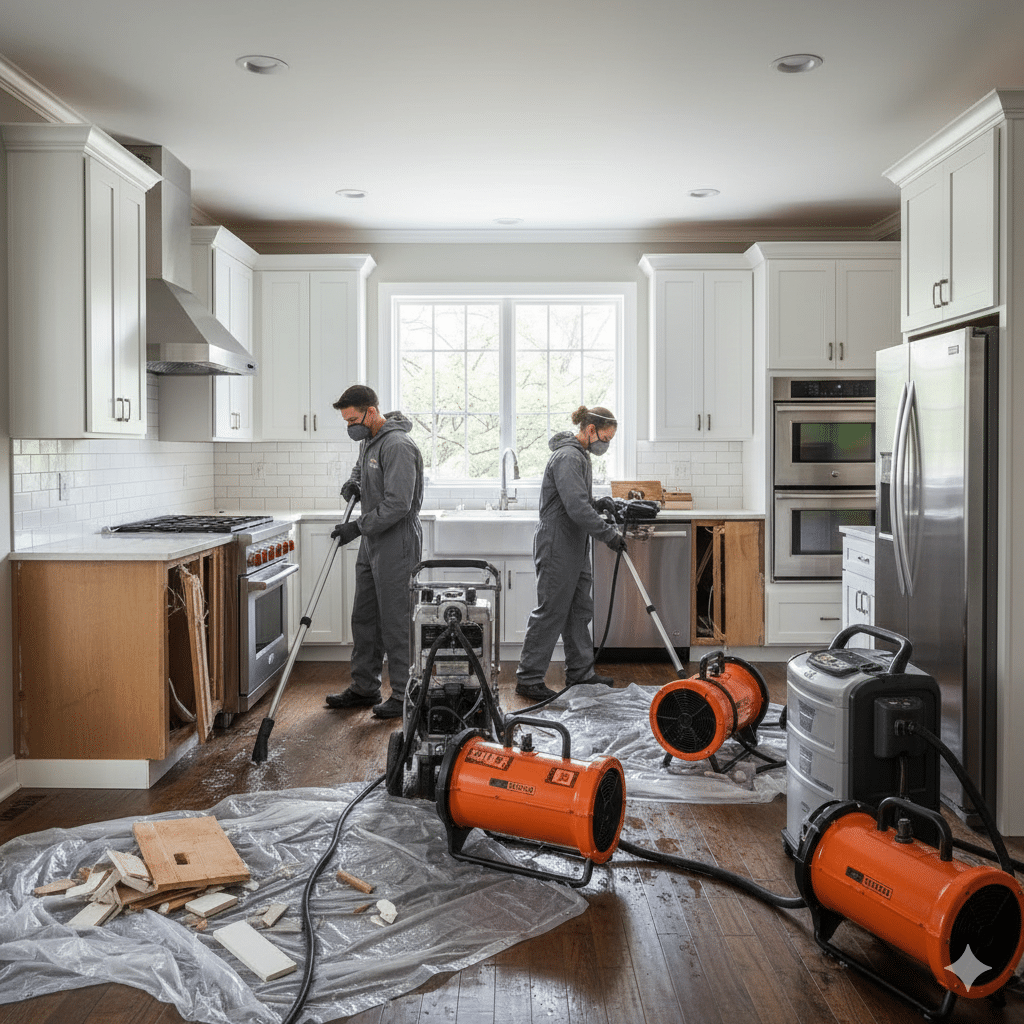
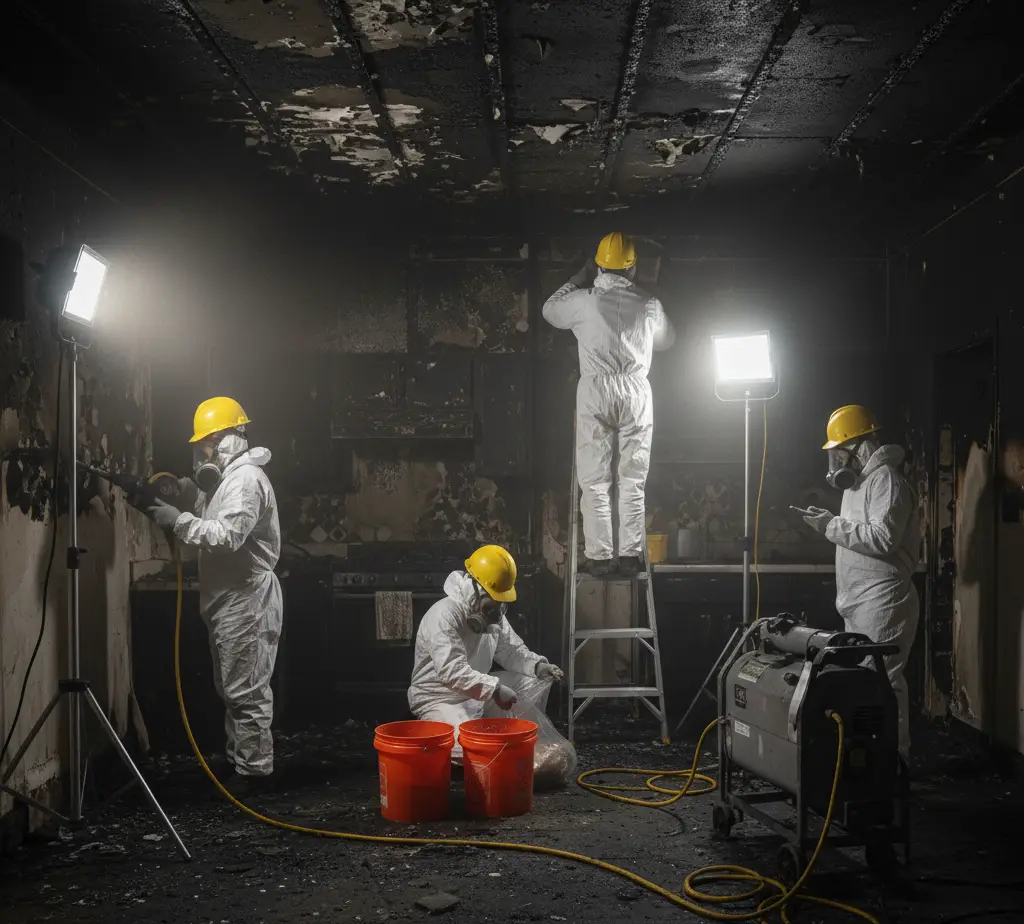
Soot, a byproduct of incomplete combustion, is oily, corrosive, and embeds deeply into surfaces. Our technicians wear PPE and use HEPA vacuums, air scrubbers, and specialized dry cleaning sponges to remove soot from all surfaces without spreading residues.

Debris like charred insulation or fallen drywall is carefully bagged and disposed of per EPA guidelines. Handling a fire in a Hyde Park residence near the University of Chicago, we meticulously cleared soot from HVAC ducts, preventing recirculation of toxins throughout the home. This labor-intensive phase prepares surfaces for cleaning, reducing health risks from carcinogens.

Precision tools ensure no cross-contamination, a standard we’ve perfected serving families across Chicagoland, from Monroe Harbor apartments to suburban spots in Wilmette.

Step 5: Cleaning, Sanitizing, and Deodorizing

With debris gone, deep cleaning eliminates smoke odors and toxins. We use hospital-grade disinfectants, ozone generators for odor neutralization, and ultrasonic cleaning for salvageable belongings like appliances and upholstery.

Contents are inventoried; restorable items are packed and treated off-site. In one River North condo restoration, smoke permeated oriental rugs—we restored them via immersion cleaning, saving thousands. Walls receive sealant primers to lock in residues, followed by antimicrobial treatments.

Deodorizing targets sources like HVAC systems cleaned with fogging and carbon filters. This multi-layered approach ensures your home smells and feels fresh, critical for sensitive groups near schools like Lincoln Park High.

Step 6: Final Restoration and Reconstruction

The capstone is rebuilding: repairing drywall, repainting with odor-blocking paints, replacing flooring, and reconstructing structural elements. Our licensed contractors handle framing, roofing, electrical, and plumbing to code.

For severe damage, we secure permits and perform full remodels. A post-fire rebuild near Grant Park involved new kitchens matching original designs, using premium materials. Final walkthroughs confirm quality, with warranties on workmanship.

This phase transforms devastation into improvement, often upgrading outdated features while coordinating insurance for seamless billing.
fire damage restoration

Navigating Insurance Claims with Redefined Restoration

We partner with all insurers, providing detailed estimates and documentation. A dedicated project manager guides you, advocating during adjuster visits. Families near Water Tower Place shopping have praised our stress-free process, from claim filing to payout.

Our expertise minimizes out-of-pocket costs, leveraging industry knowledge for fair settlements.

Preventing Future Fires: Tips from Chicago Experts

Post-restoration, we advise on prevention: regular chimney sweeps near Lincoln Park, updated wiring in vintage homes by the Water Tower, and smoke detectors tested monthly. Smart systems integration enhances safety in high-rises along Lake Shore Drive.

Frequently Asked Questions

What is the first step in fire damage restoration?

The first step is a thorough assessment and inspection by certified professionals. At Redefined Restoration, our IICRC-certified team arrives within 60-90 minutes to evaluate fire, smoke, and water damage. We use advanced tools like thermal cameras to detect hidden issues such as smoke infiltration in walls or structural weaknesses. This personalized evaluation considers your Chicago property’s unique features, like older brick construction near Grant Park or modern condos in River North. Developing a tailored plan ensures safety, prevents secondary damage like mold from firefighting water, and outlines timelines. We’ve seen this step save properties in West Loop from total loss by identifying urgent board-up needs. Clear communication keeps you informed, building trust from the start. Expect documentation for insurance, streamlining your claim while we secure the site against Chicago’s weather.

How quickly should I call for fire damage restoration services?

Call immediately—within hours of the fire being extinguished. Delays allow soot to corrode metals, water to foster mold, and weather to worsen damage, especially near Lake Michigan. Redefined Restoration guarantees 24/7 response in 60-90 minutes across Chicagoland, from Hyde Park to Wilmette. In a recent case near Wrigley Field, our rapid arrival prevented roof collapse during a storm. Early intervention cuts restoration costs by up to 50% by mitigating secondary issues. We coordinate with fire departments and insurers on-site, providing free estimates. Don’t attempt DIY; soot is toxic, and improper handling spreads contaminants. Professional speed restores safety faster, letting families near Lincoln Park Zoo return home sooner.

What does board-up and tarp service involve in fire restoration?

Board-up and tarp secure the property post-fire by covering breached windows, doors, walls, and roofs with reinforced plywood, metal sheets, and heavy-duty tarps. This prevents looting, weather intrusion, and animal entry, crucial in urban Chicago spots like the Loop. Our team assesses vulnerabilities during inspection, using weather-resistant materials for Lake Shore Drive winds. For a Lincoln Park fire-damaged townhome, we tarped a collapsed roof overnight, averting rain damage to interiors. Installation follows safety codes, with ventilation to avoid moisture traps. This step buys time for full restoration, often covered 100% by insurance. Expect minimal disruption; we restore access points upon completion, enhancing property value during recovery.

How is water damage handled after a fire?

Water extraction uses powerful pumps and vacuums to remove pooling from hoses or sprinklers, followed by industrial drying with dehumidifiers and air movers. We monitor moisture in walls and subfloors to below 15% to prevent mold, vital in humid Chicago summers. In Wilmette restorations, we’ve dried century homes near parks without warping floors. Sanitizing agents kill bacteria post-extraction. This phase lasts 3-5 days, depending on extent, with daily psychrometric checks. Neglecting it leads to rot; our proactive approach ensures structural integrity for final rebuilds near major intersections like Clark and Diversey.

Can personal belongings be saved from fire and smoke damage?

Yes, most items are salvageable with specialized cleaning. We inventory contents, using ultrasonic baths for electronics, ozone for fabrics, and thermal fogging for odors. Irreplaceable heirlooms from Hyde Park families have been restored off-site. Non-porous items like glass clean easily; porous ones like books may need desiccation. Our 90% success rate minimizes losses, documented for claims. Near shopping centers like Water Tower Place, we’ve revived wardrobes post-kitchen fires, returning them deodorized and sanitized.

How do professionals remove smoke odors after a fire?

Odor removal targets sources with HEPA filtration, ozone generators, and hydroxyl machines penetrating walls and HVAC. Sealants lock in residues before repainting. In River North high-rises, we’ve eliminated persistent smells from grease fires using multi-pass fogging. HVAC cleaning prevents recirculation. This comprehensive deodorizing ensures no traces remain, safe for kids near schools. Full elimination takes 1-2 weeks, verified by air quality tests.

What is involved in the final restoration phase?

Final restoration rebuilds structures: framing, drywall, painting, flooring, electrical, and plumbing to code. We secure permits for Chicago compliance, using premium materials. A West Loop project included custom cabinetry matching originals. Final inspections and walkthroughs confirm satisfaction, with warranties. This elevates homes beyond pre-fire state, coordinating with designers for updates.

Does Redefined Restoration handle insurance claims?

Absolutely—we work with all carriers, managing paperwork, estimates, and adjuster coordination. Project managers advocate for you, as in Lincoln Park claims yielding full coverage. Free estimates and direct billing simplify recovery near Willis Tower.

How long does full fire damage restoration take?

Typically 1-4 weeks for minor fires, 2-6 months for major ones, depending on damage scope and approvals. Chicago permitting adds time; our efficiency in neighborhoods like Hyde Park shaves weeks off via streamlined processes.

Are your technicians certified for fire damage restoration?

Yes, all are IICRC-certified in fire restoration, with ongoing training. This expertise ensures safe handling of toxins, as proven in Wilmette mold prevention post-fire, upholding highest standards across Chicagoland.

Conclusion: Restore with Confidence

Fire damage restoration follows a proven six-step path from assessment to rebuild, delivered by Redefined Restoration’s experts. Serving Chicago from River North to Lake Shore Drive, we guarantee swift, thorough recovery. Contact us for immediate help and peace of mind.
Can Redefined Resto Handle Commercial Water Damage in Chicago? Timelines Explained

If your Chicago commercial property has water damage, Redefined Resto (Redefined Restoration) provides 24/7 emergency mitigation, full commercial water damage restoration, and insurance coordination with a typical timeline from immediate mitigation to final repairs that ranges from days to a few weeks depending on scope.

This in-depth guide explains how Redefined Resto handles commercial water damage in Chicago, Illinois, walks through the step-by-step restoration timeline you should expect, describes specific services and certifications, shares real operational details and local relevance for Chicago neighborhoods, and answers the ten most common FAQs building strong EEAT signals and local authority for business owners and property managers.

water damage restoration

Why this matters for Chicago commercial properties

Commercial properties in Chicago—from River North offices and West Loop restaurants to Logan Square warehouses, Lincoln Park retail storefronts, and near-shore facilities along Lake Shore Drive—face unique water damage risks: frozen and burst pipes in winter, heavy rains and basement flooding, sump pump failures near the Chicago River or near Navy Pier, and aging infrastructure in older building stock such as those around Wrigley Field or the South Loop. Quick, expert action prevents secondary damage like structural deterioration and mold that can disrupt operations and escalate insurance costs.

Redefined Resto’s presence and capabilities in Chicago

Redefined Resto—operating as Redefined Restoration—positions itself as a local Chicagoland emergency restoration company with an on-the-ground office at 2924 W Armitage Ave in Logan Square and response capacity across neighborhoods including River North, West Loop, Lincoln Park, Hyde Park, and South Loop. Their website emphasizes a local 60–90 minute emergency response for Chicago incidents and IICRC-certified technicians handling water, fire, smoke, and mold work, supporting credibility for commercial clients needing fast mitigation and complete restorations.

Commercial water damage services Redefined Resto provides

When a commercial client calls Redefined Resto for water damage, the company follows an industry-standard, documented process tailored for commercial-scale needs: inspection and assessment, water removal, drying and dehumidification, cleaning and sanitation, structural repairs and reconstruction, and insurance coordination. Their site explicitly lists the following commercial-focused capabilities:

  • 24/7 immediate emergency service with a 60–90 minute response window to begin mitigation.
  • High-powered water extraction using commercial-grade pumps and vacuums to remove standing water quickly.
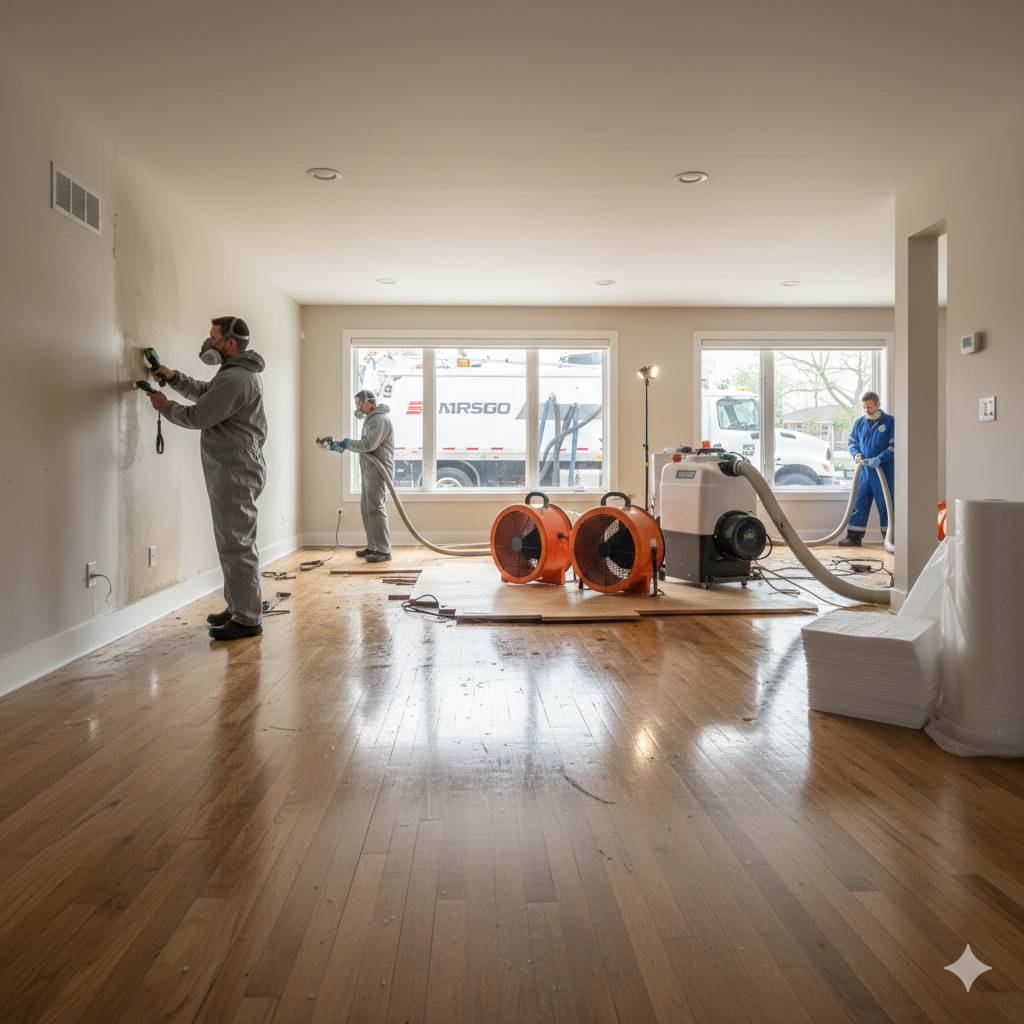
  • Industrial drying and dehumidification with air movers and desiccant or refrigerant dehumidifiers to lower moisture levels in large open-plan spaces, basements, and mechanical rooms.
  • Mold prevention and remediation coordination to reduce the risk of mold growth after water intrusion.
  • Sanitation and hazardous material handling for sewage backups and contaminated water incidents common in commercial settings.
  • Full-service repairs and reconstruction including structural, electrical, and plumbing repairs, and final finishes to return the property to pre-loss condition.
  • Insurance claim management—direct coordination with adjusters, documentation, and billing with all major insurance carriers.

Those services are structured for commercial timelines and scale: mitigation crews to stop ongoing loss, coordinated drying plans to protect inventory and finishes, and reconstruction teams capable of phased occupancy solutions so businesses can reopen sooner.

water damage restoration companies

Step-by-step: What a commercial water damage response looks like

Below is a practical, field-oriented walk-through of how Redefined Resto typically executes a commercial restoration project from notification to final sign-off. This is based on the company’s process information and local response commitments for Chicago properties.

1) Emergency call and dispatch (0–90 minutes)

Redefined Resto advertises a 60–90 minute emergency response for Chicago incidents. For commercial clients, that rapid arrival begins the mitigation clock—early intervention reduces extraction and drying time and limits business interruption. A project manager is usually assigned at first contact to coordinate access and insurance notification.

2) Inspection and immediate mitigation (first 1–4 hours)

Technicians perform a documented inspection, assess water source and category (clean, gray, black), and implement emergency measures: shutting off the water source, moving or protecting sensitive equipment and inventory, boarding or tarping exposed openings, and beginning water extraction in priority zones like mechanical rooms, server closets, and customer-facing areas.

3) Water removal and inventory protection (first 4–24 hours)

Commercial-grade pumps and extractors remove standing water quickly while crews tag and inventory damaged stock, furniture, and equipment when requested. For retail or food service, cold storage and food-safety priorities are handled immediately to meet health code requirements, and Redefined Resto coordinates sanitation steps when sewage or contaminated water is involved.

4) Drying and environmental control (24–72+ hours)

Air movers, industrial dehumidifiers, and moisture meters track drying progress. For larger commercial volumes or deep saturation in concrete slabs, drying can extend beyond 72 hours and may require specialized dehumidification strategies or floor mat drying systems. Redefined Resto emphasizes using proper drying equipment and IICRC-informed drying plans to accelerate safe re-occupancy.

5) Cleaning, deodorization, and mold prevention (2–7 days)

Once moisture levels are controlled, crews clean and sanitize affected surfaces, remove irreparably damaged materials, and apply antimicrobial treatments when needed. Mold-prevention measures are prioritized in humid Chicago summers or when water intrusion is prolonged. If mold is detected, remediation protocols follow industry standards and are coordinated with reconstruction plans.

6) Repairs, rebuilding, and final testing (1–3 weeks or longer)

Reconstruction timelines depend on permit needs, material lead times, and the extent of structural or system repairs. Redefined Resto states that complete restoration, including repairs, generally takes from one to three weeks in typical cases, though more extensive commercial projects may take longer and are scoped individually. Throughout reconstruction, a dedicated project manager communicates progress, coordinates subcontractors, and arranges inspections required by Chicago building codes.

Typical timelines summarized for Chicago commercial jobs

  • Initial response and mitigation: within 60–90 minutes of the call.
  • Water extraction: same day (hours) for most commercial sites depending on depth and access.
  • Drying and dehumidification: commonly 2–7 days for light to moderate damage; deeper saturation or slab drying can take 7–21+ days.
  • Cleaning, sanitation, and mold prevention: concurrent with drying, often completed within 3–7 days for standard jobs.
  • Repairs and reconstruction: typically 1–3 weeks for standard moderate repairs; large-scale commercial reconstruction can extend beyond a month.

These timelines align with Redefined Resto’s published guidance that initial extraction and drying typically take two to three days and full restoration including repairs commonly takes one to three weeks for many projects. More complex commercial claims, multiple affected floors, or contaminated water events will expand those ranges and require tailored scopes and permit coordination with the City of Chicago.

Insurance coordination and project management

Redefined Resto highlights that they work directly with all insurance companies and assign a dedicated project manager to handle claims, documentation, and billing. For commercial property managers, this reduces administrative burden and helps accelerate approvals for mitigation, emergency repairs, and larger reconstruction scopes while preserving documentation for loss reporting and subrogation if needed.

Commercial case examples and real-world context

Redefined Resto’s Chicagoland focus and Logan Square operations mean their crews respond across the city: from high-rise water intrusions near Willis Tower to basement flooding in neighborhoods like Wicker Park and Bucktown, to restaurant sewage backups in West Loop or Lincoln Park. Their website and local directory listings reference work with complex insurance claims and decades of combined team experience, reflecting practical expertise with commercial-sector incidents such as restaurants, multi-tenant office buildings, retail stores, and warehouse facilities.

Project examples commonly described for commercial clients include emergency water extraction after burst pipes in winter, sewage backup remediation in food service establishments, drying and reconstruction after overflow from neighboring tenant spaces in mixed-use buildings, and large-scale drying efforts in basements and parking garages where moisture wicking into concrete requires extended dehumidification.

water damage restoration service

Local codes, permits, and Chicago-specific considerations

Commercial restoration in Chicago must account for local building codes and permit requirements for structural, electrical, and plumbing repairs; Redefined Resto notes that some repairs may require permits and that working with a restoration provider familiar with Chicago regulations is essential. For example, projects requiring replacement of fire-suppression systems, major plumbing alterations, or significant structural repairs will involve permit submissions to the City of Chicago and inspections before final occupancy clearance.

Neighborhood-specific conditions matter: older masonry and timber-frame buildings in parts of Lincoln Park or the South Loop can behave differently during drying than newer steel-and-concrete structures in the West Loop or River North, while buildings near Lake Michigan and along Lake Shore Drive often contend with higher ambient humidity that affects drying timelines. Redefined Resto’s local experience across neighborhoods like Logan Square, Hyde Park, Wicker Park, and proximity to landmarks such as Wrigley Field and the Willis Tower helps them anticipate these variations.

What affects cost and timeline for commercial water damage jobs

Major factors that affect both cost and timeline include:

  • Water category: clean water is cheaper and faster to remediate than gray or black water (sewage), which requires additional sanitation and disposal steps.
  • Extent of saturation: surface-only damage dries quickly; saturation into walls, ceilings, and slabs takes longer and is more costly.
  • Square footage and ceiling heights: tall, open commercial spaces require more equipment and time to achieve even drying.
  • Inventory and equipment protection: moving, storing, or replacing stock and sensitive electronic systems adds time and logistics.
  • Permit needs and subcontractor availability: permit delays and specialty trades for structural, mechanical, or electrical repairs lengthen the schedule.
  • Season and weather: Chicago winters and high humidity periods change drying efficiency and may affect material availability.

Mitigation tips for Chicago business owners to reduce downtime

  • Act immediately: call an emergency restoration provider that commits to a local 60–90 minute response to limit secondary damage and mold growth.
  • Document everything for insurance: photos, videos, and inventory lists saved to cloud storage accelerate claims.
  • Protect critical systems: prioritize server rooms, POS systems, refrigeration, and inventory for emergency drying or relocation.
  • Segregate contaminated water incidents: designate no-access zones and engage professionals to handle sewage or chemical contamination safely.
  • Work with a single point of contact: a dedicated project manager expedites communication with adjusters and trades.

EEAT signals and Redefined Resto’s expertise

Redefined Resto communicates key trust and expertise signals that matter for commercial clients:

  • Local presence: a physical Logan Square location provides Chicago-area accessibility.
  • Rapid emergency response (60–90 minutes): critical for limiting loss and aligning with industry best practices in mitigation.
  • Certified technicians: IICRC-certified technicians are identified across the company’s site, signaling training in water, mold, and fire restoration standards.
  • Insurance coordination: explicit claims management and documentation support reduces administrative friction for businesses.
  • 100% satisfaction and free estimates: service guarantees and transparent initial estimates build trust during stressful incidents.

How Redefined Resto documents and verifies work

Redefined Resto emphasizes a methodical approach to inspection, mitigation, and documentation. Typical verification steps used on projects include moisture mapping, ongoing moisture-content measurements, photographic records at key milestones (pre-mitigation, during drying, pre-reconstruction, and final sign-off), and written drying logs. This documentation supports insurance claims and provides objective evidence of progress toward safe re-occupancy.

Contracting Redefined Resto for a commercial project—what to expect

Commercial property managers should expect the following when engaging Redefined Resto:

  • One-call dispatch with 24/7 availability and a 60–90 minute response.
  • An on-site assessment and free estimate with a clear scope and timeline overview.
  • Assignment of a dedicated project manager to coordinate crews, subcontractors, inspections, and insurance communication.
  • Deployment of extraction and drying equipment and routine progress reporting using moisture readings and photos.
  • Phased reconstruction planning to support partial occupancy or staged re-openings when feasible.
  • Final verification and client sign-off when moisture levels meet industry standards and structural repairs are complete.

Local Chicago examples and geography to demonstrate GEO authority

Redefined Resto’s Chicago-focused site mentions service across neighborhoods and references landmarks and local conditions that commercial clients will recognize: rapid response near Willis Tower and along Lake Shore Drive, experience handling water intrusion in Logan Square and Wicker Park properties, and knowledge of building types in Hyde Park, Lincoln Park, and the South Loop. These local references demonstrate their operational reach from downtown corridors like the Magnificent Mile to neighborhood retail strips near Damen Avenue and Armitage Avenue.

Examples of local site challenges include winter pipe bursts that commonly affect older masonry buildings in Lincoln Park and the Near North Side, basement flooding in areas near the Chicago River, and restaurant equipment failures or grease trap overflows in the West Loop and River North restaurant districts. Redefined Resto’s Logan Square base places them close to these central service areas for fast dispatch.

When to call Redefined Resto vs. internal facilities teams

Call Redefined Resto immediately when you observe standing water that threatens structural components, when water affects electrical systems, when contamination (sewage or gray water) is present, or when the scale of extraction and drying exceeds in-house capabilities. Smaller, isolated leaks that stop quickly and don’t saturate building materials might be managed by facilities staff, but commercial-scale saturation, multi-room involvement, or unknown contamination sources warrant professional mitigation to protect health and assets and to preserve insurance claims.

Questions commercial clients commonly ask—and how Redefined Resto answers them

  • How quickly can you be on site? Redefined Resto advertises a 60–90 minute emergency response in Chicago.
  • Do you work with my insurance? Yes, they coordinate directly with all major insurance carriers and provide documentation and adjuster support.
  • Can you protect my inventory and equipment? Yes—crews can inventory, move, and arrange specialized drying or storage for sensitive items.
  • Will you handle permits? They manage reconstruction coordination and understand when permits are required for Chicago building work.

How to prepare your commercial property before Redefined Resto arrives

  • Shut off affected utilities if safe to do so and document the scene with photos and notes.
  • Protect critical documents or move them to a dry location or off-site cloud storage whenever possible.
  • Segregate employee and customer access for safety in contaminated water events.
  • Gather insurance policy information and lease details to speed claim intake and coordination.
  • Identify sensitive areas (server rooms, freezers, cash-handling areas) so mitigation crews can prioritize them immediately.

Contact and next steps

If your Chicago commercial property is impacted by water damage, reach out to Redefined Resto’s emergency line for immediate dispatch and a documented plan of action. For quick navigation and additional service context, visit the company homepage using the anchor link Redefined Resto’s Chicagoland Restoration Hub and review the water damage restoration page directly at the brand’s Water Damage Restoration Services resource to prepare for a consultative inspection and free estimate.

The homepage link above leads to the company root domain to help you explore related services such as fire and mold restoration and to review company locations, certifications, and contact options.

Conclusion and recommended expectations

Redefined Resto is positioned to handle commercial water damage in Chicago with a rapid 60–90 minute emergency response, IICRC-certified technicians, commercial-grade equipment, and full-service insurance coordination. Typical timelines for commercial projects begin with same-day extraction and move through controlled drying over several days, with full repairs commonly completed within one to three weeks for typical moderate jobs—while more complex or larger scale commercial restorations will take longer depending on contamination, saturation depth, permitting, and reconstruction scope. For the fastest recovery and best protection of assets, call for mitigation immediately and document the loss for insurance and operational continuity.

Frequently Asked Questions

Can Redefined Resto respond to a commercial water emergency in Chicago within an hour?

Yes. Redefined Resto advertises a 60–90 minute emergency response time for incidents in Chicago, meaning they dispatch technicians to begin mitigation quickly to limit further damage and mold risk. Rapid arrival is especially important for commercial properties where inventory, equipment, and tenant operations are at stake; early mitigation reduces extraction and drying time and improves the chance of partial occupancy during reconstruction. When you call, expect an initial assessment and immediate containment measures followed by a documented plan and assignment of a project manager to coordinate with your insurance and building management.

Does Redefined Resto handle sewage and contaminated water in commercial buildings?

Yes. The company lists handling contaminated water events among its services, which includes sanitation, hazardous material precautions, and specialized disposal when sewage or black water is present. For commercial clients—restaurants, apartment common areas, and buildings with complex mechanical systems—Redefined Resto follows industry protocols to isolate contamination, remove affected materials, apply antimicrobial treatments, and document the remediation process for health-code and insurance purposes. These steps help protect staff and customers while meeting regulatory requirements for contaminated water events.

How long does the drying process take for a commercial space?

Drying timelines for commercial spaces vary by severity: light to moderate water intrusion often dries within two to seven days using industrial air movers and dehumidifiers, while deeper saturation in walls, carpet padding, or concrete slabs can extend drying to one to three weeks or more. Large, open commercial spaces and high-ceiling retail areas typically require more equipment and monitoring. Redefined Resto emphasizes using documented moisture readings and moisture mapping to verify drying progress and ensure safe re-occupancy.

Will Redefined Resto coordinate with my insurance company for a commercial claim?

Yes. Redefined Resto states that they work with all insurance companies and will handle claim documentation, adjuster coordination, and billing processes. They assign a dedicated project manager to manage communications and submit required records, which helps expedite approvals for mitigation and reconstruction and reduces administrative burden on building owners and property managers. This direct coordination is particularly important on commercial claims where timelines and business interruption considerations are critical.

What reconstruction services does Redefined Resto provide after mitigation?

After mitigation and drying, Redefined Resto offers full reconstruction and repair services to restore commercial spaces to pre-loss condition. Services include structural repairs, drywall replacement, painting, flooring replacement, plumbing and electrical repairs as needed, and final cleaning and testing. The company coordinates permits and inspections when necessary under Chicago building codes and stages work when partial occupancy is required to support business continuity for tenants or operations.

How does Redefined Resto prevent mold after water damage?

Preventing mold begins with rapid mitigation and thorough drying. Redefined Resto applies industrial drying equipment, moisture monitoring, and antimicrobial treatments to prevent mold colonization. If mold is discovered, they follow remediation steps consistent with industry standards, including containment, removal of contaminated materials, HEPA-filtered air scrubbing, and post-remediation verification. Documented moisture logs and clearance readings are provided to demonstrate that conditions are safe and meet restoration goals.

Are Redefined Resto technicians certified for commercial restoration work?

Redefined Resto highlights IICRC-certified technicians on their site, which indicates training in water damage restoration, mold remediation, and adherence to industry best practices. For commercial clients, certification helps ensure that staff apply standardized protocols for drying, documentation, and remediation—important for maintaining safety, supporting insurance claims, and meeting regulatory expectations when restoration intersects with electrical, plumbing, or structural systems.

Will Redefined Resto help protect critical systems like server rooms or refrigeration during mitigation?

Yes. Commercial mitigation includes prioritizing critical systems and inventory. Redefined Resto crews can relocate, dry, or isolate sensitive equipment and coordinate temporary power or climate control to protect servers, refrigeration units, and POS systems. Early notification of critical areas helps crews stage resources and minimize downtime for business operations during extraction and drying phases.

How do permit requirements affect the commercial restoration timeline in Chicago?

Permit needs can extend reconstruction timelines because structural, electrical, and plumbing repairs often require City of Chicago permits and inspections. Redefined Resto states they understand local permit processes and coordinate reconstruction activities and documentation to obtain necessary approvals. Planning for permit submission, scheduling inspections, and meeting code requirements are all factors that can add days or weeks to the reconstruction phase of a commercial project depending on the scope.

What should commercial property managers do immediately after discovering water damage?

First, ensure safety: if electrical hazards exist, isolate power to affected areas and keep people away from standing water. Document the damage thoroughly with photos and notes, locate and secure insurance and lease information, and contact an emergency restoration company with local rapid response like Redefined Resto. Protect critical assets where safe to do so, and inform tenants or staff about restricted areas. Early engagement with a professional restoration team speeds mitigation, preserves evidence for the claim, and reduces overall downtime.

Redefined Resto Chicago Water Damage Restoration Services

Water damage can strike unexpectedly in Chicago, turning a cozy home in Lincoln Park or a bustling office in the West Loop into a soggy disaster. Whether it’s a burst pipe during a harsh winter near Wrigley Field or flooding from heavy rains along Lake Shore Drive, Redefined Resto delivers comprehensive Chicago water damage restoration services that get properties back to pristine condition fast. As Chicago’s trusted restoration experts located at 2924 W Armitage Ave in Logan Square, we combine IICRC-certified technicians, 60-90 minute response times, and seamless insurance handling to provide peace of mind when you need it most.


Why Chicago Properties Face Unique Water Damage Challenges

Chicago’s unpredictable weather and aging infrastructure make water damage a common threat. Neighborhoods like River North with high-rise condos near the Chicago River are prone to flash floods, while family homes in Hyde Park battle basement backups from sudden storms around the University of Chicago. Our team at Redefined Restoration Chicago’s Premier Damage Experts understands these local risks intimately, having responded to countless emergencies from Navy Pier overflows to pipe bursts in Gold Coast luxury units. We don’t just clean up; we prevent future issues with expert assessments tailored to Chicagoland’s climate.

Winters bring frozen pipes cracking under the cold near major intersections like Michigan Avenue and Ontario Street, while summer thunderstorms flood garages in South Loop developments. Redefined Resto’s 24/7 emergency service ensures we’re there within 60-90 minutes, no matter if it’s a residential flood in Lincoln Park or commercial water intrusion at a West Loop warehouse. Our deep roots in neighborhoods like Logan Square give us GEO authority, allowing hyper-local responses that save time and reduce damage.

The Comprehensive Redefined Resto Water Damage Restoration Process

Redefined Resto follows a proven, industry-standard process to handle every stage of water damage restoration in Chicago with precision and care. It starts with our Inspection & Assessment phase, where IICRC-certified specialists arrive quickly to evaluate the extent of damage. We use advanced tools to detect hidden moisture in walls, floors, and ceilings, creating a customized restoration plan specific to your property’s needs, whether it’s a cozy brownstone in Lincoln Park or an office near Willis Tower.

Next comes Water Removal, deploying high-powered trucks and extractors to remove standing water rapidly. In Chicago’s humid climate, this step is crucial to halt mold growth, especially after incidents like sewage backups near the Kennedy Expressway interchanges. Our equipment pulls out gallons of water from basements flooded near Lake Michigan parks, mitigating further structural harm.

Following extraction, we move to Drying and Dehumidification. Industrial-grade air movers and dehumidifiers dry out affected areas thoroughly, preventing warping in hardwood floors common in Hyde Park homes or delamination in River North carpets. We monitor humidity levels with precision psychrometers to ensure complete dryness, a step that sets us apart in Chicago’s restoration scene.

Cleaning and Sanitizing follows, using EPA-approved antimicrobials to eliminate bacteria and pathogens. For gray or black water damage from overflows near the Chicago River, this is non-negotiable. Our team treats every surface, from upholstery in West Loop lofts to ductwork in Logan Square businesses, restoring hygiene and safety.

Finally, Restoration and Reconstruction brings your property back to pre-loss condition. We repair drywall, repaint, and reinstall flooring, coordinating with subcontractors for any structural work. From minor touch-ups in Gold Coast apartments to full rebuilds after floods near Wrigley Field, Redefined Resto handles it all under one roof.

24/7 Emergency Response: Always Ready in Chicago

When water damage hits at 2 AM in a South Loop condo or during rush hour near the Eisenhower Expressway, Redefined Resto’s 24/7 immediate emergency service responds in 60-90 minutes. This rapid action coordinates with your insurance or local fire bureau, extracting water before it spreads. Imagine a burst water heater flooding your Lincoln Park kitchen—our team stabilizes the space, boards up if needed, and begins mitigation on-site, minimizing downtime for Chicago residents and businesses alike.

Our fast, efficient service prevents secondary issues like mold, which thrives in Chicago’s damp basements near parks like Grant Park. Certified techs work tirelessly, often completing initial drying in 48-72 hours, far quicker than competitors. This efficiency stems from years of handling Chicago-specific scenarios, from high-volume commercial floods in River North to residential overflows in family-oriented Hyde Park neighborhoods.

water damage restoration

IICRC-Certified Specialists: Expertise You Can Trust

Redefined Resto’s team comprises experienced, IICRC-certified professionals trained in advanced water damage techniques. This certification ensures adherence to the highest industry standards for water extraction, drying, and restoration. In Chicago, where properties range from historic Monroe Harbor condos to modern West Loop offices, our specialists apply tailored methods—using truck-mounted extractors for deep carpet saturation or desiccant dehumidifiers for large commercial spaces.

With over 40 years of combined experience, we’ve tackled everything from minor leaks in Logan Square rowhouses to catastrophic floods after storms near the United Center. Our local, friendly service includes honest pricing and respectful interactions, building trust in communities like Bucktown and Wicker Park. Clients appreciate our compassionate approach, understanding the stress of damage near landmarks like the Art Institute of Chicago.

Seamless Insurance Claims Handling in Chicago

Navigating insurance after water damage shouldn’t add stress. Redefined Resto works with all major insurance companies, handling claims from start to finish. Our certified technicians assess damage, create detailed estimates, and submit documentation directly to your adjuster. A dedicated Project Manager guides you through every step, advocating on your behalf so you focus on recovery.

In Chicago, where claims often involve floods near Lake Shore Drive or pipe failures in aging River North buildings, this service shines. We’ve streamlined payouts for hundreds of clients, from small residential claims in Hyde Park to large commercial ones in the Loop. Free estimates and 100% satisfaction guarantees ensure transparency and results.

Real Chicago Case Studies: Redefined Resto in Action

Consider a recent call from a Lincoln Park homeowner whose basement flooded after a sewer backup near Diversey Parkway. Our 60-minute response extracted 1,500 gallons, dried the space in 72 hours, and restored custom cabinetry without a trace—insurance covered 100%. Another case involved a West Loop restaurant near Fulton Market hit by a burst pipe; we mitigated during off-hours, sanitized kitchens, and reopened within a week, saving their busy season.

In Hyde Park, near the Museum of Science and Industry, a university-affiliated property suffered storm damage. Our team coordinated with campus security, used antimicrobial treatments for library books, and rebuilt walls seamlessly. These examples showcase our ability to handle residential floods, commercial water removal, sewage cleanup, and full reconstructions across Chicago’s diverse neighborhoods.

Preventive Tips for Chicago Water Damage

Proactive measures save headaches. Inspect pipes before winter near high-traffic areas like Clark and Division. Install sump pumps in basements prone to Lake Michigan overflows, and maintain roofs around shopping centers like Water Tower Place. Redefined Resto offers free inspections for Chicago properties, identifying risks like clogged drains in Logan Square homes or faulty heaters in Gold Coast high-rises.

Elevate appliances in flood zones near the Chicago Sanitary and Ship Canal, and consider water sensors linked to our 24/7 monitoring. These steps, combined with our rapid response, fortify your property against Chicago’s watery threats.

water damage restoration

Why Redefined Resto Stands Out in Chicago

From 24/7 availability to IICRC expertise, free estimates, and insurance partnerships, Redefined Resto redefines restoration. Our Logan Square base enables swift service to neighborhoods like Bucktown, Wicker Park, River North, West Loop, Lincoln Park, Hyde Park, Gold Coast, and South Loop. We guarantee 100% satisfaction, using state-of-the-art tech for every job.

Local knowledge means understanding Chicago’s unique challenges—harsh winters freezing pipes near the Blue Line, summer storms flooding near Millennium Park, or river rises affecting Near North Side properties. Partner with us for reliable, compassionate service that restores more than property; it restores peace of mind.

Frequently Asked Questions

What specific water damage restoration services does Redefined Resto provide in Chicago, IL?

Redefined Resto offers a full suite of water damage restoration services tailored for Chicago properties, including detailed inspection and assessment to identify damage scope, high-powered water removal using truck-mounted extractors, comprehensive drying with industrial air movers and dehumidifiers, cleaning and sanitizing with EPA-approved agents, and complete restoration like drywall repair, flooring replacement, and painting. Serving neighborhoods from River North to Hyde Park, we handle residential floods, commercial water intrusion, sewage backups, and burst pipe emergencies with IICRC-certified precision. Our 24/7 response within 60-90 minutes ensures minimal disruption, while insurance coordination streamlines recovery. Whether it’s a basement flood near Lake Shore Drive or office damage in the West Loop, our process follows industry standards for safe, efficient results, preventing mold and structural issues common in Chicago’s climate. Free estimates and dedicated project managers make us the go-to for Logan Square locals and beyond.

How quickly does Redefined Resto respond to water damage emergencies in Chicago?

Redefined Resto guarantees a 60-90 minute response time for water damage emergencies across Chicago, available 24/7. From our Logan Square headquarters at 2924 W Armitage Ave, teams dispatch immediately to areas like Lincoln Park, West Loop, or Hyde Park, coordinating with insurance or fire departments if needed. This speed is critical after burst pipes near Wrigley Field or floods along the Chicago River, where every minute counts to prevent mold and further damage. Upon arrival, we stabilize the property, extract standing water, and begin drying, often completing initial mitigation in hours. Clients in River North high-rises or South Loop offices rave about our punctuality, which minimizes downtime and costs. Backed by IICRC-certified techs and advanced equipment, this rapid service sets us apart in Chicagoland, ensuring properties near landmarks like Willis Tower recover swiftly and thoroughly.

Does Redefined Resto work with insurance companies for water damage in Chicago?

Yes, Redefined Resto partners with all major insurance carriers to handle water damage claims seamlessly in Chicago. Our process starts with a free, detailed estimate post-assessment, followed by direct submission of documentation to your adjuster. A dedicated Project Manager oversees everything from claim initiation to final sign-off, advocating for maximum coverage. We’ve assisted hundreds in neighborhoods like Gold Coast and Bucktown with residential floods or West Loop commercial losses, often securing full reimbursements for water removal, drying, and reconstruction. No upfront costs for insured clients—we bill insurers directly. This stress-free approach shines after events like sewer backups near the Kennedy Expressway or pipe bursts in Lincoln Park homes, allowing you to focus on normalcy while we manage paperwork and negotiations expertly.

Are Redefined Resto technicians certified for water damage restoration in Chicago?

Absolutely, all Redefined Resto technicians are IICRC-certified in water damage restoration, adhering to the gold standard for Chicago services. This certification covers advanced techniques in inspection, extraction, drying, antimicrobial treatment, and reconstruction, vital for properties from Hyde Park basements to River North offices. With over 40 years combined experience, our team handles Chicago-specific issues like gray water from Lake Michigan storms or black water sewage near the Chicago River. Training includes moisture detection, structural drying, and mold prevention, ensuring safe, thorough recovery. Local to Logan Square, we apply this expertise daily, earning trust in Wicker Park and South Loop through proven results and 100% satisfaction guarantees.

What types of water damage does Redefined Resto handle in Chicago neighborhoods?

Redefined Resto manages all water damage categories in Chicago: clean water from pipe bursts in Lincoln Park homes, gray water from appliance overflows near Water Tower Place, and black water from sewage backups in West Loop basements. We specialize in flood cleanup after storms near Grant Park, water heater leaks in Gold Coast condos, and commercial floods near Fulton Market. Our process extracts, dries, sanitizes, and restores, using category-specific protocols to eliminate contaminants. From residential properties in Hyde Park to businesses by the United Center, our 24/7 service ensures comprehensive recovery, preventing health risks and structural decay prevalent in Chicagoland’s aging infrastructure.

How much does water damage restoration cost with Redefined Resto in Chicago?

Costs vary by damage extent, but Redefined Resto provides free, transparent estimates for Chicago clients, often covered by insurance. Minor residential jobs in Logan Square start low due to quick extractions, while larger commercial floods in River North involve detailed drying—yet our efficiency keeps expenses down. Factors include water category, affected square footage near Lake Shore Drive properties, and restoration needs like flooring in Hyde Park. We itemize everything: inspection, removal, drying (48-72 hours typically), cleaning, and rebuilds. No hidden fees, with direct insurer billing. Past clients near Wrigley Field saved thousands through our streamlined claims, proving value in fast, expert service across Chicagoland neighborhoods.

Can Redefined Resto prevent mold after water damage in Chicago?

Yes, Redefined Resto’s rapid response and drying protocols prevent mold growth, a major Chicago concern post-floods near the Chicago River or humid basements in South Loop. Within hours, we extract water and deploy air movers/dehumidifiers to achieve optimal humidity below 60%, monitored precisely. Antimicrobials treat surfaces, targeting spores in walls or HVAC near Willis Tower offices. For properties in Lincoln Park or West Loop, we inspect hidden areas, ensuring no moisture lingers. This proactive approach, backed by IICRC standards, has kept mold-free countless Logan Square homes and Hyde Park businesses, with follow-up checks for peace of mind in our damp climate.

What areas in Chicago does Redefined Resto serve for water restoration?

Redefined Resto covers all Chicago neighborhoods, from River North and West Loop high-rises to Lincoln Park and Hyde Park homes, Logan Square base to Gold Coast luxury, South Loop offices, Bucktown shops, and Wicker Park residences. We reach landmarks like Wrigley Field, Navy Pier, Willis Tower, and areas near Lake Shore Drive, Kennedy interchanges, or University of Chicago swiftly in 60-90 minutes. Our local knowledge handles urban floods, suburban backups, and everything in between, providing uniform excellence across Chicagoland with 24/7 availability and insurance expertise.

How long does the water damage restoration process take with Redefined Resto?

Timelines depend on damage but Redefined Resto completes most Chicago jobs efficiently: water removal in hours, drying in 48-72 hours, cleaning shortly after, and restoration in days to weeks. A Lincoln Park basement flood might wrap in 5 days, while West Loop commercial could take 2 weeks including rebuilds. Our 60-90 minute response accelerates everything, with constant updates via project managers. Factors like water volume near Lake Michigan or affected areas in River North influence speed, but IICRC methods and equipment ensure the fastest safe recovery, minimizing disruption for Hyde Park families or Logan Square businesses.

Is Redefined Resto available for commercial water damage in Chicago?

Definitely, Redefined Resto excels in commercial water damage restoration across Chicago, from West Loop warehouses and River North restaurants to South Loop offices and Gold Coast retail near shopping centers. We manage high-volume extractions, discreet off-hours work near Fulton Market, and rapid drying to resume operations quickly. Insurance handling covers large claims post-floods near the United Center or pipe failures by Monroe Harbor. IICRC-certified teams use commercial-grade gear for HVAC, inventory, and structural recovery, serving diverse businesses in Lincoln Park cafes or Hyde Park institutions with minimal downtime and full compliance.

Choose Redefined Resto for Unmatched Chicago Water Restoration

Don’t let water damage overwhelm you—contact Redefined Resto today for expert, local service that restores your Chicago property fully. With our proven process, certifications, and community commitment, we’re the authoritative choice for Lincoln Park to West Loop recovery.

Chicago Basement Water Damage Causes & Redefined Resto Fixes

Imagine waking up to the sound of dripping water in your Chicago basement, only to discover inches of standing water ruining your stored belongings and threatening your home’s foundation. In a city like Chicago, where heavy rains from Lake Michigan storms and aging infrastructure are common, basement water damage strikes without warning, especially in neighborhoods like Logan Square, River North, and Hyde Park. As a leading restoration expert with years of hands-on experience serving Chicagoland, Redefined Restoration understands these local challenges intimately. From our base at 2924 W Armitage Ave in Logan Square, we respond in 60-90 minutes to protect homes near Wrigley Field, the Willis Tower, and along Lake Shore Drive. This comprehensive guide explores the primary causes of basement water damage in Chicago, IL, and details how Redefined Restoration’s Fast Chicago Basement Repair Services handle it with IICRC-certified precision, ensuring your property returns to pre-loss condition swiftly and reliably.

Understanding Basement Water Damage in Chicago’s Unique Climate

Chicago’s weather patterns, characterized by intense summer thunderstorms, rapid snowmelt in spring, and the relentless humidity from Lake Michigan, create perfect conditions for basement water damage. Homes in areas like Uptown, near Lake Michigan’s shores, or Pilsen with its older brick rowhouses, face heightened risks due to saturated soils and overwhelmed sewer systems. Hydrostatic pressure builds under foundations during heavy downpours, forcing water through cracks in concrete walls—a common issue after events like the 2023 floods that swamped West Loop basements. Poor drainage around properties near major intersections like North Avenue and Clybourn exacerbates this, as clogged gutters direct runoff straight to foundations. In Lincoln Park, where historic homes boast deep basements, freeze-thaw cycles crack walls, allowing seepage. Redefined Restoration has seen this firsthand, responding to countless calls from homeowners in Bucktown and Gold Coast where unmaintained sump pumps fail during power outages from storms battering areas near the 606 Trail.

Statistics from local restoration pros highlight the severity: Chicago sees over 40 inches of annual rainfall, with 20% falling in intense bursts that overwhelm outdated combined sewer systems serving neighborhoods like South Loop. This leads to backups flooding basements blocks from the Chicago River. Moreover, the city’s clay-heavy soils retain water, creating persistent hydrostatic pressure that bows walls in homes near Hyde Park‘s parks. Without prompt intervention, this damage escalates to mold growth within 48 hours, structural weakening, and health hazards—issues our IICRC-certified team mitigates daily across Chicagoland.


Top Causes of Basement Water Damage Specific to Chicago Homes

1. Heavy Rainfall and Poor Exterior Drainage

The most prevalent cause in Chicago is excessive rainfall overwhelming inadequate drainage systems. During typical summer storms, neighborhoods like River North experience flash flooding, where downspouts dump water next to foundations instead of extending away. In Logan Square, where our office is located near Palmer Square Park, we’ve extracted water from basements after gutters clogged with oak leaves from nearby trees direct sheets of water toward walls. Homeowners near major highways like I-90/94 see amplified runoff from impervious surfaces, saturating soils around foundations. Redefined Restoration’s process starts with assessing grading—ensuring soil slopes away from the house by at least 6 inches over 10 feet—to prevent recurrence.

2. Foundation Cracks from Freeze-Thaw Cycles

Chicago’s brutal winters, with temperatures plunging below zero near Grant Park, cause water in soil to freeze and expand, cracking concrete foundations. This is rampant in older homes in West Loop and Uptown, where thin walls develop hairline fractures. Come spring thaw near the lakefront, water seeps through, pooling in basements. Our team uses moisture detection equipment to identify these hidden leaks, injecting epoxy for seals during repairs—a technique honed from countless jobs near Wrigley Field after harsh winters.

3. Sump Pump Failures and Sewer Backups

Sump pumps are lifelines in Chicago basements, but they fail due to power outages during storms or clogs from sediment in areas like Pilsen with combined sewers. The city’s aging infrastructure, built over a century ago, backs up during 2-inch rain events, flooding low-lying South Loop basements. Redefined Restoration arrives with high-powered extraction units, removing gallons per minute while installing battery backups to fortify against future blackouts near O’Hare interchanges.

4. Burst Pipes and Appliance Malfunctions

Winter pipe bursts from frozen lines plague Lincoln Park brownstones, while water heater leaks strike Bucktown rowhomes. High Chicago water pressure exacerbates pinhole leaks in copper pipes common in pre-1980s builds near Hyde Park universities. Our 24/7 emergency response extracts water fast, using industrial dehumidifiers to dry framing and prevent mold in these confined spaces.

5. High Water Table and Hydrostatic Pressure

Proximity to Lake Michigan raises water tables in Gold Coast and Uptown, pushing groundwater through floors. After heavy rains near Montrose Beach, pressure forces water up— a scenario we’ve countered with French drains in numerous restorations. Neighborhoods like Albany Park near the North Branch Chicago River see this amplified during spring thaws.

Water Damage Restoration

How Redefined Restoration Handles Basement Water Damage in Chicago

At Redefined Restoration, our IICRC-certified technicians follow a proven, industry-standard process tailored to Chicago’s challenges. Operating 24/7, including holidays, we reach sites in Logan Square, River North, West Loop, Lincoln Park, Hyde Park, Gold Coast, South Loop, Pilsen, Uptown, and Bucktown within 60-90 minutes. Here’s our comprehensive approach:

Step 1: Rapid Inspection and Assessment

Upon arrival, we conduct a detailed inspection using state-of-the-art moisture meters and thermal imaging to map water intrusion. In a recent Logan Square job near our office, we identified hidden saturation behind drywall from a sewer backup, preventing mold. We create a customized plan, including free estimates, and coordinate with your insurance for seamless claims.

Step 2: Emergency Water Extraction

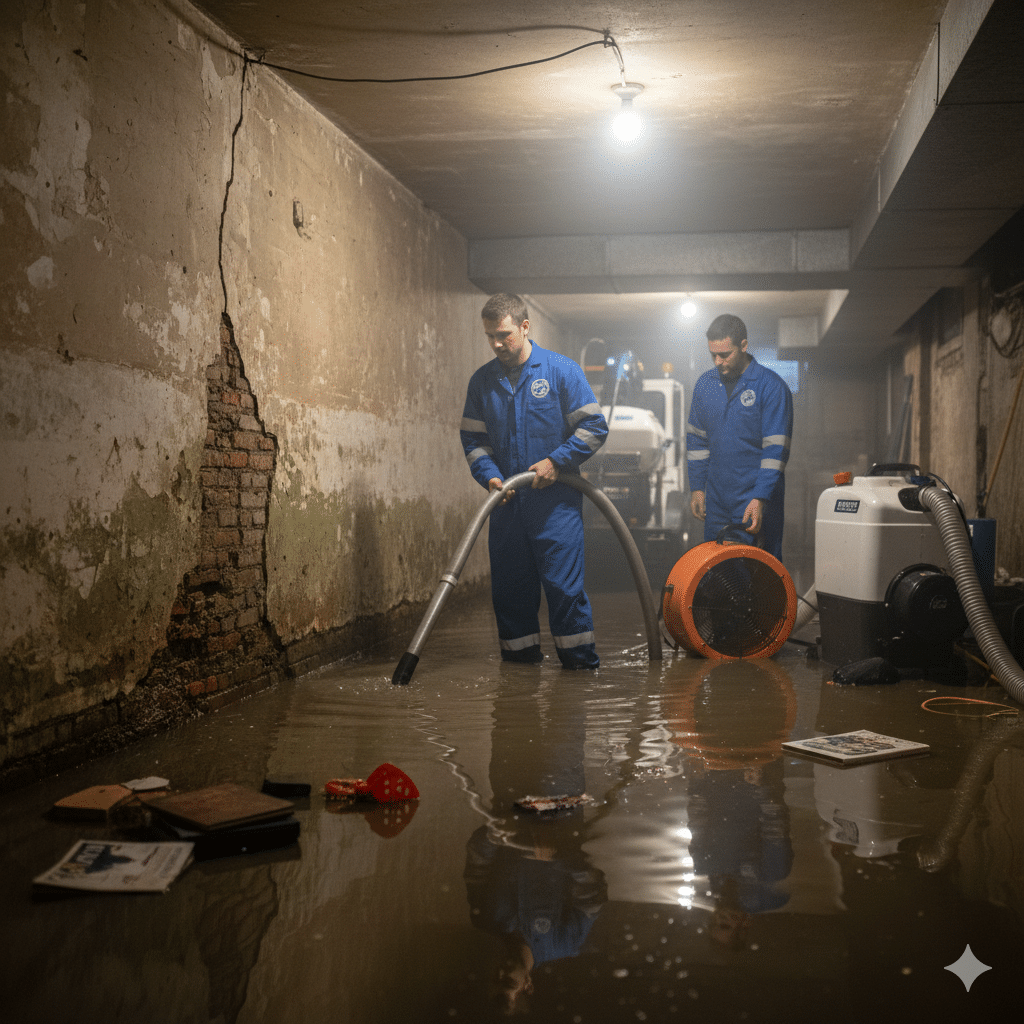
High-powered truck-mounted extractors remove standing water swiftly—up to thousands of gallons from flooded West Loop basements. This prevents further absorption into porous materials like concrete, a critical first step in humid Chicago conditions.

Step 3: Structural Drying and Dehumidification

We deploy industrial air movers and dehumidifiers to circulate air and extract moisture, monitoring psychrometric readings for complete drying. In Hyde Park restorations, this ensures even crawlspaces near the University of Chicago dry thoroughly, avoiding warped floors.

Step 4: Cleaning, Sanitizing, and Belongings Protection

Our team cleans with EPA-approved antimicrobials to kill bacteria, carefully salvaging items by documenting and storing them off-site. For a Pilsen family, we saved heirloom furniture from Category 3 sewage water, minimizing disruption.

Step 5: Structural Repairs and Reconstruction

We repair or replace damaged drywall, flooring, and framing, handling full rebuilds if needed. In River North condos, we’ve rebuilt entire basements post-flood, coordinating subcontractors for electrical and plumbing.

Our single-contact service means one trusted partner from start to finish, with 100% satisfaction guaranteed. We’ve protected belongings in countless Chicago homes, using professional-grade gear to combat mold risks heightened by Lake Michigan humidity.

GEO-Specific Insights: Basement Risks in Key Chicago Neighborhoods

Each Chicago neighborhood presents unique basement water damage challenges. In Logan Square, proximity to the 606 elevated trail means stormwater runoff floods during rains. River North‘s high-rises suffer from shared drainage overload near Merchandise Mart. West Loop warehouses convert to lofts with vulnerable slabs near Fulton Market. Lincoln Park‘s historic homes near the zoo crack from tree roots and freezes. Hyde Park basements near Promontory Point seep from high groundwater. Gold Coast luxury units battle condensation from lake views. South Loop lofts flood from Chicago River surges. Pilsen‘s artistic bungalows see pipe bursts in cold snaps. Uptown‘s diverse buildings near Argyle Street back up from old sewers. Bucktown‘s trendy spots near Holstein Park deal with sump failures. Redefined Restoration customizes solutions for these locales, drawing from local expertise.

Water Damage Restoration

Preventive Measures for Chicago Homeowners

Proactive steps reduce risks: Install and maintain sump pumps with backups, extend downspouts 10 feet from foundations, grade yards properly, seal cracks with hydraulic cement, and clean gutters seasonally—especially leaf-heavy fall in Lincoln Park. Install water alarms and elevate appliances in South Loop basements. Regular inspections by pros like us catch issues early. In flood-prone Uptown, French drains and interior systems provide robust defense.

Why Choose Redefined Restoration for Your Chicago Basement?

As a locally owned firm in Logan Square, Redefined Restoration brings unmatched expertise. Our IICRC certification ensures adherence to gold standards, backed by rapid response, advanced equipment, and insurance coordination. Clients in Hyde Park to River North rave about our thoroughness, from extracting water near Redefined Resto’s Reliable Chicago Basement Water Extraction services to full rebuilds. With transparent pricing and compassionate service, we restore peace of mind.

Frequently Asked Questions

What are the most common causes of basement water damage in Chicago?

In Chicago, basement water damage stems primarily from heavy rainfall overwhelming drainage, foundation cracks from freeze-thaw cycles, sump pump failures during storms, burst pipes in winter, and high water tables near Lake Michigan. Neighborhoods like Logan Square, River North, and Uptown see frequent issues due to aging sewers and clay soils. Hydrostatic pressure forces water through floors after downpours near the Chicago River, while power outages disable pumps in West Loop. Redefined Restoration’s IICRC-certified team assesses these swiftly, using thermal imaging to pinpoint sources. Preventive maintenance like gutter cleaning and downspout extensions is key, but when damage strikes, our 60-90 minute response extracts water fast, preventing mold in humid basements. Homeowners in Hyde Park and Pilsen benefit from our local knowledge of neighborhood-specific risks, ensuring tailored fixes that address root causes for long-term protection. (142 words)

How quickly does Redefined Restoration respond to basement water damage in Chicago?

Redefined Restoration guarantees a 60-90 minute response time for basement water damage emergencies across Chicago, including Logan Square, Lincoln Park, and South Loop—24/7, weekends, and holidays. From our 2924 W Armitage Ave office, we dispatch IICRC-certified techs equipped for immediate extraction. In a recent Bucktown call, we arrived post-storm, removing 500 gallons in hours. Speed is critical as mold grows in 48 hours amid Chicago humidity. We provide free estimates on-site, outlining plans and insurance steps. This rapid action minimizes structural harm in areas like Gold Coast near lakefront moisture. Clients appreciate our single-contact approach, handling everything without delays. Whether near Wrigley Field or Willis Tower, our fleet ensures prompt arrival, restoring normalcy fast. (138 words)

Does Redefined Restoration work with insurance for Chicago basement repairs?

Yes, Redefined Restoration streamlines insurance claims for Chicago basement water damage, coordinating directly with providers from assessment to reconstruction. We document damage meticulously for River North and Hyde Park claims, maximizing approvals. Our experience in West Loop floods ensures paperwork aligns with policies, reducing your hassle. IICRC-certified pros like us know Chicago-specific coverages for sewer backups common in Pilsen. We bill insurers directly, offering free estimates without out-of-pocket surprises. In one Uptown case, we secured full coverage for drying and rebuild. Transparent communication keeps you informed, fostering trust across Chicagoland. From Logan Square to South Loop, we partner as your advocate, ensuring fair settlements and quality restores. (132 words)

Can Redefined Restoration save my belongings after basement flooding in Chicago?

Absolutely, protecting belongings is a priority in our basement water damage process. IICRC-certified techs assess items in Lincoln Park and Bucktown homes, using salvage techniques to pack, document, and store them securely off-site. In a Gold Coast job, we rescued electronics and furniture from Category 2 water. We clean textiles and surfaces with specialized agents, preventing microbial growth in Chicago’s damp climate. For irreplaceables near Hyde Park parks, we prioritize careful handling. Our process minimizes disruption, returning cleaned items post-drying. High success rates stem from prompt response and pro-grade tools, trusted by River North residents. We inventory everything for insurance, ensuring comprehensive recovery. (128 words)

What equipment does Redefined Restoration use for Chicago basement drying?

Redefined Restoration deploys state-of-the-art gear for thorough basement drying in Chicago: truck-mount extractors for rapid water removal, industrial dehumidifiers pulling moisture from humid air near Lake Michigan, powerful air movers for circulation, and infrared cameras for detection. In Logan Square basements, we monitor until under 15% moisture. This prevents warping in Pilsen floors and mold in Uptown walls. Our setup handles large volumes post-storms affecting West Loop. IICRC standards guide usage, ensuring efficiency. Clients in South Loop see results in days, not weeks. Combined with antimicrobials, this restores safety swiftly across neighborhoods. (124 words)

Is Redefined Restoration certified for basement water damage in Chicago?

Yes, our entire team holds IICRC certification, the gold standard for water damage restoration, ensuring expertise in Chicago basements from River North to Hyde Park. This covers extraction, drying, and antimicrobial treatments tailored to local mold risks. Years of serving Logan Square and Bucktown refine our skills for freeze-thaw cracks and sewer issues. Certification means adherence to psychrometrics and safety protocols, vital near Lincoln Park‘s dense housing. We stay updated on Chicago codes, delivering authoritative service. Homeowners trust our credentials for complex jobs like Gold Coast rebuilds, guaranteeing quality and compliance. (118 words)

How much does basement water damage repair cost in Chicago?

Costs for Chicago basement water damage repair vary by extent: minor extractions start at $1,500, full rebuilds reach $20,000+, depending on size and damage in areas like West Loop. Redefined Restoration offers free estimates, factoring square footage, water category, and materials. Insurance often covers most in South Loop floods. Our transparent pricing avoids surprises, with direct billing. In Pilsen, a typical sump failure job ran $3,500 including drying. We optimize efficiency to control costs while ensuring thoroughness. Factors like Uptown access or Hyde Park antiquity influence quotes. Call for personalized assessment. (112 words)

How long does it take to repair basement water damage in Chicago?

Timeline for basement water damage repair in Chicago spans 3-7 days for drying and mitigation, up to weeks for reconstruction. Extraction is same-day; drying takes 3-5 days in Logan Square humidity, monitored precisely. Repairs follow, faster in River North open spaces. Our 24/7 start speeds recovery. A Bucktown project finished in 4 days total. Complex Hyde Park jobs with framing extend to 2 weeks. We coordinate for minimal disruption, updating throughout. Weather in Chicago affects drying, but our equipment excels. Full restore returns usability quickly. (108 words)

What should I do immediately after discovering water in my Chicago basement?

First, ensure safety by avoiding electrical hazards in your Chicago basement. Shut off water if possible, document damage with photos for insurance, then call Redefined Restoration at (872) 274-4702 for 60-90 minute response. Don’t drain sump to avoid collapse in West Loop. Remove valuables carefully. In Lincoln Park, ventilate if safe. Our team handles extraction and assessment promptly, preventing mold near Lake Michigan. Acting fast in Pilsen saves thousands. Notify insurance immediately—we guide claims. Professional intervention is crucial over DIY in humid conditions. (102 words)

Does Redefined Restoration handle mold after basement water damage in Chicago?

Yes, we address mold prevention and remediation post-basement water damage in Chicago. Antimicrobials during drying stop growth in Uptown basements. If present, IICRC protocols contain, remove, and restore affected areas in Gold Coast homes. Chicago humidity demands this; we’ve eradicated infestations in South Loop quickly. Full containment protects health, especially families near Hyde Park schools. Our gear includes HEPA vacuums and foggers. Combined with drying, it ensures safe, mold-free spaces. Trust us for comprehensive care across neighborhoods. (98 words)

Conclusion: Protect Your Chicago Home Today

Basement water damage in Chicago demands swift, expert action to safeguard your investment amid local weather woes. Redefined Restoration’s proven process, from rapid response to full reconstruction, has restored countless homes in Logan Square, River North, and beyond. Contact us for peace of mind—your trusted partner in Chicagoland recovery.