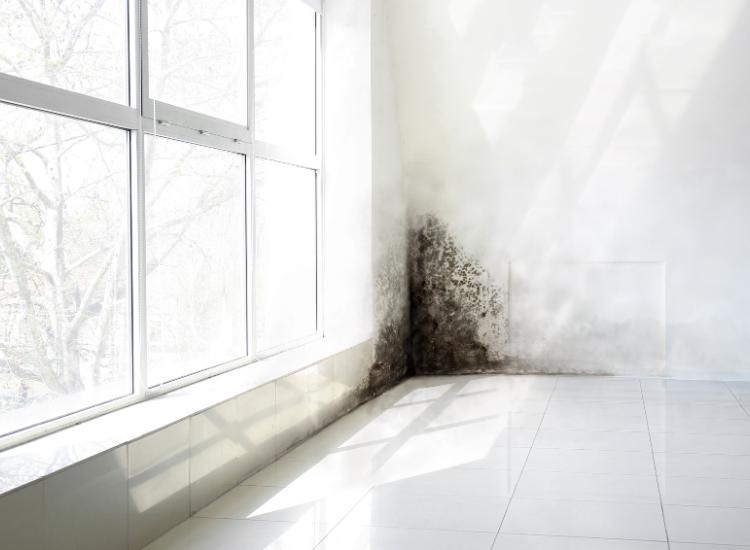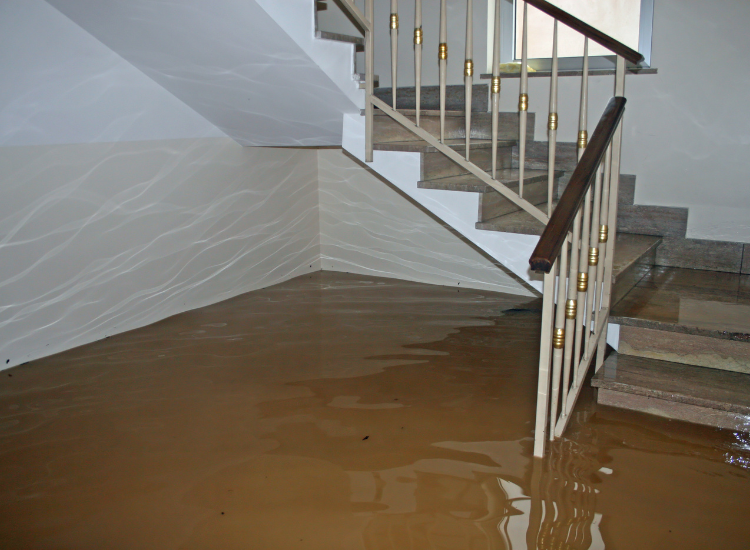
The musty odor in your flooded basement comes from mold and mildew growth that begins within 24-48 hours when moisture saturates porous materials like drywall, carpet padding, wooden studs, and stored belongings. These microorganisms release microbial volatile organic compounds (MVOCs) as they digest organic matter, creating that distinctive damp, earthy smell. Eliminating the odor requires more than air fresheners—you need to remove the moisture source, dry all affected materials thoroughly, and in many cases, remove contaminated porous items that cannot be fully salvaged.
Why Flooded Basements Develop Musty Odors So Quickly
When flooding strikes your Chicago-area home—whether from spring storms overwhelming your sump pump, a burst pipe during a polar vortex cold snap, or sewer backup during heavy rains—water immediately begins soaking into everything it touches. Basements in classic Chicago bungalows, vintage two-flats in Lincoln Park and Logan Square, and suburban ranch homes throughout Naperville, Schaumburg, and Arlington Heights often feature finished spaces with carpeting, drywall, and wood framing that act like sponges.
Mold spores exist everywhere in our environment, dormant until they find the perfect conditions: moisture, organic material to feed on, and temperatures between 60-80°F. Your flooded basement provides all three. Within the first day, spores begin germinating on wet surfaces. Within 48 hours, visible mold colonies start forming, and those musty odors become noticeable as the fungi release gaseous byproducts.
The smell intensifies because basements naturally have poor air circulation compared to upper floors. In older Chicago-area homes with stone or concrete foundations, moisture can also wick through walls from the surrounding soil, creating ongoing dampness even after standing water is removed.
Hidden Sources Making the Smell Persist
Many homeowners throughout Evanston, Oak Park, Elmhurst, and surrounding Cook and DuPage County communities remove visible water and still battle persistent musty odors weeks later. That’s because moisture hides in places you can’t easily see or reach:
Behind and inside walls: Water travels through wall cavities, saturating insulation and the back side of drywall. The front surface may feel dry while mold grows unseen inside the wall assembly.
Carpet and padding: Even if carpet surface feels dry, padding underneath retains moisture for weeks, becoming a perfect mold breeding ground.
Wooden floor joists and subfloors: In finished basements, water seeps between flooring and subflooring, trapped where air can’t reach to dry it.
HVAC ductwork: If your basement has forced air systems, moisture enters ducts and spreads mold spores throughout your home every time the system runs.
Stored belongings: Boxes, furniture, clothing, and papers absorb water and continue releasing musty odors as mold develops.
Professional Assessment Is Critical
Before you can eliminate basement odors permanently, you need to understand the full extent of moisture penetration. Professional restoration specialists use thermal imaging cameras and moisture meters to detect hidden water that’s invisible to the naked eye. This technology reveals exactly which materials need drying and which have absorbed too much water to save.
At Redefined Restoration, we’ve helped countless homeowners in Downers Grove, Orland Park, Tinley Park, and throughout Will and Kane Counties address basement flooding, and we know that Chicago’s humid summers make mold problems especially aggressive once they start.
Effective Remediation Steps
Immediate water extraction: Industrial pumps and wet vacuums remove standing water quickly, minimizing absorption into materials.
Structural drying: Commercial-grade dehumidifiers and air movers create conditions that pull moisture from materials over several days. This isn’t a job for a household dehumidifier—professional equipment moves substantially more air and removes far more moisture.
Material removal: Saturated drywall, insulation, carpeting, and padding typically cannot be saved and must be removed to eliminate odor sources and prevent health hazards.
Antimicrobial treatment: After drying, affected areas receive treatment to kill remaining mold spores and prevent regrowth.
Air scrubbing: HEPA filtration systems remove airborne mold spores that contribute to odors and health concerns.
Don’t Mask the Problem
Painting over stained walls, using odor-masking sprays, or simply hoping the smell fades won’t work. Mold continues growing behind surfaces, worsening the problem and potentially creating serious health risks for your family, especially those with allergies, asthma, or compromised immune systems.
Get Professional Help for Your Flooded Basement
If your basement in Chicago, Lakeview, Hyde Park, Beverly, or any surrounding Chicagoland community smells musty after flooding, don’t wait for the problem to worsen. Redefined Restoration provides comprehensive water damage restoration and mold remediation services throughout the area. Our certified technicians respond quickly, assess damage thoroughly, and restore your home to safe, odor-free conditions. Contact us today at https://redefinedresto.com for a professional assessment and fast, effective restoration that eliminates musty odors at their source.