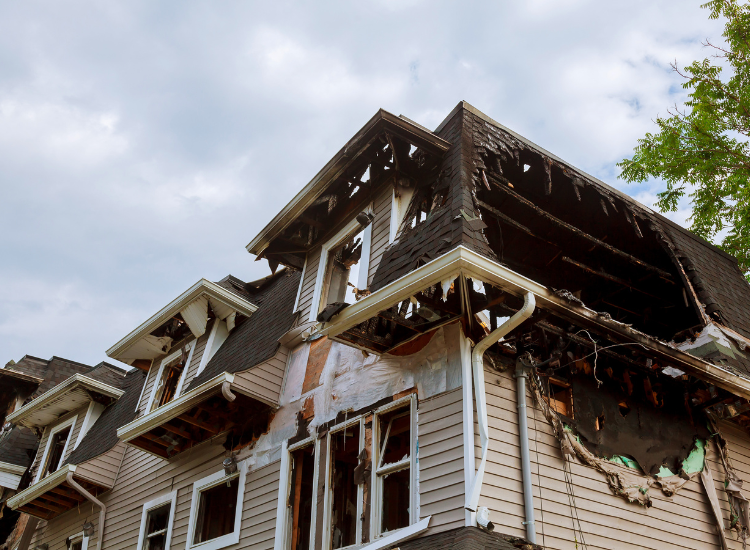
Yes, fire damage extends far beyond the room where flames occurred. Smoke particles, soot residue, and corrosive byproducts travel through HVAC systems, doorways, and even tiny gaps in walls, affecting every corner of your home. Within hours, acidic soot begins etching glass, tarnishing metals, and discoloring walls in rooms that never saw flames, causing damage that worsens significantly if not addressed immediately.
How Fire Damage Spreads Throughout Your Home
When fire strikes a Chicago home—whether it’s a historic Logan Square greystone or a ranch in Naperville—the visible flames tell only part of the story. The invisible threat of smoke and soot migration can affect your entire property, including finished basements, upper floors, and rooms separated by multiple walls from the fire source.
Smoke behaves like a gas, seeking every available pathway through your home. It travels through HVAC ductwork, plumbing chases, electrical conduit openings, and the spaces between walls. In Chicago’s classic two-flats and bungalows with interconnected living spaces, smoke can move between units through shared walls and ventilation systems. Modern open-concept homes in communities like Elmhurst and Downers Grove allow even faster smoke distribution throughout living spaces.
The temperature differences in your home create air pressure variations that pull smoke into unexpected areas. Warm air rises, carrying smoke particles to upper floors and attics. Cold air returns pull contaminated air into HVAC systems, which then distribute it throughout your home every time the furnace or air conditioner cycles on.
The Progressive Nature of Smoke and Soot Damage
Understanding the timeline of fire damage helps explain why immediate professional restoration is critical:
Within Minutes: Smoke discolors porous materials like walls, upholstery, and curtains. Plastic surfaces begin yellowing. The acidic nature of smoke starts its corrosive work on metal fixtures.
Within Hours: Soot residue becomes more difficult to remove as it bonds with surfaces. Metal items—including appliances in your kitchen far from the fire—begin tarnishing and may develop permanent discoloration. Grout in bathrooms several rooms away starts yellowing.
Within Days: Painted walls and finished wood surfaces discolor permanently. Clothing and fabrics develop pervasive odors that regular washing cannot remove. The acidic compounds in soot begin etching glass surfaces, including windows and mirrors throughout your home.
Within Weeks: Metal corrosion accelerates, potentially causing permanent damage to appliances, electronics, and fixtures. Synthetic materials and finishes deteriorate. The restoration process becomes significantly more expensive as secondary damage compounds.
Common Areas Affected by Secondary Fire Damage
HVAC Systems and Ductwork
Your heating and cooling system acts as a distribution network for smoke particles. In Chicago’s climate, where we rely heavily on heating from December through February and air conditioning during humid summers, HVAC systems run frequently. One cycle can contaminate every room connected to your ductwork. Professional duct cleaning and filter replacement become essential components of fire restoration.
Finished Basements
Many Oak Park, Evanston, and Arlington Heights homes feature finished basements that serve as family rooms or rental units. Smoke naturally sinks into these lower levels, where it becomes trapped. The same factors that make basements vulnerable to flooding during spring thaw—limited air circulation and below-grade construction—also cause them to retain smoke odors and particulates long after a fire.
Clothing and Textiles
Fabrics absorb smoke particles like sponges. Clothing in closets, linens in hallway cabinets, and upholstered furniture several rooms from the fire source all require specialized cleaning. Standard washing often sets smoke odors permanently into fabrics through heat exposure.
Electronics and Appliances
Acidic soot particles infiltrate electronic devices, corroding circuit boards and internal components. Computers, televisions, and kitchen appliances in rooms that never saw flames may experience gradual failure due to internal corrosion unless properly cleaned by restoration professionals.
Why Professional Assessment Matters
After a fire in your Schaumburg, Tinley Park, or Orland Park home, you need comprehensive evaluation extending beyond obvious damage. Professional restoration teams use thermal imaging, moisture meters, and air quality testing to identify hidden contamination. They assess HVAC systems, inspect wall cavities, and test for chemical residues that homeowners cannot detect.
Chicago’s older housing stock presents unique challenges. Historic bungalows and vintage homes throughout Hyde Park and Beverly feature plaster walls, hardwood floors, and architectural details that require specialized cleaning techniques. Modern homes in newer developments face different issues, including complex HVAC zoning and synthetic building materials that react differently to smoke exposure.
Take Action Now to Protect Your Property
Fire damage worsens every hour. What starts as cleanable soot becomes permanent etching. Salvageable belongings become total losses. The longer you wait, the more extensive—and expensive—restoration becomes.
Redefined Restoration serves Chicago and throughout Cook, DuPage, Lake, Will, and Kane Counties with 24/7 emergency response. Our certified technicians understand how fire damage spreads through Chicagoland homes and have the equipment and expertise to address both visible destruction and hidden contamination. We work directly with insurance companies to streamline your claims process during this stressful time.
Don’t let secondary fire damage destroy rooms that survived the flames. Contact Redefined Restoration at https://redefinedresto.com for immediate assessment and comprehensive restoration services that address your entire home, not just the fire scene.