Immediately contact an emergency restoration service like Redefined Restoration to extract standing water and begin professional drying. While waiting for help, move valuables to higher ground, document the damage with photos, and if safe, attempt to remove water using a wet/dry vacuum or buckets. Avoid contact with the water if it may contain sewage, and never enter a flooded basement if electrical outlets or appliances are submerged. Once the immediate crisis is handled, have a battery backup system or water-powered backup pump installed to prevent future failures during power outages.
Understanding Sump Pump Failure During Storms
Sump pump failures during severe weather are among the most common emergency calls we receive at Redefined Restoration throughout Chicago and the surrounding Chicagoland communities. When heavy spring rains overwhelm drainage systems or summer thunderstorms knock out power across Cook, DuPage, Lake, Will, and Kane Counties, your sump pump becomes your basement’s only defense against flooding. Unfortunately, these critical moments are precisely when pumps are most likely to fail—either from mechanical breakdown due to overwork or from power outages that leave them completely inoperable.
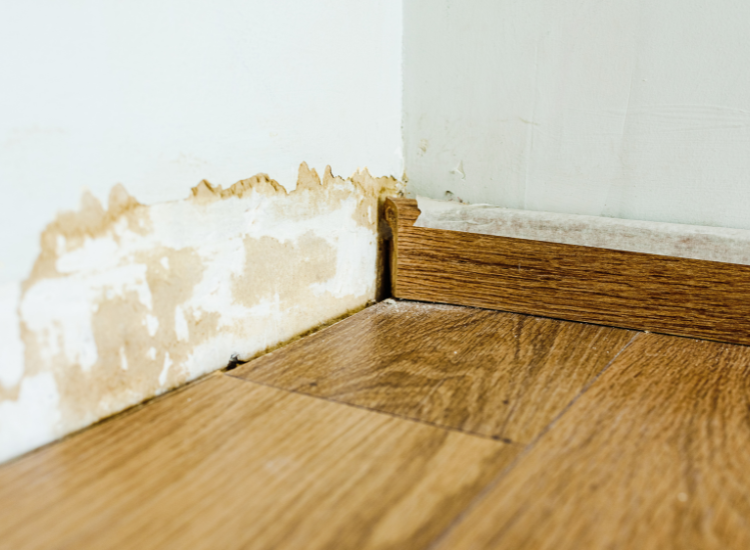
The consequences can be devastating. Within hours, a failed sump pump can allow hundreds or even thousands of gallons of water to flood your basement, damaging finished living spaces, destroying personal belongings, ruining HVAC systems, and creating conditions perfect for mold growth in Chicago’s humid climate.
Immediate Actions to Take
Ensure Safety First
Before entering your basement, assess the situation carefully. If you see water near electrical outlets, your circuit breaker panel, or appliances like furnaces and water heaters, do not enter. Standing water and electricity create lethal conditions. Call a professional immediately and stay out until they arrive. If you smell gas or suspect a gas leak, evacuate your home and call your utility company and 911.
Contact Emergency Restoration Services
Time is critical when dealing with water damage. Contact Redefined Restoration or another certified restoration company serving your area—whether you’re in Lincoln Park, Naperville, Evanston, Schaumburg, or any surrounding community. Professional crews have industrial-grade extraction equipment, commercial dehumidifiers, and air movers that can remove water and begin the drying process far more effectively than household equipment. We offer 24/7 emergency response because we know disasters don’t wait for business hours.
Document Everything
While waiting for professional help, document the damage thoroughly with photos and videos. Capture water levels, damaged belongings, and affected areas. This documentation is essential for insurance claims. Note the time the flooding started if possible and keep records of all communications with restoration companies and your insurance provider.
Begin Water Removal If Safe
If it’s safe to enter your basement, start removing water immediately. Use a wet/dry vacuum, buckets, or towels—any removal helps limit damage. Move furniture, boxes, and valuables to higher ground or out of the basement entirely. Remove soaked carpeting, padding, and any wet materials that can’t be salvaged. The faster you remove standing water, the better your chances of preventing permanent damage and mold growth.
Why Sump Pumps Fail During Storms
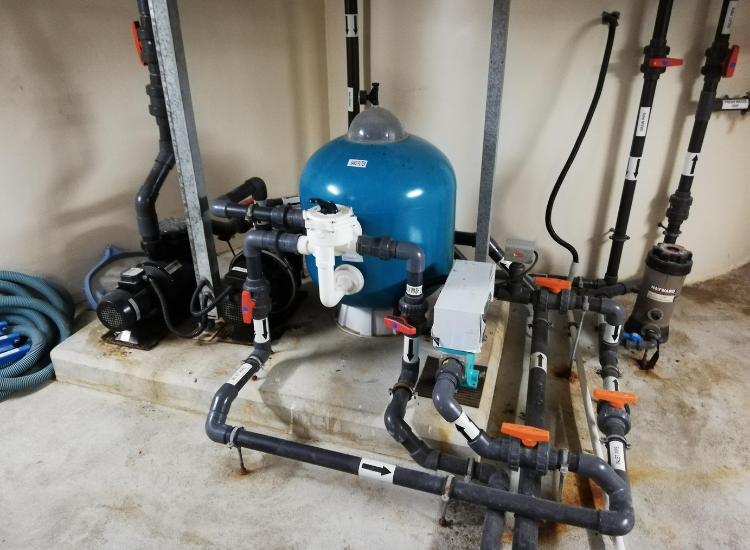
Understanding common failure points helps you prevent future emergencies. Power outages during severe weather are the leading cause—your electric sump pump simply stops working when the power goes out, often right when you need it most. Mechanical failures from overwork during extended heavy rain events are another common culprit, especially in Chicago’s intense spring storms and flash flooding situations.
Switch failures, clogged discharge lines from debris, and overwhelmed capacity during extreme weather can also cause problems. In older Chicago bungalows, two-flats, and vintage homes throughout Oak Park, Elmhurst, and similar communities, aging sump pump systems may not meet current water management needs.
Preventing Future Sump Pump Failures
Install Battery Backup Systems
A battery backup sump pump provides automatic protection when power fails. These systems activate instantly when your primary pump stops working, continuing to protect your basement throughout extended outages common during severe Chicagoland weather events.
Consider Water-Powered Backup Pumps
Water-powered backup pumps use your home’s water pressure to operate, requiring no electricity or batteries. They’re incredibly reliable during power outages and require minimal maintenance, making them ideal for the freeze-thaw cycles and storm patterns we experience throughout the Chicago area.
Regular Maintenance and Testing
Test your sump pump quarterly by pouring water into the pit until it activates. Clean the inlet screen, check the discharge line for blockages, and ensure the float moves freely. Annual professional inspections can catch problems before they become emergencies.
Upgrade Aging Systems
If your sump pump is over seven years old or struggles during heavy rain, consider replacement before failure occurs. Modern pumps offer greater capacity and reliability—essential for protecting finished basements in Arlington Heights, Downers Grove, Orland Park, Tinley Park, and throughout the region.
Call Redefined Restoration for Expert Help
When sump pump failure threatens your home, Redefined Restoration provides fast, professional water damage restoration services throughout Chicago and all surrounding Chicagoland communities. Our certified technicians respond 24/7 with advanced equipment and expertise to extract water, dry your property, and restore your peace of mind. Don’t let a sump pump failure turn into a catastrophic loss—contact Redefined Restoration at https://redefinedresto.com or call us immediately when water threatens your home. We’re here to help Chicago-area homeowners when they need us most.