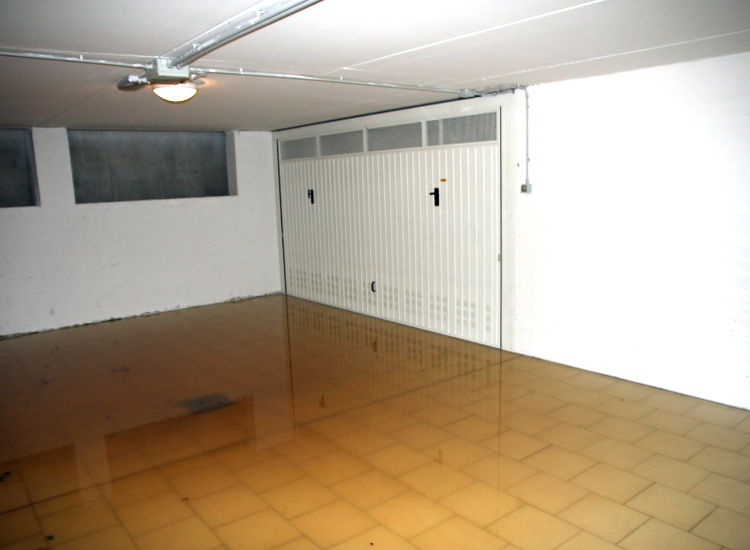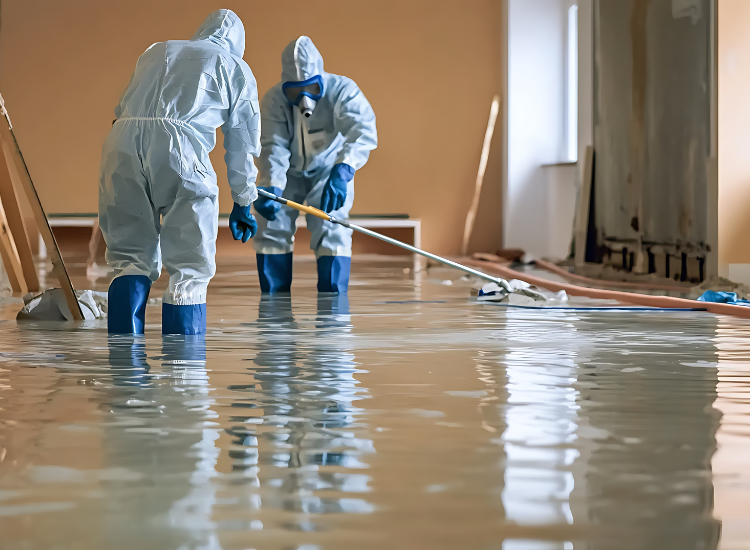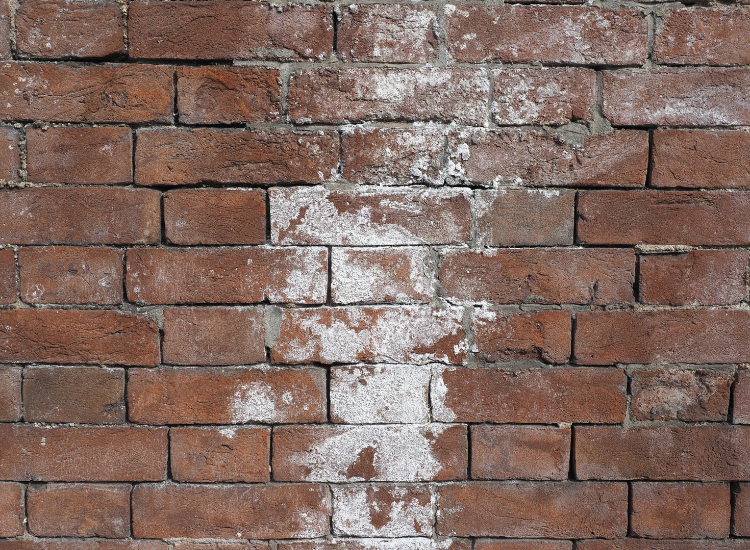
Efflorescence is the white, chalky, or crystalline deposit that appears on basement walls when water seeps through concrete or masonry, carrying dissolved salts to the surface. As the water evaporates, it leaves behind these mineral deposits, creating a powdery or crusty residue. While efflorescence itself is harmless, it’s a clear warning sign of moisture intrusion that needs immediate attention to prevent more serious water damage, mold growth, and structural issues in your Chicago-area home.
Understanding the Science Behind Efflorescence
Efflorescence occurs through a straightforward chemical process. Water penetrating your basement walls dissolves salts naturally present in concrete, mortar, brick, or the surrounding soil. As this moisture-laden water moves through the porous masonry and reaches the surface, it evaporates into your basement air. The dissolved minerals—primarily calcium carbonate, sodium sulfate, and potassium sulfate—cannot evaporate and are left behind as visible white deposits.
This process requires three elements: water-soluble salts in the masonry, moisture to dissolve and transport those salts, and evaporation to deposit the minerals on the surface. The presence of efflorescence always indicates active moisture movement through your walls, making it an important early warning system for homeowners throughout Cook, DuPage, Lake, Will, and Kane County communities.
Primary Causes of Basement Wall Efflorescence in Chicagoland Homes
Exterior Water Pressure and Poor Drainage
Chicago’s heavy spring rains and summer thunderstorms create significant hydrostatic pressure against foundation walls. When gutters overflow, downspouts discharge too close to the foundation, or yard grading slopes toward your home, water accumulates around your basement walls. This standing water finds its way through tiny cracks and pores in the concrete, carrying salts along for the journey.
Historic Chicago bungalows and classic greystones built before modern waterproofing standards are particularly vulnerable. Many older homes in Lincoln Park, Hyde Park, Oak Park, and Evanston lack proper exterior drainage systems, making efflorescence a common issue during our wet spring months from March through May.
Freeze-Thaw Damage and Foundation Cracks
Chicago’s brutal freeze-thaw cycles create and expand foundation cracks each winter. When water enters concrete during our milder fall days, then freezes during sub-zero polar vortex events in January and February, it expands with tremendous force. This process creates new pathways for water infiltration and widens existing cracks.
Homes in Naperville, Schaumburg, Arlington Heights, and other suburban communities with seasonal temperature extremes experience particularly aggressive freeze-thaw damage. Each cycle increases porosity in the concrete, allowing more water—and more dissolved salts—to migrate through your basement walls.
High Water Table and Seasonal Groundwater
Many Chicagoland neighborhoods sit in areas with naturally high water tables, especially communities near Lake Michigan like Lakeview, Evanston, and areas along the lakefront. During heavy spring rainfall, the water table rises, pushing moisture through basement walls from below and along the sides.
Finished basements in mid-century ranch homes throughout Elmhurst, Downers Grove, and Orland Park face particular challenges when groundwater levels rise. The constant moisture pressure creates persistent efflorescence that returns even after cleaning if the underlying water issue isn’t addressed.
Capillary Action in Concrete
Concrete acts like a sponge through microscopic pores and capillaries. Even when there isn’t obvious water infiltration, these tiny channels can wick moisture from damp soil through your basement walls. This capillary action is particularly active in Chicago’s humid summer months from June through August when soil moisture levels remain high.
Two-flats and greystones in Logan Square, Wicker Park, and Beverly often show efflorescence near floor-wall joints where capillary action is strongest. The constant upward moisture movement brings a steady supply of salts to the surface.
Why You Shouldn’t Ignore Efflorescence
While the white deposits themselves won’t harm your basement, they signal ongoing moisture problems that can lead to serious issues. Persistent water infiltration promotes mold growth in Chicago’s humid climate, deteriorates concrete and mortar over time, damages finished basement spaces, ruins stored belongings, and creates musty odors. The moisture conditions that cause efflorescence also attract termites and other pests that thrive in damp environments.
Professional Solutions for Chicagoland Basements
Addressing efflorescence requires fixing the underlying moisture problem, not just cleaning the deposits. Professional waterproofing solutions include exterior excavation and waterproofing membrane installation, interior French drain and sump pump systems, crack injection and foundation repair, proper grading and drainage improvements, and dehumidification for ongoing moisture control.
At Redefined Restoration, we understand the unique challenges Chicago-area homes face, from winter freeze damage to spring flooding. Our team serves homeowners throughout Tinley Park, and all surrounding Chicagoland communities with comprehensive moisture assessments and permanent waterproofing solutions.
Take Action to Protect Your Home
Don’t wait for efflorescence to turn into a major water damage emergency. Our experienced restoration specialists will identify the source of your moisture intrusion and implement lasting solutions tailored to your home’s specific needs and Chicago’s demanding climate.
Contact Redefined Restoration today at https://redefinedresto.com for a professional basement moisture assessment. We provide 24/7 emergency service throughout the Chicago area and work directly with insurance companies to make the restoration process as smooth as possible.