Severe storm damage requires immediate attention when you notice active water intrusion, holes in your roof, broken windows, downed power lines, structural instability, or standing water inside your home. In Chicagoland’s unpredictable climate—where spring and summer storms can bring damaging winds, hail, and flash flooding—quick action prevents minor damage from escalating into costly restoration projects. Contact a professional restoration company within the first 24-48 hours to assess damage, secure your property, and begin mitigation efforts that protect your home and belongings.
Critical Storm Damage Signs That Demand Immediate Response
Chicago-area homeowners face unique weather challenges throughout the year. From powerful summer thunderstorms that sweep across Lake Michigan to severe spring weather systems that spawn tornadoes in surrounding communities, knowing when storm damage crosses from manageable to emergency status can save you thousands of dollars and protect your family’s safety.
Active Water Intrusion
Any situation where water is actively entering your home requires immediate professional intervention. This includes water pouring through ceiling damage, streaming through broken windows, or flooding through compromised exterior walls. Water damage accelerates exponentially with time—what starts as a small leak can saturate insulation, drywall, and structural components within hours.
In neighborhoods throughout Chicago, Evanston, Oak Park, and Naperville, historic homes with aging roofing systems are particularly vulnerable. Chicago bungalows and classic greystones may have hidden vulnerabilities in their century-old construction that allow water to travel through walls and settle in unexpected locations.
Roof Compromise and Structural Exposure
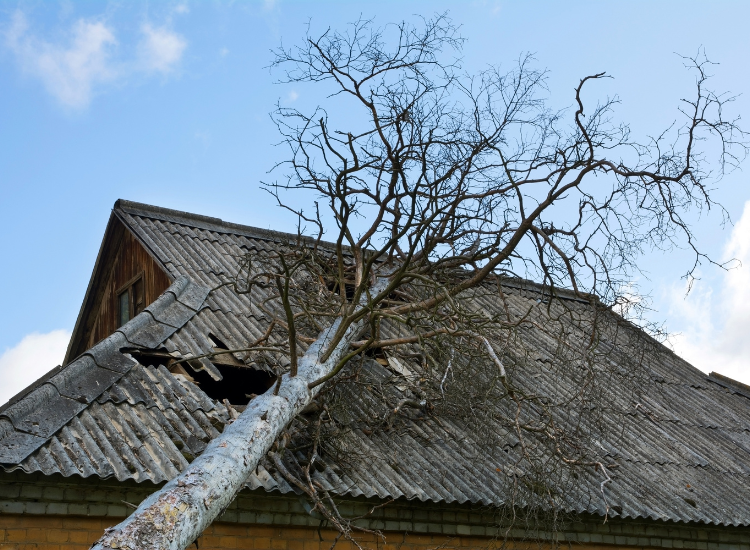
Missing shingles, visible holes, or sagging sections of your roof constitute emergencies. Exposed roof decking allows rain to saturate attic insulation and ceiling materials, creating ideal conditions for mold growth in Chicago’s humid summers. Even a small opening can channel water into wall cavities where damage remains invisible until it becomes severe.
High winds during severe thunderstorms frequently tear sections of roofing from homes across Arlington Heights, Schaumburg, and other suburban communities. If you can see daylight through your roof from inside your attic, or if neighbors report visible damage to your roof structure, immediate temporary repairs and tarping are essential.
Broken Windows and Door Damage
Shattered windows from hail or wind-blown debris create security concerns and allow continued weather exposure. In communities like Elmhurst, Downers Grove, and Orland Park, summer storms can produce golf-ball-sized hail that destroys windows and skylights. Broken glass also presents safety hazards, especially in homes with children or pets.
Damaged exterior doors that won’t close properly leave your home vulnerable to weather, pest intrusion, and security breaches. Emergency board-up services protect your property while permanent repairs are arranged. Find a trusted window and door replacement company to assist with damage assessment and repairs.
Foundation Cracks and Structural Movement
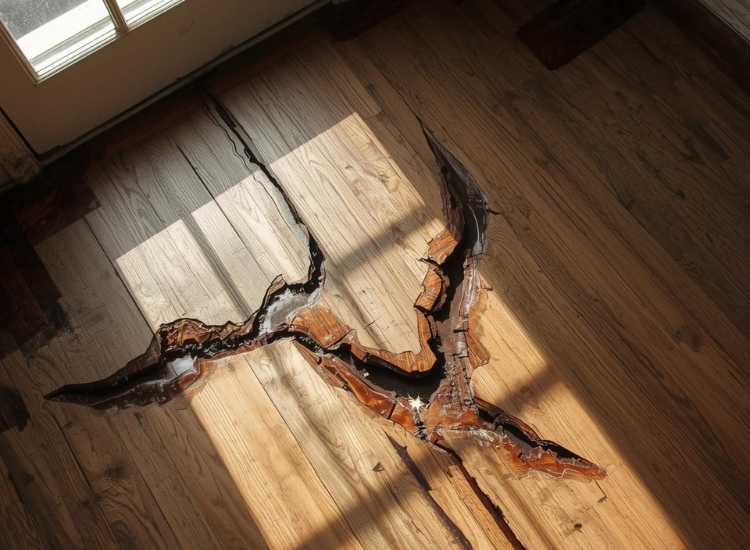
Storm-related flooding can undermine foundation stability, particularly in areas with clay-rich soil common throughout Cook, DuPage, and Will Counties. If you notice new cracks in foundation walls, doors that suddenly stick or won’t close, or visible shifting in your home’s structure, evacuate if necessary and contact structural specialists immediately.
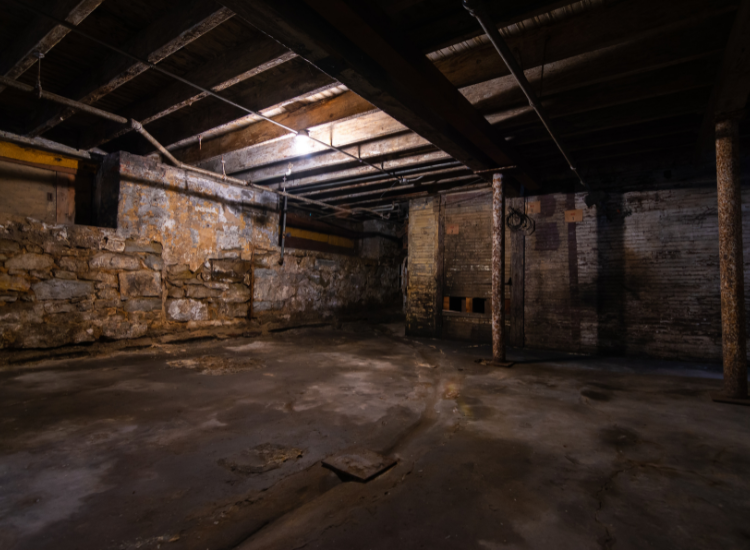
Basement flooding from storm surges or overwhelmed drainage systems threatens the structural integrity of homes throughout Lakeview, Lincoln Park, and Hyde Park, where many properties feature finished basements below Chicago’s water table.
Storm Damage That Requires Prompt (But Not Immediate) Attention
Some storm damage, while serious, allows for slightly more flexibility in response timing—though you should still act within 24-72 hours.
Minor Roof Damage
A few missing shingles without visible water intrusion should be addressed quickly but don’t constitute a same-day emergency. However, don’t delay repairs beyond a few days, especially with Chicago’s unpredictable weather patterns. The next storm system could turn minor damage into a major crisis.
Siding and Exterior Damage
Dented or torn siding, damaged gutters, and exterior trim issues require timely repairs to prevent water infiltration behind your home’s envelope. While not immediately catastrophic, ignoring these issues invites moisture problems that lead to rot, mold, and insect infestation.
Yard and Landscaping Damage
Downed tree limbs that don’t threaten structures, damaged fencing, and landscaping debris should be cleared promptly but typically don’t require emergency response unless they block safe egress or pose safety hazards.
Taking Action: Your Storm Damage Response Plan
The moment you identify emergency storm damage, prioritize safety first. Never enter structurally compromised areas, avoid standing water that may be electrically charged, and stay clear of downed power lines.
Document all damage with photographs and videos before making temporary repairs. Contact your insurance company to report the claim, but don’t wait for adjuster approval before securing your property—most policies require you to mitigate further damage.
Professional Storm Damage Assessment and Restoration
Redefined Restoration provides 24/7 emergency response throughout Chicago and surrounding Chicagoland communities including Tinley Park, Logan Square, Wicker Park, Beverly, and across Lake and Kane Counties. Our certified technicians assess storm damage, provide emergency mitigation services, and develop comprehensive restoration plans that return your home to pre-loss condition.
Don’t gamble with your home’s integrity or your family’s safety. Contact Redefined Restoration at https://redefinedresto.com for immediate storm damage assessment and professional restoration services you can trust.