
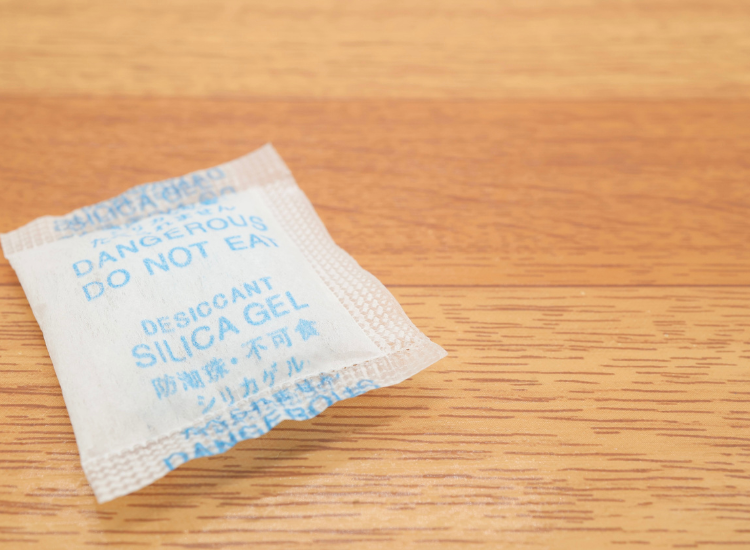
Desiccant dehumidification is a moisture removal process that uses specialized materials—called desiccants—to absorb water vapor directly from the air without relying on refrigeration or condensation. Unlike traditional compressor-based dehumidifiers that struggle in cold temperatures, desiccant systems work effectively in nearly any environment, making them invaluable for water damage restoration, especially during Chicago’s brutal winter months when burst pipes and flooding occur in unheated or partially heated spaces.
How Desiccant Dehumidification Works
Desiccant dehumidifiers operate on a fundamentally different principle than the standard units you might use in your Naperville basement during humid summer months. These specialized systems contain a desiccant material—typically silica gel or a molecular sieve—mounted on a slowly rotating wheel or packed into exchangeable cartridges.
As humid air passes through the desiccant material, moisture molecules adhere to its surface through adsorption (not absorption), effectively removing water vapor from the air. The now-dry air continues into your space, while the saturated desiccant material rotates into a regeneration zone where heated air strips away the collected moisture, venting it outside or into a separate area. This continuous cycle allows the system to operate indefinitely without filling up like a bucket-style dehumidifier.
The key advantage? Desiccant systems maintain peak efficiency even when temperatures drop below 65°F—conditions where conventional refrigerant dehumidifiers lose effectiveness or stop working entirely. This makes them essential equipment during Chicago’s winter water damage emergencies.
When Desiccant Dehumidification Becomes Essential
Cold-Weather Water Damage Restoration
When a pipe bursts in an unheated Lincoln Park greystone during a January polar vortex event, the affected areas often remain cold even after emergency water extraction. Standard dehumidifiers would struggle or fail completely in these conditions, but desiccant units continue working efficiently, preventing secondary damage like mold growth and structural deterioration.
This capability proves critical throughout Cook, DuPage, Lake, Will, and Kane County communities during December through February, when freeze-related water damage peaks and restoration must proceed despite low temperatures.
Low-Humidity Requirements
Certain restoration scenarios demand extremely low humidity levels that refrigerant dehumidifiers simply cannot achieve. Desiccant systems can reduce relative humidity below 40%—sometimes as low as 10%—which accelerates drying of hardwood floors, prevents mold growth in wall cavities, and protects sensitive materials during content restoration.
Confined Space Drying
The compact, flexible ducting options of desiccant dehumidifiers make them ideal for drying crawl spaces in Oak Park bungalows, finished basements in Elmhurst ranch homes, or individual rooms in Evanston two-flats where targeted moisture removal is needed without disrupting the entire property.
Desiccant vs. Refrigerant Dehumidification: Making the Right Choice
Understanding the difference helps homeowners recognize why restoration professionals like Redefined Restoration select specific equipment for your situation.
Refrigerant dehumidifiers work like air conditioners, cooling air until moisture condenses and drips into a collection tank. They’re energy-efficient and cost-effective for warm environments above 65°F—perfect for summer basement humidity in Schaumburg or addressing moisture issues after spring flooding in Downers Grove when outdoor temperatures have warmed.
Desiccant dehumidifiers excel in cold conditions, achieve lower humidity levels, and work effectively in smaller spaces. However, they typically consume more energy and produce heat as a byproduct of the regeneration process—though this heat generation can actually be beneficial during winter restoration projects.
Professional restoration companies maintain both types of equipment, deploying the appropriate technology based on your specific situation, season, and restoration goals.
Applications Beyond Emergency Restoration
While desiccant dehumidification shines during water damage emergencies, these systems also serve important preventive and specialized functions:
- Mold remediation projects requiring humidity levels below 50% to prevent spore growth
- Document and electronics drying after water damage affecting home offices
- Seasonal basement moisture control in older Arlington Heights and Tinley Park homes with chronic dampness issues
- Post-fire restoration where water from firefighting efforts must be removed from cold or damaged structures
- Ice dam prevention by maintaining proper humidity levels in attic spaces during winter
The Professional Advantage
Effective desiccant dehumidification requires more than just equipment—it demands expertise in psychrometrics (the science of air and moisture), proper equipment sizing, strategic placement, and continuous monitoring. Undersized equipment extends drying time and increases secondary damage risk, while oversized systems waste energy without improving results.
Certified restoration technicians use moisture meters, thermal imaging, and humidity sensors to document conditions, calculate the appropriate desiccant capacity, position equipment for optimal airflow, and verify complete drying before closing up walls or declaring restoration complete.
Contact Redefined Restoration for Expert Water Damage Solutions
Whether you’re facing a winter pipe burst emergency, dealing with spring basement flooding, or addressing chronic moisture problems in your Chicagoland home, Redefined Restoration brings professional-grade desiccant dehumidification and comprehensive water damage restoration expertise to every project. Our 24/7 emergency response team serves Chicago and all surrounding communities with the specialized equipment and knowledge your situation demands.
Don’t let water damage escalate into costly mold growth and structural problems. Contact Redefined Restoration at https://redefinedresto.com today for immediate assistance and experience the difference that professional restoration technology makes.