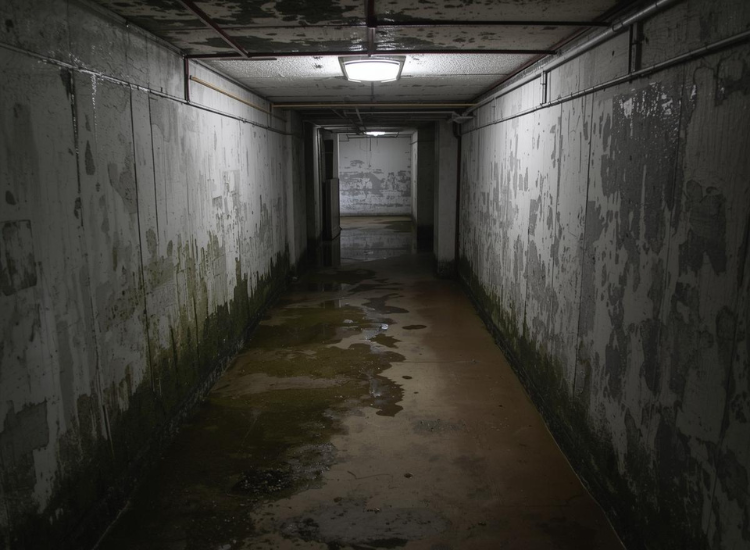
Even without visible flooding, basements remain chronically damp due to several common causes: high groundwater pressure forcing moisture through foundation walls and floors (hydrostatic pressure), poor ventilation trapping humid air, condensation forming on cool surfaces during Chicago’s humid summers, and inadequate drainage around your foundation. These moisture sources create persistent dampness that requires both immediate dehumidification and potentially long-term waterproofing solutions to protect your home’s structural integrity and indoor air quality.
Understanding Basement Moisture Without Flooding
Many homeowners throughout Cook, DuPage, and Lake Counties contact Redefined Restoration confused about persistent basement dampness despite never experiencing a dramatic flood event. This chronic moisture problem is actually extremely common in our region’s housing stock, particularly in historic Chicago bungalows, vintage greystones in neighborhoods like Logan Square and Hyde Park, and mid-century ranch homes throughout Naperville, Schaumburg, and Arlington Heights.
The truth is that basement dampness rarely requires a catastrophic water event. Instead, it develops through continuous, subtle moisture intrusion that many homeowners don’t notice until mold appears, musty odors develop, or stored items become damaged.
Primary Causes of Persistent Basement Dampness
Hydrostatic Pressure and Foundation Seepage
Chicago-area homes face significant groundwater challenges due to our clay-heavy soil composition and fluctuating water tables. During spring thaw (March through May) and after heavy summer thunderstorms, groundwater levels rise dramatically, creating hydrostatic pressure against foundation walls and basement floors.
This pressure forces moisture through microscopic cracks, porous concrete, and mortar joints in a process called seepage. You won’t see water actively flowing, but moisture continuously migrates through your foundation, keeping basement surfaces perpetually damp. This issue becomes particularly severe in older homes throughout Evanston, Oak Park, and established Chicago neighborhoods where foundations have deteriorated over decades of freeze-thaw cycles.
Condensation on Cold Surfaces
Chicago’s humid summers create ideal conditions for basement condensation. When warm, moisture-laden air contacts cool basement walls, floors, and pipes, water vapor condenses into liquid droplets—similar to how a cold glass “sweats” on a humid day.
This condensation accumulates on concrete walls, metal pipes, ductwork, and stored items, creating widespread dampness without any water intrusion. Finished basements with poor vapor barriers are especially vulnerable, as condensation forms behind drywall where it remains undetected until significant damage occurs.
Inadequate Ventilation
Many Chicagoland basements, particularly in two-flats and vintage construction throughout Elmhurst and Downers Grove, have minimal or no ventilation. Stagnant air traps humidity, preventing moisture from evaporating naturally. During summer months when we close windows and run air conditioning, basement humidity often exceeds 70%, creating conditions ideal for mold growth and material deterioration.
Poor Exterior Drainage
Foundation dampness frequently results from improper grading, clogged gutters, or missing downspout extensions. When rainwater and snowmelt pool near your foundation instead of draining away, it saturates the soil and eventually migrates through your basement walls. This exterior moisture source affects homes throughout Will and Kane Counties, where newer construction sometimes lacks proper drainage planning.
Solutions for Chronic Basement Dampness
Immediate Actions
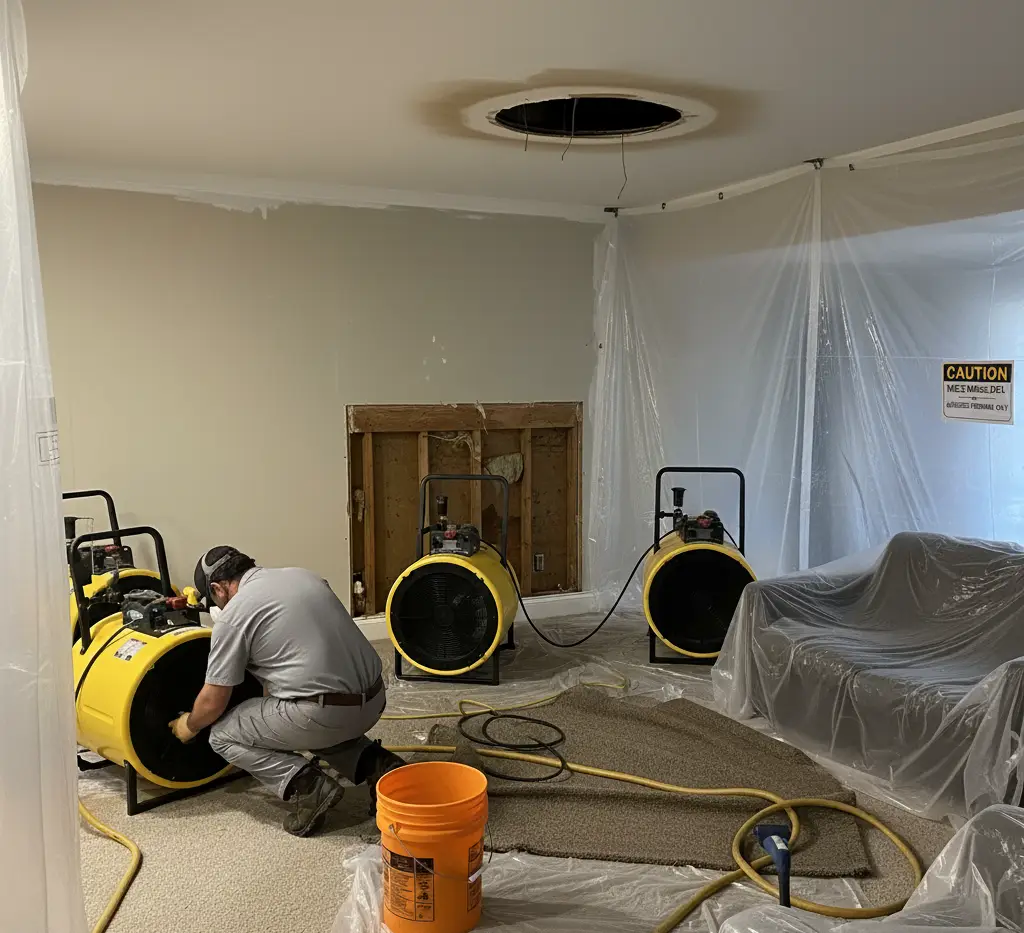
Install and run a quality dehumidifier. Maintain basement humidity between 30-50% year-round. During humid summer months (June-August), you may need a commercial-grade unit with continuous drainage.
Improve air circulation by running fans, opening basement windows during dry weather, and ensuring HVAC systems adequately service basement spaces.
Address exterior drainage by extending downspouts at least 6 feet from your foundation, ensuring proper yard grading slopes away from your home, and clearing gutters before spring storms and fall leaf accumulation.
Long-Term Waterproofing Solutions
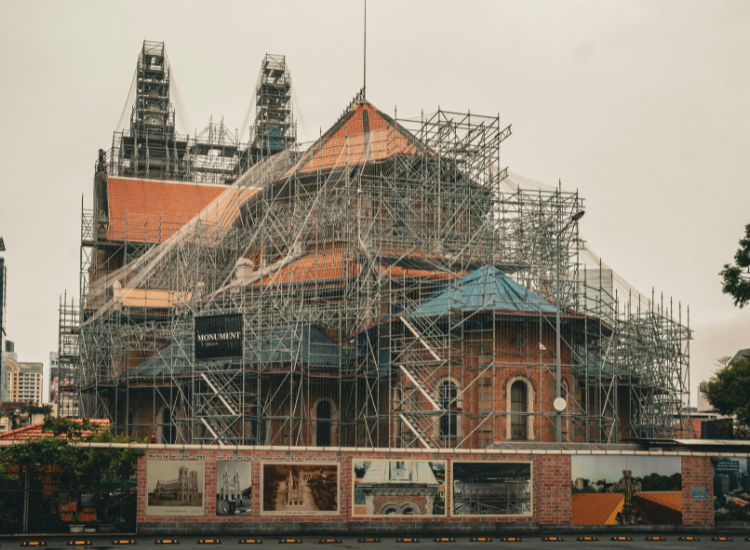
For persistent moisture problems, interior or exterior waterproofing may be necessary. Interior solutions include sealant application, vapor barriers, and interior drainage systems with sump pumps. Exterior waterproofing—though more expensive—addresses moisture at its source by excavating around your foundation, applying waterproof membranes, and installing proper drainage systems.
Professional Assessment
Because basement moisture stems from multiple potential sources, professional assessment helps identify the specific causes affecting your home. Redefined Restoration provides comprehensive moisture evaluations throughout Chicagoland, using thermal imaging and moisture meters to pinpoint problem areas invisible to visual inspection.
When to Call Professionals
Contact restoration professionals immediately if you notice: visible mold growth, efflorescence (white crystalline deposits on concrete), deteriorating drywall or wood, increased pest activity, or worsening musty odors. These signs indicate moisture levels have reached damage thresholds requiring professional remediation.
Don’t wait until chronic dampness creates costly damage. Redefined Restoration serves Chicago, Orland Park, Tinley Park, and surrounding communities with comprehensive moisture assessment and waterproofing solutions tailored to our region’s unique challenges.
Contact Redefined Restoration at https://redefinedresto.com today for a professional basement moisture evaluation and customized solutions to keep your home dry, healthy, and protected year-round.