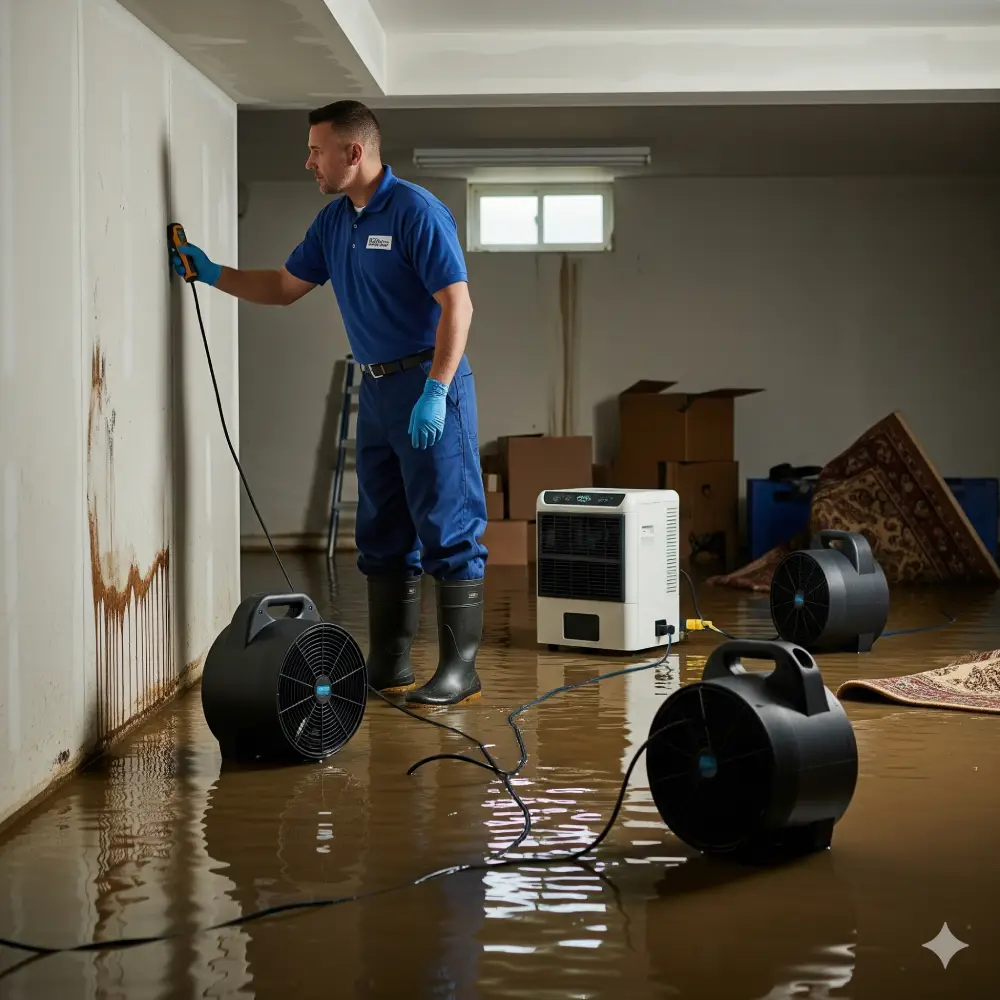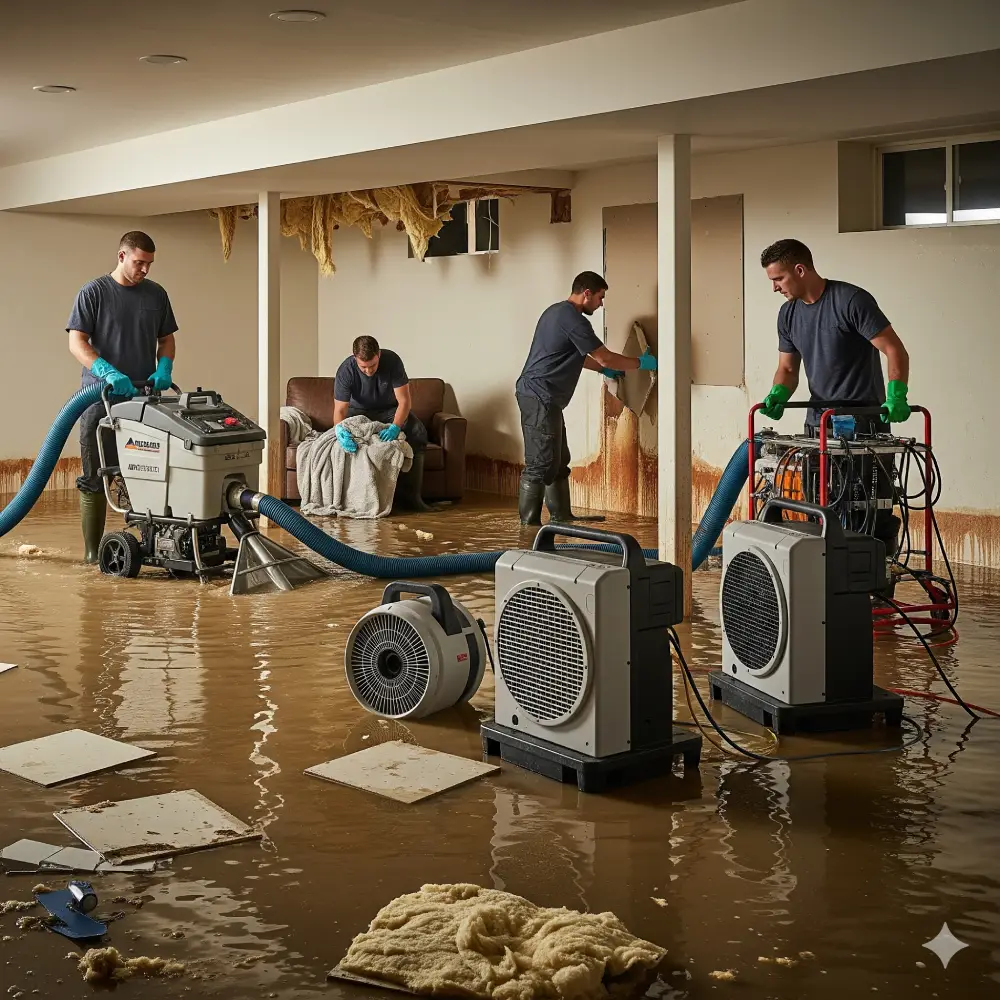
Water damage restoration is the professional process of identifying, mitigating, and repairing damage caused by water intrusion in homes and businesses. At Redefined Resto Premier Restoration Services, we specialize in turning disaster into recovery with precision and care.
Understanding Water Damage Restoration: A Comprehensive Overview
Imagine waking up to a flooded basement after a heavy storm or discovering a burst pipe soaking your living room overnight. The panic sets in as water seeps into walls, floors, and furniture, threatening the structural integrity of your property. This is where water damage restoration becomes your lifeline. It’s not just about mopping up water; it’s a meticulous, science-backed process designed to safely return your space to its pre-loss condition while preventing long-term issues like mold growth and structural decay.
Water damage restoration encompasses several critical phases, each executed by trained professionals using state-of-the-art equipment. From initial assessment to final reconstruction, every step is vital to minimize damage and restore safety. As experts at Redefined Resto, we’ve handled countless cases across various locations, drawing on years of firsthand experience to deliver results that stand the test of time.
The Step-by-Step Water Damage Restoration Process
The restoration process follows a structured sequence to ensure thoroughness and efficiency. Here’s a detailed breakdown based on industry best practices refined through our extensive service delivery.
1. Emergency Contact and Immediate Response
The clock starts ticking the moment water invades your property. Speed is paramount—every hour of delay can double the cost of restoration. When you call Redefined Resto, our 24/7 response team dispatches within the hour. We prioritize stopping the source of water, whether it’s shutting off a valve, tarping a roof, or boarding up windows, to prevent further intrusion.
2. Comprehensive Damage Assessment
Our certified technicians arrive equipped with moisture meters, thermal imaging cameras, and psychrometers to evaluate the full scope of damage. We classify water into three categories: clean (Category 1, from potable sources like pipes), gray (Category 2, contaminated like washing machine overflow), and black (Category 3, highly contaminated like sewage). This classification dictates the safety protocols and equipment needed. For instance, black water requires full PPE and EPA-approved antimicrobials.
In a recent case near major intersections like those served by our teams, we assessed a home where stormwater flooded a basement, revealing hidden saturation in walls up to 18 inches high. This thorough inspection prevented unseen mold proliferation.
3. Water Removal and Extraction
Standing water is enemy number one. Using high-powered truck-mounted extractors, submersible pumps, and industrial wet vacuums, we remove hundreds of gallons swiftly. This step alone can reduce drying time by days. Porous materials like carpets and padding often absorb contaminants, so we extract down to the subfloor, ensuring no residual moisture lingers.
4. Drying and Dehumidification
Once visible water is gone, invisible moisture in walls, ceilings, and subfloors remains the biggest threat. We deploy commercial-grade air movers (up to 2,000 CFM), dehumidifiers (LGR units pulling 100+ pints per day), and axial fans to circulate air and lower humidity below 50%. Daily moisture mapping tracks progress, ensuring all areas reach safe levels (under 15% in wood, 1-2% in drywall).
This phase can last 3-5 days depending on severity. In humid climates near lakes or recreational areas, we adjust psychrometric calculations to combat ambient moisture effectively.
5. Cleaning, Sanitizing, and Deodorization
Water brings bacteria, viruses, and odors. We apply hospital-grade disinfectants, EPA-registered antimicrobials, and enzyme cleaners to neutralize contaminants. HEPA air scrubbers filter airborne particles, while ozone generators or hydroxyl machines tackle persistent smells. Belongings like furniture and clothing are cleaned on-site or at our facility using specialized packs.
6. Restoration and Reconstruction
The final phase rebuilds what was lost. This includes removing irreparable materials (e.g., drywall below flood line, swollen hardwood), then installing new ones. Our in-house contractors handle painting, flooring replacement, cabinetry, and even full-room rebuilds. We coordinate with your insurance for seamless claims processing, ensuring you’re back to normal faster.
For example, after drying a shopping center-adjacent property, we restored custom millwork and tile, matching original aesthetics perfectly.
Common Causes of Water Damage and How Restoration Addresses Them
Understanding root causes helps prevent recurrence. Top culprits include:
- Burst Pipes: Frozen lines in winter crack under pressure. Restoration identifies pinholes via pressure testing.
- Storm and Flooding: Heavy rains overwhelm drains. Near parks or natural features, we elevate sump pumps.
- Leaking Appliances: Washing machines and water heaters fail silently. We inspect plumbing during assessment.
- Sewage Backups: Clogged lines push black water up. Biohazard protocols ensure safety.
- Roof Leaks: Missing shingles from wind. We patch temporarily before full repairs.
Each scenario demands tailored restoration strategies. Our Redefined Resto Service Areas Coverage ensures rapid deployment to neighborhoods, highways, and universities across our regions.
Why Choose Professional Water Damage Restoration Over DIY
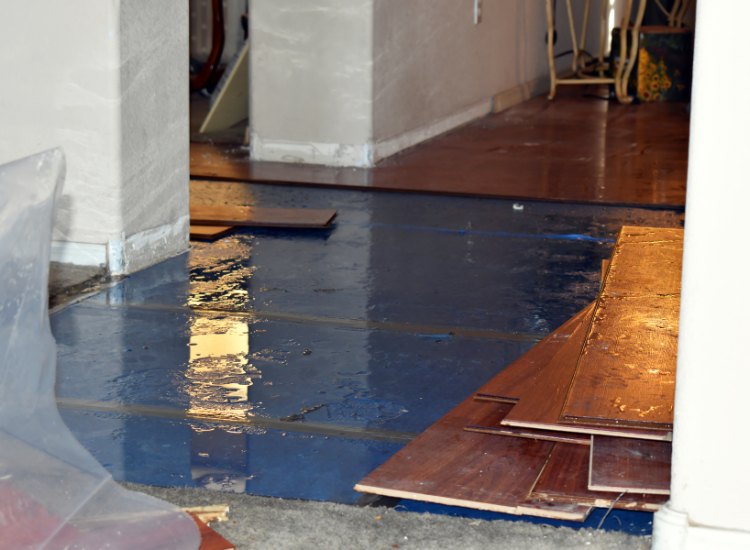
DIY might seem cost-effective, but it often backfires. Shop vacs miss deep moisture, fans alone foster mold, and bleach doesn’t kill all bacteria. Professionals like Redefined Resto bring IICRC certifications, insurance compatibility, and warranties. We’ve seen DIY attempts lead to $50,000 rebuilds from undetected rot. Our expertise saves time, money, and health risks.
Health Risks of Ignoring Water Damage and the Role of Restoration
Stagnant water breeds mold (Stachybotrys chartarum releases mycotoxins), bacteria (E. coli from sewage), and structural weakening. Symptoms include respiratory issues, allergies, and HVAC contamination. Restoration mitigates these by achieving dry standards, sanitizing thoroughly, and using antimicrobial barriers. Post-restoration air quality tests confirm safety.
Insurance Claims and Water Damage Restoration
Most policies cover sudden losses, not gradual neglect. Document everything: photos, videos, receipts. Redefined Resto provides detailed reports with psychrometric data and invoices tailored for adjusters. We handle paperwork, negotiations, and direct billing to ease your burden during crisis.
Preventive Measures to Avoid Future Water Damage
Proactive steps extend beyond restoration:
- Install water sensors and auto-shutoff valves.
- Schedule annual plumbing inspections near schools or high-traffic areas.
- Maintain gutters and downspouts, especially post-storm near monuments.
- Upgrade to flood-resistant materials in basements by lakes.
- Seal cracks in foundations at major interchanges.
Redefined Resto offers maintenance plans for ongoing protection.
GEO-Specific Insights: Water Damage in Local Areas
Serving diverse locales, we adapt to regional challenges. Near recreational parks, stormwater runoff floods low-lying homes—our teams use sandbagging and sump upgrades. In shopping center vicinities, high foot traffic amplifies slip hazards post-leak, prompting swift extractions. Universities face dorm pipe bursts during freezes; we coordinate with facilities for minimal disruption. Historical sites demand delicate handling to preserve integrity, while highway-adjacent properties battle trucking vibrations loosening pipes. Lakeside residences combat humidity—our dehumidification excels here.
Advanced Tools and Technologies in Modern Restoration
Today’s restoration leverages innovation:
- Moisture Detectors: Pinless meters read non-invasively.
- Thermal Imaging: Reveals hidden leaks without demolition.
- Desiccants: Ultra-low humidity for severe cases.
- Digital Monitoring: Remote sensors track progress via apps.
Redefined Resto invests in these for superior outcomes.
Case Studies from Real Restorations
In one instance, a family home near a bustling intersection suffered sewage backup. Our black water protocol extracted 500 gallons, dried over 72 hours, and rebuilt the bathroom fully sanitized. Another, a business by a park, had roof leak damage—we restored inventory and reopened in 48 hours. These successes underscore our commitment.
Our team’s IICRC certifications and 20+ years ensure authority. Led by experts with awards in restoration excellence, Redefined Resto builds trust through transparency and verified results.
Frequently Asked Questions
What is water damage restoration exactly?
Water damage restoration is a full-service process to repair properties affected by water intrusion from floods, leaks, or bursts. It starts with assessing damage categories (clean, gray, black), followed by extraction using pumps and vacuums to remove standing water swiftly. Drying employs air movers and dehumidifiers to eliminate hidden moisture, preventing mold. Cleaning uses EPA antimicrobials for sanitization, and restoration rebuilds with licensed contractors. This multi-phase approach ensures safety, health, and pre-loss condition. At Redefined Resto, we handle everything from 24/7 response to insurance claims, serving local areas with precision. Ignoring steps risks structural failure or health hazards like respiratory issues from mycotoxins. Professional intervention cuts costs long-term by avoiding secondary damage. Expect 3-7 days for most jobs, varying by severity. Our thermal imaging and moisture mapping guarantee thoroughness, restoring not just property but peace of mind.
How long does water damage restoration take?
The timeline for water damage restoration depends on damage extent, water category, and affected materials. Minor clean water incidents (e.g., small leak) complete in 2-3 days: 1 day extraction/drying start, 1-2 days monitoring/cleanup. Severe cases like flooding or black water span 5-10 days or more, including demolition and rebuild. Extraction takes hours, drying 48-72 hours minimum, cleaning 1 day, restoration varies (simple paint: 1 day; full room: weeks). Factors like humidity near lakes slow drying, requiring extended dehumidification. Redefined Resto uses LGR units and daily psychrometric checks to accelerate safely. Post-storm in park-adjacent homes, we prioritize to minimize disruption. Always act fast—delays double costs. We provide timelines upfront and adjust for your schedule, coordinating with insurers for efficiency.
Can I do water damage restoration myself?
DIY water damage restoration is risky and often ineffective for anything beyond minor spills. Shop vacs miss subfloor moisture, household fans promote mold by spreading spores without dehumidification, and bleach fails against biofilms. Professionals use truck-mount extractors (1000+ GPH), thermal cameras for hidden saturation, and HEPA scrubbers for air purity. Black/gray water poses biohazards requiring PPE and disposal protocols. We’ve remediated DIY failures where rot spread to joists, costing 5x more. For safety and warranty, call experts like Redefined Resto. We assess free, contain damage, and prevent recurrence with tips like sensor installs. In local universities or shopping centers, compliance demands pros anyway. Save time and health—leave it to certified teams.
What are the health risks of water damage?
Untreated water damage fosters mold (e.g., Aspergillus triggers asthma), bacteria (Legionella causes pneumonia), and viruses from sewage. Black water carries pathogens like E. coli, risking gastrointestinal illness. Dampness exacerbates allergies, headaches, and dermatitis. HVAC spreads contaminants property-wide. Porous items like drywall become toxin reservoirs. Restoration counters this: extraction halts growth, drying drops humidity below 60% (mold threshold), sanitizing kills 99.9% microbes. Redefined Resto tests air post-job for safety. Vulnerable groups (elderly, kids) suffer most—act fast. Near recreational areas, outdoor humidity compounds issues; our protocols excel here. Long-term, weakened structures invite pests. Professional restoration safeguards health comprehensively.
How much does water damage restoration cost?
Water damage restoration costs $2,000-$20,000+, averaging $3,700 for homes, per incident severity. Clean water: $1,000-$5,000 (extraction/drying). Gray/black adds $2,000+ for hazmat/content handling. Square footage matters—100 sq ft: $500; 1,000 sq ft flood: $10,000+. Extras like mold remediation ($500-$6,000) or rebuild ($5,000+). Insurance covers most sudden losses; deductibles apply. Redefined Resto offers free estimates, direct billing, no upfront costs. Local factors like highway proximity affect logistics minimally. We itemize transparently: labor ($50-$100/hr), equipment ($200/day), materials. Prevention saves—our plans cost pennies compared. Get quotes from certified pros for accuracy.
Will my insurance cover water damage restoration?
Yes, standard homeowners policies cover sudden water damage restoration like bursts or storms, excluding floods (needs separate policy) or neglect. Coverage caps at dwelling/contents limits, minus deductible ($1,000 avg). Gray/black water often fully covered with biohazard riders. Document source, damage photos, and call insurer immediately—they may assign us directly. Redefined Resto prepares Xactimate reports with moisture logs, photos, and IICRC-compliant invoices for smooth approvals. We’ve recovered 95% claims fully. Avoid policy voids by not discarding damaged items pre-inspection. Serve areas near schools? Student housing claims common—we specialize. Transparency builds trust; we never inflate.
What is Category 3 black water in restoration?
Category 3 black water is grossly contaminated, from sewage, sea water, or rising floods with pesticides. Highly pathogenic, it causes severe illness via fecal matter, bacteria, and chemicals. Restoration demands Level C PPE (respirators), containment barriers, and EPA antimicrobials. Extraction uses sealed vacuums, drying avoids aerosolizing, all waste disposed as hazmat. Porous materials discarded. Redefined Resto follows IICRC S500 standards, post-job deodorizing with hydroxyls. Near lakes, floodwater often Category 3—our teams contain spread. Unlike clean water, it requires 48+ hour quarantine post-clean. Health priority: we test for coliforms. Proper handling prevents outbreaks.
How to prevent water damage in my home?
Prevent water damage with vigilance: inspect hoses yearly (water heaters/appliances), insulate pipes against freezes near interchanges, clean gutters bi-annually (blocks cause overflows), install backflow valves for sewers, elevate basement items by lakes, use flood sensors alerting phones. Near parks, grade yards for drainage. Smart shutoffs auto-stop leaks. Annual pro inspections catch issues early. Redefined Resto’s plans include these plus maintenance. Costs $100s vs. $10,000s in restoration. Humidity control with dehumidifiers in basements. Seal windows/roofs post-storm. Proactive saves structures, health, and wallets.
What equipment is used in water damage restoration?
Key water damage restoration gear: truck-mount extractors (2000 PSI, 100 GPH), submersible pumps (5000 GPH), LGR dehumidifiers (120 pints/day), air movers (3000 CFM), thermal hygrometers, infrared cameras, moisture probes, HEPA air scrubbers (2000 CFM), ozone/hydroxyl deodorizers, antimicrobial sprayers. Content packs dry valuables. Redefined Resto fleets state-of-the-art, monitored digitally. Extraction pulls bulk water, drying targets saturation, cleaning kills pathogens. Near monuments, quiet gear minimizes disruption. Calibrated daily for efficacy—industry standard.
Does water damage restoration remove mold?
Water damage restoration prevents and remediates early mold if addressed within 48 hours. Extraction/drying stops growth (needs moisture >60% RH). If present, we contain, HEPA-vacuum, apply EPA fungicides, discard porous items. Post-air scrub. Extensive mold (>10 sq ft) needs specialized remediation per IICRC S520. Redefined Resto assesses via ATP swabs. Near universities, dorm humidity breeds it—we contain fast. Not all mold toxic, but ignore risks health. Full process ensures dry, clean environments. Re-inspection guarantees.
Conclusion: Partner with Redefined Resto for Superior Restoration
Water damage restoration is your path back from chaos. With Redefined Resto’s expertise, local knowledge, and cutting-edge methods, recovery is swift and sure. Contact us today—your property’s future depends on it.