Category 3 water damage, also known as “black water,” is the most dangerous classification of water contamination and includes sewage backups, flooding from rivers or streams, and any water that has been standing long enough to support bacterial growth. This type of water contains harmful bacteria, fungi, and other hazardous pathogens that pose serious health risks to anyone exposed. Category 3 water damage requires immediate professional remediation with specialized equipment and safety protocols to protect your family’s health and prevent long-term property damage.
Understanding the Three Categories of Water Damage
Water damage professionals classify contaminated water into three categories based on the level of contamination and health risk. Category 1 is clean water from sources like broken supply lines or overflowing sinks. Category 2, or “gray water,” contains some contamination from sources like washing machines or dishwashers. Category 3 represents the highest level of contamination and the greatest danger to your health and property.
The distinction matters because each category requires different safety protocols, cleaning methods, and restoration approaches. While Category 1 water might be manageable as a DIY project if addressed immediately, Category 3 water damage always demands professional intervention with proper protective equipment and specialized training.
Common Sources of Category 3 Water Damage in Chicagoland Homes
Homeowners throughout Cook, DuPage, Lake, Will, and Kane Counties face numerous Category 3 water threats due to our region’s unique climate challenges and aging infrastructure.
Sewage Backups and Toilet Overflows
Sewage backups are perhaps the most recognizable form of Category 3 contamination. In older Chicago neighborhoods with combined sewer systems—common in areas like Lincoln Park, Lakeview, and Logan Square—heavy spring rains can overwhelm municipal systems and cause sewage to back up into basements through floor drains. The city’s classic bungalows, two-flats, and greystones often have aging plumbing systems that become vulnerable to blockages and failures.
Flooding from External Water Sources
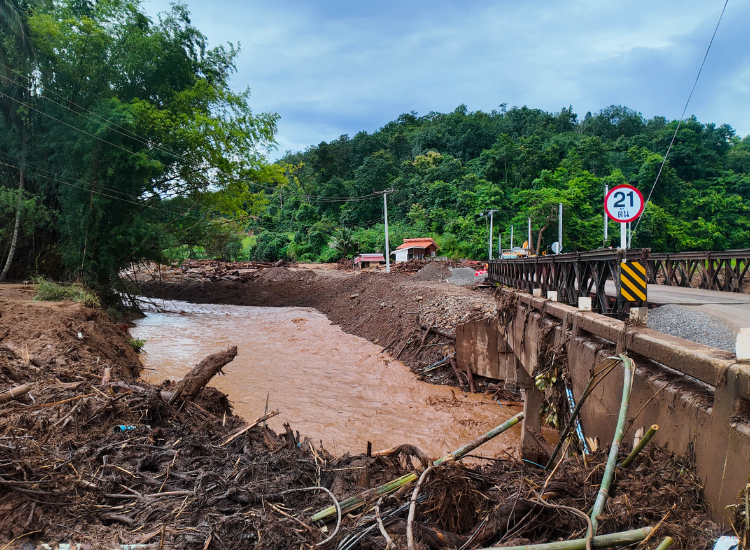
Spring flooding season from March through May brings significant risks to Chicagoland communities. When the Chicago River overflows its banks, when heavy rains cause flash flooding, or when snowmelt overwhelms drainage systems, the resulting floodwater picks up contaminants from streets, soil, and storm drains. This contaminated water becomes Category 3 the moment it contacts ground surfaces, carrying bacteria, chemicals, pesticides, and other hazardous materials into your home.
Standing Water That Has Degraded
Even if water starts as Category 1 or 2, it can become Category 3 if left standing for 48 hours or more. In Chicago’s humid summers, with temperatures and humidity levels creating ideal conditions for bacterial growth, water damage that isn’t addressed quickly can escalate from a manageable problem to a serious health hazard requiring full Category 3 remediation protocols.
Health Risks Associated with Category 3 Water
Black water contains numerous pathogens that can cause serious illness, including E. coli, salmonella, hepatitis, and other bacterial infections. Direct contact with contaminated water, breathing airborne contaminants, or touching surfaces affected by Category 3 water can lead to gastrointestinal illness, respiratory infections, skin infections, and other serious health complications.
Children, elderly family members, and anyone with compromised immune systems face even greater risks. This is why professional remediation teams wear protective equipment including respirators, gloves, and full-body protection when handling Category 3 situations.
Why Professional Remediation Is Non-Negotiable
Category 3 water damage restoration requires industrial-grade equipment, EPA-registered antimicrobial treatments, and adherence to strict safety protocols established by the Institute of Inspection, Cleaning and Restoration Certification (IICRC). Professionals must:
- Remove all porous materials that contacted contaminated water, including drywall, insulation, and carpeting
- Apply antimicrobial treatments to structural elements
- Use commercial dehumidifiers and air scrubbers to prevent secondary contamination
- Properly dispose of contaminated materials according to regulations
- Document the entire process for insurance claims
Attempting DIY cleanup of Category 3 water exposes your family to serious health risks and may void insurance coverage if improper methods are used.
Preventing Category 3 Water Emergencies
While not all Category 3 events can be prevented, Chicago-area homeowners can reduce their risk by maintaining sump pumps with battery backup systems, installing backwater valves to prevent sewage backups, keeping gutters and downspouts clear during our severe spring storms, and scheduling regular plumbing inspections—especially important in homes built before 1970.
Take Immediate Action to Protect Your Home and Health
If you’re experiencing sewage backup, flooding, or any Category 3 water emergency in Chicago or surrounding Chicagoland communities including Evanston, Oak Park, Naperville, Schaumburg, Arlington Heights, Elmhurst, Downers Grove, Orland Park, or Tinley Park, contact Redefined Restoration immediately at https://redefinedresto.com. Our certified restoration specialists respond 24/7 with the expertise, equipment, and safety protocols necessary to handle Category 3 contamination safely and restore your property to pre-loss condition. Don’t risk your family’s health—call the professionals who understand the unique challenges facing Chicago-area homes.