
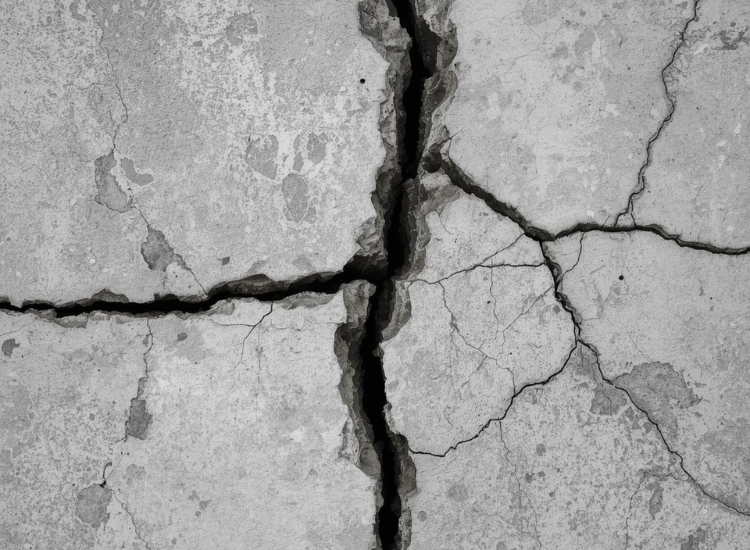
Foundation cracks in Chicago homes primarily result from the region’s extreme freeze-thaw cycles, expansive clay soil, and dramatic seasonal temperature swings that can exceed 100 degrees between winter and summer. The area’s clay-heavy soil expands when wet and contracts when dry, creating constant pressure on foundation walls, while winter temperatures plummeting below zero cause ground frost that pushes against foundations. Poor drainage, plumbing leaks, and the age of Chicago’s housing stock—with thousands of homes dating back a century or more—further contribute to foundation stress and cracking.
Understanding Chicago’s Unique Foundation Challenges
Chicago-area homeowners face foundation pressures that many other regions simply don’t experience. The combination of geological, climatic, and structural factors creates a perfect storm for foundation damage across Cook, DuPage, Lake, Will, and Kane Counties.
The Freeze-Thaw Cycle Effect
Chicago’s brutal winters are the primary culprit behind foundation cracks. When temperatures drop during polar vortex events—sometimes reaching 20 below zero or colder—moisture in the soil freezes and expands. This expansion can increase soil volume by up to 9%, creating immense lateral pressure against foundation walls. As spring arrives and temperatures rise, the soil thaws and contracts, releasing this pressure. This cycle repeats dozens of times each winter and spring, gradually weakening foundation structures.
Homes in Lincoln Park, Lakeview, Evanston, and other North Side communities near Lake Michigan often experience more severe freeze-thaw cycles due to increased moisture from lake effect weather patterns. The constant expansion and contraction acts like a slow-motion jackhammer against your foundation walls.
Clay Soil: Chicago’s Hidden Foundation Enemy
The Chicagoland area sits atop expansive clay soil that behaves dramatically differently than sandy or loamy soils found in other regions. This clay absorbs water like a sponge during Chicago’s heavy spring rains and summer thunderstorms, swelling significantly. During dry periods, particularly in late summer and fall, this same clay shrinks considerably.
This expansion and contraction cycle continues year-round, independent of freezing temperatures. Homes in suburbs like Naperville, Schaumburg, Arlington Heights, Elmhurst, and Downers Grove built on clay-heavy soil experience constant foundation movement. Even minimal movement—just a fraction of an inch—can create cracks in concrete foundations or cause mortar joints in brick foundations to separate.
Common Types of Foundation Cracks
Vertical Cracks
Vertical cracks running straight up and down foundation walls are typically caused by settling and are often the least serious. In Chicago’s historic bungalows and greystones throughout Beverly, Hyde Park, and Oak Park, some minor vertical cracking is almost expected in homes over 50 years old. However, cracks wider than 1/4 inch or those allowing water penetration require professional evaluation.
Horizontal Cracks
Horizontal cracks are more concerning, often indicating serious lateral pressure from soil expansion or hydrostatic pressure from groundwater. These cracks frequently appear in basement walls of older Chicago two-flats and mid-century ranch homes in Orland Park, Tinley Park, and surrounding communities. Horizontal cracks can signal foundation wall bowing and potential structural failure.
Stair-Step Cracks
These cracks follow the mortar joints in concrete block or brick foundations, creating a stair-step pattern. They typically indicate differential settling or soil movement beneath one section of the foundation. Chicago’s varying soil composition—sometimes changing dramatically even within a single property—makes stair-step cracking particularly common.
Additional Contributing Factors
Poor Drainage and Grading
Many Chicago-area homes, especially in established neighborhoods with mature trees, have drainage issues that channel water toward foundations rather than away. Clogged gutters during fall leaf season, downspouts discharging too close to foundations, and improper yard grading all contribute to excess moisture around foundations.
Plumbing Leaks
Chicago’s aging infrastructure means many homes in Logan Square, Wicker Park, and other urban neighborhoods have decades-old plumbing. Slow leaks from underground pipes saturate soil around foundations, contributing to both clay expansion and freeze-thaw damage. Sewer line issues are particularly problematic in areas with older clay sewer pipes.
Tree Root Pressure
Large trees common in Chicagoland’s older neighborhoods can extend roots under foundations, creating pressure points and disrupting soil stability. As roots absorb moisture, they also contribute to soil shrinkage during dry periods.
Prevention and Early Intervention
Protecting your foundation starts with proper water management. Ensure gutters are clean and functional, especially before winter and during spring rains. Extend downspouts at least six feet from your foundation. Grade your yard to slope away from your home, and consider installing a foundation drainage system if you have chronic moisture issues.
Monitor your foundation regularly, checking for new cracks or expansion of existing ones. Small cracks can often be sealed before they become major problems, but catching them early is essential. Pay particular attention after severe weather events—winter cold snaps, heavy spring rains, or summer drought periods.
When to Call Professionals
If you notice horizontal cracks, cracks wider than 1/4 inch, cracks that are growing, doors and windows that stick, or water entering through foundation cracks, it’s time for professional assessment. Foundation issues don’t improve on their own and typically worsen without intervention.
Protect Your Home with Expert Foundation Care
Foundation cracks are a serious concern for Chicago-area homeowners, but early detection and proper repair can prevent catastrophic damage. If you’ve noticed foundation cracks in your Chicago, Evanston, Naperville, or surrounding Chicagoland community home, don’t wait until minor issues become major structural problems. Contact Redefined Restoration at https://redefinedresto.com for a professional foundation assessment. Our experienced team understands the unique challenges facing Chicago-area homes and can provide effective solutions to protect your most valuable investment.