Yes, you should turn off your HVAC system immediately after discovering water damage in your home. Running your heating and cooling system can spread contaminated water, moisture, and potentially harmful microorganisms throughout your entire property via ductwork. Professional water damage restoration experts will assess your system’s safety and advise you when it’s appropriate to turn it back on after proper cleanup and drying.
Why Your HVAC System Poses Risks After Water Damage
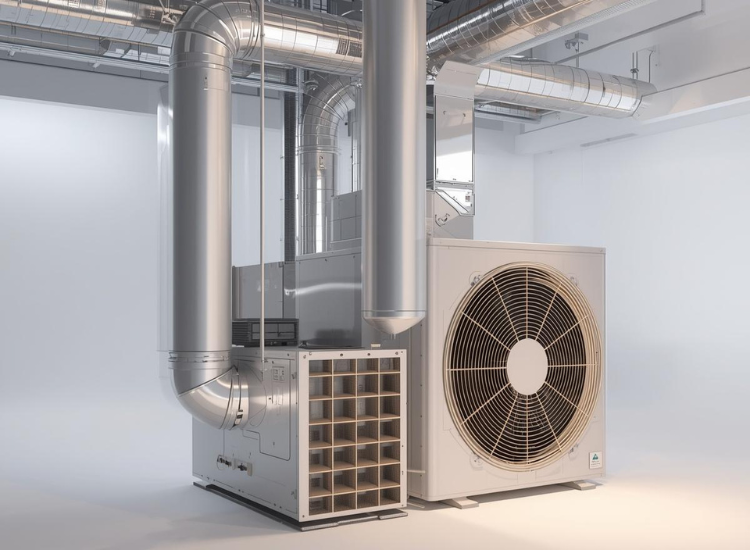
When water infiltrates your Chicago-area home—whether from burst pipes during a polar vortex event, sump pump failure in your basement, or spring flooding—your HVAC system can transform from a comfort provider into a contamination distributor. The forced air circulation that normally keeps your Lincoln Park greystone or Naperville ranch home comfortable can push water droplets, humidity, and airborne contaminants into every room through your ductwork.
Water damage often introduces bacteria, sewage particles, mold spores, and other hazardous materials into your home environment. When your furnace or air conditioner runs, the powerful airflow can aerosolize these contaminants and deposit them on surfaces throughout your property, including areas that weren’t originally affected by water. This secondary contamination significantly expands the scope of cleanup required and potentially exposes your family to health risks.
Additionally, water exposure can damage HVAC components themselves. Electrical connections, motors, and control boards are particularly vulnerable to short circuits when wet, creating potential fire hazards or causing expensive equipment failures that could have been prevented with prompt shutdown.
Immediate Steps to Take When Water Damage Occurs
Safety First: Before approaching any electrical equipment, ensure you can do so safely. If standing water is present near electrical panels or HVAC equipment, or if you’re unsure about electrical hazards, do not attempt to turn anything off yourself. Instead, contact your utility company or emergency services immediately.
Locate Your HVAC Shutoff: Your system typically has a shutoff switch near the air handler or furnace unit, often resembling a standard light switch. Many homes in Oak Park, Evanston, and throughout Cook County also have a circuit breaker dedicated to the HVAC system in the main electrical panel. Turning off both provides complete shutdown.
Document Everything: Before touching anything, take photos and videos of the water damage, including any visible impact to your HVAC equipment, ductwork, or vents. This documentation proves invaluable for insurance claims common to Chicagoland water damage scenarios.
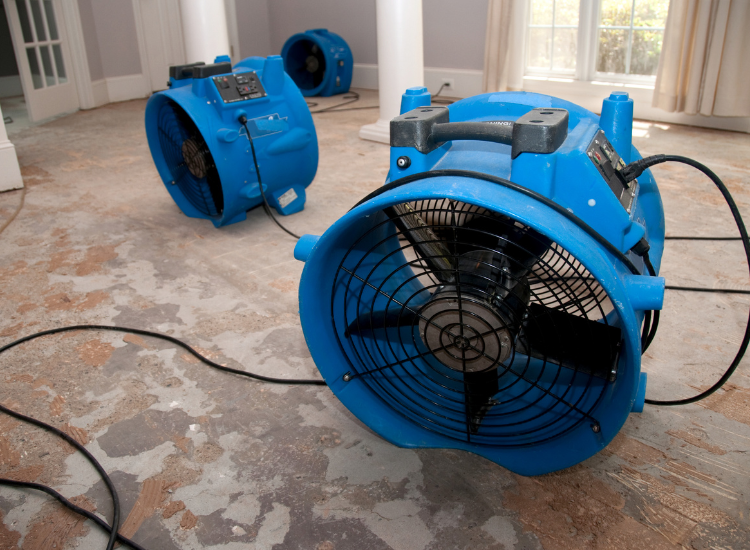
Contact Professionals Immediately: Water damage restoration is time-sensitive. The first 24-48 hours are critical for preventing secondary damage like mold growth, which thrives in Chicago’s humid summer conditions. Professional restoration teams serving DuPage, Lake, Will, and Kane County communities have specialized equipment to properly dry structures and safely assess HVAC systems.
Understanding Contamination Levels and HVAC Risk
Water damage professionals classify water into three categories, each presenting different risks to your HVAC system:
Category 1 (Clean Water): Even water from a supply line break during a February cold snap in Schaumburg or Arlington Heights requires HVAC shutdown. While initially clean, this water quickly becomes contaminated as it contacts building materials and sits stagnant.
Category 2 (Gray Water): Water from appliance malfunctions, toilet overflow tanks, or sump pump backups contains biological contaminants. Running your HVAC spreads these bacteria throughout your home, posing significant health risks.
Category 3 (Black Water): Sewage backups and flood water from spring storms affecting Elmhurst, Downers Grove, or Orland Park contain dangerous pathogens, chemicals, and toxins. HVAC operation during black water events can create serious health emergencies requiring extensive remediation.
When Can You Safely Restart Your HVAC System?
Restoration professionals will evaluate several factors before clearing your system for operation:
Structural Drying Completion: Moisture meters must confirm that affected areas have returned to normal humidity levels, typically taking 3-7 days depending on severity and Chicago-area weather conditions.
Ductwork Inspection: If water entered ducts or if contaminated air circulated before shutdown, professional duct cleaning may be necessary. This is particularly important in older Chicago bungalows and two-flats where original ductwork may have accumulated decades of dust that becomes hazardous when wet.
Equipment Testing: Electrical components, motors, and controls must be inspected and tested to ensure they weren’t compromised by moisture exposure.
Air Quality Verification: Before restarting circulation, professionals confirm that no mold growth has occurred and that indoor air quality meets safe standards.
Protecting Your Investment in Chicago’s Challenging Climate
Chicagoland’s extreme weather—from January’s sub-zero temperatures to July’s humidity and severe thunderstorms—places unique demands on your HVAC system. When water damage strikes, protecting this vital equipment requires immediate action and professional guidance.
Don’t risk spreading contamination, damaging expensive HVAC equipment, or exposing your family to health hazards. Redefined Restoration serves Tinley Park, Naperville, and communities throughout Cook, DuPage, Lake, Will, and Kane Counties with 24/7 emergency water damage response. Our certified technicians understand Chicago-area homes and provide the expert assessment needed to safely restore both your property and comfort systems.
Contact Redefined Restoration at https://redefinedresto.com immediately after water damage occurs. Our experienced team will secure your property, assess your HVAC system, and guide you through every step of restoration—getting your home back to normal safely and efficiently.