When water invades a commercial property in Chicago, the clock starts ticking. The city’s unique climate, with its humid summers and freezing winters, creates the perfect storm for mold growth after water damage. For business owners, the stakes are high: unchecked mold can disrupt operations, damage property, and threaten the health of employees and customers. At Redefined Restoration, we’ve responded to countless commercial water emergencies across Chicago, from the Loop to Wrigleyville, and we know that swift, expert action is the only way to prevent mold and protect your business.
Why Mold Prevention Is Critical in Chicago
Chicago’s weather is a double-edged sword. The city’s proximity to Lake Michigan means high humidity, especially in the summer months. When water damage occurs—whether from a burst pipe, a storm, or a sewer backup—the combination of moisture and warmth creates an ideal environment for mold to thrive. Mold can begin to grow within 24 to 48 hours of water exposure, and once it takes hold, it can spread rapidly through HVAC systems, walls, and ceilings.
For commercial properties, the consequences of mold are severe. Mold can cause structural damage, lead to costly repairs, and force temporary closures. It can also trigger health issues for employees and customers, including respiratory problems, allergies, and even more serious conditions for those with compromised immune systems. In Chicago, where businesses operate in close quarters and foot traffic is high, the risk of widespread mold contamination is a real concern.
At Redefined Restoration, we’ve seen firsthand how quickly mold can escalate in commercial spaces. From office buildings in the Loop to retail stores in Wicker Park, our team has handled mold outbreaks that could have been prevented with prompt, professional intervention. Our experience has taught us that prevention is not just about cleaning up water—it’s about understanding the unique challenges of Chicago’s environment and taking proactive steps to stop mold before it starts.
The Immediate Steps to Prevent Mold After Water Damage
The first step in preventing mold after commercial water damage is to act quickly. The longer water sits, the greater the risk of mold growth. At Redefined Restoration, our emergency response team is available 24/7 to respond to water damage incidents across Chicago. We understand that every minute counts, and our goal is to minimize downtime and prevent further damage.
Our process begins with a thorough assessment of the affected area. We use advanced moisture detection equipment, including thermal imaging and moisture mapping, to identify all sources of water and hidden dampness. This is crucial because mold can grow in areas that are not immediately visible, such as behind walls or under floors. By mapping out the extent of the water damage, we can develop a targeted plan to address the problem at its source.
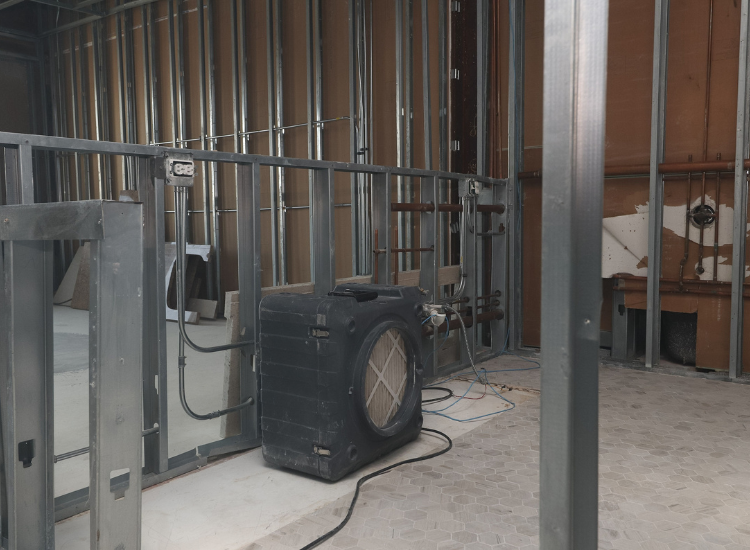
Once we’ve identified the affected areas, we begin the water extraction process. We use industrial-grade pumps and vacuums to remove standing water as quickly as possible. This is followed by comprehensive drying using high-powered air movers and dehumidifiers. Our goal is to restore optimal humidity levels and prevent any residual moisture from lingering, which is the key to stopping mold growth.
After the water is removed and the area is dried, we clean and sanitize all affected surfaces. This includes removing any contaminated materials, such as drywall or insulation, and treating the area with antimicrobial solutions to kill any remaining mold spores. We also monitor the drying process closely to ensure that all moisture is eliminated and that the environment is safe for reoccupation.
Advanced Techniques for Mold Prevention
At Redefined Restoration, we go beyond basic water removal and drying. Our team is certified by the Institute of Inspection, Cleaning and Restoration Certification (IICRC), which means we follow the highest industry standards for water damage restoration and mold prevention. Our technicians are trained in advanced techniques, such as thermal imaging and moisture mapping, which allow us to detect hidden water and prevent mold growth in hard-to-reach areas.
One of our most effective tools is the use of HEPA air scrubbers and filtration systems. These devices remove airborne mold spores from the environment, reducing the risk of cross-contamination and ensuring that the air quality is safe. We also use antimicrobial treatments to kill any remaining mold spores and prevent future outbreaks.
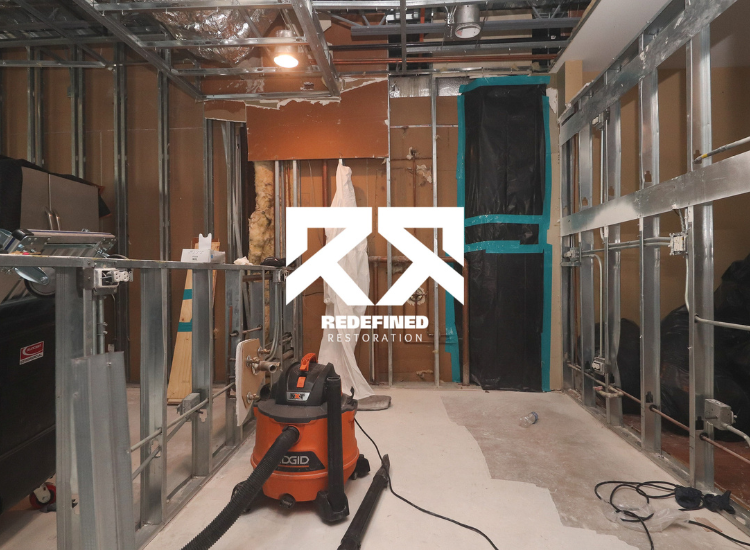
Another key aspect of our mold prevention strategy is containment. When we identify mold-infested areas, we seal them off to prevent spores from spreading to other parts of the building. This is especially important in commercial properties, where HVAC systems can quickly distribute mold spores throughout the entire space. By containing the affected areas, we can minimize the risk of widespread contamination and protect the health of everyone in the building.
We also work closely with our clients to develop customized remediation plans that address their specific needs. Every commercial property is different, and our approach is tailored to the unique challenges of each situation. Whether it’s a small office in Lincoln Park or a large warehouse in the South Loop, we have the expertise and equipment to handle any size of water damage and mold prevention project.
Long-Term Strategies for Mold Prevention
Preventing mold after commercial water damage is not just about the immediate response—it’s also about taking steps to protect your property in the long term. At Redefined Restoration, we recommend several strategies to minimize the risk of future mold outbreaks.
First, invest in regular mold inspections. Especially after major storms or before the winter months, it’s important to have your property checked for signs of water damage and mold growth. Our team offers comprehensive inspection services that use advanced equipment to detect hidden moisture and mold colonies.
Second, maintain your roof and plumbing. Leaks are a common cause of water damage and mold growth, so it’s essential to keep your building’s infrastructure in good condition. Regular maintenance can prevent leaks before they happen and save you from costly repairs down the line.
Third, upgrade your HVAC systems. Proper ventilation and drainage are crucial for preventing mold growth. We recommend installing dehumidifiers and ensuring that your HVAC system is regularly maintained to keep indoor humidity levels below 50%.
Fourth, monitor humidity levels. High humidity is a major contributor to mold growth, so it’s important to keep an eye on the moisture levels in your building. We can help you set up professional moisture monitoring systems that alert you to any changes in humidity and allow you to take action before mold can take hold.
Finally, educate your team. Train your maintenance staff to spot early warning signs of water damage and mold growth. The sooner you catch a problem, the easier it is to address and the less likely it is to escalate into a major issue.
Case Study: Preventing Mold in a Chicago Warehouse
One of our most memorable cases involved a logistics warehouse in the South Loop that experienced a major mold outbreak due to a roof leak that had gone undetected during the winter. Moisture had pooled above the drop ceiling, leading to mold growth throughout the ventilation system. The business was at risk of a full shutdown, which would have had a significant impact on their operations.
Our team responded quickly, using thermal imaging to identify all contaminated areas. We worked overnight shifts to remove affected materials without disrupting business operations. We also installed dehumidification and ventilation improvements to prevent recurrence. As a result, the business avoided a full shutdown and resumed operations within days, with improved air quality and a healthier work environment.
This case highlights the importance of swift, professional intervention in preventing mold after commercial water damage. By acting quickly and using advanced techniques, we were able to minimize downtime and protect the health of the employees and customers.
Why Choose Redefined Restoration for Mold Prevention in Chicago
At Redefined Restoration, we pride ourselves on our expertise, experience, and commitment to excellence. Our team is certified by the IICRC and has years of experience handling commercial water damage and mold prevention projects across Chicago. We use the latest technology and follow the highest industry standards to ensure that our clients receive the best possible service.
Our approach is customer-focused, and we work closely with our clients to develop customized solutions that meet their specific needs. Whether you’re dealing with a small office in Wrigleyville or a large warehouse in the South Loop, we have the expertise and equipment to handle any size of project.
We also offer 24/7 emergency service, so you can count on us to respond quickly to any water damage incident. Our goal is to minimize downtime and prevent further damage, so you can get back to business as soon as possible.
If you’re looking for a trusted partner to help you prevent mold after commercial water damage in Chicago, look no further than Chicago Commercial Water Damage Restoration Experts. Our team is ready to help you protect your property and your business.
Frequently Asked Questions
How quickly should I act after commercial water damage to prevent mold?
It’s crucial to act immediately after commercial water damage to prevent mold growth. Mold can begin to grow within 24 to 48 hours of water exposure, so the sooner you respond, the better. At Redefined Restoration, we recommend calling a professional water damage restoration company as soon as possible to assess the situation and begin the drying process. Our emergency response team is available 24/7 to help you minimize downtime and prevent further damage.
What are the signs of mold after water damage?
Signs of mold after water damage include visible mold growth, musty odors, water stains, and increased humidity. If you notice any of these signs, it’s important to have your property inspected by a professional. Mold can grow in hidden areas, such as behind walls or under floors, so a thorough inspection is essential to identify all sources of mold and prevent further contamination.
Can I prevent mold by drying the area myself?
While drying the area yourself can help, it’s not always enough to prevent mold growth. Professional water damage restoration companies use advanced equipment, such as industrial-grade dehumidifiers and air movers, to ensure that all moisture is removed. They also use moisture detection tools to identify hidden water and prevent mold from taking hold in hard-to-reach areas. For commercial properties, it’s best to rely on professional expertise to ensure that the area is thoroughly dried and safe.
How do professionals prevent mold after water damage?
Professionals prevent mold after water damage by using advanced techniques and equipment. This includes water extraction, comprehensive drying with industrial-grade dehumidifiers and air movers, cleaning and sanitizing affected surfaces, and using antimicrobial treatments to kill mold spores. They also use containment methods to prevent the spread of mold spores and monitor the drying process closely to ensure that all moisture is eliminated.
What are the health risks of mold in commercial properties?
Mold in commercial properties can pose serious health risks, including respiratory problems, allergies, and more severe conditions for those with compromised immune systems. Mold spores can be distributed throughout the building via HVAC systems, affecting the health of employees and customers. It’s important to address mold issues promptly to protect the health and safety of everyone in the building.
How long does it take to dry a commercial property after water damage?
The time it takes to dry a commercial property after water damage depends on the extent of the damage and the size of the affected area. In most cases, the drying process can take several days to a week. Professional water damage restoration companies use advanced equipment and techniques to speed up the drying process and ensure that all moisture is removed.
What should I do if I find mold after water damage?
If you find mold after water damage, it’s important to contact a professional water damage restoration company immediately. Do not attempt to clean up the mold yourself, as this can spread spores and worsen the problem. A professional will assess the situation, develop a remediation plan, and use advanced techniques to safely remove the mold and prevent further contamination.
Can mold return after professional remediation?
Mold can return after professional remediation if the underlying cause of the water damage is not addressed. It’s important to identify and fix the source of the water, such as a leaky roof or plumbing issue, to prevent future mold outbreaks. Regular inspections and maintenance can also help to catch problems early and prevent mold from returning.
How can I prevent water damage and mold in my commercial property?
To prevent water damage and mold in your commercial property, invest in regular inspections, maintain your roof and plumbing, upgrade your HVAC systems, monitor humidity levels, and educate your team to spot early warning signs. Professional water damage restoration companies can also help you set up moisture monitoring systems and provide guidance on best practices for mold prevention.
Why should I choose Redefined Restoration for mold prevention in Chicago?
Redefined Restoration is a trusted leader in commercial water damage restoration and mold prevention in Chicago. Our team is certified by the IICRC and has years of experience handling projects of all sizes. We use advanced technology and follow the highest industry standards to ensure that our clients receive the best possible service. Our 24/7 emergency response team is ready to help you minimize downtime and protect your property and business.