The scent of a structural fire is unlike any other—a heavy, synthetic acridity that clings to the air long after the last ember has been extinguished by the Chicago Fire Department. As we navigate the early spring of 2026, many homeowners in neighborhoods from Wicker Park to Beverly are finding that the aftermath of a kitchen flare-up or an electrical short is not just a physical mess, but a complex temporal puzzle. The question of “how long” is often the first thing asked when our 24/7 emergency response team arrives on the scene. At Redefined Restoration, we understand that time is the most precious commodity during a crisis. The duration of fire damage restoration varies significantly based on damage severity, property size, and the specific types of affected contents. While minor smoke issues might be resolved in a few days, extensive structural repairs can span several weeks or even months.
Drawing from more than a decade of expertise in fire recovery across the diverse architectural landscape of Chicago, we deliver precise, transparent timelines upfront following our initial forensic inspection. Our licensed and fully insured team utilizes advanced techniques and professional-grade tools to accelerate the mitigation process. We view every project through the lens of local accountability, backed by a workmanship warranty that ensures the recovery is not just fast, but permanent. In the context of 2026, where building material supply chains in the Midwest have become more localized and efficient, we leverage our deep connections within the Chicago construction industry to minimize downtime. Whether we are dealing with a historic greystone or a modern high-rise, our goal is to help you return home swiftly while maintaining strict compliance with evolving municipal building codes. This narrative of efficiency is not just about speed; it is about an authoritative, trustworthy service that respects the emotional and structural weight of your property.
Navigating the Forensic Phases of Fire Recovery in Chicago
To understand the timeline, one must first understand the stages of the process. In 2026, fire damage restoration services are no longer just about scrubbing soot; they are about chemical stabilization and structural engineering.
The Immediate Stabilization Window (24–48 Hours)
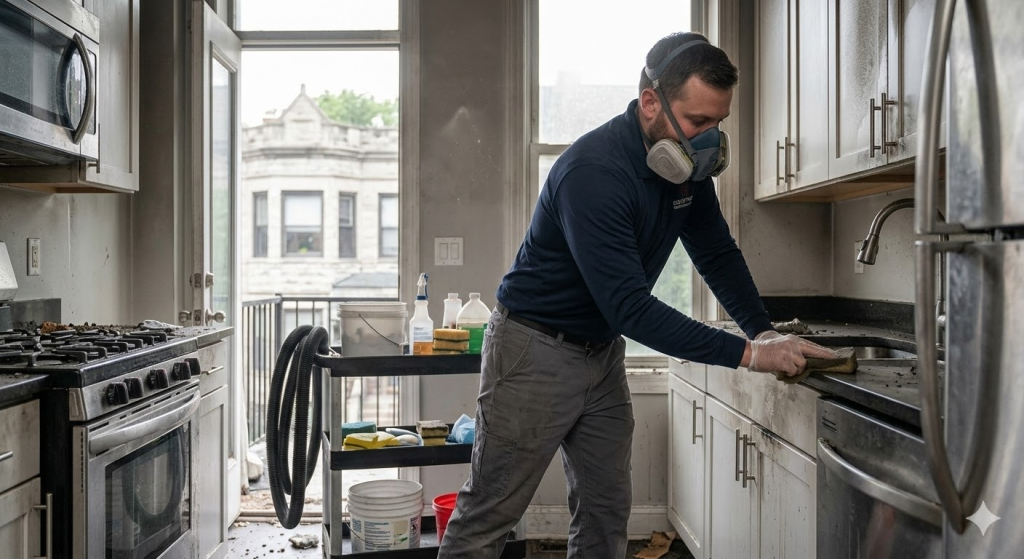
The first two days are the “Golden Hours” of restoration. During this time, the acidic soot produced by the fire begins to etch into surfaces. Think of soot like a microscopic, corrosive sandpaper. If left to sit, it will permanently pit glass, tarnish metal fixtures, and yellow your appliances. Our crews focus on “board-up” services and emergency pre-cleaning to halt this chemical reaction.
The Chicago Environmental Factor: Humidity and Airflow
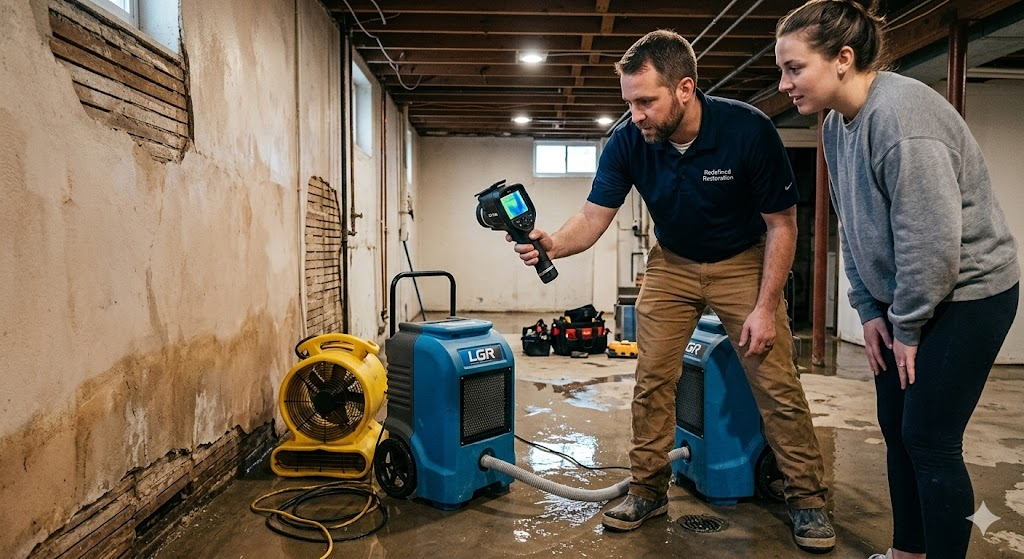
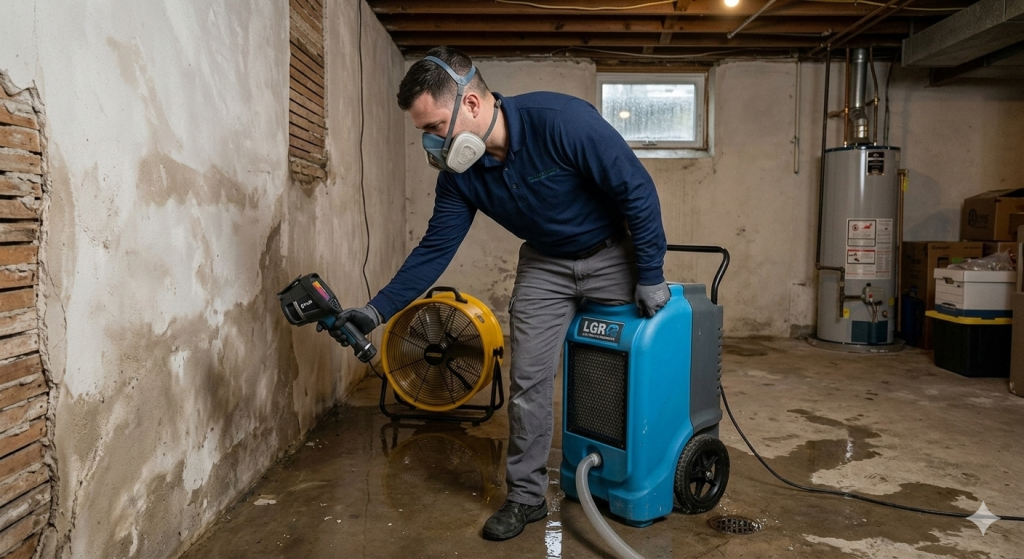
In the humid air of a Chicago spring, moisture from fire-suppression efforts can combine with soot to create a thick, sludge-like residue. This mixture can seep deep into the porous Chicago brick found in many local homes. We utilize industrial-grade dehumidification to stabilize the environment, preventing secondary issues like mold growth, which can start in as little as 48 hours following the introduction of water.
Decoding the Complexity of Smoke and Soot Behavior
One of the most misunderstood aspects of Redefined Restoration work is why “small” fires can lead to “long” restoration times. It all comes down to the way smoke moves.
The Pressure Cooker Effect
When a fire burns, it creates a high-pressure environment. This pressure pushes smoke into every crevice—behind electrical outlets, into the insulation of your attic, and through the HVAC ductwork. Even if the flames were contained to the stove, the smoke has likely traveled through the entire home’s “circulatory system.”
Soot Categorization: Dry vs. Oily
The timeline is heavily influenced by what actually burned. We categorize soot into two primary types:
- Dry Soot: Typically from wood or paper fires. This is easier to remove with specialized sponges and HEPA vacuuming.
- Oily Soot: Resulting from grease fires or plastic/synthetic materials (common in 2026 modern furniture). This soot is smeary and requires complex chemical degreasers, which extends the cleaning phase of the project.
Comparative Recovery Timelines by Damage Scale
Every property is unique, but we can look at the typical investments in time required for various scenarios in the Chicago area.
| Damage Level | Typical Mitigation Phase | Reconstruction Phase | Chicago Context (2026) |
| Minor Smoke/Odor | 3–5 Days | Minimal to None | Often caused by seasonal furnace “puff-backs.” |
| Kitchen/Single Room | 1–2 Weeks | 2–4 Weeks | Requires local plumbing/electrical inspections. |
| Structural/Multi-Room | 3–5 Weeks | 2–6 Months | Subject to Chicago Department of Buildings permits. |
| Commercial/Large Loss | Variable | 6+ Months | Coordination with OSHA and municipal safety codes. |
The Physics of Odor Neutralization: Why Scents Linger
The “smell of fire” is actually microscopic particles of burnt material trapped in the pores of your walls and furniture. Think of your drywall like a very dense, dry sponge. When the fire happens, the pores expand and soak up the smoke. Once the house cools, the pores close, trapping the scent inside.
The Thermal Fogging Solution
In 2026, we utilize thermal fogging, which mimics the behavior of the original fire. We heat a specialized neutralizer into a fine mist that has the same particle size as the smoke. This mist travels into the same pores that the smoke occupied, neutralizing the odor at its source rather than just masking it with a floral scent.
Hydroxyl Generation and Ozone
For more stubborn odors, we use hydroxyl generators. These machines utilize UV light to create atmospheric “scrubbers” that break down the carbon chains in smoke molecules. This is a safe, effective way to clean the air in 2026, allowing our crews to work while the air is being purified, further accelerating the fire damage restoration services timeline.
Structural Integrity and the Modern Building Code
Chicago’s building codes are some of the most stringent in the country, and as of 2026, they have updated requirements for fire-rated materials and insulation. When we perform fire damage restoration services in areas like the Loop or Gold Coast, we are not just repairing; we are bringing the structure up to current safety standards.
The Invisible Weakness: Heat Damage
Wood and steel react differently to heat. Even if a beam isn’t charred, extreme heat can cause “annealing” in metal or “delamination” in plywood. Our Project Managers perform forensic checks on the structural “skeleton” of your home. Think of this like checking a bone for a hairline fracture—it looks fine on the outside, but it won’t hold the weight it used to.
Permit Navigation in the 312 and 773
One of the most significant factors in a “long” restoration timeline is the municipal permit process. Our deep roots in the Chicago community allow us to navigate these waters more efficiently. We maintain open lines of communication with local inspectors to ensure that our work is verified and approved without unnecessary delays.
Content Management: What Stays and What Goes?
A major part of the Redefined Restoration process involves the inventory and cleaning of your personal belongings. We call this “Content Pack-Out.”
The “Soot-Sensitive” Inventory
In 2026, electronics are more prevalent than ever. Smoke contains chlorides, which, when combined with the humidity in the air, become acidic and can eat through the delicate circuit boards of your smart-home devices.
- Hard Contents: Dishes, metal furniture, and glass can usually be salvaged through ultrasonic cleaning.
- Soft Contents: Clothing, curtains, and upholstery require specialized laundry techniques to remove the deep-seated “smoke ghost” from the fibers.
- Electronic Contents: These must be professionally cleaned and decontaminated to prevent long-term failure.
Ultrasonic Cleaning Technology
We utilize high-frequency sound waves in specialized water baths to “shake” soot loose from delicate items. This technology, which has become a premium-tier standard in 2026, allows us to save family heirlooms and intricate jewelry that would have been discarded just a few years ago.
The Chemistry of Corrosion: A Race Against the Clock
Fire creates a cocktail of chemicals. When plastics burn (common in 2026 flooring and appliances), they release hydrogen cyanide and hydrochloric acid. When these gases mix with the air, they create an “acidic mist” that settles on everything.
Metallic Pitting Analogy
Think of a silver spoon left in a bowl of lemon juice. Over time, the acid eats away the finish. The same thing happens to your faucets, door handles, and electronic ports after a fire. Our team uses alkaline neutralizing agents to “freeze” this corrosion process immediately upon arrival. This is why our 24/7 response is so critical—a delay of even six hours can mean the difference between cleaning a fixture and having to replace it entirely.
Working with Insurance Adjusters in 2026
The insurance landscape in Chicago has evolved. Today, adjusters rely heavily on digital documentation and real-time data. Redefined Restoration uses advanced software to provide a “live” look at the restoration progress.
Transparency Through Technology
We provide our clients and their adjusters with a detailed digital trail. This includes:
- Moisture Maps: Proving that the house is dry after fire suppression.
- Photo Inventories: Documenting every item before it is moved.
- Atmospheric Readings: Showing the reduction in volatile organic compounds (VOCs) as we clean.
By providing this level of authoritative detail, we reduce the “back-and-forth” with insurance companies, which is often a hidden bottleneck in the restoration timeline.
Specialized Care for Chicago Architecture
Chicago’s varied building stock requires a nuanced approach to fire recovery. A loft in the West Loop presents very different challenges than a mid-century modern home in Evanston.
Timber Lofts and Exposed Brick
In many of Chicago’s converted timber lofts, the porous nature of the heavy beams and exposed brick makes smoke removal incredibly difficult. Traditional scrubbing can push the soot deeper into the grain. We utilize dry-ice blasting—think of it like power washing with frozen CO2. The dry ice hits the soot, causing it to “pop” off the surface without introducing moisture or abrasive chemicals to the historic wood.
High-Rise Smoke Travel
In modern Chicago high-rises, “stack effect” is a major concern. This is where the temperature difference between the inside and outside of the building creates a vacuum that pulls smoke up through elevator shafts and stairwells. A fire on the 4th floor can easily lead to smoke damage on the 24th floor. We specialize in high-rise fire damage restoration services, coordinating with building management to clean common areas and shared ventilation systems.
The Psychological Journey of Fire Restoration
At Redefined Restoration, we never forget that we are not just working on a building; we are working on someone’s life. The displacement caused by fire is a profound stressor.
Restoring the “Sense of Home”
Our timeline is always built with the “human factor” in mind. We prioritize the restoration of essential living spaces—like a kitchen or a bedroom—to allow families to move back into their properties even if smaller, non-essential repairs are still ongoing. This “phased return” approach is part of our commitment to authoritative, compassionate service.
24/7 Support and Guidance
From the moment the sirens stop, we are there. Our 2026 service model includes a dedicated concierge for every fire loss. This person acts as your single point of contact, navigating you through the complexities of permits, insurance, and construction so you never feel lost in the process.
Summary: A Roadmap to Fire Recovery in Chicago
Fire damage is an multifaceted challenge that requires a blend of chemistry, engineering, and local expertise. In 2026, the speed of recovery is dictated by how quickly you can neutralize the chemical threats and how efficiently you can navigate the modern building landscape.
The timeline for your restoration will always be a reflection of your property’s specific needs. Whether it is a few days of air scrubbing or a multi-month structural rebuild, Redefined Restoration stands as the Chicago authority in fire recovery. Our 5-star reviewed projects across the city are a testament to our ability to combine technical precision with genuine local care.
We don’t just fix walls; we restore the safety and comfort of your sanctuary. By using the latest in 2026 restoration technology and a deep understanding of Chicago’s unique environment, we ensure that your recovery is as swift and stress-free as possible.