
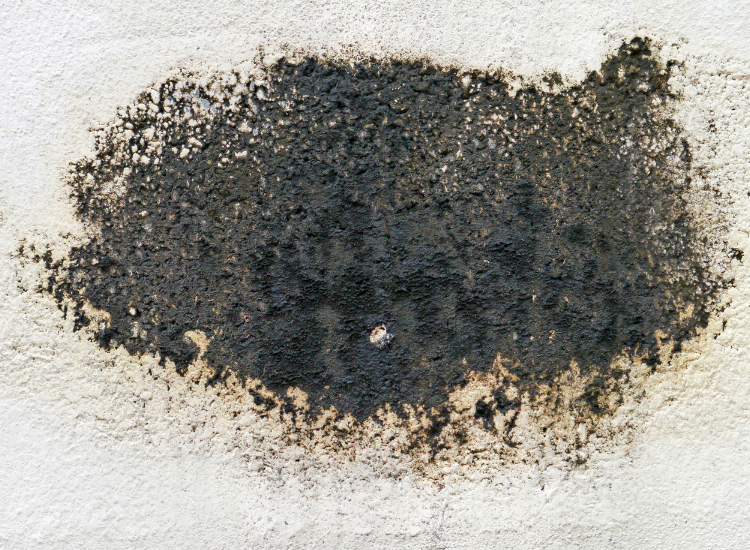
Indoor humidity levels above 60% create ideal conditions for mold growth in Chicago homes, with spores beginning to colonize damp surfaces within 24-48 hours. The Chicago area’s humid summers, combined with poor ventilation in basements and the moisture generated by daily activities, can quickly push indoor humidity into the danger zone. Controlling humidity through proper ventilation, dehumidification, and addressing water intrusion issues is essential for preventing mold infestations that can damage your property and affect your family’s health.
The Critical Relationship Between Humidity and Mold
Mold spores are constantly present in the air, both indoors and outdoors, but they need specific conditions to germinate and grow into problematic colonies. The single most important factor is moisture availability, which is directly tied to relative humidity levels in your home.
When indoor humidity rises above 60%, surfaces throughout your home retain enough moisture for mold spores to activate and begin growing. At humidity levels of 70% or higher, mold growth accelerates dramatically, with visible colonies appearing on walls, ceilings, wood framing, and personal belongings within days. Once established, mold releases additional spores into the air and produces mycotoxins that can cause respiratory issues, allergic reactions, and other health problems.
Chicago’s Unique Humidity Challenges
Chicago-area homeowners face distinctive humidity challenges throughout the year that increase mold risk. Our humid continental climate brings muggy summer conditions with dewpoints often climbing into the uncomfortable 65-75°F range during July and August. This outdoor humidity infiltrates homes, especially older Chicago bungalows, two-flats, and greystones that may lack modern moisture barriers and climate control systems.
Basements present particular concerns across Cook, DuPage, Lake, Will, and Kane County communities. These below-grade spaces naturally experience higher humidity due to moisture wicking through concrete foundations, condensation on cool surfaces, and limited air circulation. When combined with sump pump failures during spring storms or sewer backups during heavy rainfall events, basement humidity can spike to levels that guarantee mold growth.
Seasonal Humidity Patterns and Mold Risk
Summer: Peak Mold Season
June through August represents the highest risk period for mold growth in Chicagoland homes. Outdoor humidity combines with indoor moisture sources—cooking, showering, laundry—to push humidity levels well above safe thresholds. Air conditioning helps, but homes in Lincoln Park, Lakeview, Logan Square, and other neighborhoods with window units rather than central air often experience inconsistent humidity control.
Spring: Flooding and Moisture Intrusion
March through May brings spring thunderstorms and snowmelt that frequently cause basement flooding throughout Arlington Heights, Schaumburg, Naperville, and surrounding suburbs. Even minor water intrusion events that are quickly cleaned up can leave elevated humidity levels in building materials, creating hidden mold growth inside walls and under flooring.
Fall and Winter: Hidden Humidity Problems
While outdoor humidity drops during cooler months, indoor humidity can remain problematic. Homes in Evanston, Oak Park, Elmhurst, and across the region often develop condensation issues when warm, moist indoor air contacts cold windows and exterior walls. Ice dams forming on roofs during brutal winter cold snaps can also drive moisture into attic spaces, creating ideal conditions for mold even in subfreezing temperatures. Proper insulation can be a crucial factor in controlling indoor moisture and minimizing the risk of mold growth. Justin Wheat, who specializes in Spray Foam Insulation, observes: “A well-sealed home envelope helps reduce the temperature differences that cause interior condensation, making it less likely for moisture to accumulate in vulnerable areas like attics and behind walls.”
Identifying High Humidity and Early Mold Growth
Watch for these warning signs that humidity levels are too high:
- Condensation on windows, especially during morning hours
- Musty odors in basements, bathrooms, or closets
- Visible water stains or discoloration on walls and ceilings
- Peeling paint or wallpaper
- Warping wood floors or trim
- Allergic symptoms that worsen indoors
Effective Humidity Control Strategies
Monitor and Measure
Install hygrometers in multiple locations, particularly basements and bathrooms, to track humidity levels. Maintain indoor relative humidity between 30-50% year-round for optimal mold prevention.
Improve Ventilation
Run bathroom exhaust fans during showers and for 30 minutes afterward. Ensure kitchen vents exhaust to the outdoors. Consider whole-house ventilation systems for older homes with limited air exchange.
Deploy Dehumidifiers
Basement dehumidifiers are essential in most Chicago-area homes. Choose units sized appropriately for your square footage and empty or drain them regularly.
Address Water Issues Promptly
Fix leaky pipes, repair roof damage, and address foundation water intrusion immediately. Every day that moisture remains allows mold to establish deeper colonies.
Maintain HVAC Systems
Clean or replace HVAC filters monthly, have ductwork inspected for leaks, and schedule annual system maintenance to ensure proper humidity control.
When Professional Mold Remediation Becomes Necessary
If you discover mold growth larger than 10 square feet, detect persistent musty odors despite cleaning efforts, or experience water damage in your Downers Grove, Orland Park, Tinley Park, or other Chicagoland home, professional assessment is essential. DIY cleaning often spreads spores and fails to address underlying moisture problems, leading to recurring growth.