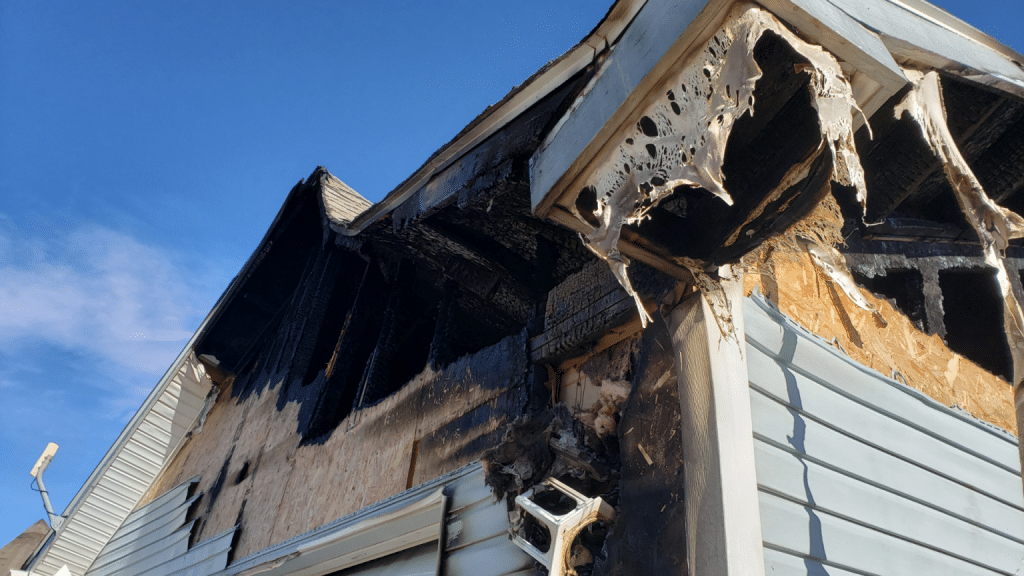
Imagine returning home after a devastating fire in your Chicago neighborhood, only to find soot-covered walls, lingering smoke odors, and structural concerns lurking beneath the surface. At Redefined Restoration Chicago’s Trusted Fire Experts, we’ve helped countless families in areas like River North, Lincoln Park, and near Wrigley Field recover fully from such tragedies. With over years of hands-on experience in Chicagoland fire damage restoration, our IICRC-certified team knows the precise steps to restore your property safely and efficiently.
Fire damage isn’t just about charred surfaces; it involves smoke infiltration, water from firefighting efforts, and potential hazards like unstable structures. Our structured process ensures every inch of your home, from high-rises in West Loop to cozy Hyde Park bungalows along Lake Shore Drive, is returned to pre-fire condition or better. In this comprehensive guide, we’ll walk you through each critical step of the professional fire damage restoration process, drawing from real cases we’ve handled near major intersections like Michigan Avenue and Lake Street.
Why Professional Fire Damage Restoration Matters in Chicago
Fires strike without warning, often in the heart of bustling neighborhoods like the Loop or quiet spots near Grant Park. The aftermath combines visible burns with invisible threats: toxic soot residues that penetrate HVAC systems, water damage leading to mold in Wilmette homes, and weakened framing that could collapse. Delaying action risks secondary damage, escalating costs by thousands.
Our team at Redefined Restoration responds in 60-90 minutes, 24/7, coordinating with Chicago Fire Department protocols and your insurance from day one. We’ve restored properties near Willis Tower after kitchen fires and entire townhomes in Lincoln Park following electrical mishaps. This rapid response prevents further deterioration, especially critical in Chicago’s humid summers where mold thrives post-water exposure.
Trustworthiness comes from our track record: IICRC-certified specialists trained in advanced techniques, direct work with all major insurers, and a 100% satisfaction guarantee. We’ve streamlined claims for families near shopping centers like Water Tower Place, handling documentation so you focus on recovery.
Step 1: Emergency Assessment and Inspection
The fire damage restoration journey begins with a thorough assessment, the cornerstone of effective recovery. Upon arrival, our experts conduct a detailed inspection to evaluate fire, smoke, and water damage extent. We check severely burned areas, hidden smoke penetration in walls, ceilings, insulation, exposed wiring, and unstable structures.
In a recent case near Wrigley Field, a residential fire left visible charring but concealed smoke damage in attic insulation. Our team used thermal imaging and moisture meters to uncover issues invisible to the naked eye, preventing mold growth that could have affected nearby Addison Street homes. This step tailors a customized restoration plan, factoring in your property’s age, construction materials, fire source, duration, and occupant needs like pets or elderly residents.
Safety is paramount; we identify hazards like lingering heat or structural instability common in older Chicago buildings near historical sites like the Water Tower. This initial 60-90 minute response secures your investment and sets the stage for efficient restoration, minimizing disruption to your daily life in neighborhoods like Hyde Park.

Step 2: Securing the Property with Board-Up and Tarp Services
Once assessed, we immediately secure the property to prevent further damage from weather, vandalism, or elements. This involves boarding up missing windows and walls, and tarping damaged roofs—essential in Chicago’s unpredictable climate, where rain near Lake Michigan can exacerbate water intrusion.
For a West Loop loft fire, high winds off Lake Shore Drive threatened further roof damage. Our crew swiftly installed heavy-duty tarps and plywood boards, stabilizing the site within hours. This not only protects contents but also complies with local safety regulations, avoiding fines near major highway interchanges like I-90 and Ohio Street.
Boarding prevents unauthorized access, a key concern in urban areas like River North with high foot traffic. Our materials withstand Chicago winters, ensuring your property remains viable for reconstruction while we handle insurance coordination seamlessly.
Step 3: Water Extraction and Drying
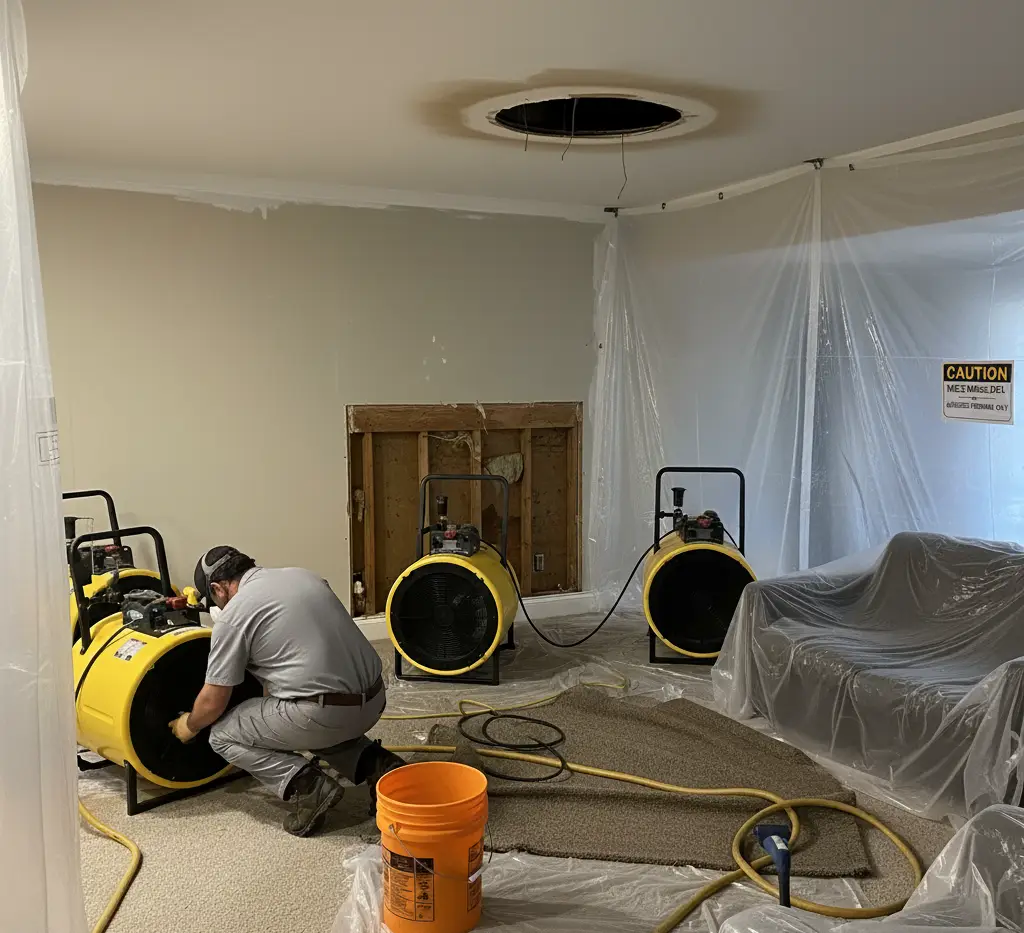
Surprisingly, water often causes more long-term damage than fire itself. Fire hoses and sprinklers saturate structures, leading to mold if not addressed promptly. Our process starts with powerful extraction using truck-mounted pumps and industrial wet vacuums to remove standing water from floors, walls, and cavities.
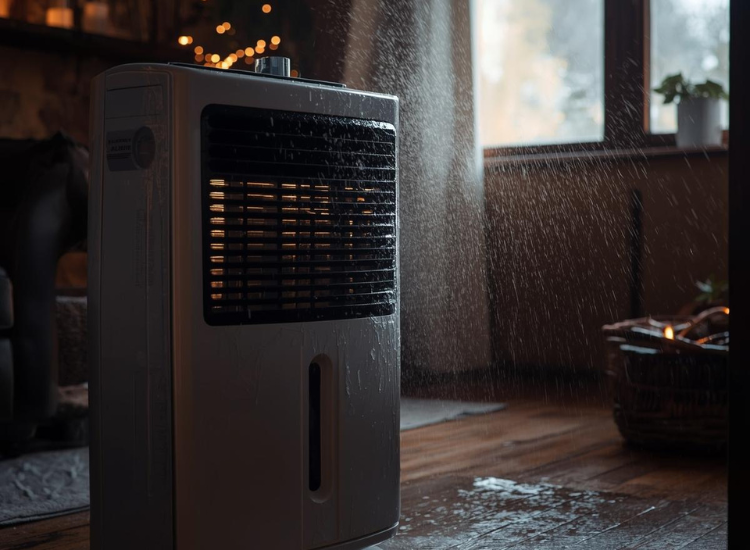
We deploy high-capacity dehumidifiers and axial air movers to dry affected areas thoroughly, monitoring with psychrometers for optimal humidity levels. In a Lincoln Park townhome case, post-fire waterlogging threatened antique wood floors near recreational areas like Lincoln Park Zoo. Our 72-hour drying protocol saved the structure, preventing costly subfloor replacements.
This step is vital near Chicago’s lakeside properties, where humidity accelerates decay. We sanitize extracted areas to kill bacteria, ensuring a healthy environment before proceeding.
Step 4: Soot and Debris Removal
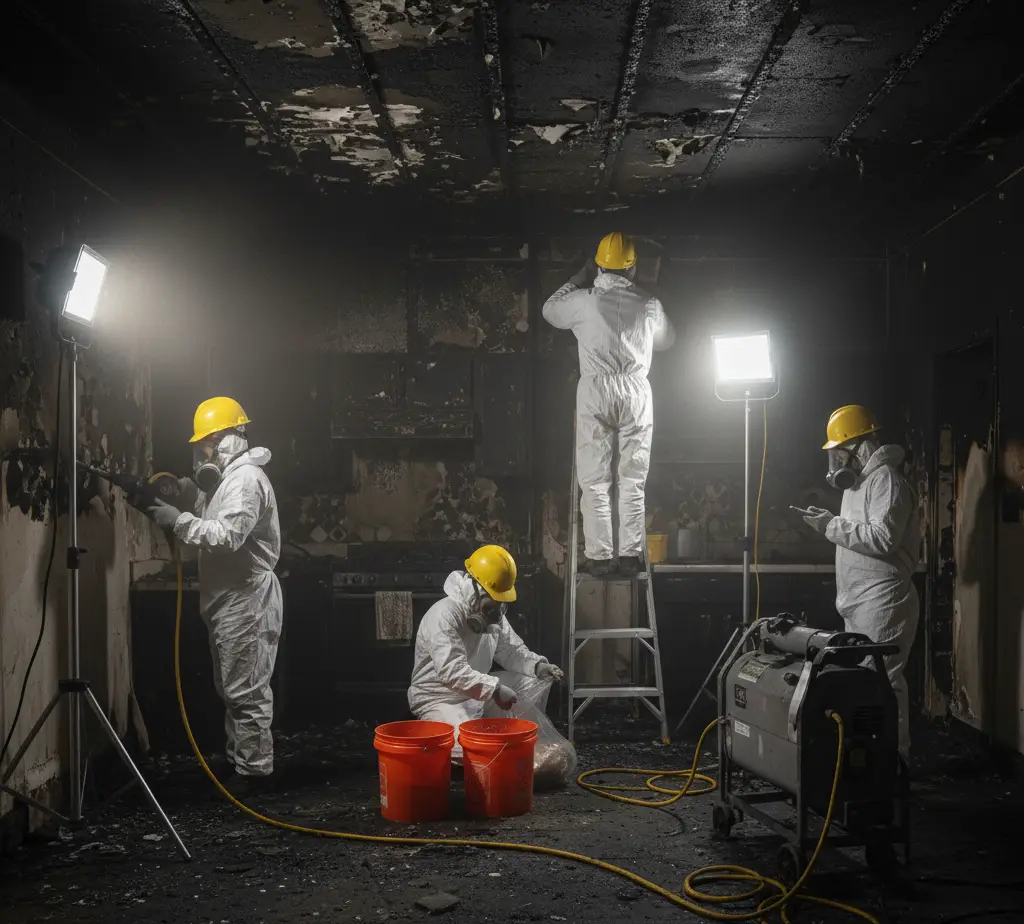
Soot, a byproduct of incomplete combustion, is oily, corrosive, and embeds deeply into surfaces. Our technicians wear PPE and use HEPA vacuums, air scrubbers, and specialized dry cleaning sponges to remove soot from all surfaces without spreading residues.
Debris like charred insulation or fallen drywall is carefully bagged and disposed of per EPA guidelines. Handling a fire in a Hyde Park residence near the University of Chicago, we meticulously cleared soot from HVAC ducts, preventing recirculation of toxins throughout the home. This labor-intensive phase prepares surfaces for cleaning, reducing health risks from carcinogens.
Precision tools ensure no cross-contamination, a standard we’ve perfected serving families across Chicagoland, from Monroe Harbor apartments to suburban spots in Wilmette.
Step 5: Cleaning, Sanitizing, and Deodorizing
With debris gone, deep cleaning eliminates smoke odors and toxins. We use hospital-grade disinfectants, ozone generators for odor neutralization, and ultrasonic cleaning for salvageable belongings like appliances and upholstery.
Contents are inventoried; restorable items are packed and treated off-site. In one River North condo restoration, smoke permeated oriental rugs—we restored them via immersion cleaning, saving thousands. Walls receive sealant primers to lock in residues, followed by antimicrobial treatments.
Deodorizing targets sources like HVAC systems cleaned with fogging and carbon filters. This multi-layered approach ensures your home smells and feels fresh, critical for sensitive groups near schools like Lincoln Park High.
Step 6: Final Restoration and Reconstruction
The capstone is rebuilding: repairing drywall, repainting with odor-blocking paints, replacing flooring, and reconstructing structural elements. Our licensed contractors handle framing, roofing, electrical, and plumbing to code.
For severe damage, we secure permits and perform full remodels. A post-fire rebuild near Grant Park involved new kitchens matching original designs, using premium materials. Final walkthroughs confirm quality, with warranties on workmanship.
This phase transforms devastation into improvement, often upgrading outdated features while coordinating insurance for seamless billing.
Navigating Insurance Claims with Redefined Restoration
We partner with all insurers, providing detailed estimates and documentation. A dedicated project manager guides you, advocating during adjuster visits. Families near Water Tower Place shopping have praised our stress-free process, from claim filing to payout.
Our expertise minimizes out-of-pocket costs, leveraging industry knowledge for fair settlements.
Preventing Future Fires: Tips from Chicago Experts
Post-restoration, we advise on prevention: regular chimney sweeps near Lincoln Park, updated wiring in vintage homes by the Water Tower, and smoke detectors tested monthly. Smart systems integration enhances safety in high-rises along Lake Shore Drive.
Frequently Asked Questions
What is the first step in fire damage restoration?
The first step is a thorough assessment and inspection by certified professionals. At Redefined Restoration, our IICRC-certified team arrives within 60-90 minutes to evaluate fire, smoke, and water damage. We use advanced tools like thermal cameras to detect hidden issues such as smoke infiltration in walls or structural weaknesses. This personalized evaluation considers your Chicago property’s unique features, like older brick construction near Grant Park or modern condos in River North. Developing a tailored plan ensures safety, prevents secondary damage like mold from firefighting water, and outlines timelines. We’ve seen this step save properties in West Loop from total loss by identifying urgent board-up needs. Clear communication keeps you informed, building trust from the start. Expect documentation for insurance, streamlining your claim while we secure the site against Chicago’s weather.
How quickly should I call for fire damage restoration services?
Call immediately—within hours of the fire being extinguished. Delays allow soot to corrode metals, water to foster mold, and weather to worsen damage, especially near Lake Michigan. Redefined Restoration guarantees 24/7 response in 60-90 minutes across Chicagoland, from Hyde Park to Wilmette. In a recent case near Wrigley Field, our rapid arrival prevented roof collapse during a storm. Early intervention cuts restoration costs by up to 50% by mitigating secondary issues. We coordinate with fire departments and insurers on-site, providing free estimates. Don’t attempt DIY; soot is toxic, and improper handling spreads contaminants. Professional speed restores safety faster, letting families near Lincoln Park Zoo return home sooner.
What does board-up and tarp service involve in fire restoration?
Board-up and tarp secure the property post-fire by covering breached windows, doors, walls, and roofs with reinforced plywood, metal sheets, and heavy-duty tarps. This prevents looting, weather intrusion, and animal entry, crucial in urban Chicago spots like the Loop. Our team assesses vulnerabilities during inspection, using weather-resistant materials for Lake Shore Drive winds. For a Lincoln Park fire-damaged townhome, we tarped a collapsed roof overnight, averting rain damage to interiors. Installation follows safety codes, with ventilation to avoid moisture traps. This step buys time for full restoration, often covered 100% by insurance. Expect minimal disruption; we restore access points upon completion, enhancing property value during recovery.
How is water damage handled after a fire?
Water extraction uses powerful pumps and vacuums to remove pooling from hoses or sprinklers, followed by industrial drying with dehumidifiers and air movers. We monitor moisture in walls and subfloors to below 15% to prevent mold, vital in humid Chicago summers. In Wilmette restorations, we’ve dried century homes near parks without warping floors. Sanitizing agents kill bacteria post-extraction. This phase lasts 3-5 days, depending on extent, with daily psychrometric checks. Neglecting it leads to rot; our proactive approach ensures structural integrity for final rebuilds near major intersections like Clark and Diversey.
Can personal belongings be saved from fire and smoke damage?
Yes, most items are salvageable with specialized cleaning. We inventory contents, using ultrasonic baths for electronics, ozone for fabrics, and thermal fogging for odors. Irreplaceable heirlooms from Hyde Park families have been restored off-site. Non-porous items like glass clean easily; porous ones like books may need desiccation. Our 90% success rate minimizes losses, documented for claims. Near shopping centers like Water Tower Place, we’ve revived wardrobes post-kitchen fires, returning them deodorized and sanitized.
How do professionals remove smoke odors after a fire?
Odor removal targets sources with HEPA filtration, ozone generators, and hydroxyl machines penetrating walls and HVAC. Sealants lock in residues before repainting. In River North high-rises, we’ve eliminated persistent smells from grease fires using multi-pass fogging. HVAC cleaning prevents recirculation. This comprehensive deodorizing ensures no traces remain, safe for kids near schools. Full elimination takes 1-2 weeks, verified by air quality tests.
What is involved in the final restoration phase?
Final restoration rebuilds structures: framing, drywall, painting, flooring, electrical, and plumbing to code. We secure permits for Chicago compliance, using premium materials. A West Loop project included custom cabinetry matching originals. Final inspections and walkthroughs confirm satisfaction, with warranties. This elevates homes beyond pre-fire state, coordinating with designers for updates.
Does Redefined Restoration handle insurance claims?
Absolutely—we work with all carriers, managing paperwork, estimates, and adjuster coordination. Project managers advocate for you, as in Lincoln Park claims yielding full coverage. Free estimates and direct billing simplify recovery near Willis Tower.
How long does full fire damage restoration take?
Typically 1-4 weeks for minor fires, 2-6 months for major ones, depending on damage scope and approvals. Chicago permitting adds time; our efficiency in neighborhoods like Hyde Park shaves weeks off via streamlined processes.
Are your technicians certified for fire damage restoration?
Yes, all are IICRC-certified in fire restoration, with ongoing training. This expertise ensures safe handling of toxins, as proven in Wilmette mold prevention post-fire, upholding highest standards across Chicagoland.
Conclusion: Restore with Confidence
Fire damage restoration follows a proven six-step path from assessment to rebuild, delivered by Redefined Restoration’s experts. Serving Chicago from River North to Lake Shore Drive, we guarantee swift, thorough recovery. Contact us for immediate help and peace of mind.