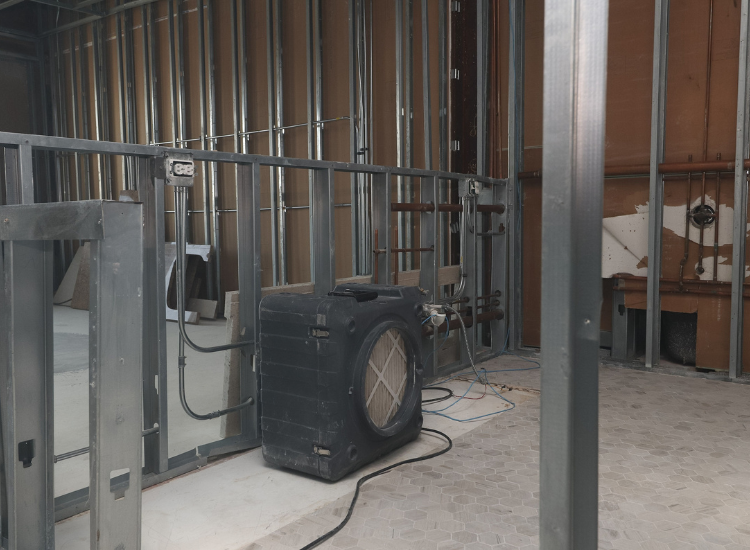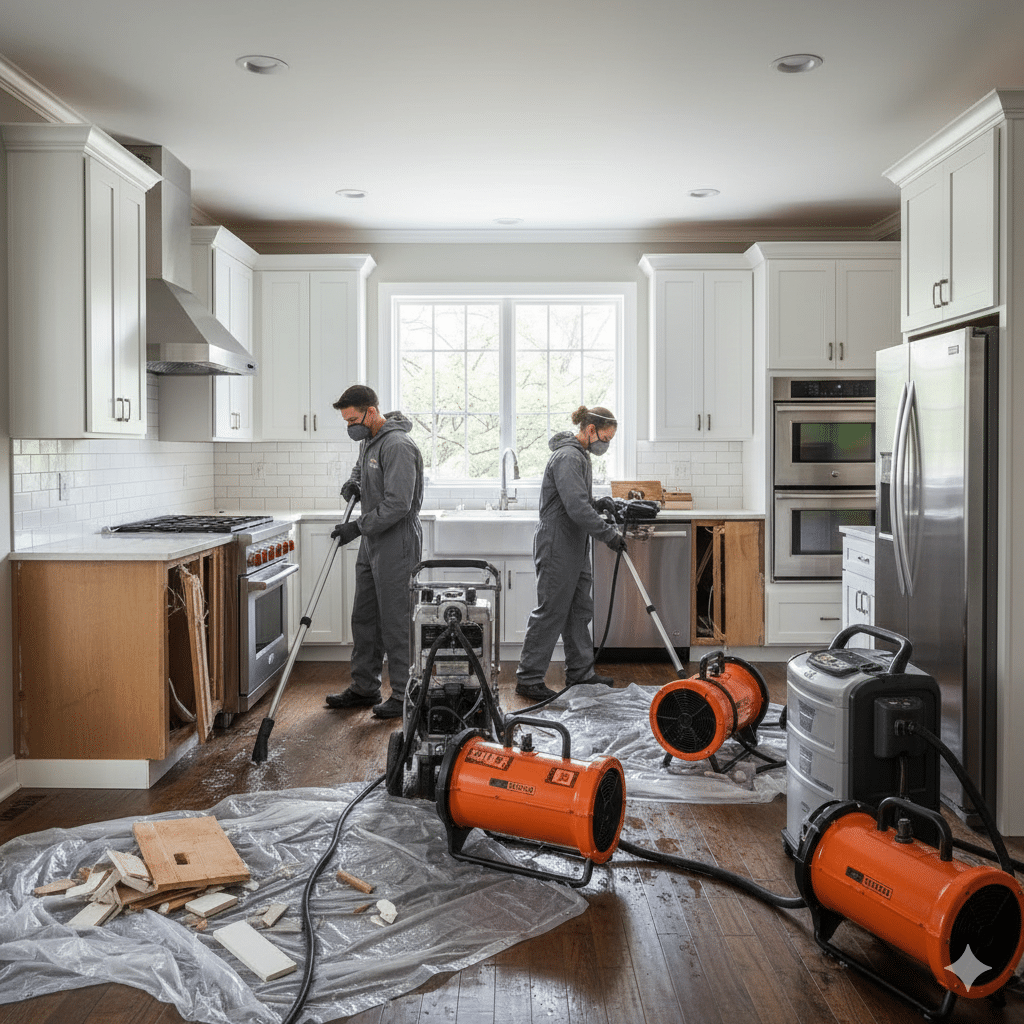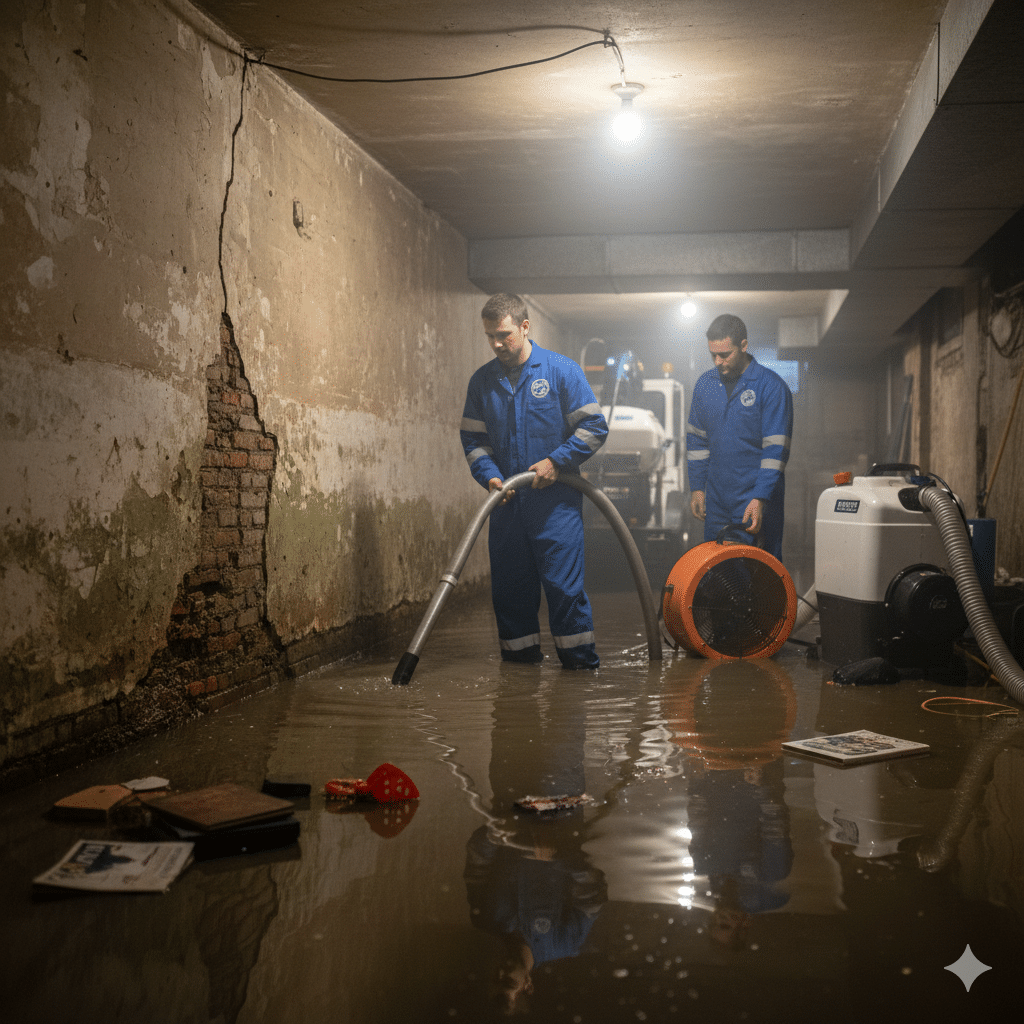
Imagine waking up to the sound of dripping water in your Chicago basement, only to discover inches of standing water ruining your stored belongings and threatening your home’s foundation. In a city like Chicago, where heavy rains from Lake Michigan storms and aging infrastructure are common, basement water damage strikes without warning, especially in neighborhoods like Logan Square, River North, and Hyde Park. As a leading restoration expert with years of hands-on experience serving Chicagoland, Redefined Restoration understands these local challenges intimately. From our base at 2924 W Armitage Ave in Logan Square, we respond in 60-90 minutes to protect homes near Wrigley Field, the Willis Tower, and along Lake Shore Drive. This comprehensive guide explores the primary causes of basement water damage in Chicago, IL, and details how Redefined Restoration’s Fast Chicago Basement Repair Services handle it with IICRC-certified precision, ensuring your property returns to pre-loss condition swiftly and reliably.
Understanding Basement Water Damage in Chicago’s Unique Climate
Chicago’s weather patterns, characterized by intense summer thunderstorms, rapid snowmelt in spring, and the relentless humidity from Lake Michigan, create perfect conditions for basement water damage. Homes in areas like Uptown, near Lake Michigan’s shores, or Pilsen with its older brick rowhouses, face heightened risks due to saturated soils and overwhelmed sewer systems. Hydrostatic pressure builds under foundations during heavy downpours, forcing water through cracks in concrete walls—a common issue after events like the 2023 floods that swamped West Loop basements. Poor drainage around properties near major intersections like North Avenue and Clybourn exacerbates this, as clogged gutters direct runoff straight to foundations. In Lincoln Park, where historic homes boast deep basements, freeze-thaw cycles crack walls, allowing seepage. Redefined Restoration has seen this firsthand, responding to countless calls from homeowners in Bucktown and Gold Coast where unmaintained sump pumps fail during power outages from storms battering areas near the 606 Trail.
Statistics from local restoration pros highlight the severity: Chicago sees over 40 inches of annual rainfall, with 20% falling in intense bursts that overwhelm outdated combined sewer systems serving neighborhoods like South Loop. This leads to backups flooding basements blocks from the Chicago River. Moreover, the city’s clay-heavy soils retain water, creating persistent hydrostatic pressure that bows walls in homes near Hyde Park‘s parks. Without prompt intervention, this damage escalates to mold growth within 48 hours, structural weakening, and health hazards—issues our IICRC-certified team mitigates daily across Chicagoland.
Top Causes of Basement Water Damage Specific to Chicago Homes
1. Heavy Rainfall and Poor Exterior Drainage
The most prevalent cause in Chicago is excessive rainfall overwhelming inadequate drainage systems. During typical summer storms, neighborhoods like River North experience flash flooding, where downspouts dump water next to foundations instead of extending away. In Logan Square, where our office is located near Palmer Square Park, we’ve extracted water from basements after gutters clogged with oak leaves from nearby trees direct sheets of water toward walls. Homeowners near major highways like I-90/94 see amplified runoff from impervious surfaces, saturating soils around foundations. Redefined Restoration’s process starts with assessing grading—ensuring soil slopes away from the house by at least 6 inches over 10 feet—to prevent recurrence.
2. Foundation Cracks from Freeze-Thaw Cycles
Chicago’s brutal winters, with temperatures plunging below zero near Grant Park, cause water in soil to freeze and expand, cracking concrete foundations. This is rampant in older homes in West Loop and Uptown, where thin walls develop hairline fractures. Come spring thaw near the lakefront, water seeps through, pooling in basements. Our team uses moisture detection equipment to identify these hidden leaks, injecting epoxy for seals during repairs—a technique honed from countless jobs near Wrigley Field after harsh winters.
3. Sump Pump Failures and Sewer Backups
Sump pumps are lifelines in Chicago basements, but they fail due to power outages during storms or clogs from sediment in areas like Pilsen with combined sewers. The city’s aging infrastructure, built over a century ago, backs up during 2-inch rain events, flooding low-lying South Loop basements. Redefined Restoration arrives with high-powered extraction units, removing gallons per minute while installing battery backups to fortify against future blackouts near O’Hare interchanges.
4. Burst Pipes and Appliance Malfunctions
Winter pipe bursts from frozen lines plague Lincoln Park brownstones, while water heater leaks strike Bucktown rowhomes. High Chicago water pressure exacerbates pinhole leaks in copper pipes common in pre-1980s builds near Hyde Park universities. Our 24/7 emergency response extracts water fast, using industrial dehumidifiers to dry framing and prevent mold in these confined spaces.
5. High Water Table and Hydrostatic Pressure
Proximity to Lake Michigan raises water tables in Gold Coast and Uptown, pushing groundwater through floors. After heavy rains near Montrose Beach, pressure forces water up— a scenario we’ve countered with French drains in numerous restorations. Neighborhoods like Albany Park near the North Branch Chicago River see this amplified during spring thaws.
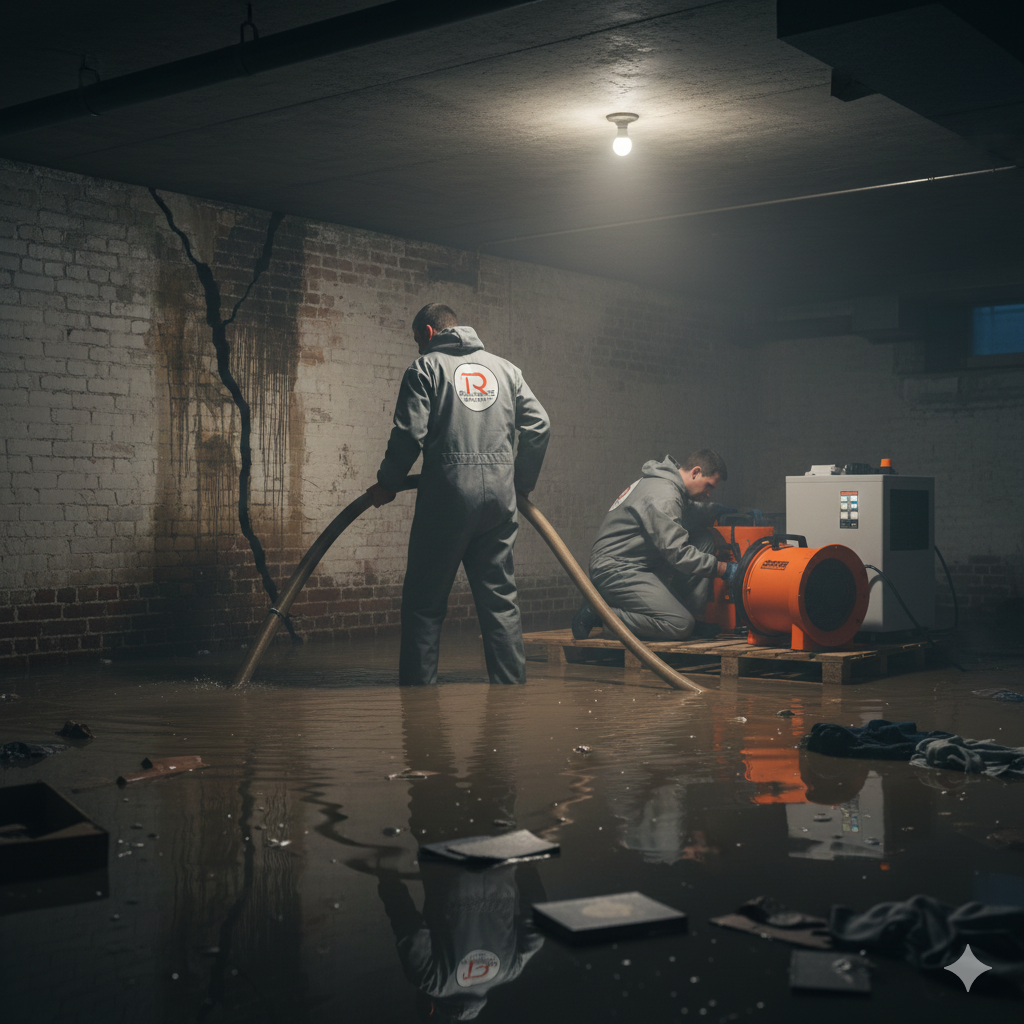
How Redefined Restoration Handles Basement Water Damage in Chicago
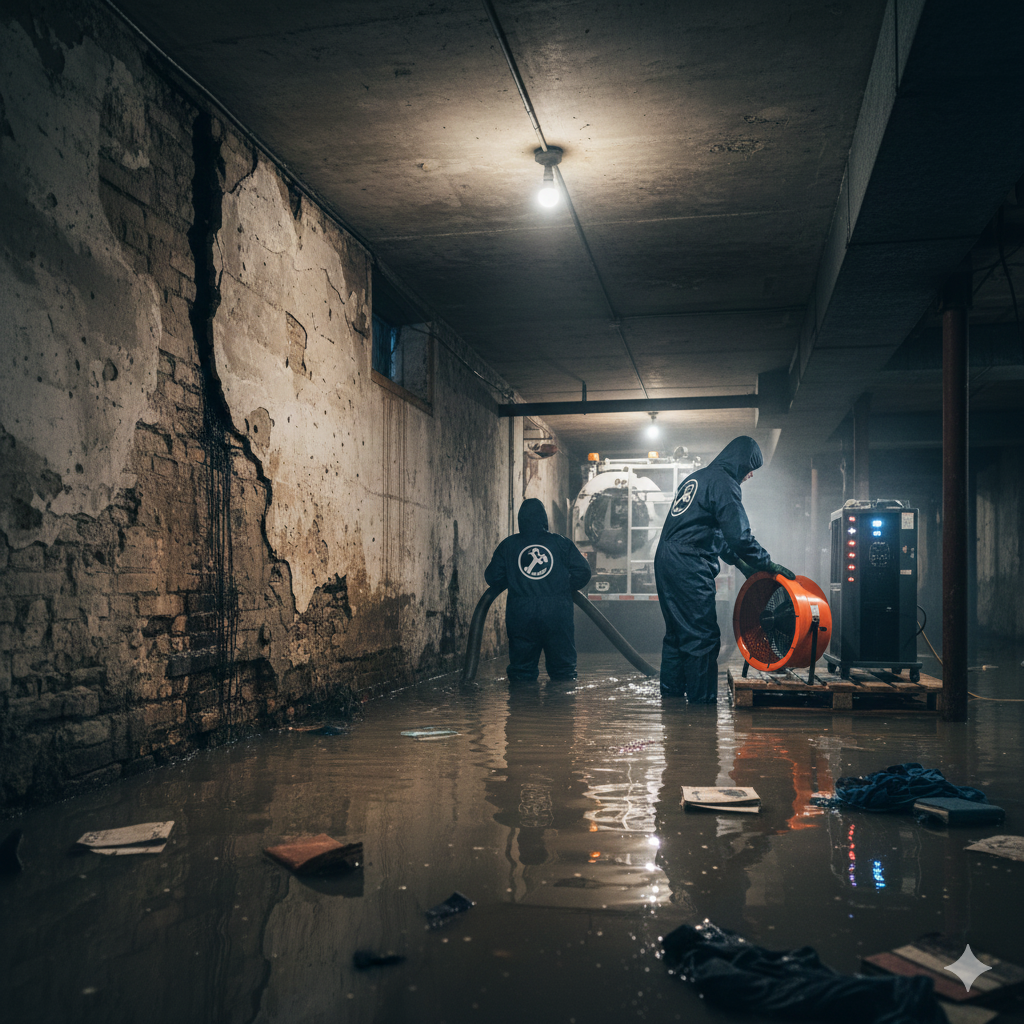
At Redefined Restoration, our IICRC-certified technicians follow a proven, industry-standard process tailored to Chicago’s challenges. Operating 24/7, including holidays, we reach sites in Logan Square, River North, West Loop, Lincoln Park, Hyde Park, Gold Coast, South Loop, Pilsen, Uptown, and Bucktown within 60-90 minutes. Here’s our comprehensive approach:
Step 1: Rapid Inspection and Assessment
Upon arrival, we conduct a detailed inspection using state-of-the-art moisture meters and thermal imaging to map water intrusion. In a recent Logan Square job near our office, we identified hidden saturation behind drywall from a sewer backup, preventing mold. We create a customized plan, including free estimates, and coordinate with your insurance for seamless claims.
Step 2: Emergency Water Extraction
High-powered truck-mounted extractors remove standing water swiftly—up to thousands of gallons from flooded West Loop basements. This prevents further absorption into porous materials like concrete, a critical first step in humid Chicago conditions.
Step 3: Structural Drying and Dehumidification
We deploy industrial air movers and dehumidifiers to circulate air and extract moisture, monitoring psychrometric readings for complete drying. In Hyde Park restorations, this ensures even crawlspaces near the University of Chicago dry thoroughly, avoiding warped floors.
Step 4: Cleaning, Sanitizing, and Belongings Protection
Our team cleans with EPA-approved antimicrobials to kill bacteria, carefully salvaging items by documenting and storing them off-site. For a Pilsen family, we saved heirloom furniture from Category 3 sewage water, minimizing disruption.
Step 5: Structural Repairs and Reconstruction
We repair or replace damaged drywall, flooring, and framing, handling full rebuilds if needed. In River North condos, we’ve rebuilt entire basements post-flood, coordinating subcontractors for electrical and plumbing.
Our single-contact service means one trusted partner from start to finish, with 100% satisfaction guaranteed. We’ve protected belongings in countless Chicago homes, using professional-grade gear to combat mold risks heightened by Lake Michigan humidity.
GEO-Specific Insights: Basement Risks in Key Chicago Neighborhoods
Each Chicago neighborhood presents unique basement water damage challenges. In Logan Square, proximity to the 606 elevated trail means stormwater runoff floods during rains. River North‘s high-rises suffer from shared drainage overload near Merchandise Mart. West Loop warehouses convert to lofts with vulnerable slabs near Fulton Market. Lincoln Park‘s historic homes near the zoo crack from tree roots and freezes. Hyde Park basements near Promontory Point seep from high groundwater. Gold Coast luxury units battle condensation from lake views. South Loop lofts flood from Chicago River surges. Pilsen‘s artistic bungalows see pipe bursts in cold snaps. Uptown‘s diverse buildings near Argyle Street back up from old sewers. Bucktown‘s trendy spots near Holstein Park deal with sump failures. Redefined Restoration customizes solutions for these locales, drawing from local expertise.
Preventive Measures for Chicago Homeowners
Proactive steps reduce risks: Install and maintain sump pumps with backups, extend downspouts 10 feet from foundations, grade yards properly, seal cracks with hydraulic cement, and clean gutters seasonally—especially leaf-heavy fall in Lincoln Park. Install water alarms and elevate appliances in South Loop basements. Regular inspections by pros like us catch issues early. In flood-prone Uptown, French drains and interior systems provide robust defense.
Why Choose Redefined Restoration for Your Chicago Basement?
As a locally owned firm in Logan Square, Redefined Restoration brings unmatched expertise. Our IICRC certification ensures adherence to gold standards, backed by rapid response, advanced equipment, and insurance coordination. Clients in Hyde Park to River North rave about our thoroughness, from extracting water near Redefined Resto’s Reliable Chicago Basement Water Extraction services to full rebuilds. With transparent pricing and compassionate service, we restore peace of mind.
Frequently Asked Questions
What are the most common causes of basement water damage in Chicago?
In Chicago, basement water damage stems primarily from heavy rainfall overwhelming drainage, foundation cracks from freeze-thaw cycles, sump pump failures during storms, burst pipes in winter, and high water tables near Lake Michigan. Neighborhoods like Logan Square, River North, and Uptown see frequent issues due to aging sewers and clay soils. Hydrostatic pressure forces water through floors after downpours near the Chicago River, while power outages disable pumps in West Loop. Redefined Restoration’s IICRC-certified team assesses these swiftly, using thermal imaging to pinpoint sources. Preventive maintenance like gutter cleaning and downspout extensions is key, but when damage strikes, our 60-90 minute response extracts water fast, preventing mold in humid basements. Homeowners in Hyde Park and Pilsen benefit from our local knowledge of neighborhood-specific risks, ensuring tailored fixes that address root causes for long-term protection. (142 words)
How quickly does Redefined Restoration respond to basement water damage in Chicago?
Redefined Restoration guarantees a 60-90 minute response time for basement water damage emergencies across Chicago, including Logan Square, Lincoln Park, and South Loop—24/7, weekends, and holidays. From our 2924 W Armitage Ave office, we dispatch IICRC-certified techs equipped for immediate extraction. In a recent Bucktown call, we arrived post-storm, removing 500 gallons in hours. Speed is critical as mold grows in 48 hours amid Chicago humidity. We provide free estimates on-site, outlining plans and insurance steps. This rapid action minimizes structural harm in areas like Gold Coast near lakefront moisture. Clients appreciate our single-contact approach, handling everything without delays. Whether near Wrigley Field or Willis Tower, our fleet ensures prompt arrival, restoring normalcy fast. (138 words)
Does Redefined Restoration work with insurance for Chicago basement repairs?
Yes, Redefined Restoration streamlines insurance claims for Chicago basement water damage, coordinating directly with providers from assessment to reconstruction. We document damage meticulously for River North and Hyde Park claims, maximizing approvals. Our experience in West Loop floods ensures paperwork aligns with policies, reducing your hassle. IICRC-certified pros like us know Chicago-specific coverages for sewer backups common in Pilsen. We bill insurers directly, offering free estimates without out-of-pocket surprises. In one Uptown case, we secured full coverage for drying and rebuild. Transparent communication keeps you informed, fostering trust across Chicagoland. From Logan Square to South Loop, we partner as your advocate, ensuring fair settlements and quality restores. (132 words)
Can Redefined Restoration save my belongings after basement flooding in Chicago?
Absolutely, protecting belongings is a priority in our basement water damage process. IICRC-certified techs assess items in Lincoln Park and Bucktown homes, using salvage techniques to pack, document, and store them securely off-site. In a Gold Coast job, we rescued electronics and furniture from Category 2 water. We clean textiles and surfaces with specialized agents, preventing microbial growth in Chicago’s damp climate. For irreplaceables near Hyde Park parks, we prioritize careful handling. Our process minimizes disruption, returning cleaned items post-drying. High success rates stem from prompt response and pro-grade tools, trusted by River North residents. We inventory everything for insurance, ensuring comprehensive recovery. (128 words)
What equipment does Redefined Restoration use for Chicago basement drying?
Redefined Restoration deploys state-of-the-art gear for thorough basement drying in Chicago: truck-mount extractors for rapid water removal, industrial dehumidifiers pulling moisture from humid air near Lake Michigan, powerful air movers for circulation, and infrared cameras for detection. In Logan Square basements, we monitor until under 15% moisture. This prevents warping in Pilsen floors and mold in Uptown walls. Our setup handles large volumes post-storms affecting West Loop. IICRC standards guide usage, ensuring efficiency. Clients in South Loop see results in days, not weeks. Combined with antimicrobials, this restores safety swiftly across neighborhoods. (124 words)
Is Redefined Restoration certified for basement water damage in Chicago?
Yes, our entire team holds IICRC certification, the gold standard for water damage restoration, ensuring expertise in Chicago basements from River North to Hyde Park. This covers extraction, drying, and antimicrobial treatments tailored to local mold risks. Years of serving Logan Square and Bucktown refine our skills for freeze-thaw cracks and sewer issues. Certification means adherence to psychrometrics and safety protocols, vital near Lincoln Park‘s dense housing. We stay updated on Chicago codes, delivering authoritative service. Homeowners trust our credentials for complex jobs like Gold Coast rebuilds, guaranteeing quality and compliance. (118 words)
How much does basement water damage repair cost in Chicago?
Costs for Chicago basement water damage repair vary by extent: minor extractions start at $1,500, full rebuilds reach $20,000+, depending on size and damage in areas like West Loop. Redefined Restoration offers free estimates, factoring square footage, water category, and materials. Insurance often covers most in South Loop floods. Our transparent pricing avoids surprises, with direct billing. In Pilsen, a typical sump failure job ran $3,500 including drying. We optimize efficiency to control costs while ensuring thoroughness. Factors like Uptown access or Hyde Park antiquity influence quotes. Call for personalized assessment. (112 words)
How long does it take to repair basement water damage in Chicago?
Timeline for basement water damage repair in Chicago spans 3-7 days for drying and mitigation, up to weeks for reconstruction. Extraction is same-day; drying takes 3-5 days in Logan Square humidity, monitored precisely. Repairs follow, faster in River North open spaces. Our 24/7 start speeds recovery. A Bucktown project finished in 4 days total. Complex Hyde Park jobs with framing extend to 2 weeks. We coordinate for minimal disruption, updating throughout. Weather in Chicago affects drying, but our equipment excels. Full restore returns usability quickly. (108 words)
What should I do immediately after discovering water in my Chicago basement?
First, ensure safety by avoiding electrical hazards in your Chicago basement. Shut off water if possible, document damage with photos for insurance, then call Redefined Restoration at (872) 274-4702 for 60-90 minute response. Don’t drain sump to avoid collapse in West Loop. Remove valuables carefully. In Lincoln Park, ventilate if safe. Our team handles extraction and assessment promptly, preventing mold near Lake Michigan. Acting fast in Pilsen saves thousands. Notify insurance immediately—we guide claims. Professional intervention is crucial over DIY in humid conditions. (102 words)
Does Redefined Restoration handle mold after basement water damage in Chicago?
Yes, we address mold prevention and remediation post-basement water damage in Chicago. Antimicrobials during drying stop growth in Uptown basements. If present, IICRC protocols contain, remove, and restore affected areas in Gold Coast homes. Chicago humidity demands this; we’ve eradicated infestations in South Loop quickly. Full containment protects health, especially families near Hyde Park schools. Our gear includes HEPA vacuums and foggers. Combined with drying, it ensures safe, mold-free spaces. Trust us for comprehensive care across neighborhoods. (98 words)
Conclusion: Protect Your Chicago Home Today
Basement water damage in Chicago demands swift, expert action to safeguard your investment amid local weather woes. Redefined Restoration’s proven process, from rapid response to full reconstruction, has restored countless homes in Logan Square, River North, and beyond. Contact us for peace of mind—your trusted partner in Chicagoland recovery.