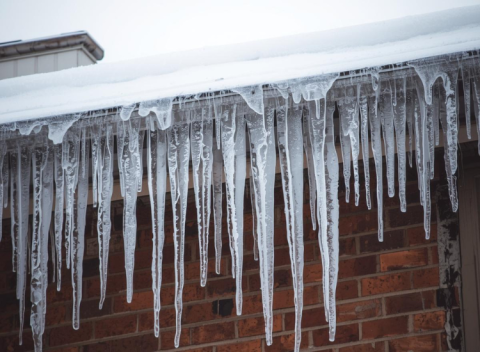
An ice dam prevention system is a combination of strategies and installations designed to stop ice dams from forming on your roof by maintaining consistent roof temperatures and ensuring proper drainage. The most effective systems include adequate attic insulation (at least R-49 for Chicagoland homes), robust ventilation to keep your roof cold, and sometimes heated cables along roof edges and gutters. For homeowners throughout Cook, DuPage, Lake, Will, and Kane Counties, where brutal winters and heavy lake effect snow create perfect ice dam conditions, these prevention systems are essential investments that protect against thousands of dollars in water damage. A properly designed system addresses the root cause of ice dams—heat escaping through your roof—rather than just treating the symptoms.
Understanding How Ice Dams Form in Chicagoland Winters
Before investing in prevention, it’s crucial to understand why ice dams plague so many homes in Chicago, Evanston, Naperville, and surrounding communities. When heat escapes from your living space into the attic, it warms the roof deck. This warmth melts snow on the upper portions of your roof, even when outdoor temperatures plunge below zero during those infamous polar vortex events. The melted water then flows down toward the colder eaves, where it refreezes into ice ridges.
As this cycle repeats throughout our long winter season from December through February—and sometimes into March—the ice dam grows larger. Eventually, water pools behind this barrier with nowhere to go. That’s when it finds its way under shingles and into your home, causing ceiling stains, wall damage, insulation destruction, and potential mold growth in those areas where Chicago’s humidity already creates challenges.
Historic Chicago bungalows, classic greystones in Lincoln Park and Logan Square, and mid-century ranch homes in Arlington Heights and Schaumburg are particularly vulnerable due to their older construction methods and insufficient insulation by modern standards.
Core Components of an Effective Ice Dam Prevention System
Proper Attic Insulation
The foundation of any ice dam prevention system is adequate attic insulation. For Chicagoland homes, building codes recommend R-49 insulation value, though many older homes have far less. Quality insulation keeps heated air in your living space where it belongs, preventing it from warming the roof deck.
Pay special attention to common problem areas: around chimneys, where walls meet the attic floor, above soffits, and near recessed lighting. These gaps allow significant heat loss. Professional insulation assessment can identify these weak points that aren’t obvious to homeowners.
Comprehensive Attic Ventilation
Even with excellent insulation, some heat inevitably reaches the attic. Proper ventilation removes this heat before it can warm the roof. An effective ventilation system includes intake vents at the soffits and exhaust vents near the ridge, creating continuous airflow that keeps attic temperatures close to outdoor temperatures.
For the complex rooflines common in Wicker Park two-flats or Beverly neighborhood homes, professional ventilation design ensures adequate airflow throughout all attic spaces, not just the obvious central areas.
Heat Cable Systems
For homes where insulation and ventilation improvements alone aren’t sufficient—or as a supplementary safeguard—heat cables installed along roof edges and in gutters provide an additional defense. These cables create channels for meltwater to flow safely off the roof, even when temperatures hover around freezing during those challenging freeze-thaw cycles common in March and April.
Heat cables work particularly well for problem areas like north-facing roof sections, valleys where two roof planes meet, and above architectural features that trap snow.
Gutter and Downspout Maintenance
Clean, properly functioning gutters are essential to any prevention system. Clogged gutters filled with autumn leaves trap water, which freezes and contributes to ice dam formation. Schedule professional gutter cleaning each fall before winter arrives, and ensure downspouts direct water well away from your foundation—which also protects against our notorious spring flooding season.
Professional Assessment: The Critical First Step
Every home’s ice dam vulnerability is unique, depending on its insulation, ventilation, roof pitch, sun exposure, and architectural features. Before implementing prevention measures, a professional assessment identifies your specific risk factors and the most cost-effective solutions.
This is especially important for older homes in Oak Park, Elmhurst, and Downers Grove, where hidden structural issues or outdated construction methods may require specialized approaches. A comprehensive evaluation examines your attic insulation levels, ventilation adequacy, potential air leakage points, and roof condition.
When to Call the Professionals
If you’ve already experienced ice dam damage—water stains on ceilings, peeling paint, or soggy insulation—immediate professional restoration is essential. Water damage spreads quickly, and the humid conditions in damaged areas create perfect environments for mold growth, a concern year-round but especially problematic during Chicago’s humid summers.
At Redefined Restoration, we serve homeowners throughout Chicago (including Hyde Park, Lakeview, and all city neighborhoods), Orland Park, Tinley Park, and across all surrounding Chicagoland communities with comprehensive ice dam damage restoration and prevention consultation.
Take Action Before Winter Arrives
Don’t wait for ice dams to cause costly damage to your home. Fall is the ideal time to implement prevention systems before winter’s fury arrives. Whether you need emergency restoration services after ice dam damage or want to prevent problems before they start, our experienced team provides the expertise Chicagoland homeowners trust.
Contact Redefined Restoration today at https://redefinedresto.com or call us for a professional assessment of your home’s ice dam risk and customized prevention solutions that protect your investment through every brutal Chicago winter ahead.