Iconic Chicago, IL things to do for your first Midwest adventure

fire damage restoration

Chicago — affectionately known as “The Windy City” — stands as one of the most vibrant, architectural, and culturally rich cities in America. Nestled on the shores of Lake Michigan, it’s a destination bursting with world-class art, deep-rooted music scenes, legendary food, and historic landmarks. If you’re planning your first Midwest adventure, this guide takes you through the most iconic things to do in Chicago, making sure you experience the city’s authentic heart.

From skyline architecture to deep-dish pizza, Chicago is more than just a destination—it’s an experience that awakens every one of your senses.

Explore the Architectural Marvels

Chicago’s skyline is a symphony of steel and innovation. You can’t talk about Chicago without mentioning its world-famous architecture. For design enthusiasts and curious travelers alike, taking an architectural river cruise is a must-do. Glide along the Chicago River and soak in decades of architectural brilliance that redefined American cities.

Marvel at masterpieces by Frank Lloyd Wright and Ludwig Mies van der Rohe as expert guides narrate the fascinating tales behind the towering skyscrapers. The reflection of sunlight bouncing off metallic glass facades paints a sight that’s nothing short of cinematic.

Once you finish the cruise, don’t forget to ride to the top of Willis Tower. Standing 1,450 feet tall, it offers breathtaking views that stretch across four states on a clear day. Step onto the famous Skydeck glass ledge, where your heart races as you stand above the city in a surreal blend of thrill and wonder.

Wander Through Millennium Park

Next up is Millennium Park — Chicago’s cultural and social heart. This downtown oasis represents everything the city stands for: art, community, and creativity. The iconic “Cloud Gate,” lovingly nicknamed “The Bean,” reflects the city’s skyline and visitors in its futuristic, mirror-like surface. It’s one of the most photographed attractions in North America, and for good reason.

Millennium Park is also home to the open-air Jay Pritzker Pavilion, which hosts hundreds of free concerts and events year-round. Grab a picnic blanket, sit under the skyline, and let live jazz or orchestral tunes create the perfect soundtrack for your evening.

Art lovers will also enjoy exploring nearby galleries and the Crown Fountain — a playful installation featuring LED screens that display the faces of Chicago locals and spout water playfully during the summer months. And while you’re soaking in Chicago’s art and architecture, remember that city living also means being prepared for life’s unexpected moments. Many locals rely on trusted professionals when searching for fire damage restoration near me — ensuring their homes and businesses stay safe, no matter what surprises the Windy City brings.

Indulge in Chicago’s Culinary Icons

Chicago’s dining scene is legendary. Whether you’re seated in a Michelin-star restaurant or grabbing street food, every bite tells a story. The city’s signature dish, deep-dish pizza, deserves an entire afternoon of celebration. Layers of cheese, crushed tomatoes, and a buttery crust so thick it’s practically a pie — Chicagoans have redefined comfort food.

Lou Malnati’s, Giordano’s, and Pequod’s Pizza remain staples for visitors seeking authenticity. But don’t let pizza overshadow the city’s other culinary gems — indulge in a fully dressed Chicago-style hot dog (hold the ketchup), taste buttery Garrett’s popcorn, or explore the international flavors in neighborhoods like Chinatown and Little Italy.

For a fine dining night, explore the West Loop — home to some of the most imaginative restaurants in the country. Whether it’s an experimental tasting menu or a sizzling steakhouse, Chicago makes every meal a memory.

Stroll Down the Magnificent Mile

Known as “The Mag Mile,” this stretch along Michigan Avenue is Chicago’s shopping paradise. From luxury boutiques to flagship department stores, it’s an experience that merges shopping, entertainment, and history all in one.

Beyond retail therapy, the Magnificent Mile is lined with architectural landmarks. The Wrigley Building, Tribune Tower, and John Hancock Center stand as elegant reminders of Chicago’s skyscraper legacy.

As you stroll, don’t miss the Chicago Riverwalk, stretching along the river with open-air cafes, art installations, and kayaking options. It’s one of the best ways to experience the city’s rhythm up close—by foot, paddle, or simply enjoying a lakeside coffee as boats drift by.

Embrace Chicago’s Artistic Soul at the Art Institute

Founded in 1879, the Art Institute of Chicago remains one of the most respected art museums in the world. From impressionist masterpieces to contemporary installations, it houses more than 300,000 works of art. Pieces like Grant Wood’s American Gothic and Georges Seurat’s A Sunday on La Grande Jatte are instantly recognizable, but the museum’s charm lies in discovering the unexpected.

The museum’s architecture itself is iconic, blending its original Beaux-Arts structure with the stunning modern Wing by Renzo Piano. Spend an afternoon wandering through galleries that showcase cultures, movements, and centuries of human creativity.

If modern art excites you, step into the Museum of Contemporary Art nearby. It’s an ever-changing space that challenges ideas, inspires curiosity, and sparks conversation.

Journey Through History at the Field Museum

Step into the Field Museum and travel through time. One of the largest natural history museums in the world, it offers exhibits that educate and fascinate visitors of all ages. The most famous resident, “SUE” the T. Rex, is an awe-inspiring reminder of Earth’s prehistoric power.

The museum’s vast exhibits explore evolution, ancient civilizations, gemstones, and global cultures. It’s a family favorite and an ideal destination to blend learning with exploration. The museum’s immersive displays transport you from ancient Egypt to the depths of South America — an unforgettable experience.

Soak Up Science at the Museum of Science and Industry

Located in Jackson Park, the Museum of Science and Industry (MSI) is not just for kids—it’s for the curious of every age. This sprawling interactive museum lets you touch, build, and explore science in action. Walk through a life-sized submarine, test your reflexes in hands-on exhibits, and even experience flight simulation.

One of its greatest strengths is blending fun with innovation. The museum showcases how technology shapes our everyday lives and future possibilities. It’s a reminder of Chicago’s role as a hub for invention and progress.

Feel the Music: Blues, Jazz, and Beyond

Chicago’s heartbeat is music. From soulful blues to electric jazz and house music, this city set the stage for American soundtracks that transformed global music scenes. Icons like Muddy Waters and Buddy Guy shaped the essence of Chicago blues, influencing generations.

If live music fuels your adventures, spend your night at Kingston Mines or Buddy Guy’s Legends, where world-class musicians perform nightly. The intimate setting, history-soaked atmosphere, and unmatched energy make Chicago nightlife unforgettable.

During summer, the Chicago Blues Festival and Jazz Festival celebrate this musical heritage with performances across grand parks and riverside stages.

Cruise Lake Michigan at Sunset

There’s no better way to see the city than from Lake Michigan. A sunset boat cruise offers panoramic views as the sky transforms into a golden masterpiece. Whether you choose a lively party cruise or a serene dinner yacht, the skyline sparkles in waves of amber and silver reflections.

For something more adventurous, try sailing or kayaking near Navy Pier. The waterfront buzzes with excitement, carnival rides, and family attractions. The Centennial Wheel offers a bird’s-eye view, especially magical at night.

Experience Sports the Chicago Way

No city lives and breathes sports quite like Chicago. Baseball fans can feel the nostalgia at Wrigley Field, home of the Chicago Cubs. The ivy-clad walls, old-school charm, and roaring crowd create an atmosphere that transcends generations.

If basketball or hockey fires you up, head to the United Center to catch the Chicago Bulls or Blackhawks in action. Sports are more than games here—they’re part of the city’s DNA.

Even if you aren’t a fan, the energy on game days is infectious. Local bars and restaurants erupt in cheers, uniting the city in celebration, victory, and sometimes heartbreak.

Discover the Hidden Neighborhood Charms

While downtown Chicago dazzles, its neighborhoods pulse with authentic local flavor. Head to Pilsen for colorful murals, vintage stores, and authentic Mexican cuisine. Explore Wicker Park for indie stores, craft coffee, and bohemian energy.

Ukrainian Village and Logan Square offer some of the city’s most vibrant nightlife scenes, while Hyde Park boasts historic architecture and cultural depth. Each neighborhood tells its own story — together painting a portrait of Chicago’s diversity and creative spirit.

Take a Break in Grant Park and the Lakefront Trail

Chicago’s Lakefront Trail stretches along 18 miles of scenic beauty beside Lake Michigan. Perfect for walking, jogging, or cycling, it ties together the city’s rich tapestry of beaches, parks, and attractions. Start at Grant Park, the city’s green “front yard,” and let the breeze carry you toward Navy Pier.

Along the way, enjoy quiet gardens, basketball courts, and local food stands. The skyline views shimmer against the lake—a tranquil escape from the city’s lively hum.

Celebrate at Chicago’s Festivals

Chicago’s calendar overflows with festivals that capture the city’s bright personality. From Taste of Chicago’s culinary showcase to Lollapalooza’s music explosion, there’s always a reason to celebrate.

Street festivals fill each neighborhood, featuring everything from food trucks to indie markets. During winter, the Christkindlmarket transforms Daley Plaza into a European-style wonderland of lights, crafts, and spiced cider. It’s Chicago’s way of turning every season into a magical celebration.


Explore Chicago’s Theatrical Scene

Chicago’s theater community is one of the nation’s most dynamic. The city’s stages bring laughter, drama, and thought-provoking performances to life daily. Visit the Chicago Theatre for its grandeur or the improvisational legend, The Second City, where stars like Tina Fey and Steve Carell began their careers.

Every show feels alive, authentic, and uniquely Chicago. From Broadway-in-Chicago spectacles to small, avant-garde productions, there’s no shortage of creativity on stage here.


Dive into the Nightlife

When the sun sets, Chicago transforms into a glittering playground of lights, beats, and conversation. Downtown rooftops offer dazzling skyline views framed by cocktails and laughter. Fulton Market bursts with rooftop lounges and bars serving inventive mixes.

For something unconventional, explore speakeasies tucked behind bookcases or alleyways. Live DJs, dance floors, and curated cocktail menus make every night in Chicago different from the last.


Capture Chicago Through Your Lens

Photography enthusiasts won’t find a better canvas than Chicago. The reflection of sunset on Cloud Gate, urban murals in the West Loop, or the golden charm of the “L” tracks all tell the city’s story visually. For unparalleled shots, head to the Adler Planetarium peninsula, offering the most Instagram-worthy skyline view you’ll ever see.

At golden hour, the city glows with a warmth that makes each photo look cinematic. Every angle rewards those who love seeing art through the lens.


A City That Blends Modernity with Memory

Chicago is a city built on reinvention. From the Great Fire to the rise of jazz and architecture that defined skylines worldwide, its resilience is its heartbeat. Every block, every museum, every street vendor carries the soul of a place that refuses to stand still.

This blend of history and innovation makes every Midwest adventure unique. Whether you’re traveling solo, on a couple’s getaway, or exploring with family, Chicago welcomes you with experiences that linger long after the trip ends.

If you ever face unforeseen property damage emergencies while exploring or residing here, trust Redefined Restoration – Chicago Water Damage Service for quick and reliable care. Known for expert fire damage restoration, the team understands how devastating disasters can be. Their certified specialists ensure complete cleaning, repair, and restoration after smoke, soot, or structural destruction. When it comes to dependable fire damage restoration, prompt response and professional attention are key — both of which define their service quality. Offering innovative solutions in fire damage restoration and repairs, Redefined Restoration stands as a trusted ally to bring safety and normalcy back to your home or business.

If you are looking for dedicated professionals adept at handling emergencies with compassion and efficiency, Redefined Restoration is the name to turn to.


Redefined Restoration – Chicago Water Damage Service

2924 W Armitage Ave Unit 1, Chicago, IL 60647

(708) 722-8778

https://redefinedresto.com/water-damage-restoration-chicago/
Outdoor adventure things to do in Chicago, IL during spring

fire damage

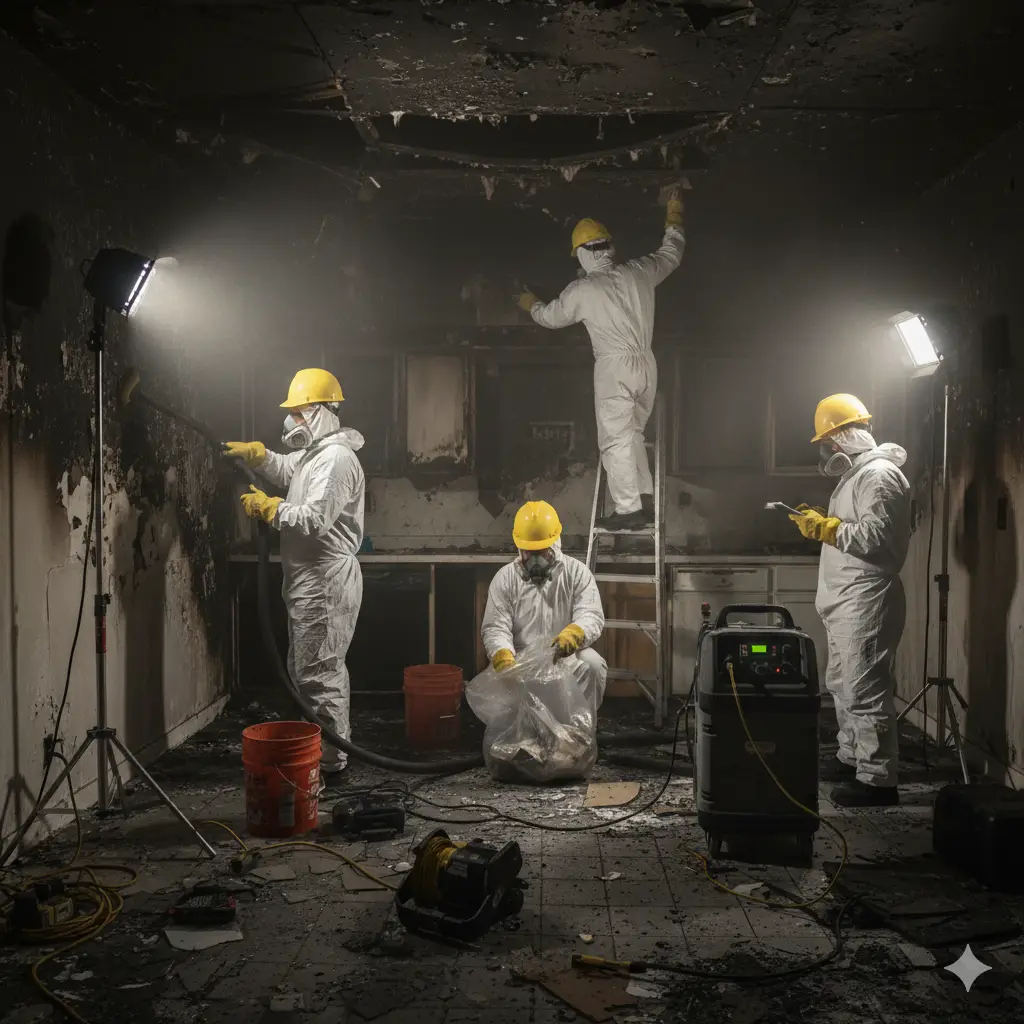
As the last traces of winter fade and crisp breezes fill the air, Chicago transforms into an outdoor enthusiast’s paradise each spring. The city’s parks bloom, the lakefront awakens, and the skyline looks even more stunning under a bright blue sky. Whether you’re an adrenaline addict, a nature lover, or simply someone who enjoys exploring, spring in Chicago brings countless opportunities to experience outdoor adventure. From kayaking along the Chicago River to biking scenic trails, there’s something invigorating for every kind of explorer.

Let’s dive into the most exciting outdoor adventure things to do this season—and discover why spring might just be the finest time to fall in love with Chicago all over again.

Embrace the Lakefront Trail

One of the most iconic outdoor experiences in Chicago begins along the Lakefront Trail, an 18-mile pathway hugging Lake Michigan. This scenic route connects some of the city’s most famous landmarks, including Lincoln Park, Grant Park, and Museum Campus. As the chill of winter gives way to the warmth of spring, the trail comes alive with joggers, cyclists, rollerbladers, and couples strolling hand-in-hand against a perfect skyline backdrop.

What makes spring so special here is the balance between activity and serenity. You can start your morning with a peaceful ride from Montrose Harbor, pause for coffee at a lakeside café, then continue down to Navy Pier. For an extra thrill, many locals grab stand-up paddleboards or rent bikes right along the trail for an easy, spontaneous adventure.

Explore Kayaking on the Chicago River

If the city looks breathtaking from land, wait until you see it from the water. Kayaking along the Chicago River offers a whole new perspective on its soaring architecture and historical bridges. During springtime, several outfitters reopen their docks and begin guided tours. Whether you’re gliding beneath bridges or paddling past gleaming skyscrapers, it’s a refreshing way to reconnect with the city after winter.

And just as Chicagoans prepare for outdoor adventures, they also value being prepared for life’s unpredictable challenges. Local homeowners often search for fire damage restoration services to ensure that their properties stay safe and protected after unexpected events. It’s the same spirit of readiness—embracing both adventure and responsibility—that defines life in Chicago.

Adventurous Biking Through Chicago’s Parks

Chicago’s network of parks and bike lanes makes it a biker’s dream in the spring. Rent a Divvy bike and pedal your way through neighborhoods that shift from bustling commercial zones to tranquil green pockets. Lincoln Park, the largest in the city, offers more than just trails—it’s home to nature walks, gardens, and even the free Lincoln Park Zoo.

For a more challenging ride, take the North Branch Trail, stretching nearly 20 miles into the forest preserves north of the city. With every mile, the scenery changes—from serene ponds to blooming wildflowers—creating the perfect backdrop for anyone seeking solace in nature.

Hike and Bird-Watch at Montrose Point Sanctuary

Spring in Chicago means migration season, and Montrose Point Bird Sanctuary—nicknamed “The Magic Hedge”—is the city’s premier spot for bird-watching. Nestled near Montrose Beach, this peaceful natural haven draws both casual hikers and seasoned ornithologists. With over 300 bird species recorded, it’s a paradise for wildlife observation.

As you wander through the trails, you’ll spot warblers, orioles, and herons gliding low over the dunes. Bring your binoculars and a camera—you never know which rare bird might stop by while you explore this stretch of outdoor serenity.

Go Rock Climbing and Ziplining in Maggie Daley Park

Nestled next to Millennium Park, Maggie Daley Park brings a unique twist to Chicago’s downtown recreation. Springtime marks the reopening of its outdoor adventure course, featuring climbing structures, suspension bridges, and zip lines with breathtaking skyline views. The climbing walls, in particular, are a hit—perfect for beginners learning safety harness skills or pros perfecting vertical techniques.

Families and groups can make an entire day of it: after a morning climb, enjoy a lakeside picnic or venture over the BP Bridge for panoramic photo ops.

Paddleboarding and Windsurfing on Lake Michigan

Lake Michigan’s shimmering waters awaken with adventure once the air warms up. Paddleboarding and windsurfing gain momentum in spring, especially near Montrose Beach and 31st Street Harbor. Beginners can take lessons right on the shore, while more advanced paddlers often chase waves farther offshore.

Spring is also ideal for combining water sports with relaxation—imagine gliding gently on your board, watching the city skyline glimmer like a living postcard.

Discover the Blooming Wonders of the Garfield Park Conservatory

When outdoor weather feels unpredictable, the Garfield Park Conservatory blends the best of nature and adventure under one glass roof. While technically indoors, the sprawling tropical and desert gardens invite a sense of exploration that mirrors the outdoors. As spring arrives, its outdoor gardens start to bloom in vivid color, offering yet another dose of beauty for city explorers.

For families, workshops and guided tours are a great way to teach kids about botany while soaking in tranquil, photo-worthy views.

Experience Urban Farming Adventures

A rising trend among Chicago’s eco-enthusiasts is volunteering or touring one of the many urban farms around the city. Farms like Growing Power and City Farm allow residents and visitors to dig in the dirt, plant seedlings, and learn sustainable gardening techniques. Volunteering here is not just outdoor fun—it’s a grounding experience reminding us of our connection with the natural world.

The combination of city skylines and rows of green vegetables makes this spring activity both educational and energizing.

Picnic and Play at Millennium Park

Though Millennium Park is famous for the Cloud Gate (aka “The Bean”), come spring, its lawns turn into a lively picnic paradise. Grab a blanket, pack your lunch, and watch the city’s heartbeat unfold around you. Visitors often toss frisbees, practice yoga, or simply soak up sunshine while music drifts from the Jay Pritzker Pavilion.

In the evenings, check out free public performances or movie screenings—ideal for capping off an adventure-filled day.

Adventure in the Forest Preserves of Cook County

Beyond Chicago’s bustling downtown lies a sprawling 70,000-acre gem—the Forest Preserves of Cook County. This enormous natural network offers hiking, canoeing, ziplining, and horseback riding opportunities. Spring fills these preserves with life; bluebells bloom along the trails, and wildlife emerge after their winter rest.

Popular areas like Busse Woods and Salt Creek Trail cater to both casual explorers and hardcore adventure-seekers. Whether camping under the stars or kayaking in a quiet lagoon, Chicago’s outdoor identity thrives right here.

Take a Sailing Lesson on the Lake

For a truly memorable adventure, try taking sailing lessons along Chicago’s coastline. Several boat clubs open for the season in April, offering crash courses for beginners. Under the soft spring wind, you’ll learn to hoist sails, steer, and feel the rhythm of Lake Michigan’s open waters.

As you navigate, the combination of calm water and the skyline glowing in the morning light makes for a movie-like experience.

Embark on a Spring Running Challenge

Chicago’s running community truly comes to life in spring. The city’s scenic pathways—especially along Grant Park, Northerly Island, and the Riverwalk—offer energizing routes for joggers. Many people join organized 5Ks and half-marathons this time of year, enjoying the camaraderie that comes with thousands of runners chasing the same sunrise.

Even if you’re not racing, setting your own fitness goals outdoors becomes much more enjoyable surrounded by blooming tulips and cheering locals.

Explore Northerly Island’s Natural Beauty

Northerly Island feels like stepping away from the urban roar and into a Midwest prairie. This narrow peninsula, just south of Museum Campus, showcases both lake and skyline views while offering trails for hiking and biking. Come spring, wildflowers begin to cover the rolling landscape, and migratory birds fill the sky.

Bring a pair of binoculars or a sketchbook—the combination of city artistry and natural splendor makes this one of Chicago’s best-kept open-air secrets.

Take a Skyline Segway Tour

A Segway tour through Chicago’s downtown area offers both adventure and education. Once you glide onto the paved trails along the lakefront or wind through historic districts, you realize it’s a thrilling yet easy way to explore the city’s landmarks. The spring weather—mild and breezy—makes this outdoor activity particularly enjoyable.

Local guides share fascinating anecdotes about waterfront history, architecture, and lesser-known local hangouts, turning your ride into a moving story through time.

Go Fishing at Jackson Park Lagoon

Fishing may sound tranquil, but when surrounded by blooming landscapes and chirping birds at Jackson Park Lagoon, it’s pure springtime therapy. Locals cast lines for bass, catfish, and panfish, while families enjoy picnics nearby. The peaceful waterway gives a sense of being far from the city, even with downtown’s towers visible on the horizon.

Bring some snacks, a camera, and plenty of patience—it’s a slice of natural charm tucked quietly into Chicago’s south side.

Participate in a Spring Adventure Race

For thrill-seekers craving a team-based challenge, Chicago’s adventure races combine running, cycling, and navigation into one exhilarating event. Held across city parks and lakefront sandscapes, these races test endurance and problem-solving alike. Spring’s mild temperatures make competing outdoors both manageable and thrilling.

Many local organizations host beginner-friendly events perfect for families or coworkers looking to bond over a shared adrenaline rush.

Take a Chicago River Architecture Cruise

Though not a typical sport, a river cruise through Chicago’s architectural corridor is an unmissable outdoor experience. It couples open-air sightseeing with fascinating storytelling. Springtime breezes and blooming riverside trees elevate the experience, especially when paired with the glittering reflections from the city’s glass towers.

The best part? Every cruise offers glimpses of landmarks that look entirely different under bright Alberta sunlight compared to midwinter gloom.

Attend Outdoor Festivals and Food Markets

Spring in Chicago is also cultural adventure season. Food, music, and art festivals pop up all over, giving locals and visitors countless events to explore outdoors. The Chicago Beer Classic, Mayfest, and various farmers’ markets fill the months of April and May with flavor and energy.

Roaming from one street market to another feels like an urban expedition. Sample artisan foods, meet local vendors, and support Chicago’s vibrant creative community—all while soaking in sunshine and fresh air.

Chase Sunset Views at Promontory Point

Few spots rival Promontory Point for watching sunsets over Chicago’s skyline. Located along the lake near Hyde Park, it’s famous for rocky outcrops that stretch into the water, offering panoramic perspectives of both city and nature. It’s the perfect spot to end a day of kayaking, biking, or exploring with a quiet moment of reflection.

Bring a warm jacket and some snacks, because once the colors start spreading across the horizon, you’ll want to stay awhile.

Enjoy Spring Camping Adventures Near the City

Camping near Chicago doesn’t require a long drive. Several forest preserves just outside the city limits open campsite reservations in spring, such as Camp Bullfrog Lake or Camp Sullivan. These destinations offer a mix of hiking trails, kayaking access, and tranquil stargazing opportunities.

A spring night spent around a campfire, with cool breezes drifting through budding trees, creates a sense of peace that few urban weekends can match.

Practice Yoga in the Park

Outdoor yoga classes begin to bloom alongside daffodils in Chicago’s parks every spring. From Grant Park’s weekend gatherings to lakeside sunrise sessions, these experiences allow participants to breathe deeply in fresh air while reconnecting with nature. Many instructors blend sound therapy or gentle meditation into sessions for full-body rejuvenation.

If you’re new to yoga, the outdoor classes often welcome walk-ups—no membership or equipment needed. Just bring yourself and an open mind.

Rediscover the Chicago Riverwalk

The Chicago Riverwalk becomes one of the city’s most enjoyable places to stroll, dine, and relax once the weather warms up. Artists, musicians, and street vendors fill the promenade, while boats float lazily by under historic bridges. Adventure-seekers can even rent bikes or hop aboard small boat experiences right from the marina.

The Riverwalk seamlessly fuses modern urban life with refreshing outdoor energy—a perfect reflection of Chicago’s adventurous spirit.

Try a Guided Photography Hike

For travelers who love both creativity and exploration, guided photography hikes blend art and adventure. Chicago photographers frequently host spring sessions in Lincoln Park, the Riverwalk, and Northerly Island, teaching participants how to capture natural light, reflections, and movement.

It’s more than just sightseeing—it’s learning to see nature and architecture through a fresh lens, perfect for both hobbyists and professionals.


Springtime adventures bring renewal—but sometimes life brings unexpected setbacks like fire damage. When fire damage strikes your home or business, it can disrupt your peace and daily rhythm. That’s why having access to professional help matters most. Redefined Restoration offers expert fire damage restoration services designed to restore safety and comfort quickly. Our skilled team uses advanced equipment and proven strategy to handle fire damage cleanup, removing smoke odor, debris, and structural soot for complete recovery. Whether it’s a residential or commercial space, our fire damage restoration services ensure fast, reliable restoration you can trust. When challenges arise, let Redefined Restoration be the steady hand that helps bring normalcy back into your life.


Redefined Restoration – Chicago Water Damage Service

2924 W Armitage Ave Unit 1, Chicago, IL 60647

(708) 722-8778

https://redefinedresto.com/water-damage-restoration-chicago/
Fire Damage Restoration Made Easy: How Experts Restore Your Home from Smoke and Fire Damage

fire damage restoration

Experiencing a fire in your home is one of the most overwhelming situations a family can go through. Beyond the destruction of belongings and property, there’s also a huge emotional toll. But once the smoke clears, the question becomes: What happens next? The good news is that professional fire damage restoration services near me exist to bring your home back to life. Skilled experts are trained to assess, clean, and rebuild, ensuring your home becomes safe and livable again.

In this detailed guide, we will walk you through exactly how professionals handle the restoration process, what steps are involved, and why it’s so important to rely on trained experts when dealing with fire and smoke damage. We will also answer common questions homeowners have about fire recovery so you feel prepared for every stage.

Understanding the Impact of Fire and Smoke Damage

When a fire breaks out, the flames aren’t the only thing that causes destruction. Smoke, soot, and even water from firefighting efforts leave behind layers of damage. While some damage is visible—like charred walls or ceilings—other consequences are hidden, such as weakened structural elements or lingering smoke odors buried deep in fabrics and walls.

This is where professional fire damage restoration comes in. Experts don’t just deal with the burn marks; they address odor removal, structural repairs, deep cleaning, and safety inspections. Proper fire damage restoration ensures your home doesn’t only look clean on the surface but is truly safe to live in again.

Step 1: The Initial Inspection and Assessment

The first stage of fire damage restoration is assessment. Professionals arrive on site to evaluate the extent of damage across the home. They look at:

  • The areas most severely burned
  • Hidden smoke penetration in walls, ceilings, or insulation
  • Water damage left behind from sprinklers or hoses
  • Safety hazards like exposed wiring or unstable structures

This inspection results in a clear action plan. Restoration teams document the damage for insurance purposes and create a strategy for efficient cleanup and rebuilding. This ensures everything is addressed instead of only tackling what’s visible.

Step 2: Securing the Property

After a fire, your home may be vulnerable. Broken windows, weakened roofs, or holes in walls can leave it exposed to weather or even trespassers. Restoration experts act quickly to board up windows, tarp over roofs, and stabilize any unsafe areas.

This step is vital in the fire damage restoration process because it prevents further damage from happening while work is ongoing. It also ensures the safety of both the restoration crew and homeowners who may need to access their property during the recovery period.

Step 3: Water Extraction and Drying

It may seem surprising, but water is often one of the biggest issues after a fire. Fire hoses and sprinkler systems soak rooms as they work to extinguish flames. If not properly dealt with, lingering moisture can cause mold growth and structural decay.

To combat this, professionals bring in commercial-grade pumps, fans, and dehumidifiers to extract standing water and dry affected areas. This prevents future problems and prepares the home for the next stage of cleaning.

Step 4: Smoke and Soot Removal

Smoke can infiltrate every nook and cranny, leaving behind stains and odors. Unlike ordinary household smells, smoke residues carry toxins and are extremely difficult to get rid of without the proper tools.

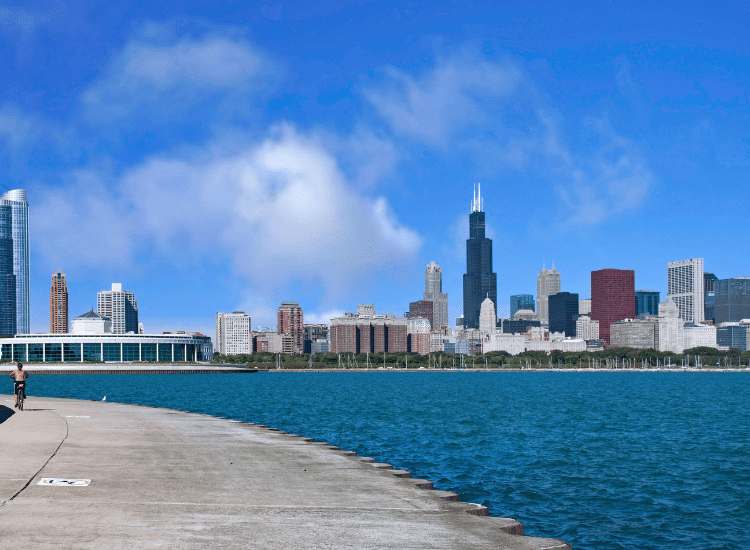
Restoration teams use specialized equipment such as air scrubbers, HEPA vacuums, and chemical sponges to remove soot from walls, ceilings, and furniture. They also treat fabrics, ductwork, and carpets to eliminate odors thoroughly. This isn’t just about appearance—it’s about eliminating harmful particles from the air you breathe.

Step 5: Cleaning and Sanitizing

Once the heavy smoke and soot are cleared, detailed cleaning comes next. Every item that can be restored—appliances, furniture, personal belongings—is carefully cleaned and sanitized. Some items may need to be removed and restored off-site using advanced techniques like ozone treatment or ultrasonic cleaning.

This stage ensures the home feels fresh and livable again. Experts not only focus on cleaning but also on deodorizing and ensuring that bacteria and toxins are fully removed.

Step 6: Restoration and Repairs

The final step is rebuilding. This could mean minor fixes like replacing drywall and repainting—or larger projects such as complete reconstruction of damaged rooms. The goal is to return your space to pre-fire condition, or in many cases, even better than it was originally.

Professional fire damage restoration crews coordinate with contractors and builders to take care of structural repairs, roofing, flooring, plumbing, and electrical systems. Homeowners are left with a property that feels brand-new and safe.

Why Professional Fire Damage Restoration Matters

It can be tempting to handle fire cleanup on your own, but fire and smoke damage are more complex than they appear. Without proper cleaning, smoke odors linger, soot stains reappear, and hidden damage may compromise health and safety.

Experts bring not only technical know-how but also industrial-grade equipment that ordinary homeowners don’t have access to. Processes like thermal fogging, ozone treatment, and advanced drying techniques are critical in fully restoring a home after fire damage.

Using professionals also ensures the documentation process for your insurance claim is thorough, increasing the likelihood of getting the compensation you need for repairs.

Common Challenges in Fire Damage Restoration

While teams work diligently to restore homes, there are unique challenges after every fire. Some of the most common complications include:

  • Lingering smoke odors – especially tricky if they infiltrate insulation or HVAC systems
  • Mold growth – often due to hidden water trapped after firefighting
  • Structural instability – requiring careful repair before anything else can progress
  • Insurance complexities – navigating paperwork and approvals for every restoration step

Professionals anticipate these issues and address them proactively during the restoration process, sparing homeowners from future surprises.

Tips to Help Homeowners During the Process

  1. Don’t enter the home until cleared for safety. Structural damage may not be immediately visible.
  2. Contact professionals immediately. The longer smoke and soot sit, the harder they are to remove.
  3. Document everything for insurance. Photos and lists of damaged items will help with claims.
  4. Don’t attempt DIY cleanup. Some chemicals used incorrectly can permanently set stains or odors.
  5. Plan for temporary housing. Depending on the severity, full restoration can take weeks to months.

This comprehensive process shows that while fire can be devastating, recovery is possible. With the right team, the despair of a burnt property can transform into hope—and eventually, a fully restored and safe home. Fire damage cleanup requires expertise, attention to detail, and the right equipment, making professional help the best option for protecting your investment and your family.


Redefined Restoration – Chicago Water Damage Service

2924 W Armitage Ave Unit 1, Chicago, IL 60647

(708) 722-8778

https://redefinedresto.com/water-damage-restoration-chicago/

 

Fire Damage Restoration Services: How Professionals Assess and Inspect Fire Damage

fire damage restoration services

When a fire strikes your property, it can leave you feeling vulnerable and overwhelmed. In the aftermath, the first and most critical step is to assess the extent of the damage. Reliable fire damage restoration services, such as those offered by Redefined Restoration, bring knowledge, advanced tools, and proven methods to help restore your property to its pre-loss condition. Understanding how professionals assess and inspect fire damage will equip you with the insight to navigate the restoration process and make confident decisions for your home or business.

What Are Fire Damage Restoration Services?

Fire damage restoration services are specialized professional solutions designed to reverse the devastation caused by fire, smoke, and the water used to extinguish flames. These services include everything from the safety assessment of a property to detailed cleaning, repairs, debris removal, content restoration, and odor management.

Redefined Restoration stands as a trusted industry name for fire damage restoration services, bringing years of expertise to homes and businesses. When you choose fire damage restoration services, you are getting more than just cleanup: you are investing in a systematic, safe, and thorough repair process that prioritizes your health, property value, and peace of mind.

These restoration services are vital, as fire and smoke not only leave visible marks but can also inflict hidden structural damage and dangerous residue. The attention to detail that fire damage restoration services provide ensures a comprehensive approach, addressing every aspect of damage, including those that aren’t immediately visible.

When you select fire damage restoration services from Redefined Restoration, you’re choosing a streamlined approach designed for efficiency, safety, and long-term results.

The Initial Emergency Response

A fire-damaged property presents unique dangers, including lingering heat, structural instability, and potentially hazardous residue. The first step in professional fire damage restoration services is an immediate emergency response.

Safety First

Upon arrival, restoration teams secure the scene. This involves checking for hazards, boarding up compromised entrances, and stabilizing structural components. The professionals prioritize personal safety and establish a protocol to prevent further contamination or injury.

Rapid Assessment

Experts from Redefined Restoration conduct an initial visual survey. They determine the scale of fire, smoke, and water damage, and identify which areas require urgent protection or immediate drying to prevent secondary issues like mold or corrosion.

Step-by-Step: The Professional Fire Damage Assessment Process

1. Comprehensive Visual Inspection

Professionals begin the fire damage assessment with a detailed walkthrough of your property. Armed with protective gear, they look for:

  • Surface charring and residue
  • Soot and widespread smoke damage
  • Water damage from firefighting efforts
  • Structural weaknesses (sagging walls, compromised ceilings)
  • Signs of hidden threats, such as smoke-saturated insulation or electrical hazards

2. Structural Integrity Checks

A crucial part of inspecting fire damage involves checking the foundation, load-bearing walls, beams, and roof. Restoration specialists use specialized tools to assess stability and identify any risks of collapse. This step prevents accidents during the restoration and helps determine the scope of rebuilding required.

3. Electrical and Plumbing System Examination

Fires can wreak havoc on electrical wiring and plumbing hidden behind walls. Inspectors carefully evaluate outlets, switches, circuit breakers, pipes, and connectors for damage, corrosion, or signs of shorting. This prevents electrical fires or leaks from occurring during the restoration.

4. Smoke, Soot, and Odor Mapping

Not all fire damage is visible. Smoke and soot particles travel, permeating every nook and cranny. Restoration teams seek out these residues in ductwork, wall cavities, and insulation using advanced detection equipment. Eliminating lingering smoke odor is as important as removing visible soot; it ensures the property is clean and safe for habitation.

5. Moisture and Water Damage Evaluation

After fire suppression, water damage adds another layer of complexity. Restoration technicians use moisture meters, thermal imaging cameras, and hygrometers to locate hidden water in walls, floors, and ceilings. Rapid drying and dehumidification are launched to prevent mold growth and structural deterioration.

6. Content and Belonging Assessment

Personal items and business assets inside a fire-damaged building require careful evaluation. Restoration professionals inventory, assess salvageability, and begin the cleaning and deodorization process for everything from furniture to electronics and important documents. This meticulous record-keeping also aids insurance claims.

7. Documentation and Insurance Coordination

Throughout the entire assessment and inspection process, teams from Redefined Restoration document everything. This includes photographs, charts, notes on the extent of damage, lists of affected contents, and repair recommendations. These records facilitate seamless communication with insurance adjusters and support claims with objective evidence.

The Importance of Detailed Fire Damage Inspection

  • Health and Safety: Proper inspection eliminates immediate hazards (structural, electrical, chemical), creating a safe environment for you and the restoration crew.
  • Accurate Scoping: Not all damage is clear; professionals use various instruments to uncover issues behind walls or in the air.
  • Efficient Restoration: A thorough assessment means a well-informed action plan, saving time and preventing unnecessary demolition or costs.
  • Insurance Compliance: Detailed, professional inspections help secure fair settlements and verify work needed for insurers.

Fire Damage Classifications

Different levels of damage require distinct approaches. During inspection, professionals categorize fire damage as:

  • Minor: Limited to surface charring, smoke on walls, mostly cosmetic repairs needed.
  • Moderate: Significant charring and heat exposure, likely affecting structure, electrical, and plumbing.
  • Severe: Deep structural and content loss, requiring demolition and full rebuilding of some areas.

Recognizing the type helps determine timelines, costs, and which fire damage restoration services are essential.

Tools and Technology Used in Fire Damage Assessment

Fire damage inspection has advanced with technology, making damage assessment more accurate and less invasive.

  • Thermal Imaging Cameras: Detect hidden moisture and unseen heat pockets.
  • Moisture Meters: Pinpoint wet areas behind surfaces.
  • Air Quality Monitors: Check for smoke particles and dangerous gases.
  • Borescopes: Mini cameras that snake into wall cavities to inspect inner damage.
  • Industrial Hygrometers: Analyze humidity levels to target drying efforts.

The use of advanced tools ensures that fire damage restoration services from Redefined Restoration are systematic and thorough.

The Role of Restoration Checklists

A systematic approach with restoration checklists ensures that every essential aspect is addressed, leaving no stone unturned. These checklists help to:

  • Coordinate between multiple crew members
  • Prioritize urgent repairs
  • Track progress for documentation and future reference
  • Ensure building code compliance

Communication and Transparency During Assessment

From the moment Redefined Restoration steps onto a fire-damaged property, clear and open communication is a top priority. Property owners are kept informed at every stage. This transparency:

  • Reduces anxiety and uncertainty
  • Ensures all parties agree on the restoration plan
  • Clarifies projected costs and timelines
  • Improves cooperation with insurance providers

Fire Damage: Beyond the Flames

Fire may be the main destroyer, but the restoration process must consider these secondary effects:

  • Smoke Residue: Even small fires coat surfaces in fine, acidic soot which can corrode metals, discolor paint, and damage electronics if not addressed quickly.
  • Water Damage: Water from sprinklers or hoses can saturate insulation, drywall, and floors, leading to mold, warping, and collapse.
  • Toxic Residues: Modern home materials can leave dangerous chemicals after burning, affecting air quality.

The holistic fire damage restoration services near me offered by Redefined Restoration tackle all residual damage, not just the obvious fire scars.

The Personalized Approach from Redefined Restoration

No two fires, or properties, are alike. Redefined Restoration tailors its fire damage restoration services to fit the unique needs of your situation. Factors include:

  • The fire’s source and duration
  • Construction materials affected
  • Age and geography of the building
  • The level of insurance coverage
  • Special needs of occupants (infants, elderly, pets)

This personalized approach distinguishes quality fire damage restoration services from generic cleanups.

Cleaning, Deodorizing, and Salvage

Once assessment is complete, crews begin deep cleaning using industry-approved chemicals and techniques. Special attention is paid to:

  • Upholstery and textiles: Ozone or thermal fogging eliminates odors and bacteria.
  • Hard surfaces: Neutralizing soot and preventing etching on counters, tiles, appliances.
  • Duct cleaning: Ensuring HVAC systems don’t circulate contaminated air.
  • Document and electronics restoration: Advanced drying and cleaning methods save important personal and business records.
  • Deodorizing: Specialized products and equipment neutralize persistent odors from smoke.

Ongoing Inspections During Restoration

Assessment doesn’t end after the initial survey. Throughout the fire damage restoration process, team leaders from Redefined Restoration continue to inspect and monitor progress. This dynamic approach:

  • Adjusts strategies for unforeseen challenges
  • Updates property owners on progress
  • Ensures high standards are consistently met

The Human Side of the Process

Experiencing fire damage is a traumatic event. Redefined Restoration, through its fire damage restoration services, not only restores properties but also helps restore stability and peace of mind. Compassion, communication, and professionalism are core to their approach, allowing owners to focus on emotional recovery as the experts handle the technical side.

How Long Does Professional Assessment Take?

The timeline for fire damage assessment depends on factors such as the property’s size, the extent of the fire, and the complexity of the damages involved. Typically, an initial assessment can be completed in a few hours, with follow-up inspections and content evaluations extending over several days.

Cost Factors in Fire Damage Assessment and Inspection

Determining the cost of assessment and inspection as part of fire damage restoration services depends on:

  • Scope of visible and hidden damage
  • Size and construction of the property
  • Number of personal belongings to be inventoried
  • Advanced cleaning or salvage techniques needed
  • Insurance coverage details

Professionals will provide a detailed estimate upfront, keeping you fully aware and in control of the process.

The Benefits of Professional Fire Damage Restoration Services

  • Expert knowledge and experience: Detect hidden problems, prevent future risks.
  • Time and stress savings: Let experts handle the technical and insurance paperwork.
  • Increased property value: Professional restoration maintains your home’s worth.
  • Reliable safety: Thorough cleaning and inspection protect your health.

How to Contact Redefined Restoration

If you are facing the aftermath of a fire in Chicago or nearby areas, Redefined Restoration is ready to provide thorough, effective fire damage restoration services. For more information or to schedule an assessment, visit their website: Redefined Restoration.


Redefined Restoration is dedicated to supporting property owners through every stage of recovery—from the initial response to the final inspection. The professional, compassionate delivery of fire damage restoration services provides confidence and clear direction during a stressful time. If you’re ever in need, know that trusted help is just a call or click away.


Redefined Restoration – Chicago Water Damage Service

2924 W Armitage Ave Unit 1, Chicago, IL 60647

(708) 722-8778

https://redefinedresto.com/water-damage-restoration-chicago/