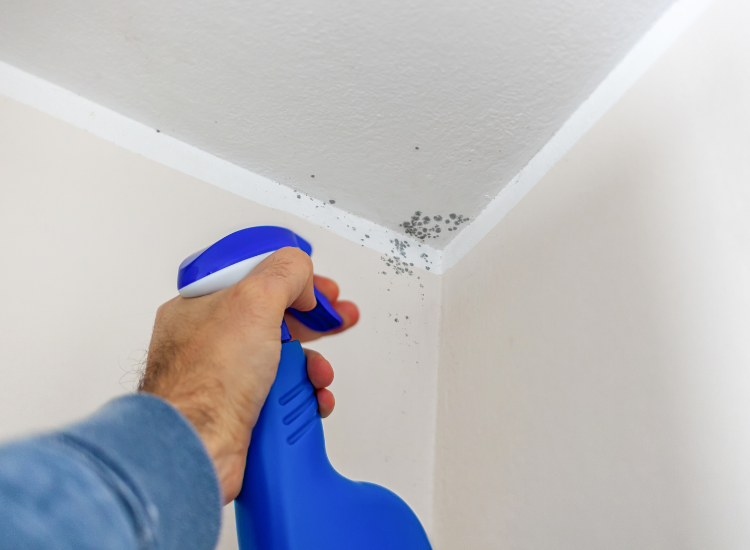
While bleach can kill mold on hard, non-porous surfaces like tile or glass, it’s not an effective solution for comprehensive mold removal in your home. Bleach only eliminates surface mold and cannot penetrate porous materials like drywall, wood, or insulation where mold roots thrive. Professional mold remediation addresses both visible growth and hidden colonies, prevents regrowth, and ensures your Chicago-area home is truly safe from mold-related health risks.
Why Bleach Fails as a Complete Mold Solution
Many homeowners reach for bleach when they discover mold in their basements, bathrooms, or other moisture-prone areas. While bleach does have disinfectant properties, its effectiveness against mold is severely limited and can actually create false security.
Bleach consists primarily of water, which mold needs to grow. When you spray bleach on porous surfaces like drywall or wood—common materials in Chicago bungalows and two-flats—the chlorine component stays on the surface while the water penetrates deeper, potentially feeding mold colonies beneath. Within weeks, you’ll likely see mold return, sometimes more aggressively than before.
The EPA and CDC do not recommend bleach as a primary mold remediation solution, especially for infestations larger than ten square feet. In our humid Chicago summers and damp basement conditions common throughout Cook, DuPage, and surrounding counties, surface-level treatments simply don’t address the underlying moisture problems that allow mold to flourish.
The Hidden Dangers of DIY Mold Removal
Beyond ineffectiveness, using bleach for mold removal presents several risks. The toxic fumes can cause respiratory irritation, especially in enclosed spaces like basements where many Chicago-area homeowners discover mold after sump pump failures or spring flooding. These fumes are particularly dangerous when combined with other cleaning products, creating potentially lethal chemical reactions.
Bleach also damages many surfaces over time, discoloring fabrics, corroding metal fixtures, and breaking down the finish on wood—problematic for historic homes in neighborhoods like Oak Park, Evanston, and Hyde Park where preserving original materials is important.
Most critically, DIY approaches often miss the extent of mold growth. What you see on your basement wall might represent only a fraction of the colony spreading behind drywall or within insulation. Without proper assessment tools like moisture meters and thermal imaging cameras, you can’t identify all affected areas.
When Mold Becomes a Serious Problem
Mold growth in Chicago-area homes often results from specific seasonal challenges. Winter pipe bursts during polar vortex events can saturate insulation and framing. Ice dams deposit water in attics and wall cavities. Spring flooding affects thousands of basement spaces. Summer humidity combined with inadequate ventilation creates perfect conditions in bathrooms, crawl spaces, and finished basements.
If you notice any of these signs, professional intervention is necessary:
- Musty odors that persist despite cleaning
- Visible mold growth larger than a small patch
- Mold returning repeatedly in the same location
- Recent water damage from flooding, leaks, or sewage backup
- Respiratory symptoms that improve when you leave your home
- Discovery of mold in HVAC systems or behind walls
Professional Mold Remediation: The Effective Approach
Professional mold remediation companies like Redefined Restoration follow established protocols that ensure complete removal and prevention of regrowth. The process begins with thorough inspection using advanced equipment to identify all affected areas, including hidden colonies.
Professionals contain the work area to prevent mold spores from spreading throughout your home during removal. They use HEPA filtration systems that capture microscopic spores from the air. Unlike bleach, professional-grade antimicrobial treatments penetrate porous materials and eliminate mold at its roots.
Equally important, remediation experts identify and address the moisture source that enabled mold growth. Whether it’s a plumbing leak, poor ventilation, foundation seepage, or humidity issues common in our region, solving the underlying problem prevents recurrence.
For homes in Naperville, Schaumburg, Arlington Heights, and throughout the Chicagoland area, professional remediation also includes restoration services that repair damaged materials, ensuring your home returns to pre-loss condition.
Protecting Your Home and Health
Mold exposure can trigger allergic reactions, asthma attacks, and other respiratory problems. Certain mold types produce mycotoxins that pose serious health risks. Your family’s wellbeing shouldn’t depend on a bottle of bleach that only treats symptoms rather than causes.
When you discover mold in your Chicago-area home, quick professional response minimizes damage and costs. Many situations that seem minor—like a small patch from a roof leak or basement dampness—can escalate rapidly in our climate conditions.
Contact Redefined Restoration for Expert Mold Remediation
If you’re dealing with mold growth in your home throughout Chicago, Oak Park, Evanston, Elmhurst, Downers Grove, Orland Park, Tinley Park, or any surrounding community in Cook, DuPage, Lake, Will, or Kane Counties, Redefined Restoration provides comprehensive mold inspection and remediation services. Our certified technicians use proven methods to eliminate mold completely and address moisture issues that allow it to thrive. Contact us at https://redefinedresto.com for a professional assessment and restore your home to a safe, healthy environment.