Not without proper cleaning and sealing first—smoke residue will bleed through new paint and odors will persist. Smoke damage penetrates porous surfaces like drywall and plaster, leaving behind acidic soot, tar-like residues, and stubborn odors that standard paint cannot cover. Simply painting over smoke-damaged walls will result in yellow or brown stains bleeding through your fresh coat within days or weeks, along with lingering smoke smells that permeate your home.
Understanding Why Paint Alone Won’t Work
Smoke damage is deceptively complex. When materials burn, they release particles that settle on every surface and penetrate deep into porous materials like drywall, wood trim, and plaster—common in Chicago’s historic bungalows, greystones, and two-flats. These particles contain acids, oils, and resins that chemically bond with surfaces.
Standard latex or oil-based paints lack the sealing properties needed to lock in these contaminants. The moisture in paint can actually reactivate smoke residues, causing discoloration to bleed through. Even worse, the heat from your furnace during Chicago’s brutal winters or humidity during our muggy summers can intensify smoke odors trapped beneath the paint layer, making your restoration efforts worthless.
Smoke damage also varies significantly depending on what burned. Protein smoke from kitchen fires leaves a nearly invisible film that’s extremely difficult to remove and produces powerful odors. Synthetic materials in furniture and electronics create plastic smoke that leaves sticky, pungent residues. Each type requires specific cleaning approaches before any painting begins.
The Proper Smoke Damage Restoration Process
Step 1: Professional Assessment
Before attempting any cosmetic fixes, understanding the extent of damage is crucial. Smoke can travel through HVAC systems, settling in rooms far from the fire source. In older Chicago-area homes with balloon-frame construction—common in neighborhoods like Lincoln Park, Hyde Park, and Oak Park—smoke can travel through wall cavities between floors, creating hidden damage that will continue causing problems even after visible areas are addressed.
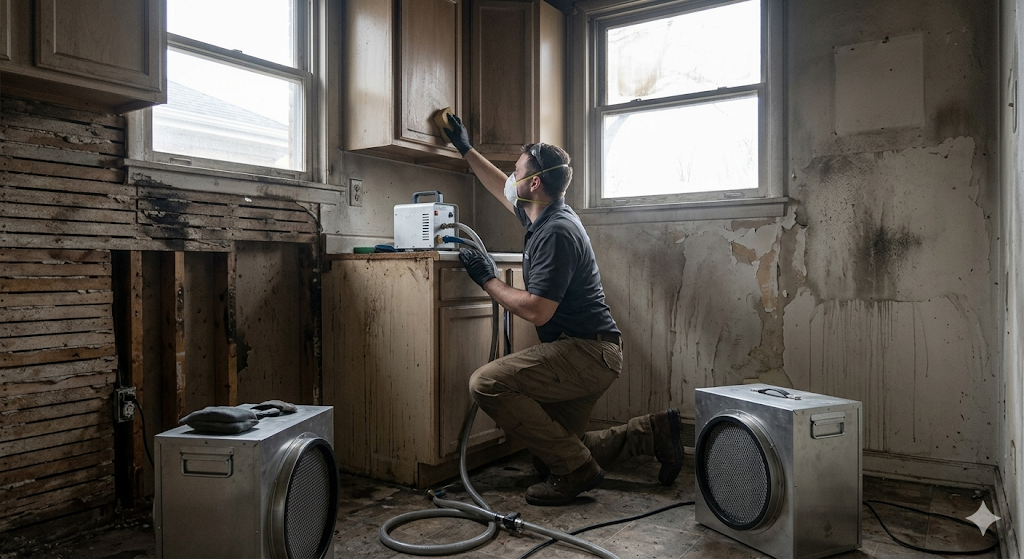
Step 2: Thorough Cleaning
All surfaces must be meticulously cleaned using specialized products designed for smoke residue. This includes:
- TSP (trisodium phosphate) solutions for heavy soot deposits
- Degreasing agents for oily smoke residues
- HEPA vacuuming to remove loose particles before wet cleaning
- Multiple cleaning passes as initial washes often just spread residue
Cleaning must extend beyond walls to include ceilings, floors, trim, outlets, switches, and fixtures. In Chicago’s older homes with intricate woodwork and architectural details, this process becomes even more labor-intensive but is absolutely necessary.
Step 3: Odor Sealing and Treatment
After cleaning, professional-grade odor sealing is essential. This involves:
- Primer-sealers specifically formulated for smoke damage, such as oil-based or shellac-based products that create an impermeable barrier
- Thermal fogging or ozone treatment to neutralize odors that have penetrated deeply into materials
- HVAC cleaning to prevent circulation of smoke particles throughout your home
Step 4: Strategic Painting
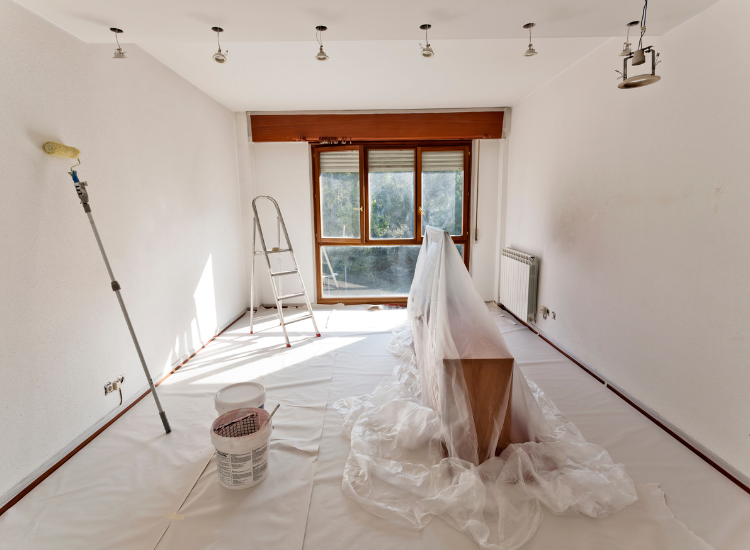
Only after thorough cleaning and sealing should painting commence. This final step requires high-quality paint applied in proper coats to ensure even coverage and durability.
When Replacement Beats Restoration
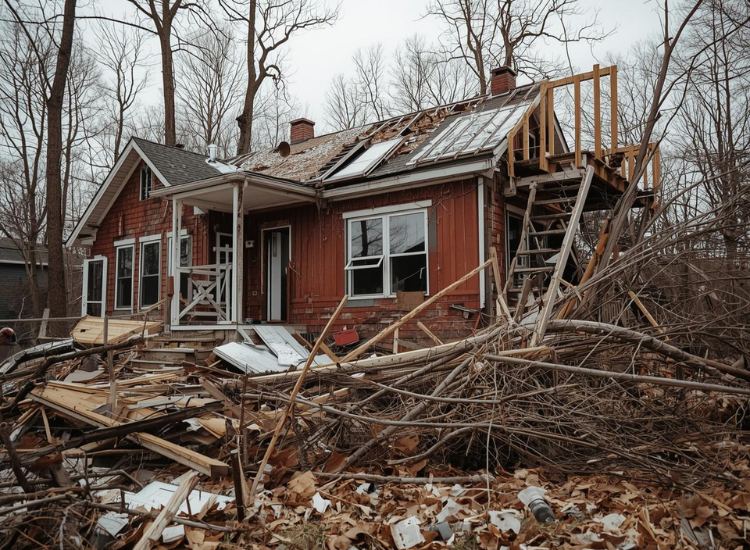
Sometimes painting isn’t feasible, even with proper preparation. Drywall that’s heavily saturated with smoke residues, particularly from high-heat fires, may need replacement. Insulation behind walls often absorbs smoke and must be removed. In severe cases affecting older plaster walls common in Evanston, Elmhurst, or Arlington Heights homes, removal and replacement might be more cost-effective than extensive cleaning efforts.
The Risks of DIY Smoke Damage Painting
Homeowners who skip proper remediation face several problems:
- Recurring stains that appear weeks or months later
- Persistent odors that worsen with temperature and humidity changes
- Health concerns from continued exposure to smoke particles and chemicals
- Decreased property value when improperly addressed damage becomes apparent during inspections
- Wasted money on paint and supplies that don’t solve the underlying problem
Professional Smoke Damage Restoration in Chicagoland
Redefined Restoration serves Chicago and surrounding communities including Naperville, Schaumburg, Downers Grove, Orland Park, Tinley Park, and throughout Cook, DuPage, Lake, Will, and Kane Counties. Our certified technicians understand the unique challenges of restoring smoke-damaged homes in our region’s diverse housing stock, from vintage Chicago bungalows to modern suburban construction.
We provide comprehensive smoke damage restoration that goes beyond cosmetic fixes, addressing hidden damage, eliminating odors at their source, and ensuring your home is truly restored—not just temporarily covered up.
Take the Right First Step
Don’t waste time and money painting over smoke damage that will only reappear. Contact Redefined Restoration at https://redefinedresto.com for a professional assessment. Our team will evaluate your smoke damage, develop a comprehensive restoration plan, and restore your Chicagoland home to its pre-loss condition—properly and permanently.