Outdoor adventure things to do in Chicago, IL during spring

fire damage

As the last traces of winter fade and crisp breezes fill the air, Chicago transforms into an outdoor enthusiast’s paradise each spring. The city’s parks bloom, the lakefront awakens, and the skyline looks even more stunning under a bright blue sky. Whether you’re an adrenaline addict, a nature lover, or simply someone who enjoys exploring, spring in Chicago brings countless opportunities to experience outdoor adventure. From kayaking along the Chicago River to biking scenic trails, there’s something invigorating for every kind of explorer.

Let’s dive into the most exciting outdoor adventure things to do this season—and discover why spring might just be the finest time to fall in love with Chicago all over again.

Embrace the Lakefront Trail
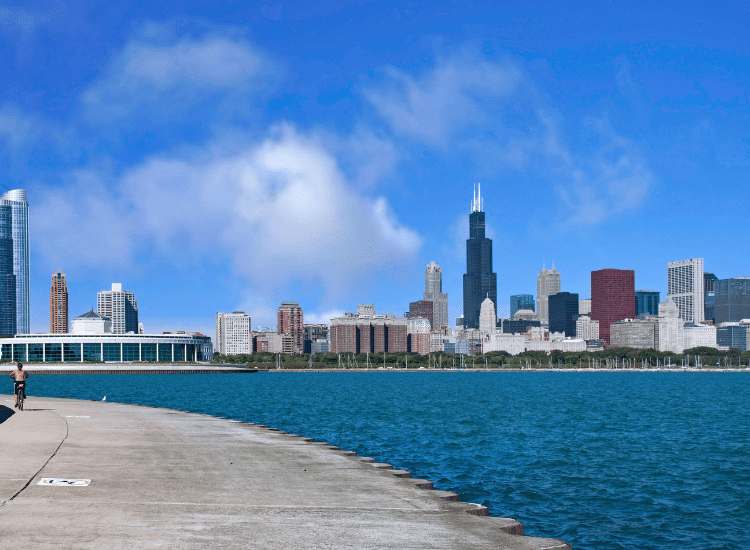
One of the most iconic outdoor experiences in Chicago begins along the Lakefront Trail, an 18-mile pathway hugging Lake Michigan. This scenic route connects some of the city’s most famous landmarks, including Lincoln Park, Grant Park, and Museum Campus. As the chill of winter gives way to the warmth of spring, the trail comes alive with joggers, cyclists, rollerbladers, and couples strolling hand-in-hand against a perfect skyline backdrop.

What makes spring so special here is the balance between activity and serenity. You can start your morning with a peaceful ride from Montrose Harbor, pause for coffee at a lakeside café, then continue down to Navy Pier. For an extra thrill, many locals grab stand-up paddleboards or rent bikes right along the trail for an easy, spontaneous adventure.

Explore Kayaking on the Chicago River

If the city looks breathtaking from land, wait until you see it from the water. Kayaking along the Chicago River offers a whole new perspective on its soaring architecture and historical bridges. During springtime, several outfitters reopen their docks and begin guided tours. Whether you’re gliding beneath bridges or paddling past gleaming skyscrapers, it’s a refreshing way to reconnect with the city after winter.

And just as Chicagoans prepare for outdoor adventures, they also value being prepared for life’s unpredictable challenges. Local homeowners often search for fire damage restoration services to ensure that their properties stay safe and protected after unexpected events. It’s the same spirit of readiness—embracing both adventure and responsibility—that defines life in Chicago.

Adventurous Biking Through Chicago’s Parks

Chicago’s network of parks and bike lanes makes it a biker’s dream in the spring. Rent a Divvy bike and pedal your way through neighborhoods that shift from bustling commercial zones to tranquil green pockets. Lincoln Park, the largest in the city, offers more than just trails—it’s home to nature walks, gardens, and even the free Lincoln Park Zoo.

For a more challenging ride, take the North Branch Trail, stretching nearly 20 miles into the forest preserves north of the city. With every mile, the scenery changes—from serene ponds to blooming wildflowers—creating the perfect backdrop for anyone seeking solace in nature.

Hike and Bird-Watch at Montrose Point Sanctuary

Spring in Chicago means migration season, and Montrose Point Bird Sanctuary—nicknamed “The Magic Hedge”—is the city’s premier spot for bird-watching. Nestled near Montrose Beach, this peaceful natural haven draws both casual hikers and seasoned ornithologists. With over 300 bird species recorded, it’s a paradise for wildlife observation.

As you wander through the trails, you’ll spot warblers, orioles, and herons gliding low over the dunes. Bring your binoculars and a camera—you never know which rare bird might stop by while you explore this stretch of outdoor serenity.

Go Rock Climbing and Ziplining in Maggie Daley Park

Nestled next to Millennium Park, Maggie Daley Park brings a unique twist to Chicago’s downtown recreation. Springtime marks the reopening of its outdoor adventure course, featuring climbing structures, suspension bridges, and zip lines with breathtaking skyline views. The climbing walls, in particular, are a hit—perfect for beginners learning safety harness skills or pros perfecting vertical techniques.

Families and groups can make an entire day of it: after a morning climb, enjoy a lakeside picnic or venture over the BP Bridge for panoramic photo ops.

Paddleboarding and Windsurfing on Lake Michigan

Lake Michigan’s shimmering waters awaken with adventure once the air warms up. Paddleboarding and windsurfing gain momentum in spring, especially near Montrose Beach and 31st Street Harbor. Beginners can take lessons right on the shore, while more advanced paddlers often chase waves farther offshore.

Spring is also ideal for combining water sports with relaxation—imagine gliding gently on your board, watching the city skyline glimmer like a living postcard.

Discover the Blooming Wonders of the Garfield Park Conservatory

When outdoor weather feels unpredictable, the Garfield Park Conservatory blends the best of nature and adventure under one glass roof. While technically indoors, the sprawling tropical and desert gardens invite a sense of exploration that mirrors the outdoors. As spring arrives, its outdoor gardens start to bloom in vivid color, offering yet another dose of beauty for city explorers.

For families, workshops and guided tours are a great way to teach kids about botany while soaking in tranquil, photo-worthy views.

Experience Urban Farming Adventures

A rising trend among Chicago’s eco-enthusiasts is volunteering or touring one of the many urban farms around the city. Farms like Growing Power and City Farm allow residents and visitors to dig in the dirt, plant seedlings, and learn sustainable gardening techniques. Volunteering here is not just outdoor fun—it’s a grounding experience reminding us of our connection with the natural world.

The combination of city skylines and rows of green vegetables makes this spring activity both educational and energizing.

Picnic and Play at Millennium Park

Though Millennium Park is famous for the Cloud Gate (aka “The Bean”), come spring, its lawns turn into a lively picnic paradise. Grab a blanket, pack your lunch, and watch the city’s heartbeat unfold around you. Visitors often toss frisbees, practice yoga, or simply soak up sunshine while music drifts from the Jay Pritzker Pavilion.

In the evenings, check out free public performances or movie screenings—ideal for capping off an adventure-filled day.

Adventure in the Forest Preserves of Cook County

Beyond Chicago’s bustling downtown lies a sprawling 70,000-acre gem—the Forest Preserves of Cook County. This enormous natural network offers hiking, canoeing, ziplining, and horseback riding opportunities. Spring fills these preserves with life; bluebells bloom along the trails, and wildlife emerge after their winter rest.

Popular areas like Busse Woods and Salt Creek Trail cater to both casual explorers and hardcore adventure-seekers. Whether camping under the stars or kayaking in a quiet lagoon, Chicago’s outdoor identity thrives right here.

Take a Sailing Lesson on the Lake
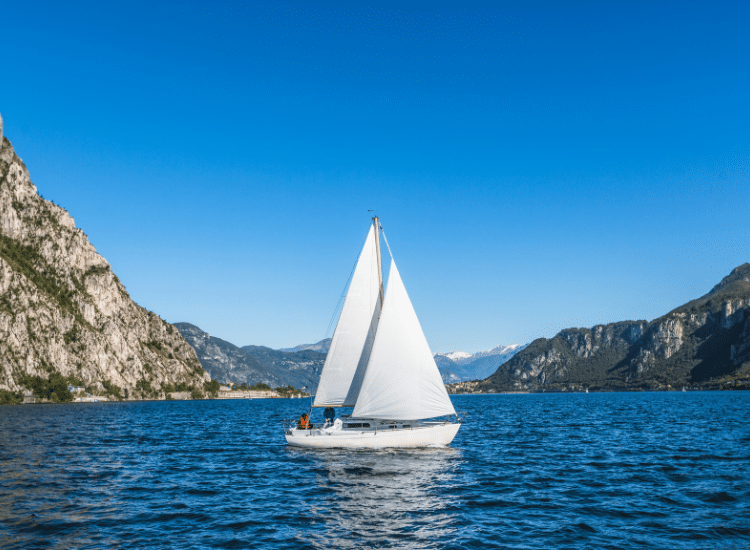
For a truly memorable adventure, try taking sailing lessons along Chicago’s coastline. Several boat clubs open for the season in April, offering crash courses for beginners. Under the soft spring wind, you’ll learn to hoist sails, steer, and feel the rhythm of Lake Michigan’s open waters.

As you navigate, the combination of calm water and the skyline glowing in the morning light makes for a movie-like experience.

Embark on a Spring Running Challenge

Chicago’s running community truly comes to life in spring. The city’s scenic pathways—especially along Grant Park, Northerly Island, and the Riverwalk—offer energizing routes for joggers. Many people join organized 5Ks and half-marathons this time of year, enjoying the camaraderie that comes with thousands of runners chasing the same sunrise.

Even if you’re not racing, setting your own fitness goals outdoors becomes much more enjoyable surrounded by blooming tulips and cheering locals.

Explore Northerly Island’s Natural Beauty

Northerly Island feels like stepping away from the urban roar and into a Midwest prairie. This narrow peninsula, just south of Museum Campus, showcases both lake and skyline views while offering trails for hiking and biking. Come spring, wildflowers begin to cover the rolling landscape, and migratory birds fill the sky.

Bring a pair of binoculars or a sketchbook—the combination of city artistry and natural splendor makes this one of Chicago’s best-kept open-air secrets.

Take a Skyline Segway Tour

A Segway tour through Chicago’s downtown area offers both adventure and education. Once you glide onto the paved trails along the lakefront or wind through historic districts, you realize it’s a thrilling yet easy way to explore the city’s landmarks. The spring weather—mild and breezy—makes this outdoor activity particularly enjoyable.

Local guides share fascinating anecdotes about waterfront history, architecture, and lesser-known local hangouts, turning your ride into a moving story through time.

Go Fishing at Jackson Park Lagoon

Fishing may sound tranquil, but when surrounded by blooming landscapes and chirping birds at Jackson Park Lagoon, it’s pure springtime therapy. Locals cast lines for bass, catfish, and panfish, while families enjoy picnics nearby. The peaceful waterway gives a sense of being far from the city, even with downtown’s towers visible on the horizon.

Bring some snacks, a camera, and plenty of patience—it’s a slice of natural charm tucked quietly into Chicago’s south side.

Participate in a Spring Adventure Race

For thrill-seekers craving a team-based challenge, Chicago’s adventure races combine running, cycling, and navigation into one exhilarating event. Held across city parks and lakefront sandscapes, these races test endurance and problem-solving alike. Spring’s mild temperatures make competing outdoors both manageable and thrilling.

Many local organizations host beginner-friendly events perfect for families or coworkers looking to bond over a shared adrenaline rush.

Take a Chicago River Architecture Cruise

Though not a typical sport, a river cruise through Chicago’s architectural corridor is an unmissable outdoor experience. It couples open-air sightseeing with fascinating storytelling. Springtime breezes and blooming riverside trees elevate the experience, especially when paired with the glittering reflections from the city’s glass towers.

The best part? Every cruise offers glimpses of landmarks that look entirely different under bright Alberta sunlight compared to midwinter gloom.

Attend Outdoor Festivals and Food Markets

Spring in Chicago is also cultural adventure season. Food, music, and art festivals pop up all over, giving locals and visitors countless events to explore outdoors. The Chicago Beer Classic, Mayfest, and various farmers’ markets fill the months of April and May with flavor and energy.

Roaming from one street market to another feels like an urban expedition. Sample artisan foods, meet local vendors, and support Chicago’s vibrant creative community—all while soaking in sunshine and fresh air.

Chase Sunset Views at Promontory Point

Few spots rival Promontory Point for watching sunsets over Chicago’s skyline. Located along the lake near Hyde Park, it’s famous for rocky outcrops that stretch into the water, offering panoramic perspectives of both city and nature. It’s the perfect spot to end a day of kayaking, biking, or exploring with a quiet moment of reflection.

Bring a warm jacket and some snacks, because once the colors start spreading across the horizon, you’ll want to stay awhile.

Enjoy Spring Camping Adventures Near the City

Camping near Chicago doesn’t require a long drive. Several forest preserves just outside the city limits open campsite reservations in spring, such as Camp Bullfrog Lake or Camp Sullivan. These destinations offer a mix of hiking trails, kayaking access, and tranquil stargazing opportunities.

A spring night spent around a campfire, with cool breezes drifting through budding trees, creates a sense of peace that few urban weekends can match.

Practice Yoga in the Park

Outdoor yoga classes begin to bloom alongside daffodils in Chicago’s parks every spring. From Grant Park’s weekend gatherings to lakeside sunrise sessions, these experiences allow participants to breathe deeply in fresh air while reconnecting with nature. Many instructors blend sound therapy or gentle meditation into sessions for full-body rejuvenation.

If you’re new to yoga, the outdoor classes often welcome walk-ups—no membership or equipment needed. Just bring yourself and an open mind.

Rediscover the Chicago Riverwalk

The Chicago Riverwalk becomes one of the city’s most enjoyable places to stroll, dine, and relax once the weather warms up. Artists, musicians, and street vendors fill the promenade, while boats float lazily by under historic bridges. Adventure-seekers can even rent bikes or hop aboard small boat experiences right from the marina.

The Riverwalk seamlessly fuses modern urban life with refreshing outdoor energy—a perfect reflection of Chicago’s adventurous spirit.

Try a Guided Photography Hike

For travelers who love both creativity and exploration, guided photography hikes blend art and adventure. Chicago photographers frequently host spring sessions in Lincoln Park, the Riverwalk, and Northerly Island, teaching participants how to capture natural light, reflections, and movement.

It’s more than just sightseeing—it’s learning to see nature and architecture through a fresh lens, perfect for both hobbyists and professionals.


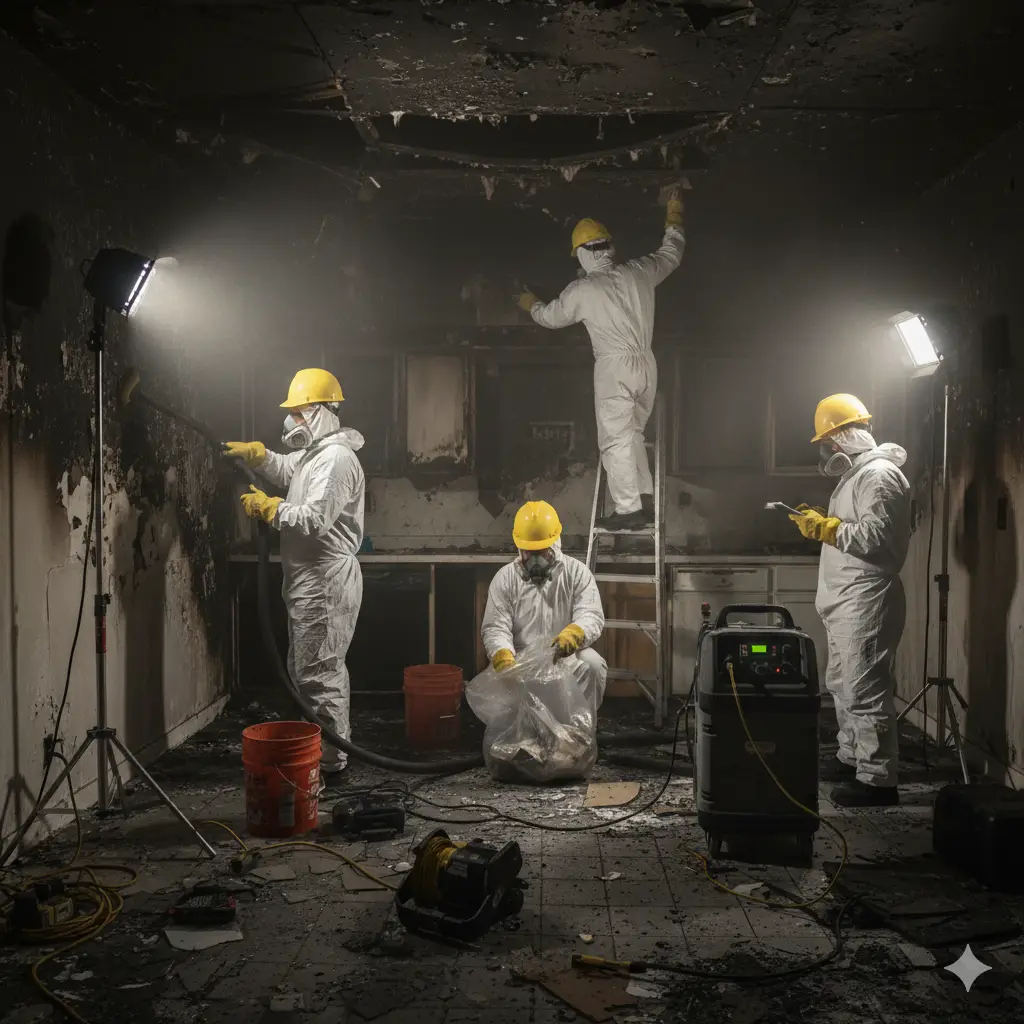
Springtime adventures bring renewal—but sometimes life brings unexpected setbacks like fire damage. When fire damage strikes your home or business, it can disrupt your peace and daily rhythm. That’s why having access to professional help matters most. Redefined Restoration offers expert fire damage restoration services designed to restore safety and comfort quickly. Our skilled team uses advanced equipment and proven strategy to handle fire damage cleanup, removing smoke odor, debris, and structural soot for complete recovery. Whether it’s a residential or commercial space, our fire damage restoration services ensure fast, reliable restoration you can trust. When challenges arise, let Redefined Restoration be the steady hand that helps bring normalcy back into your life.


Redefined Restoration – Chicago Water Damage Service

2924 W Armitage Ave Unit 1, Chicago, IL 60647

(708) 722-8778

https://redefinedresto.com/water-damage-restoration-chicago/

Hidden things to do in Chicago, IL that locals secretly love

water mitigation company near me

Chicago is often celebrated for its skyline, deep-dish pizza, and the energy of the Magnificent Mile. Yet behind the busy streets and well-known attractions lies a world of secret places and underrated gems that locals quietly enjoy. From tucked-away green spaces to offbeat museums, Chicago hides its most authentic charm in plain sight. If your goal is to experience the heart of the city beyond its popular landmarks, follow this insider’s guide to the hidden things to do that Chicagoans can’t get enough of.

Explore the Magic of the Alfred Caldwell Lily Pool

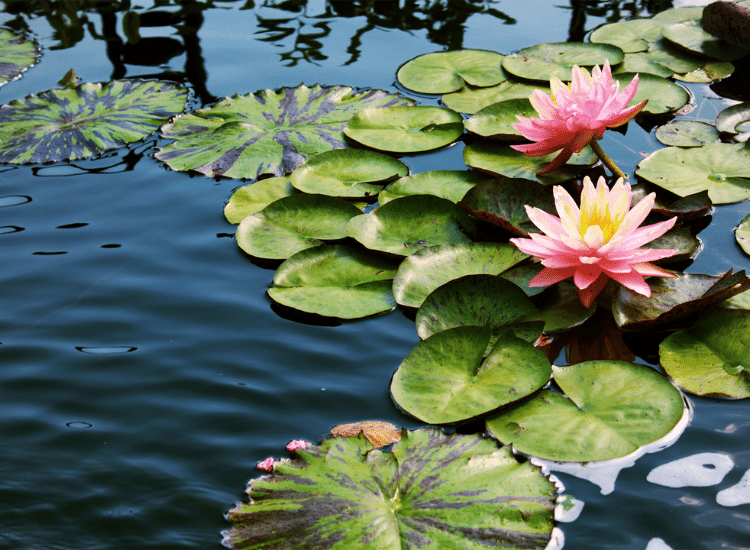
Nestled behind Lincoln Park Zoo, the Alfred Caldwell Lily Pool is one of the most peaceful escapes in the city. This serene garden feels worlds away from downtown Chicago, with stone pathways, wooden bridges, and lily-filled ponds that create a calming retreat. Designed in 1936, the lily pool is a masterpiece of Prairie-style landscape architecture. Locals often wander here in the early morning hours with a coffee in hand or unwind here after work. It’s a pocket of pure tranquility—a perfect example of how nature thrives quietly in urban surroundings.

Hidden Speakeasies and Secret Bars

Chicago has a thriving nightlife culture, but some of its best bars keep things hush-hush. Speakeasies like The Violet Hour in Wicker Park and The Drifter behind the Green Door Tavern bring a touch of Prohibition-era charm back to life. Entry often requires insider knowledge—like a password or a disguised entrance—and the cocktail menus rotate to keep you guessing. The thrill of discovering a secret bar tucked behind a false wall or beneath a neon sign only adds to the city’s allure. Locals love to introduce out-of-towners to these unexpected nightlife treasures. And just like finding a hidden gem in the city, searching for water mitigation near me can lead homeowners to discover expert local services that protect their spaces when life’s little surprises—like leaks or floods—occur.

The Pedway: Chicago’s Underground Network

While most visitors stroll along Michigan Avenue, few realize there’s an entire hidden walkway below their feet. The Chicago Pedway links more than 40 downtown blocks through tunnels and skybridges. On cold or rainy days, locals use it as a shortcut to avoid the elements, but it’s also fascinating for explorers who want to see a different side of the city. Artists occasionally stage small exhibitions in its corridors, and obscure cafés and boutiques can be found along the route. The Pedway represents Chicago’s ingenuity in transforming everyday infrastructure into a living ecosystem.

The Magic of the International Museum of Surgical Science

Tourists often flock to the Art Institute or Field Museum, but Chicago hides a far more curious collection inside a lakefront mansion: the International Museum of Surgical Science. This elegant yet eerie museum displays centuries of medical instruments and oddities that reveal the evolution of healing. Locals appreciate it for its tranquil atmosphere and detailed exhibits that blend science with art. The building itself, modeled after a French château, provides a glimpse into Chicago’s architectural wealth while offering a strange yet educational adventure far from the crowds.

Vintage Shopping in Andersonville

If you want to experience a truly authentic neighborhood vibe, spend an afternoon wandering Andersonville’s vintage shops. The area is a blend of old-world charm and modern creative energy. Independent boutiques line the streets, offering everything from retro furniture to curated vinyl collections and hand-dyed apparel. Locals shop here not just for the items but for the experience—the joy of discovering rare finds in a community that embraces individuality. Andersonville’s sense of nostalgia makes it a beloved retreat for anyone looking to slow down and browse at leisure.

Garfield Park Conservatory’s Hidden Corners

The Garfield Park Conservatory is often ranked among the largest and most stunning botanical gardens in the country. Still, few visitors realize how many hidden nooks and quiet spaces lie beyond its main exhibits. The Fern Room feels otherworldly, with lush green foliage and filtered light streaming through the glass ceiling. Locals often come here to meditate, sketch, or simply breathe in serenity. On a weekday afternoon, you might even find yourself alone with nothing but the sound of trickling water. It’s a vivid reminder that even in a bustling city, nature hums softly in the background.

Chicago’s Secret Street Art Scene

Beyond the murals of Wabash Arts Corridor, Chicago hides dozens of lesser-known art spots that redefine the city’s creative pulse. Head to Pilsen, where colorful walls change constantly with new works by local artists. In Bucktown and Logan Square, alleys are canvases for expression—from abstract graffiti to photo-realistic portraits. Locals treasure these art spaces because they evolve daily; they’re living stories painted across brick and concrete. Stumbling upon an unfamiliar mural or tag delivers the thrill of artistic discovery that’s deeply rooted in Chicago’s rebellious spirit.

Chicago Riverwalk Beyond the Obvious

Tourists may crowd the main Riverwalk, but the real magic lies further along its less-traveled paths. The quieter sections near Lake Street or Wolf Point offer incredible views and peaceful corners to relax. Early mornings bring runners and kayakers, while evenings attract locals sipping coffee and watching boats slide past. The Riverwalk also hosts small pop-up galleries and live acoustic performances—often unadvertised, making each visit unique. For Chicagoans, these riverbank moments offer balance between the city’s dynamic heartbeat and its calmer flow.

Offbeat Cafés and Literary Nooks

One secret that Chicago book lovers keep is their network of independent cafés and reading hideouts. The Bourgeois Pig Café in Lincoln Park and Myopic Books in Wicker Park stand as reading sanctuaries. Their wooden shelves and mismatched chairs create an atmosphere that’s both nostalgic and inviting. These are not just coffee shops—they’re small communities where writers, students, and dreamers find inspiration. Locals never tire of their cozy corners because every visit feels like a creative reset. It’s the side of Chicago that tourists rarely experience but everyone should.

Candlelit Dinners at Chicago’s Secret Restaurants

Hidden restaurants are a significant part of the city’s culinary charm. Spots like Elizabeth or Temporis use reservation-only systems and unlisted menus to deliver a sense of secrecy. The appeal lies in their exclusivity—every meal feels like an invitation to something private. Locals often share these spots through word of mouth or personal recommendation rather than mainstream reviews. From five-course tasting menus to experimental cocktails, these intimate restaurants offer a nightly adventure that captures the city’s passion for innovation.

The Poetry Foundation Library

Few know that tucked away in River North lies a public oasis devoted entirely to poetry. The Poetry Foundation Library houses over 30,000 volumes and welcomes anyone to linger, read, or join in its small gatherings. The space’s minimalist architecture was designed to foster reflection, not spectacle. Locals appreciate how intimate readings and open mics keep Chicago’s literary roots alive. It’s an underappreciated gem where silence and language hold equal weight—proof that Chicago’s art scene values introspection as much as energy.

Kayaking Under the City Lights

Kayaking on the Chicago River is known, but doing it after sunset is a hidden adventure all its own. Night paddles reveal the city skyline shimmering off the water with a mesmerizing glow. Local guides lead groups through quiet waterways while narrating stories of the city’s history and architecture. This after-dark experience feels magical—peaceful yet strikingly close to the city’s pulse. Locals treat it as both exercise and meditation, appreciating how the river provides a mirror image of their skyline dreams.

The Secret Rooftop Gardens

Several rooftops across Chicago double as hidden gardens, providing lush refuges high above the noise. While big hotels boast public terraces, local favorites remain out of sight—for instance, green rooftops in West Loop and private spaces above River North offices. When you’re lucky enough to get access, the view of skyscrapers framed with wildflowers captures a surreal harmony between city and nature. It’s no wonder Chicago’s residents quietly guard their knowledge of these secret sanctuaries.

Secret Museums and Eccentric Collections

Chicago holds a series of tiny, eccentric museums that rarely get attention. The Busy Beaver Button Museum is dedicated entirely to pin-back buttons—yes, really—and it’s one of the most charmingly weird experiences in the city. Another beloved secret is the Leather Archives & Museum, which explores human expression in ways traditional institutions never could. Locals cherish these oddball exhibits for their honesty and humor. They remind everyone that culture doesn’t always reside in the grandest halls but in quirky passion projects scattered throughout the city.

Lakefront Hideouts Beyond Navy Pier

The lakefront is iconic, but few tourists wander beyond Navy Pier or the North Avenue Beach. Locals prefer the quiet coves near Belmont Harbor or Promontory Point, where stone ledges make perfect sunset seats. Here, Chicago’s skyline meets the serenity of Lake Michigan in breathtaking calm. Morning joggers, book readers, and dog walkers weave together into an unspoken community. These spots are the true pulse of Chicago living—laid-back, beautiful, and filled with small conversations carried by the breeze.

Hidden Art Installations in Public Parks

Beyond the renowned Cloud Gate sculpture lies an array of overlooked art installations scattered across Chicago’s parks. Humboldt Park features intricate statues tucked amid willow trees. Ping Tom Memorial Park hides modern sculptures that pay homage to Chinese-American heritage. Locals love discovering these small details during walks, finding new meaning in art that exists quietly between playgrounds and picnic areas. Each piece adds depth to the city’s narrative—visual whispers of culture, creativity, and memory.

Secret Cinemas and Vintage Film Spots

Cinema lovers find their haven in Chicago’s lesser-known film houses. Places like the Music Box Theatre host late-night screenings of cult classics, while hidden projection rooms in Pilsen occasionally run independent movies for small audiences. These intimate gatherings foster conversations between filmmakers and viewers, keeping the art of film dialogue alive. Locals value these nights not only as entertainment but as shared experiences that keep Chicago’s storytelling vibrant.

Abandoned Spaces and Urban Exploration

Though much of Chicago has been revitalized, traces of its industrial past linger in fascinating ways. Abandoned factories, railway tunnels, and decaying theaters whisper stories from another era. With permission and safety in mind, local explorers document and photograph these spaces as reminders of the city’s resilience. Their quiet beauty—peeling paint, dust-covered beams, echoes of forgotten labor—reveals the texture behind Chicago’s polished skyline.

Chicago’s Secret Seasonal Traditions

While tourists flock to big events like Lollapalooza, locals celebrate smaller traditions that rarely make headlines. In winter, pop-up fondue nights and candlelit snowshoe walks transform the parks. Summer brings neighborhood porch concerts and impromptu bonfires near the beaches. These micro-communities thrive on shared creativity rather than spectacle. They’re the warm, hidden pulse of life that makes Chicago special—a city not only of landmarks but also of intimate memories.

Small Bakeries and Late-Night Bites

Every neighborhood has at least one hidden bakery or diner that stays open late, serving comfort food to night owls. Family-run spots like Dinkel’s or Jarabe Taqueria feed both stomach and soul. Locals treasure these places because they blend delicious simplicity with unpretentious authenticity. Whether it’s a flaky pastry or a post-midnight taco, what makes these bites special isn’t just the taste—it’s the connection to community that comes with them.

Hidden Chicago: A City That Rewards the Curious

The more time you spend exploring beyond the guidebook, the more you realize that Chicago’s best experiences live quietly in the background. It’s a city that gives generously to those who take the time to look twice—to wander through alleys, sit in unfamiliar cafés, or pause at small parks that don’t appear on the map.

Chicago doesn’t need to advertise its true magic. It’s there—in the rhythm of its streets, in the secret corners known only to locals, and in the conversations that happen when you least expect them. The hidden things to do here aren’t just about where you go, but how deeply you notice what’s around you.

Are you looking for a water mitigation company?

If your hidden Chicago adventures ever lead to unexpected property issues like flooding, partnering with professionals makes all the difference. Redefined Restoration – Chicago Water Damage Service stands as a trusted water mitigation company near me ready to act fast when water threatens your home or business. Their team brings expertise, precision, and advanced tools to handle every stage of water mitigation—from damage evaluation to full restoration. With years of experience serving clients across the area, they ensure that your space is restored quickly, responsibly, and with care.


Redefined Restoration – Chicago Water Damage Service

2924 W Armitage Ave Unit 1, Chicago, IL 60647

(708) 722-8778

https://redefinedresto.com/water-damage-restoration-chicago/
Top cultural things to do in Chicago, IL for first-time visitors

water mitigation company

Visiting Chicago for the first time feels like stepping into a living museum of art, architecture, and music all rolled into one. The Windy City’s vibrant culture radiates through its world-class museums, historic theaters, diverse neighborhoods, and deep-rooted traditions that make it truly unforgettable. Whether you love jazz, food, art, or urban discovery, Chicago has something remarkable waiting at every corner.

This blog explores the top cultural experiences that define the city’s character—offering first-time visitors an immersive guide through its artistic pulse, culinary delights, and timeless heritage.

Art Institute of Chicago – A Global Treasure Trove

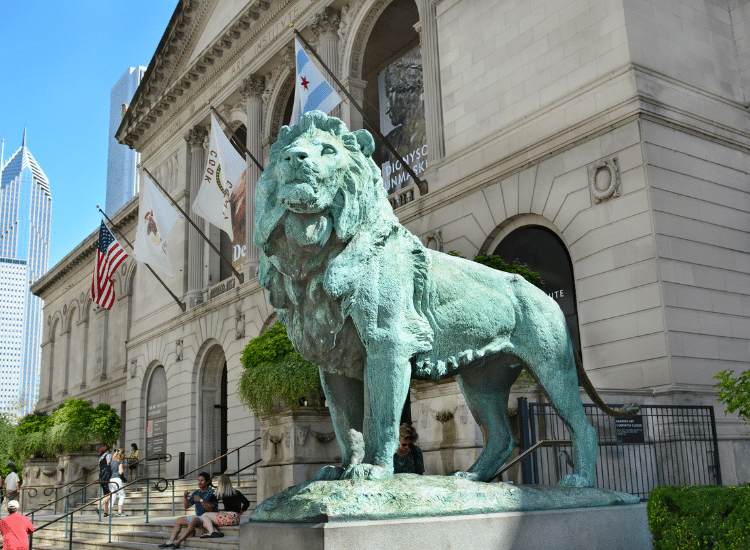
Your cultural exploration should begin with one of the most prestigious art establishments in the world: the Art Institute of Chicago. Founded in 1879, this museum houses masterpieces that span many centuries and continents. From works by Monet, Van Gogh, and Rembrandt, to modern icons like Grant Wood’s “American Gothic,” there’s a stunning range of visual narratives that capture human emotion and history.

What sets the Art Institute apart is its power to connect visitors emotionally to artistic creativity. Beyond paintings, its collections include sculptures, textiles, and ancient artifacts that create a dialogue between eras and cultures. First-time visitors often spend hours here, absorbing the global perspectives each gallery offers. 

Chicago Architecture River Cruise – A Floating Museum

Few cities in the world can match Chicago’s architectural innovation. The iconic skyline tells a story of ambition, resilience, and brilliance. The Architecture River Cruise is a must-do for anyone curious about how design shaped modern America. While gliding along the Chicago River, you’ll hear fascinating stories about structures like the Tribune Tower, Willis Tower, and the Wrigley Building. Interestingly, the cruise also highlights how the city has mastered water mitigation over the years—transforming its waterways into functional, sustainable systems that protect against flooding and preserve Chicago’s architectural integrity. Each bridge and building reflects a chapter of Chicago’s rebirth after the Great Fire of 1871. The smooth blend of Gothic, Modernist, and Postmodern design styles throughout downtown showcases a creative evolution that continues to influence urban architects worldwide. The experience is both educational and visually enchanting—especially during sunset, when the city glows golden against the reflective waters.

The Chicago Theatre – Where Legacy Meets Performance

With its ornate marquee and rich century-old history, the Chicago Theatre on State Street is more than just a venue—it’s a piece of living heritage. Built in 1921, it stands as a dazzling example of French Baroque architecture. Inside, the grand staircase, stained glass, and lavish décor make you feel like you’ve entered an era of golden glamour.

The theatre has hosted everything from jazz legends to modern pop icons. Catching a show here immerses you in a cultural experience that fuses performance art with Chicago’s deep entertainment history. Even if you don’t attend a concert, taking a guided tour is a worthwhile adventure into one of the city’s cultural jewels.

Millennium Park – A Canvas of Modern Culture

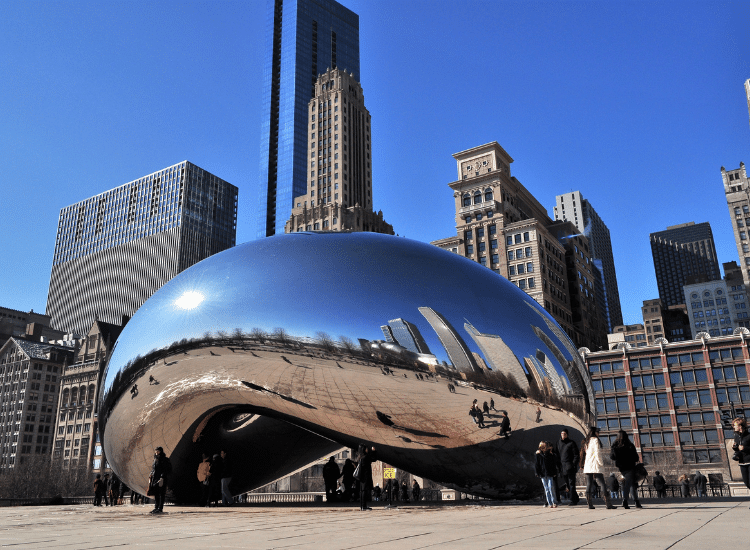
No visit to Chicago is complete without experiencing Millennium Park, a cultural playground that merges public art, architecture, and community. Its most famous feature, “Cloud Gate” (affectionately called “The Bean”), is a polished stainless-steel sculpture by Anish Kapoor that beautifully mirrors the city skyline.

Throughout the year, Millennium Park transforms into a center of cultural expression—hosting free concerts, art festivals, and movie nights. During summer, the lawn fills with locals enjoying live jazz, while winter brings skating beneath the shimmering lights. The fluid blend of art and community reflects Chicago’s commitment to cultural inclusivity and creativity.

The Field Museum – Time Travel Through Civilizations

Chicago’s Field Museum offers a journey across continents and centuries. This renowned institution houses more than 35 million specimens—from ancient fossils to cultural artifacts. At its entrance, the towering T. rex named “SUE” greets visitors, reminding everyone of the city’s scientific curiosity and preservation efforts.

Inside, you can explore the mysteries of ancient Egypt, learn about evolving ecosystems, and understand the rich heritage of indigenous cultures. It’s not just a museum—it’s a dynamic classroom for all ages. The Field Museum exemplifies Chicago’s dedication to knowledge and discovery, blending natural history with human creativity.

Chicago’s Blues and Jazz Heritage – The Soundtrack of a City

Few sounds define Chicago like its blues and jazz rhythms. The city became a musical haven in the early 20th century, attracting legends like Muddy Waters, Howlin’ Wolf, and Louis Armstrong. Today, that legacy lives on in cozy clubs scattered across the city—each pulsing with soulful melodies and improvisational energy.

The Green Mill Cocktail Lounge, once frequented by Al Capone, offers an authentic jazz experience where history meets live performance. Buddy Guy’s Legends, another local favorite, continues to celebrate blues authenticity while fostering new talent. Experiencing live music here connects you to the cultural roots that shaped Chicago’s identity as one of the world’s most influential music cities.

Neighborhoods as Cultural Experiences – Diversity in Motion

Chicago’s soul isn’t confined to downtown—it’s scattered across its distinct neighborhoods, each one painting a vivid picture of the city’s multicultural spirit.

  • Pilsen – Known for its colorful murals and strong Mexican heritage, Pilsen bursts with artistic energy. Visitors explore galleries, street art, and authentic Latin cuisine.
  • Chinatown – A vibrant enclave filled with traditional architecture, cuisine, and markets that immerse travelers in rich Asian traditions.
  • Greektown – With bustling eateries and community festivals, it offers an authentic taste of Greece right in Chicago.
  • Little Italy – Home to classical trattorias, old-world bakeries, and the Italian American Sports Hall of Fame.

Together, these neighborhoods form a living tapestry of global influences that make Chicago truly international in spirit.

Chicago’s Culinary Culture – A Feast for the Senses

Food is culture, and Chicago embodies that belief passionately. First-time visitors must experience the city’s eclectic dining scene blending deep-rooted traditions with boundary-pushing creativity.

No culinary tour would be complete without savoring a deep-dish pizza, the city’s most famous comfort food. Restaurants like Lou Malnati’s or Giordano’s deliver thick, cheesy perfection layered with tangy tomato sauce—a dish that represents Chicago pride.

Equally iconic is the Chicago-style hot dog, served with mustard, relish, chopped onions, pickles, tomatoes, peppers, and a sprinkle of celery salt (but never ketchup!). For fine dining, Chicago boasts Michelin-starred restaurants such as Alinea and Smyth, where the city’s vibrant cultural evolution is translated onto the plate in artful presentations.

Food festivals like the Taste of Chicago highlight the best local flavors and global fusions, showing how deeply intertwined culinary creation is with the city’s cultural heartbeat.

Museum of Science and Industry – Where Curiosity Meets Culture

The Museum of Science and Industry (MSI) celebrates innovation, wonder, and education in equal measure. Housed in the only remaining building from the 1893 World’s Columbian Exposition, the museum is both a cultural and historical marvel.

Interactive exhibits range from exploring weather patterns and space travel to understanding genetics and robotics. What makes MSI unique is its ability to make science feel human and accessible, engaging both children and adults. The museum remains a proud symbol of Chicago’s continuous push toward progress and innovation.

Chicago’s Public Art Trail – A Citywide Gallery

Chicago treats art as a shared experience rather than a privilege. Its streets, parks, and plazas serve as open-air galleries showcasing pieces by renowned artists. Works like Picasso’s untitled sculpture in Daley Plaza or the towering “Flamingo” by Alexander Calder transform everyday cityscapes into cultural attractions.

Public art celebrates inclusivity by merging creativity with accessibility. Walking through downtown, visitors frequently stumble upon sculptures and murals that provoke thought and define the city’s collective identity. This balance of art and urban design makes Chicago a world leader in integrating creativity into living spaces.

The Chicago History Museum – Storytelling the City’s Journey

Every city has a story, and the Chicago History Museum masterfully tells it. From the Great Fire of 1871 to the rise of its industrial and cultural might, the exhibits bring Chicago’s evolution vividly to life. The museum highlights stories of immigration, architecture, urban development, and the people who made Chicago thrive.

Each exhibit encourages reflection on how the past continues to shape modern identity. For first-time visitors, it’s a captivating place to understand how resilience and reinvention transformed the city into a world-class cultural hub.

Cultural Festivals – Celebrating Togetherness

Chicago’s rhythm is felt most strongly during its cultural festivals. These celebrations showcase the city’s diversity through music, dance, and food. Popular events include:

  • Chicago Jazz Festival – Celebrating global jazz legends and emerging musicians in Millennium Park.
  • Taste of Chicago – A massive culinary festival spotlighting local favorites and international cuisines.
  • Chicago Air and Water Show – Blending thrilling aerial displays with a classic lakeside vibe.
  • Hyde Park Jazz Festival and Puerto Rican Festival – Celebrating community pride and heritage.

Each event strengthens Chicago’s reputation as a city that unites people through joy, creativity, and collective experience.

Chicago’s Literary and Theatre Scene

Chicago’s intellectual life thrives through its legendary writers and theater houses. The Second City comedy club, birthplace of stars like Tina Fey and Bill Murray, continues to produce satire that reflects the city’s humorous and resilient spirit. Meanwhile, the Steppenwolf Theatre Company delivers award-winning plays that often explore themes of humanity and social realism.

Literary enthusiasts can trace the city’s literary lineage through figures like Nelson Algren and Sandra Cisneros. Independent bookstores and spoken-word stages contribute to a thriving culture of expression—where language continues to mirror the energy of urban life.

The Chicago Cultural Center – A Beacon of Free Art

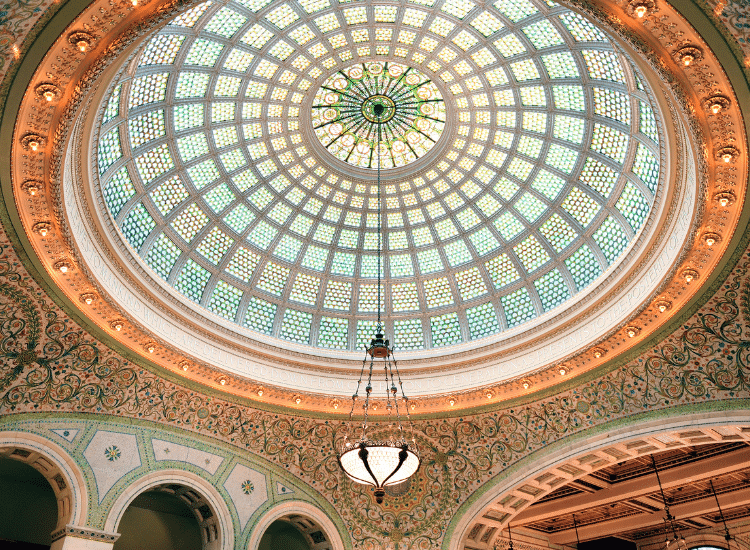
For art lovers traveling on a budget, the Chicago Cultural Center is an absolute must. This architectural gem offers free access to a rotating selection of art installations, performances, and exhibitions. Home to the world’s largest Tiffany stained-glass dome, its interior is as stunning as the art it hosts.

Every day, visitors can encounter artists at work, musical performances, lectures, and cultural discussions—all for free. The center embodies Chicago’s democratic spirit of making art accessible to everyone.

Exploring the Lakefront – Art Meets Nature

Chicago’s 18-mile-long Lakefront Trail elegantly merges natural beauty with cultural vibrancy. Museums, beaches, and gardens line this scenic route, providing endless opportunities for sightseeing and relaxation. The stretch from Navy Pier to Museum Campus includes some of the most iconic attractions, each enriched by public performances and outdoor art exhibits.

Whether biking, strolling, or enjoying open-air concerts, the lakefront experience binds nature and creativity in harmony—something that defines Chicago’s urban spirit.

Street Murals and Community Art

Chicago’s street art scene transforms walls into narratives. Neighborhoods like Wicker Park and Pilsen serve as sprawling galleries showcasing bold colors and powerful statements about social justice, community identity, and hope. These murals are not just decorative—they’re cultural dialogues between artists and citizens.

The city actively supports mural projects, reinforcing how creative expression enhances civic engagement and pride. Visitors intrigued by photography or storytelling often find these streetscapes the most authentic reflections of Chicago’s energy.

Interactive Museums and Learning Spaces

Beyond iconic institutions, Chicago features numerous interactive spaces designed to educate while entertaining. The DuSable Museum of African American History, the National Museum of Mexican Art, and the Museum of Contemporary Art highlight diverse perspectives in global and local contexts.

Each institution amplifies voices through visual storytelling, technology, and immersive experiences, ensuring culture remains a living, participatory element of city life. For first-time visitors, these museums broaden understanding of Chicago as more than a destination—it becomes an inspiration.

Modern Entertainment and Innovation

As much as Chicago respects its past, it constantly evolves. The thriving film scene, music festivals like Lollapalooza, and innovative tech-art installations represent its forward-looking creative spirit. Galleries blend digital reality and traditional media, showcasing how the arts adapt to modernity without losing authenticity.

The city’s cultural vitality thrives on inclusivity—fusing technology, performance, and heritage into new forms of expression. Everywhere you look, culture is alive, bold, and dynamic.

If you are looking for a trusted water mitigation company that understands the importance of preservation—whether restoring a home, a historic property, or a valued business space—Redefined Restoration – Chicago Water Damage Service stands ready to help. The team specializes in professional water mitigation processes that prioritize safety, structural integrity, and detail-driven restoration. Their experienced technicians ensure each space regains its strength and aesthetic appeal through advanced drying technology and precise repair solutions. Finding a dedicated water mitigation company focused on long-term reliability makes a real difference—and Redefined Restoration brings that commitment to every project they handle.


Redefined Restoration – Chicago Water Damage Service

2924 W Armitage Ave Unit 1, Chicago, IL 60647

(708) 722-8778

https://redefinedresto.com/water-damage-restoration-chicago/
 

The Evolution of Water Damage Restoration Companies: From Buckets to Breakthroughs

water damage restoration companies

Water damage has been a problem for centuries, and so has the need to repair and restore properties after it strikes. Whether it’s the result of floods, broken pipes, or roof leaks, water can wreak havoc on homes and businesses. The way we respond to these challenges has drastically changed over time. Decades ago, drying out a home after a flood might have meant opening windows, using towels, and placing buckets everywhere. Today, modern technology and advanced expertise have redefined what’s possible. In this blog, we will explore the fascinating journey of water damage restoration companies, how their role evolved over time, and what homeowners can expect when working with modern industry professionals like Redefined Restoration – Franklin Park Water Damage Service.

The Early Days of Water Damage Cleanup

In the earliest eras, when homeowners experienced flooding or water damage, there was no specialized service to call. Families relied on homemade methods such as buckets, pans, cloths, and heavy labor to manually remove water from their homes. Dehumidifiers and advanced drying equipment didn’t exist. It often took weeks, if not months, for a property to fully dry, and the risk of mold and structural damage was extremely high.

Back then, there were no professional water damage restoration companies providing specialized response. When damage happened, homeowners depended on community efforts, neighbors, or basic contractors, who often focused only on repairing what was visibly damaged rather than addressing hidden moisture. This lack of expertise often left structures weakened, creating long-term issues for future homeowners. The limitations of early cleanup efforts show why innovation was badly needed in this industry.

The Birth of Professional Water Damage Services

By the mid-20th century, the need for specialized services became apparent. Construction methods evolved, homes were built with more complex materials, and industries recognized that water could compromise both structural integrity and occupant health. This gave rise to the first professional water damage restoration companies who were dedicated to helping people recover from unexpected water emergencies.

These early businesses invested in equipment such as industrial fans, pumps, and heaters, moving far beyond household tools. They also gained a better understanding of moisture detection and damage assessment. This professionalization marked the beginning of a new era. For the first time, water damage cleanup wasn’t just about removing visible water—it became about addressing the unseen damage and ensuring safety for families.

The Modern Transformation of the Industry

Today’s water damage restoration companies look nothing like their early predecessors. Technology has revolutionized how professionals operate. Infrared cameras help locate hidden leaks, hygrometers measure humidity with precision, and advanced extraction machines can remove gallons of water in minutes. Mold remediation processes are integrated into restoration services, ensuring homes don’t just appear dry but are also safe to live in.

Companies like Redefined Restoration – Franklin Park Water Damage Service represent how far the industry has come. Their expertise and tools allow them to act quickly, saving property owners from lengthy downtime and avoiding future risks. These services highlight not just efficiency but also compassion, working with homeowners who are often under stress and helping them get back to a sense of normal.

Water damage restoration companies today also collaborate more closely with insurance providers, simplifying the claims process and reducing financial burdens on families. This has made recovery from water emergencies less overwhelming than in the past.

The Rising Importance of Prevention

Along with restoration, companies in this field now focus heavily on prevention. Advances in inspection equipment allow professionals to warn property owners about problem areas, faulty plumbing systems, or high-risk structures before disaster happens. Many modern water damage restoration companies offer maintenance plans and emergency readiness packages that weren’t available even a few decades ago.

This proactive approach saves money for homeowners in the long run and keeps businesses operating without interruptions. The industry has grown from simply reacting when something goes wrong to preparing clients for potential challenges. This preventive mindset has truly redefined the role of water damage restoration specialists.

How Customer Care Has Evolved

Another major evolution has been the human side of the business. In the past, homeowners often had to scramble to figure out next steps after a water event. Communication was minimal, and clients often didn’t fully understand what was happening in their own homes.

Today, water damage restoration companies near me focus as much on customer care as on technical expertise. Homeowners are guided step by step through the process, from water extraction and drying to repairs and mold prevention. For example, Redefined Restoration – Franklin Park Water Damage Service places a strong emphasis on this supportive relationship, making sure families feel informed and reassured during what can be a stressful situation.

This personalized service has created more trust between companies and homeowners, strengthening the industry’s reputation. Modern restoration isn’t just about fixing buildings—it’s about restoring peace of mind.

The Future of Water Damage Restoration

The journey from buckets and towels to high-tech breakthroughs hasn’t ended. The next phase for water damage restoration companies may involve even more automation, artificial intelligence, and smart home integration. Imagine sensors that alert you instantly of leaks and notify your restoration provider before the water even spreads. Some companies are already experimenting with predictive maintenance solutions that use data to identify risks before they become costly disasters.

Redefined Restoration – Franklin Park Water Damage Service is part of this evolving movement, embracing advanced techniques and staying updated with industry standards. The restoration world continues to push toward faster response times, more precise solutions, and environmentally friendly processes.

Why Choose Us

At Redefined Restoration – Franklin Park Water Damage Service, we combine advanced technology, fast response, and genuine care to guide homeowners through even the toughest water damage challenges. Our priority is ensuring not only the safety of your property but also your peace of mind.

Redefined Restoration – Franklin Park Water Damage Service

1075 Waveland Ave, Franklin Park, IL 60131, United States

(708) 303-6732

https://redefinedresto.com/water-damage-restoration-franklin-park-il