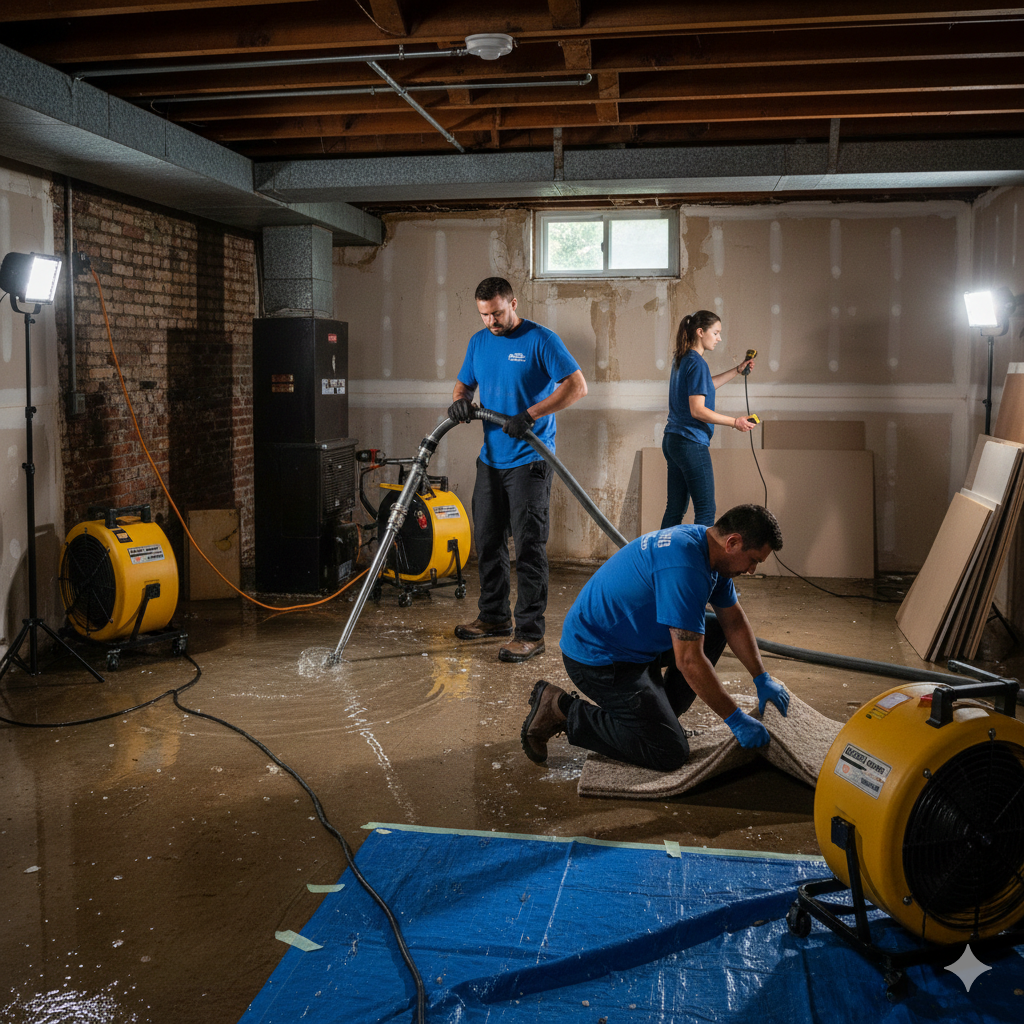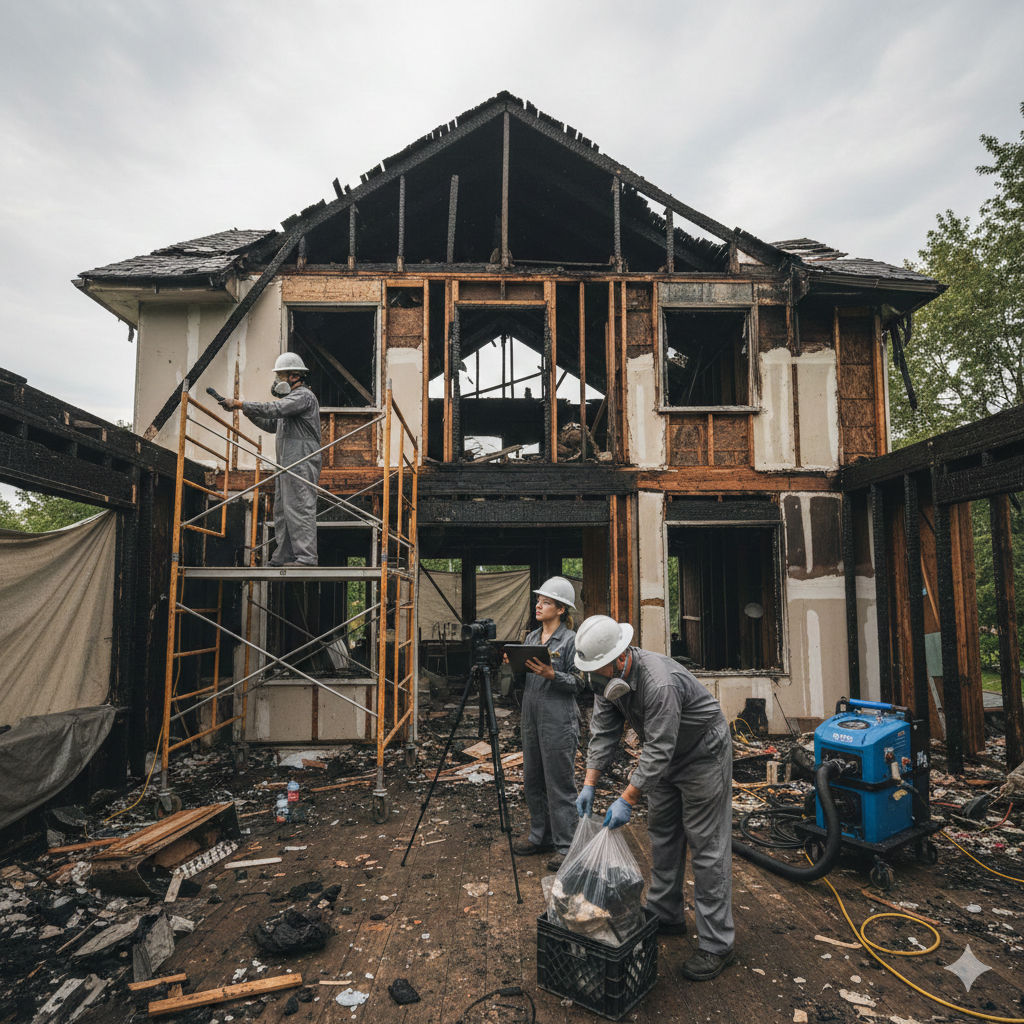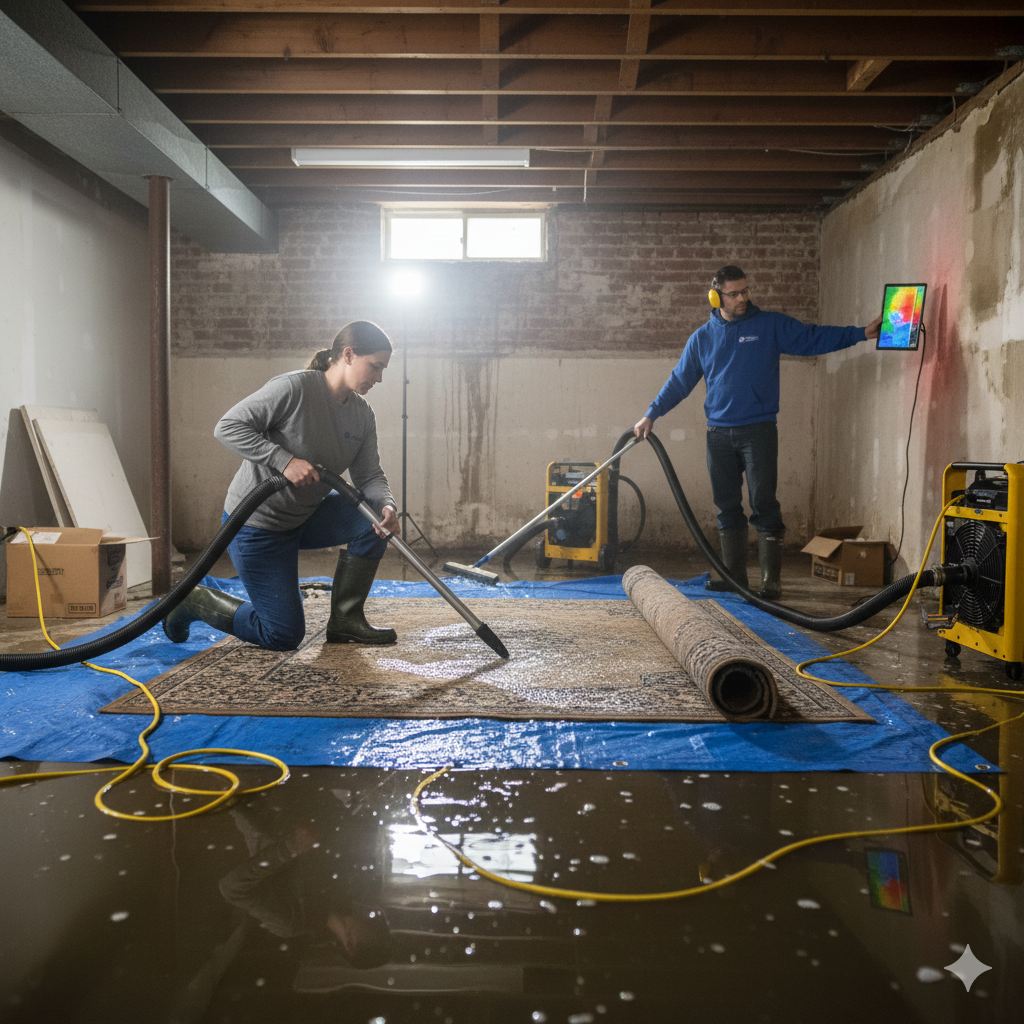
When the temperature drops below zero on a January night in Hyde Park or a sudden spring deluge overwhelms the infrastructure near River North, the integrity of a property is immediately at risk. Water is a patient destroyer. In the context of Chicago’s unique urban landscape—ranging from historic greystones to modern glass high-rises—a water intrusion is not merely a mess to be mopped; it is a complex biological and structural emergency.
Securing a professional water damage restoration service in 2026 requires more than just calling a contractor with a shop-vac. It requires a partner who understands the specific atmospheric demands of the Midwest, the technical rigors of high-capacity drying, and the intricate bureaucracy of the insurance industry. For property owners, the goal is not just to “get the water out,” but to ensure that the building remains structurally sound and biologically safe for years to come.
The Physics of a Flooded Environment
Water damage is progressive. To understand why professional intervention is necessary, one must look at the physics of how moisture interacts with common Chicago building materials. When a pipe bursts or a foundation fails, water moves from areas of high concentration to low concentration through capillary action and vapor pressure.
The Porosity Factor
In many Chicago neighborhoods like Logan Square, older homes feature lath-and-plaster walls and solid oak flooring. These materials are highly porous. Unlike modern drywall, which can often be “cut and tossed,” historic materials require a specialized drying approach to prevent permanent warping or “cupping.” A professional water damage restoration service utilizes moisture mapping—using non-penetrating meters and thermal imaging—to track exactly how deep the water has traveled into the “skeletal” components of the house.
Secondary Damage and Humidity
As water sits, it evaporates into the air, raising the relative humidity (RH) of the indoor environment. When RH exceeds 60%, secondary damage begins. This manifests as peeling wallpaper, sagging ceilings in rooms far from the original leak, and the activation of dormant mold spores. Professional restoration is essentially a battle against the “dew point,” using industrial-grade dehumidification to pull moisture out of the air faster than the materials can release it.
The Logistics of a Chicago Emergency: 60-Minute Response Realities
In a city defined by its traffic and density, the speed of arrival is a primary indicator of a successful outcome. Redefined Restoration has built its operational model around the “Chicago hour”—the understanding that an emergency in the Loop requires different logistics than one in the quiet suburbs.
Why the First 90 Minutes Matter
Within the first hour of a major water event, wood finishes begin to swell and dyes from rugs can permanently stain flooring. By the 90-minute mark, the saturation of insulation begins to compromise the R-value of the walls, a critical concern during a Chicago winter. By dispatching IICRC-certified crews equipped with high-capacity pumps immediately, the goal is to shift the property from a “state of loss” to a “state of stabilization” before the next business day begins.
Neighborhood-Specific Challenges
Every Chicago neighborhood presents different structural hurdles:
- The Loop & River North: High-rise water damage often involves “vertical migration,” where a leak on the 20th floor affects a dozen units below. This requires coordination with building engineers and the use of portable, high-efficiency equipment that fits into service elevators.
- Hyde Park & Historic Districts: Vintage plumbing and thick masonry walls require slower, more controlled drying to prevent “over-drying,” which can cause antique wood to crack.
- Lakefront Properties: Seepage from high water tables near Lake Michigan requires constant extraction and heavy-duty sanitization to combat the microbes found in lake-proximate groundwater.
Strategic Advocacy: Navigating the Insurance Claim Process
For most Chicago homeowners, the financial burden of a flood is as stressful as the physical cleanup. One of the most significant advantages of hiring an established water damage restoration service is the administrative support provided during the claims process.
The Role of the Dedicated Project Manager
At Redefined Restoration, the technical work is only half the battle. We assign a dedicated Project Manager to every loss. This individual acts as the primary point of communication between the homeowner and the insurance adjuster. Rather than the homeowner trying to explain “wicking” or “microbial growth” to an adjuster, the Project Manager provides a professional, documented scope of work that speaks the language of the insurance industry.
Industry-Standard Documentation
Insurance companies require specific “proof of loss” to approve a claim. In 2026, this documentation has become highly technical. It includes:
- Moisture Logs: Daily readings showing the progression of the drying process.
- Psychrometric Charts: Calculations of temperature and humidity that prove the drying environment was managed according to IICRC protocols.
- Photographic Evidence: “Before, during, and after” photos of every affected area, including hidden spaces like wall cavities and subfloors.
- Direct Billing: Simplifying the process by submitting industry-standard estimates directly to major carriers, which often results in faster settlements and less out-of-pocket stress for the client.
The Technical Execution: Phases of Professional Restoration
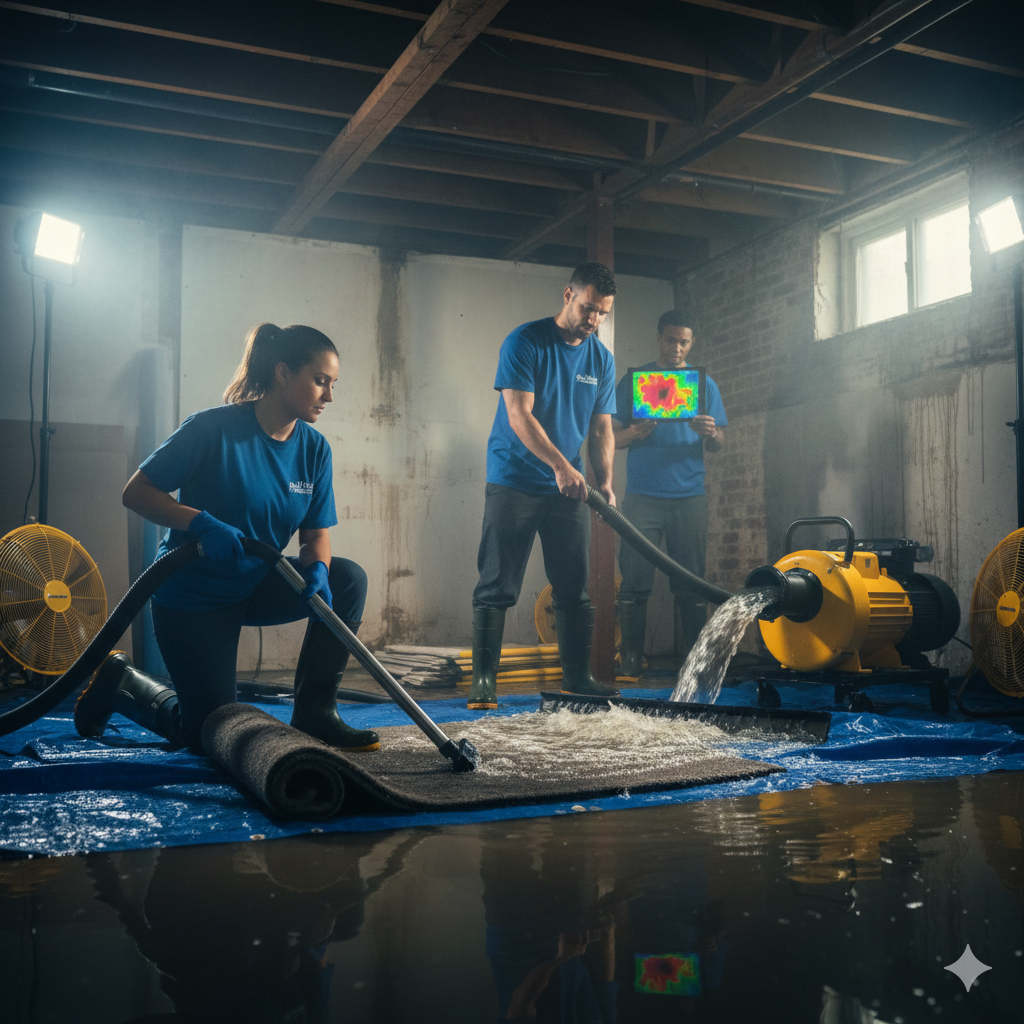
A professional water damage restoration service follows a rigorous, scientific sequence. Skipping a step in this process is what leads to “recurrent mold” or “mystery smells” months after the event.
Phase 1: Extraction and Physical Removal
The most efficient way to dry a building is to remove water in its liquid state. We use truck-mounted extraction units that are exponentially more powerful than a standard wet-vac. This phase isn’t just about the floor; it’s about extracting moisture from carpet padding and deep within upholstery.
Phase 2: Sanitization and Antimicrobial Application
In Chicago, water damage is rarely “clean.” Even a broken freshwater pipe becomes “gray water” once it touches a dusty floor or travels through a wall cavity. We apply EPA-approved, hospital-grade antimicrobials to prevent the “amplification” of mold and bacteria. This is especially vital in basement floods near Lake Shore Drive, where groundwater may carry urban contaminants.
Phase 3: High-Efficiency Dehumidification (LGR Technology)
We utilize Low Grain Refrigerant (LGR) dehumidifiers. Unlike standard units, LGR dehumidifiers are designed to continue removing water vapor even when the air is already quite dry. In the high-density environment of a Chicago apartment, this is the only way to ensure that moisture is pulled from deep inside the wooden studs and sill plates.
Phase 4: Controlled Airflow and Temperature Management
Air movers are not just “fans.” They are strategically placed to create a vortex of high-velocity air that breaks the “boundary layer” of moisture on surface materials. By controlling the temperature of the room, we maximize the air’s ability to hold vapor, which the dehumidifiers then remove.
Longevity and Value: Why Technical Accuracy Matters
A house is often a Chicagoan’s most significant asset. Cutting corners on a water damage restoration service can result in a permanent decrease in property value.
Avoiding the “Mold Disclosure” Trap
When you sell a home in Illinois, you are often required to disclose past water damage and mold remediation. A professionally managed restoration—complete with a “Certificate of Dryness” and third-party lab testing if necessary—is a valuable asset during a real estate transaction. It proves to future buyers that the issue was handled with technical accuracy and that the structural integrity was never compromised.
Preserving Structural Materials
“Dry rot” is a misnomer; wood rot requires moisture. When water is left in the subfloor or the bottom plate of a wall, it invites wood-decaying fungi. Over time, this can lead to sagging floors and compromised load-bearing walls. Professional drying ensures the moisture content (MC) of the wood is returned to its “dry standard”—typically between 8% and 12% for the Chicago climate.
Frequently Asked Questions in the Field
While we do not list these as a Q&A, these points address the primary concerns we hear from Chicago property owners every day.
Can I just dry it myself with fans?
The short answer is: you can dry the surface, but you cannot dry the structure. Household fans move air, but they do not remove moisture from the environment. Without industrial dehumidification, you are simply moving wet air around, which often results in mold growth on the ceiling or inside the walls. Furthermore, without professional moisture meters, you have no way of knowing if the water has reached the insulation or the subfloor.
Is the smell permanent?
The “musty” odor associated with water damage is actually the off-gassing of mold or bacteria. If the restoration is handled correctly—including deep sanitization and the use of HEPA air scrubbers—the smell will not be permanent. However, if the water is allowed to sit for more than 48 hours, the odor can permeate porous materials like drywall and wood, requiring more aggressive “odor counteraction” treatments.
How do I know when it’s truly dry?
“Dry” is a scientific measurement, not a feeling. We use “moisture points” and comparison readings from dry parts of the building. We do not remove our equipment until the readings show that the affected materials have reached equilibrium with the rest of the home. This data-driven approach is what allows Redefined Restoration to offer a 100% satisfaction guarantee.
Chicago’s Seasonal Vulnerabilities: What to Watch For
Our local climate in 2026 continues to present seasonal challenges that require property owners to remain vigilant.
- Winter (The Freeze-Thaw Cycle): Pipes in Chicago often freeze not because the whole house is cold, but because a tiny draft in the basement or an outer wall lets in a “jet” of sub-zero air. If you see a faucet with a reduced flow during a cold snap, it is a sign of an impending burst.
- Spring (Overloaded Sewer Systems): Chicago’s combined sewer system can become overwhelmed during heavy rains, leading to “backflow” into basements. This water is Category 3 (highly contaminated) and requires immediate professional extraction and heavy sanitization.
- Summer (High Humidity and AC Failures): High-rise buildings often see water damage from air conditioning condensate lines that clog, leading to water dripping behind walls for weeks before it is noticed.
Building a Relationship of Trust
Redefined Restoration was founded on the principle that property owners deserve transparency during a crisis. In an industry where “storm chasers” often appear after a disaster, we take pride in our deep local roots and our 15 years of Chicago experience.
Trust is built through:
- Transparent Pricing: No hidden “emergency fees” that aren’t explained upfront.
- Professional Conduct: Crews that respect your property, use floor protection, and maintain a clean job site.
- Technical Authority: Technicians who can explain the why behind every piece of equipment they place in your home.
- Accountability: Standing behind our work with documented proof of dryness and a commitment to your total satisfaction.
Conclusion: Turning the Tide on Water Damage
A water loss is a disruption, but it does not have to be a permanent tragedy. By choosing a water damage restoration service that prioritizes rapid local response, scientific drying protocols, and aggressive insurance advocacy, you are taking the most important step toward protecting your Chicago property.
The “Redefined” approach is about more than just drying a floor; it is about restoring the rhythm of your life and the safety of your home. Whether you are dealing with a burst pipe in a Logan Square bungalow or a major commercial flood in River North, remember that the clock is ticking. Professional help is not just an option—it is the difference between a minor repair and a total structural loss.
If you are facing a water emergency in Chicago today, don’t wait for the damage to become permanent. Contact a team that understands the city, the science, and the stakes.