
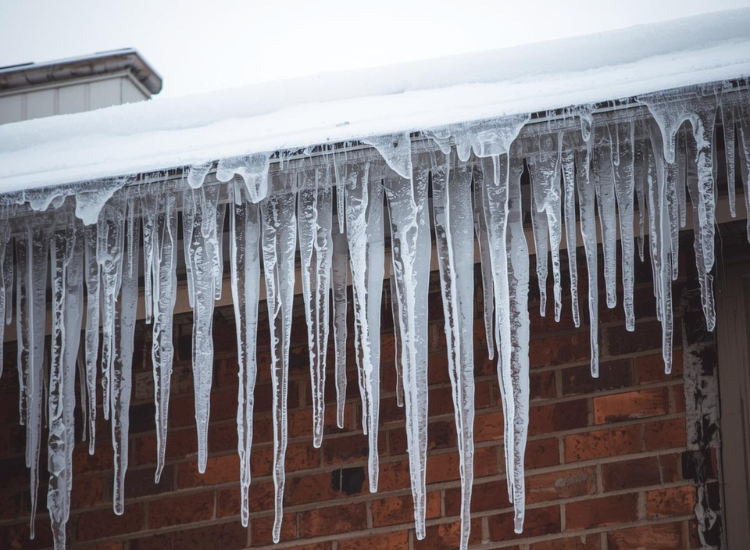
Ice dams form when heat escapes through your roof, melting snow that refreezes at the colder eaves, creating a dam that forces water under shingles and into your home. This cycle causes significant interior water damage to ceilings, walls, and insulation, while also creating safety hazards from falling icicles and potential structural damage. Chicago homeowners face particular risk during our brutal winters when heavy lake effect snow combines with sub-zero temperatures and freeze-thaw cycles. Understanding how ice dams develop and their dangers is essential for protecting your home during the harsh Chicagoland winter months.
The Science Behind Ice Dam Formation
Ice dams don’t form randomly—they’re the result of a specific chain of events that Chicago’s winter weather makes particularly likely. When your attic or roof space is warmer than the outside temperature, heat radiates through the roof deck and melts the bottom layer of snow sitting on your shingles. This melted water then flows down the roof slope until it reaches the eaves, which extend beyond your home’s heated envelope and remain at freezing temperatures.
Once that water reaches the cold eaves, it refreezes into ice. As this process repeats throughout the day and night—especially during our polar vortex events when temperature swings are dramatic—the ice builds up into a ridge or “dam” along the edge of your roof. Meanwhile, more snow continues melting from the warmer roof areas above, creating a pool of water trapped behind the ice dam with nowhere to go.
This standing water eventually works its way under your shingles, which aren’t designed to handle water backing up from below. From there, it seeps into your roof deck, attic insulation, and eventually through ceilings and walls into your living spaces.
Why Ice Dams Are Particularly Dangerous in Chicagoland Homes
Extensive Water Damage
The water infiltration caused by ice dams leads to serious interior damage. Homeowners throughout Lincoln Park, Evanston, Naperville, and other Chicagoland communities face ceiling stains, peeling paint, warped floors, and saturated insulation. In our region’s historic Chicago bungalows, classic greystones, and two-flats, this water damage can compromise plaster walls and damage irreplaceable architectural details.
The moisture doesn’t just disappear after one event—it accumulates throughout the winter season, particularly during heavy lake effect snowfall periods. By the time spring arrives, many homeowners discover extensive hidden damage that developed over months.
Mold Growth in Hidden Spaces
Chicago’s already humid conditions create perfect mold breeding grounds when combined with ice dam moisture. Water trapped in wall cavities, attic insulation, and ceiling spaces often goes unnoticed until mold colonies establish themselves. This becomes especially problematic in homes with finished attics or cathedral ceilings where ventilation is limited.
Structural and Safety Concerns
The weight of ice dams puts tremendous stress on your gutters, fascia boards, and roof edges. We regularly respond to calls in Arlington Heights, Schaumburg, and throughout Cook and DuPage Counties where gutters have been torn completely off homes. The massive icicles that accompany ice dams pose serious injury risks to anyone walking below, particularly dangerous for homes near sidewalks in densely populated neighborhoods like Lakeview, Logan Square, or downtown Oak Park. In addition to structural hazards, ice dams can also affect the efficiency and longevity of your home's heating system. Lokis Heating and AC Repair, an HVAC contractor, notes that poorly insulated attics and malfunctioning ventilation often contribute to the formation of ice dams and related water damage issues.
Recurring Freeze-Thaw Damage
Chicago’s characteristic freeze-thaw cycles make ice dam damage worse. As temperatures fluctuate between sub-zero cold snaps and brief warming periods, ice dams grow larger, melt slightly, then refreeze. Each cycle pushes more water under shingles and widens existing cracks in roofing materials.
Prevention and Protection Strategies
Improve Attic Insulation and Ventilation
The most effective prevention keeps your roof cold by preventing heat loss. Ensure your attic has adequate insulation (R-49 to R-60 for Chicagoland homes) and proper ventilation through soffit and ridge vents. This keeps heat in your living spaces rather than warming your roof deck.
Seal Air Leaks
Check for gaps around chimneys, plumbing vents, recessed lighting, and attic hatches. These air leaks allow warm air to escape into attic spaces, creating hot spots that accelerate snow melting.
Clear Snow After Heavy Lake Effect Events
After major snowfall, use a roof rake to remove snow from the lower three to four feet of your roofline. This eliminates the snow that would otherwise melt and contribute to ice dam formation.
Monitor Gutters and Drainage
Keep gutters clear of debris before winter arrives. While clogged gutters don’t cause ice dams, they contribute to ice buildup and prevent proper drainage when melting occurs.
When to Call Professional Restoration Services
If you notice water stains appearing on ceilings or walls during winter, contact restoration professionals immediately. Redefined Restoration serves Chicago and all surrounding Chicagoland communities including Elmhurst, Downers Grove, Orland Park, Tinley Park, and throughout Lake, Will, and Kane Counties with 24/7 emergency response for ice dam damage.
Don’t attempt to chip away ice dams yourself—you risk personal injury and roof damage. Professional restoration teams safely remove ice dams, assess water damage, dry affected areas properly, and prevent mold growth before it starts.
Protect your Chicago-area home from ice dam damage this winter. Contact Redefined Restoration at https://redefinedresto.com for emergency water damage restoration or preventive consultations. Our experienced team understands Chicagoland’s unique winter challenges and responds quickly to minimize damage and restore your home safely.