
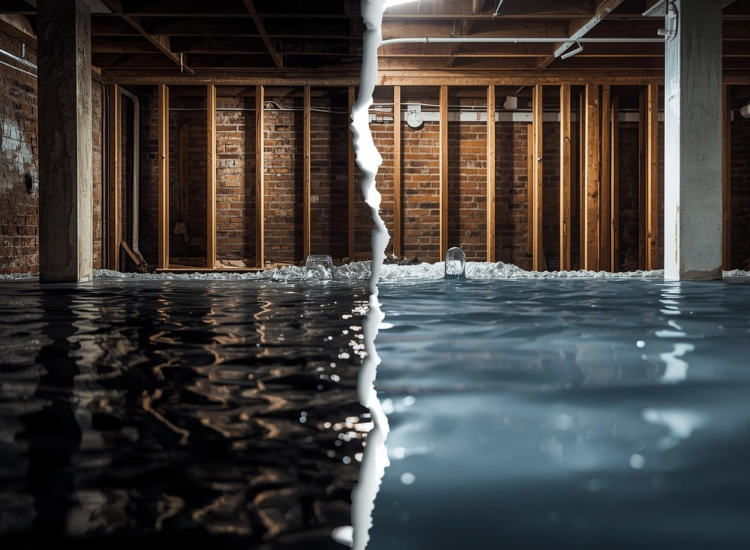
Gray water comes from household sources like dishwashers, washing machines, and bathroom sinks, containing soap, detergent, and minor contaminants that pose minimal health risks. Black water, however, involves sewage, toilet overflows, or floodwater contaminated with bacteria, viruses, and hazardous materials that create serious health threats requiring immediate professional intervention. Understanding this distinction is critical for Chicago-area homeowners, as it determines the urgency, safety protocols, and restoration approach needed to protect your family and property.
Understanding the Three Categories of Water Damage
Water damage professionals classify contaminated water into three distinct categories based on the level of contamination and associated health risks. This classification system, established by the Institute of Inspection, Cleaning and Restoration Certification (IICRC), helps determine the appropriate safety measures and restoration techniques.
Category 1 – Clean Water: Originates from sanitary sources like broken water supply lines, melting snow, or rainwater that hasn’t contacted contaminants. While initially clean, this water can degrade to Category 2 if left standing for 24-48 hours.
Category 2 – Gray Water: Contains significant contamination that could cause discomfort or illness if contacted or consumed. Sources include discharge from dishwashers, washing machines, clean toilet bowls (no feces), aquarium water, and water from sump pump failures.
Category 3 – Black Water: Grossly unsanitary water containing pathogenic agents, toxins, and harmful bacteria. This category includes sewage backups, toilet overflows with feces, flooding from rivers or streams, and any standing water that has promoted microbial growth.
Gray Water Sources and Risks in Chicagoland Homes
Gray water incidents are relatively common in Chicago’s diverse housing stock, from historic bungalows in Beverly to modern homes in Naperville. Typical gray water sources include:
- Dishwasher or washing machine overflow from clogged drains
- Bathroom sink or shower backups
- Malfunctioning sump pumps in finished basements (before sewage contamination occurs)
- Water heater leaks mixed with rust and sediment
- Air conditioner condensate drain overflows
While gray water contains detergents, body oils, food particles, and other contaminants, it generally doesn’t pose immediate severe health threats. However, gray water requires prompt cleanup within 24-48 hours to prevent mold growth—a particular concern during Chicago’s humid summer months—and potential degradation to black water as bacteria multiply.
Homeowners should wear protective gloves and boots when handling gray water cleanup, ensure adequate ventilation, and thoroughly disinfect affected areas. Professional assessment is recommended for extensive gray water damage, especially in properties throughout Cook, DuPage, Lake, Will, and Kane Counties where older plumbing systems may complicate the situation.
Black Water Hazards and Emergency Response
Black water represents the most dangerous water damage category and demands immediate professional intervention. In Chicagoland, common black water scenarios include:
Sewage Backups: Aging sewer systems in older Chicago neighborhoods like Logan Square and Hyde Park can experience backups, especially during heavy spring rains or rapid snowmelt when municipal systems become overwhelmed.
Toilet Overflows with Sewage: Particularly hazardous when they affect finished basement spaces common in two-flats and greystones throughout Evanston, Oak Park, and Arlington Heights.
Flooding from External Sources: Spring flooding along the Des Plaines River or flash floods from summer thunderstorms bring contaminated water containing soil bacteria, agricultural runoff, chemicals, and sewage from overwhelmed storm drains.
Backed-Up Floor Drains: In basement-level finished spaces in Schaumburg, Elmhurst, and Downers Grove, floor drain backups often contain sewage from main line issues.
Black water contains dangerous pathogens including E. coli, Salmonella, hepatitis A virus, Giardia, and other disease-causing organisms. Exposure can result in severe gastroenteritis, skin infections, respiratory problems, and other serious health conditions. Never attempt DIY cleanup of black water damage.
Critical Safety Protocols for Black Water Situations
If you experience black water damage in your Chicagoland home, follow these essential safety steps:
Evacuate Immediately: Keep family members and pets away from contaminated areas, especially children who are more vulnerable to waterborne illnesses.
Avoid All Contact: Do not walk through, touch, or attempt to clean black water without proper personal protective equipment (PPE) including respirators, waterproof suits, and chemical-resistant gloves.
Turn Off Electricity: If safe to reach your electrical panel without entering contaminated areas, shut off power to affected zones to prevent electrocution hazards.
Document for Insurance: Take photographs from doorways or safe distances before professionals arrive to support your insurance claim.
Call Professional Restorers: Contact certified water damage restoration specialists immediately—time is critical as contamination spreads rapidly.
Professional Restoration Process Differences
The restoration approach varies significantly between gray water and black water incidents:
Gray Water Restoration
- Extract standing water using professional-grade equipment
- Remove saturated porous materials like carpet padding
- Clean and disinfect affected surfaces with antimicrobial solutions