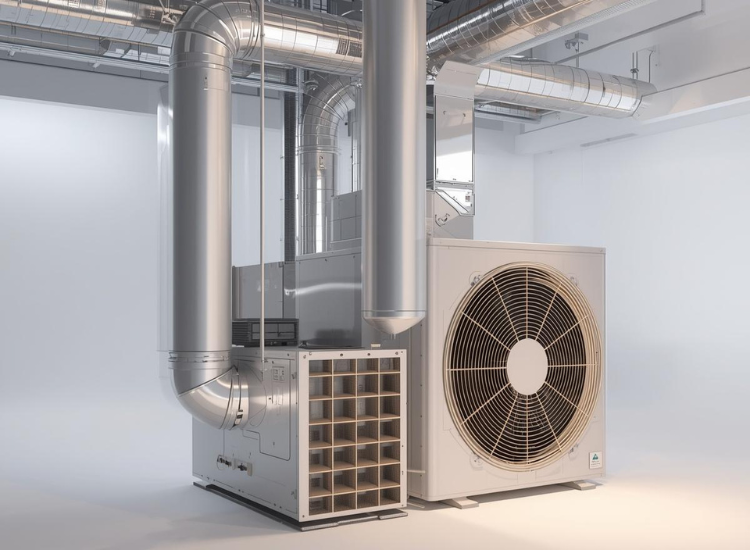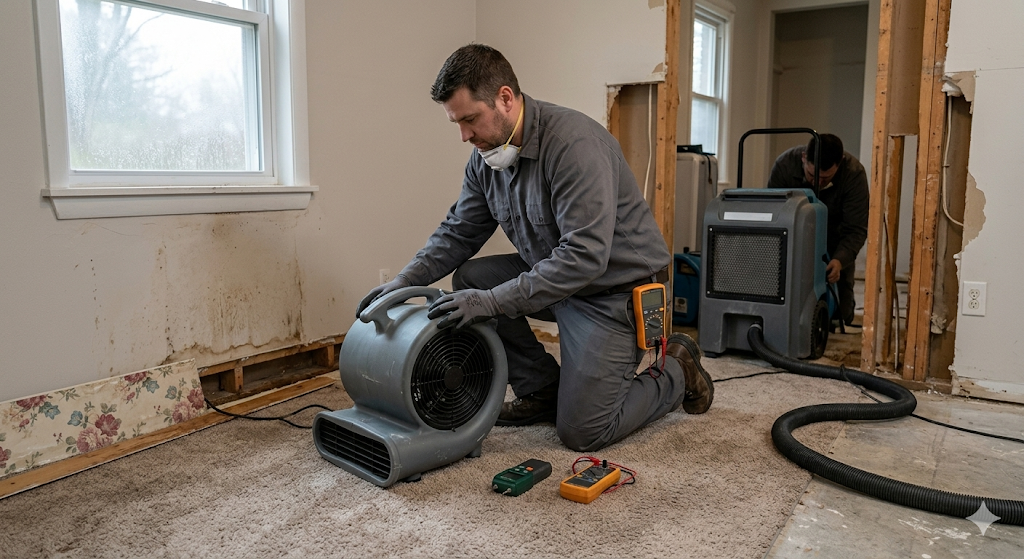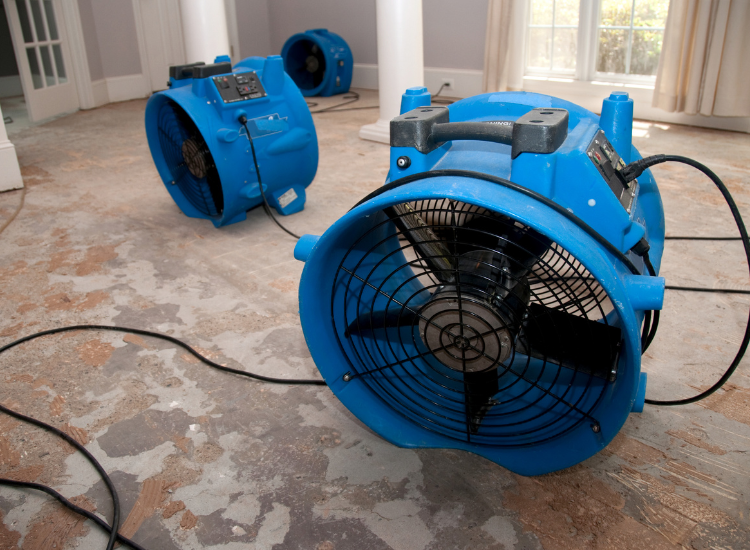
Air scrubbers with HEPA filters remove airborne particles, mold spores, smoke, and contaminants during restoration work, creating a cleaner and safer environment for both workers and property occupants. These powerful filtration systems continuously cycle air through multi-stage filters that capture microscopic particles as small as 0.3 microns, preventing cross-contamination and improving indoor air quality. In Chicago-area restoration projects—whether addressing water damage from burst pipes, mold growth from humid summers, or smoke damage from fires—air scrubbers play a critical role in protecting health and ensuring thorough remediation.
Why Air Scrubbers Are Essential in Restoration Projects
When your Chicago home experiences water damage, fire, or mold problems, the air quality inside becomes compromised immediately. Water intrusion creates the perfect environment for mold spores to become airborne, fire damage releases soot particles and odor molecules throughout your property, and demolition work during restoration kicks up dust and debris. Air scrubbers address these invisible threats that standard cleaning cannot eliminate.
In neighborhoods throughout Cook, DuPage, Lake, Will, and Kane Counties, where many homes feature finished basements and enclosed spaces, airborne contaminants can quickly spread from the affected area to other parts of your property. Without proper air filtration, restoration work can actually worsen air quality problems by disturbing settled particles and allowing them to migrate into previously unaffected rooms.
How Air Scrubbers Work During Restoration
Professional air scrubbers operate on a simple but effective principle: they draw contaminated air through a series of progressively finer filters before releasing clean air back into the space. The process typically includes:
Pre-filters that capture larger particles like dust, debris, and visible particulates from demolition work. These filters protect the more delicate HEPA filters from clogging too quickly.
HEPA filters that trap 99.97% of particles as small as 0.3 microns, including mold spores, pollen, bacteria, and fine dust. This level of filtration is critical during mold remediation projects common in Chicago’s humid summer months when basements and crawl spaces develop moisture problems.
Carbon filters that absorb odors, volatile organic compounds (VOCs), and chemical fumes. This stage is particularly important after fire damage or sewage backups, which plague many older Chicago bungalows and two-flats with aging plumbing systems.
Specific Restoration Scenarios Requiring Air Scrubbers
Water Damage and Flood Restoration
When spring flooding hits Chicagoland communities or winter freeze-thaw cycles cause burst pipes in homes from Naperville to Evanston, water damage creates immediate air quality concerns. As materials dry, moisture evaporates into the air, carrying mold spores and bacteria. Air scrubbers run continuously throughout the drying process, capturing these airborne threats before they can settle in other areas or affect your family’s health.
Mold Remediation
Chicago’s humid summers create perfect conditions for mold growth, especially in basements throughout Arlington Heights, Schaumburg, and surrounding suburbs. During mold remediation, disturbing affected materials releases millions of microscopic spores into the air. Air scrubbers create negative air pressure in contained work areas, ensuring spores don’t escape to unaffected parts of your home.
Fire and Smoke Damage Restoration
Fire restoration projects in Chicago neighborhoods like Lincoln Park, Lakeview, and Hyde Park require aggressive air scrubbing to remove soot particles and smoke odors. These microscopic particles penetrate everywhere and can cause respiratory irritation long after visible damage is repaired. Air scrubbers with carbon filtration eliminate both particles and odorous compounds.
Sewage Cleanup
Sewage backups—unfortunately common in older Chicago properties with combined sewer systems—introduce dangerous airborne pathogens. Air scrubbers protect occupants and workers by filtering out bacteria and viruses while controlling the overwhelming odors associated with category 3 water damage.
Creating Negative Air Pressure for Containment
Beyond filtration, air scrubbers create negative air pressure within containment areas during restoration. This means air flows from clean areas into the work zone, preventing contaminated air from escaping. For multi-family buildings like Chicago’s classic greystones or two-flats in Oak Park and Elmhurst, this containment prevents your restoration project from affecting neighbors.
Protection for Your Family and Restoration Teams
Air scrubbers aren’t just about protecting your property—they safeguard health. Restoration technicians working in contaminated environments and families returning to partially restored homes both benefit from dramatically improved air quality. This is especially important for vulnerable individuals with asthma, allergies, or compromised immune systems.
Trust Professional Restoration With Proper Equipment
At Redefined Restoration, we deploy commercial-grade air scrubbers on every restoration project throughout the Chicagoland area. Whether you’re dealing with basement flooding in Downers Grove, ice dam damage in Orland Park, or storm damage in Tinley Park, our team arrives with the equipment needed to protect your indoor air quality throughout the restoration process.
Don’t let invisible airborne contaminants compromise your family’s health or the quality of your restoration project. Contact Redefined Restoration at https://redefinedresto.com for professional restoration services that prioritize both thorough remediation and air quality protection. Our experienced team serves Chicago and all surrounding communities with 24/7 emergency response and comprehensive restoration solutions you can trust.