
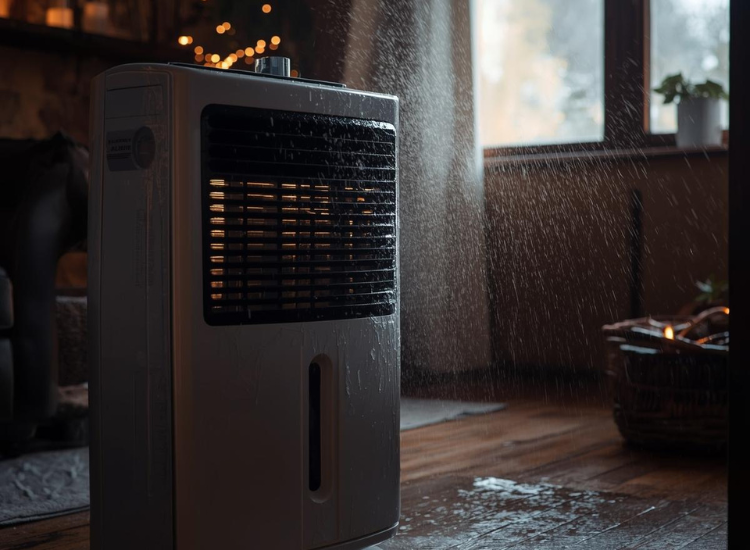
Generally no, you don’t need to run your dehumidifier during Chicago winters since cold air naturally holds less moisture and indoor heating systems dry out the air considerably. However, basements in older homes may still experience dampness issues even in winter, particularly if you have water seepage, poor ventilation, or an active moisture source. Monitor your indoor humidity levels with a hygrometer, and only run your dehumidifier if readings consistently exceed 50-60%.
Why Winter Air Is Naturally Drier
During Chicagoland’s brutal winter months—especially during those sub-zero polar vortex events we experience from December through February—outdoor air contains very little moisture. When this cold air enters your home and gets heated, its relative humidity drops significantly. This is why many Chicago-area residents experience dry skin, static electricity, and irritated sinuses during winter rather than humidity problems.
Your furnace or heating system further reduces indoor moisture as it cycles, often dropping humidity levels to 20-30% or even lower in well-insulated homes. For most households in neighborhoods from Lincoln Park to Naperville, the challenge in winter is adding moisture, not removing it. Many homeowners actually run humidifiers during these months to combat the excessive dryness that can damage wood furniture and flooring.
When You Might Need a Dehumidifier in Winter
Despite the general dryness of Chicago winters, certain situations may still warrant running a dehumidifier:
Basement Moisture Problems
Chicago bungalows, classic greystones, and older two-flats throughout Evanston, Oak Park, and surrounding Cook County communities often have basement moisture issues year-round. If you notice condensation on basement walls, musty odors, or readings above 50% humidity, you may have water seeping through your foundation due to groundwater pressure or aging waterproofing systems.
These moisture problems don’t take winter vacations. The freeze-thaw cycles that Chicago experiences can actually worsen foundation cracks, allowing more water infiltration even when temperatures drop. Homes in communities like Elmhurst, Downers Grove, and Arlington Heights with high water tables may experience basement dampness regardless of the season.
Poor Ventilation Issues
Finished basements without adequate ventilation can trap moisture from everyday activities like doing laundry, showering in basement bathrooms, or simply from concrete foundation walls that never fully dry. Even in winter, these spaces may maintain humidity levels that promote mold growth if air circulation is insufficient.
Active Water Problems
If you’re dealing with ongoing water intrusion—perhaps from a crack in your foundation, condensation from uninsulated pipes, or a plumbing leak—you’ll need dehumidification even during cold months. Water damage doesn’t care about the season, and mold can develop within 24-48 hours when conditions are right.
Monitoring Your Indoor Humidity Levels
The ideal indoor humidity range for Chicago-area homes is 30-50% year-round. Purchase an inexpensive hygrometer (humidity meter) to monitor levels in problem areas, particularly basements. Place the meter away from walls and moisture sources to get an accurate reading.
Check humidity levels weekly during winter. If readings consistently stay below 40%, you definitely don’t need a dehumidifier. If levels exceed 50-60%, investigate the moisture source and consider running your dehumidifier intermittently.
Energy Efficiency Considerations
Running a dehumidifier unnecessarily during winter wastes energy and money—something every Chicagoland homeowner wants to avoid during those expensive heating months. Dehumidifiers work by cooling air to condense moisture, then reheating it. This process fights against your furnace, making both systems work harder and driving up utility costs.
If you must run a dehumidifier in winter, set it to 45-50% rather than the 30-40% you might target in summer. Use a model with an auto-shutoff feature and energy-efficient rating to minimize unnecessary operation.
Addressing the Root Cause
Rather than continuously running a dehumidifier in winter, identify and fix the underlying moisture problem. Common culprits in older Chicago-area homes include:
- Foundation cracks allowing water seepage
- Poor exterior grading directing water toward your foundation
- Missing or damaged gutters and downspouts
- Unvented dryers or bathroom fans
- Plumbing leaks or condensation on pipes
- Sump pump issues
Fixing these problems permanently protects your home from water damage, prevents mold growth, and saves energy costs.
Professional Help for Persistent Moisture Problems
If you’re running your dehumidifier year-round to manage basement humidity, you likely have a water intrusion or ventilation problem that requires professional attention. Persistent moisture can lead to mold growth, structural damage, and unhealthy indoor air quality throughout homes in Schaumburg, Tinley Park, Orland Park, and across DuPage, Lake, Will, and Kane Counties.
Get Expert Moisture Assessment Today
Don’t let winter humidity problems lead to costly water damage or mold issues. Redefined Restoration provides comprehensive moisture assessments and water damage solutions throughout Chicagoland, from Chicago neighborhoods like Lakeview, Logan Square, Wicker Park, Hyde Park, and Beverly to surrounding suburban communities. Our certified technicians identify moisture sources, implement lasting solutions, and restore your peace of mind.
Contact Redefined Restoration at https://redefinedresto.com or call us today for a professional evaluation of your winter humidity concerns. We’re available 24/7 for emergency water damage situations and offer free consultations for moisture problems affecting your home.